
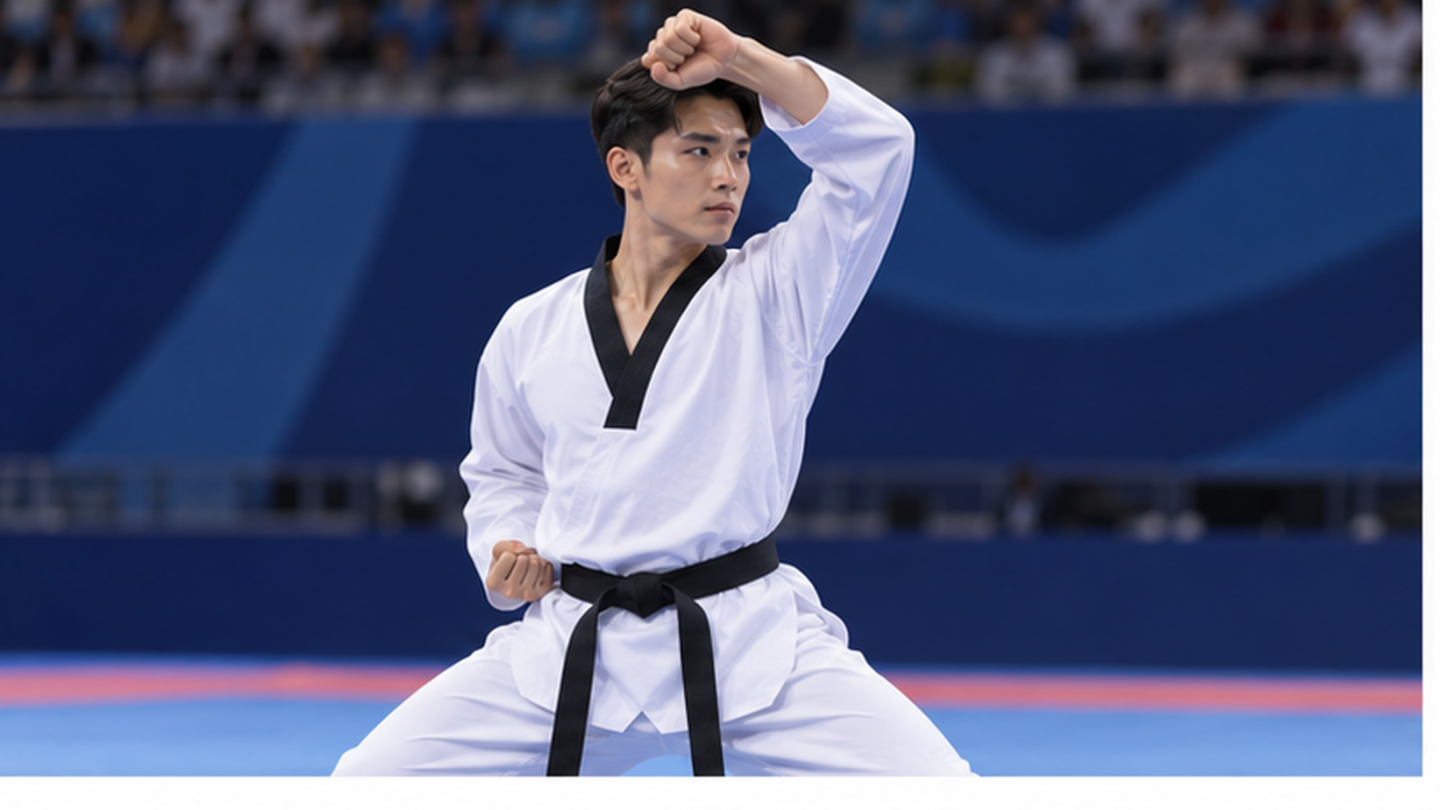
The taekwondo programme at the Asian Games opened with the poomsae competition, ahead of the weight-category fights. Poomsae are predetermined sequences of techniques in which athletes must combine precise stances, correct striking paths, balance, rhythm and control of power. Unlike kyorugi, there is no direct opponent returning blows, yet the pressure is intense, because a single error in the sequence or a loss of stability can decide a medal.
The first day of the programme brings the high-ranking senior events and gathers representatives of countries with a long tradition in forms. Korea has long set the standard in poomsae, but the gap is narrowing as Chinese Taipei, Iran, Vietnam, the Philippines and other national teams invest in specialist squads. The Asian Games matter especially because the continent’s best athletes rarely meet in an event with this level of attention, a large arena and the pressure of a national medal count.
How poomsae is scored
Judges assess accuracy and presentation separately. Accuracy covers correct stances, blocks, strikes and adherence to the prescribed pattern, while presentation includes speed, power, rhythm and expression. An athlete cannot make up for a faulty technique with a forceful display alone, and sterile precision without dynamism rarely earns a top result. The finest performances look calm, but behind them lie years of repetition that make every change of direction fast and fully controlled.
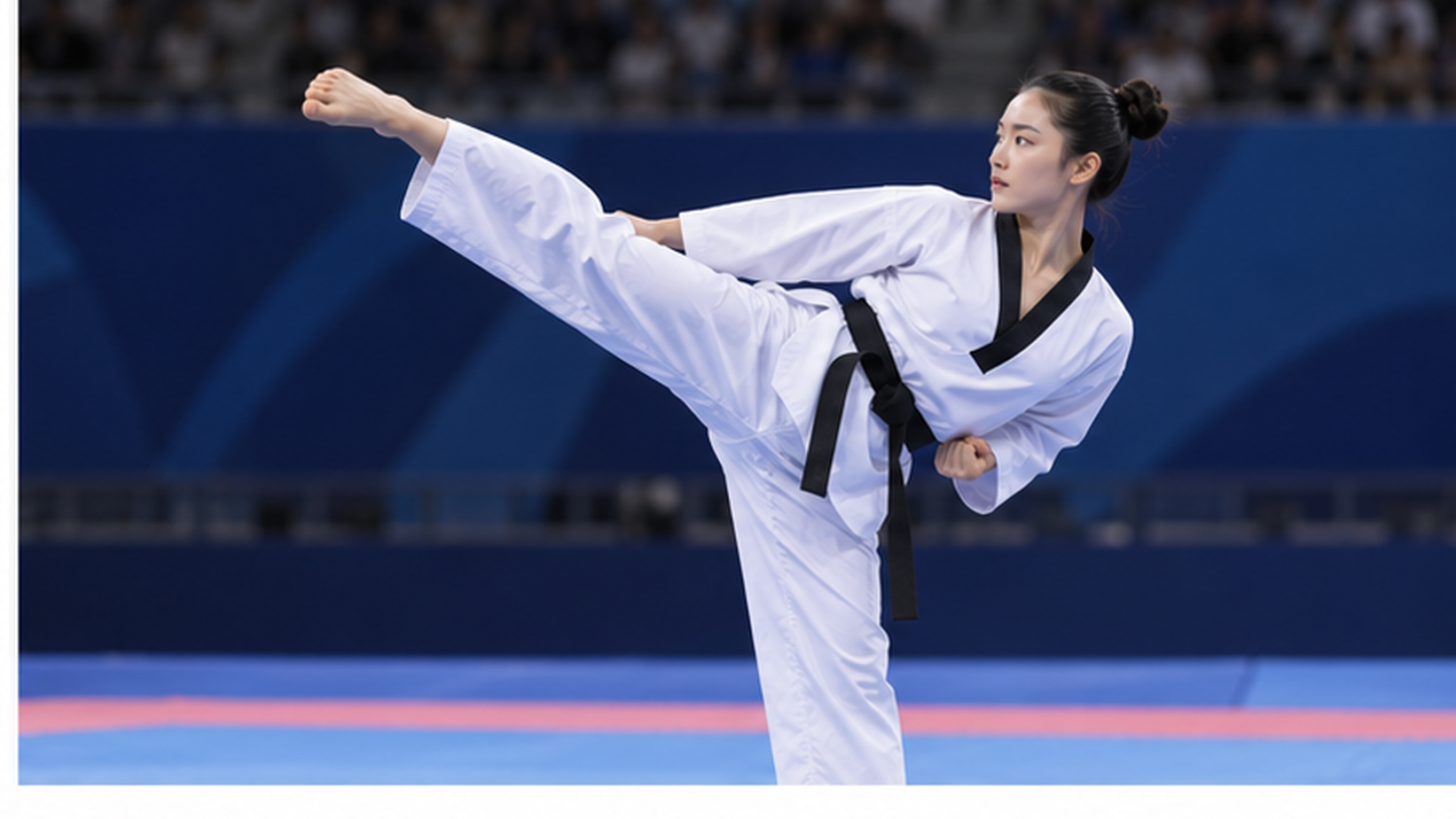
Competitors must time their warm-up to the schedule of their performance, since waiting too long can dull explosiveness, while raising intensity too early wastes energy. The floor, the lighting and the feeling of space also affect orientation. Experienced athletes use test steps to locate the centre of the competition area and finish the form in the right spot. At a major event, mental control becomes as important as technical preparation, particularly when the result of a previous rival is visible before they step out.
Poomsae opens the wider taekwondo programme
After the forms, attention will shift to kyorugi and the weight-category fights, where tactics depend on distance, electronic body protectors and the management of penalties. The two disciplines share a technical foundation but demand different preparation. Poomsae rewards pre-rehearsed perfection, while combat calls for instant reaction to an opponent. Together the programme shows the breadth of taekwondo and gives national teams more than one route to a medal.
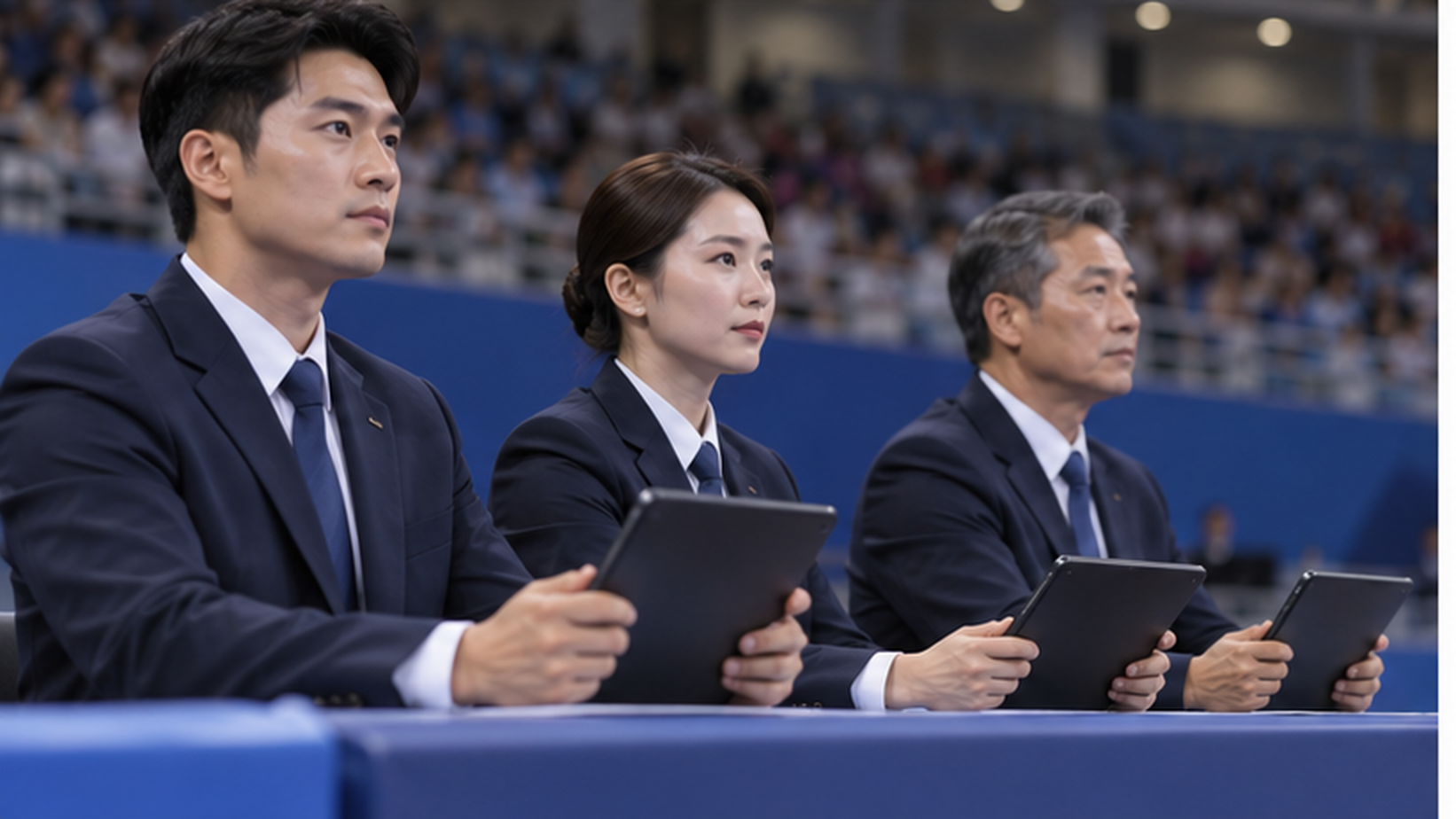
The early results will matter as an indication of the balance of power ahead of the next continental and world championships. A medal at the Asian Games carries real weight, because it comes from the region with the deepest competition in taekwondo. Still, one performance does not define a whole cycle. The most useful conclusions come from the scores by segment, consistency across several rounds and the way athletes respond to pressure. The poomsae has opened the programme, and the coming days will show the full depth of the national teams.
In recent years the poomsae competition has used ever more precise criteria and video analysis to make scoring more uniform. Even so, part of the assessment still rests on the judges’ sense of rhythm and presentation. For that reason athletes train not only exact angles but also clear finishes to techniques that can be seen from every position around the arena. Breathing must follow the movement without an exaggerated sound, and the gaze must show the direction of an imagined opponent along with confidence in the execution.
For countries without a large base, poomsae offers a development path with fewer demands for sparring partners than kyorugi, but the high level still calls for expert work. Filming training sessions, biomechanical analysis and international camps help correct details that domestic judges may not penalise. The Asian Games set the highest continental standard. Teams that finish outside the medals will get a clear picture of the gap in speed, stability and presentation, which can guide preparation for the next cycle.