
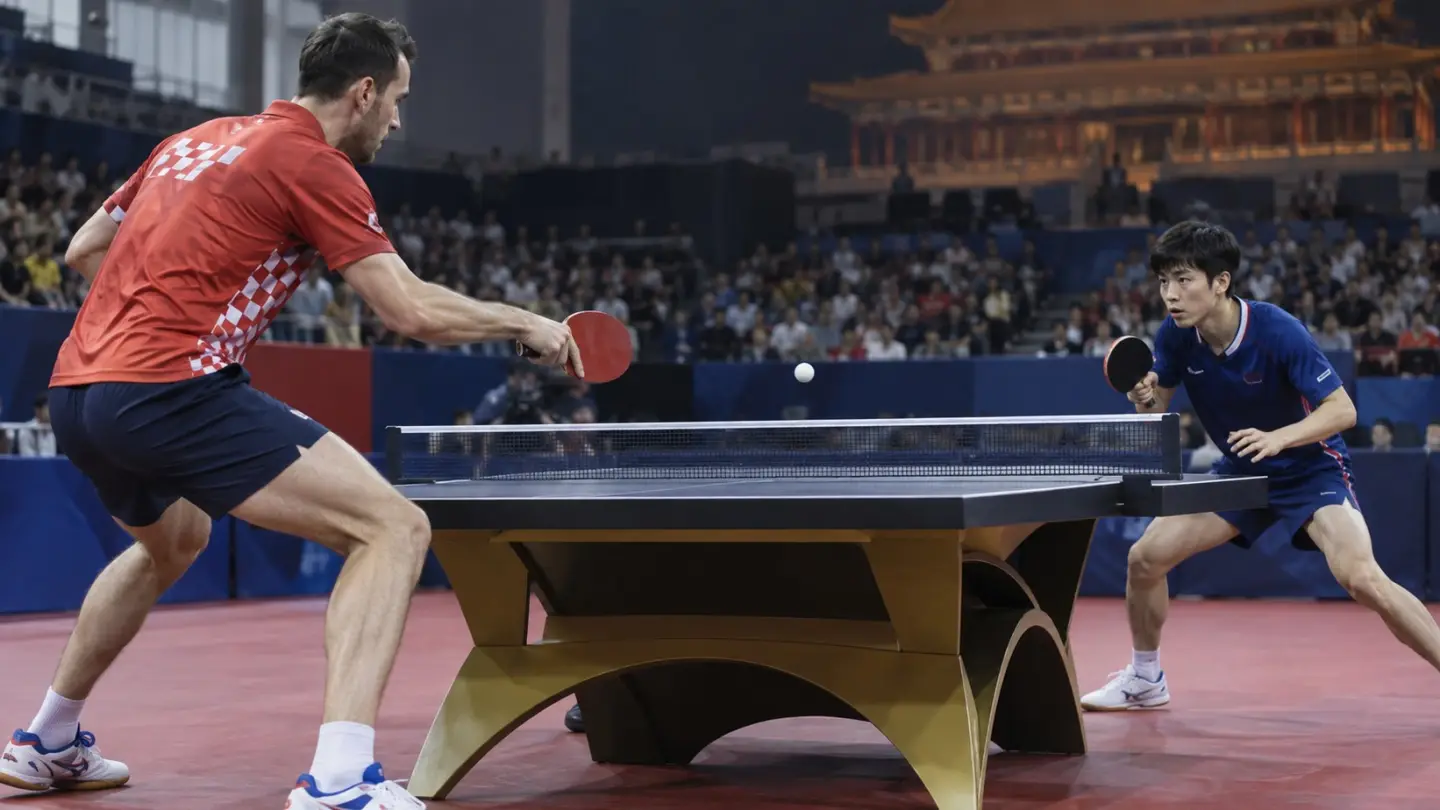
The 8 October meeting pits Pucar’s experience against Lebrun’s early pressure, his penhold grip and his very quick first attack. That fact sets the starting point for the analysis. Further conclusions only make sense once it is clear what has been officially confirmed, what depends on the next appearance, and which detail could change the picture first. The order matters: the event comes before the interpretation, and an expectation must not be presented as a finished outcome. For that reason the next official information should confirm exactly the consequence now flagged as decisive.
The Frenchman wants a long return and a forehand off the third ball, while the Croat has to change his spin to pull the match out of a settled rhythm. The difference shows most clearly in the process: who sets the terms, who has to give ground first, and how quickly a correction arrives. Two similar scores can come from very different quality of play. The analysis therefore looks for a cause that can be reproduced again, rather than an explanation based only on the last shot. That way of reading events gives the reader a basis for understanding both the result and the decisions that led to it.
Pucar must slow down Lebrun’s first attack
Pucar should send a low push into the elbow, hide the backspin and change to the parallel direction only after a deep shot from a stable position. The tactical value comes from the sequence, not the number of ideas. The player must first secure position and control, then attack the space that has genuinely opened. The coaching staff sets the signal for a change in advance, so that a single error does not trigger a chain of improvisations and pull the team or athlete away from their main advantage. Execution is then judged by the clarity of the decision, the reaction time and the quality of the position after the attempt.
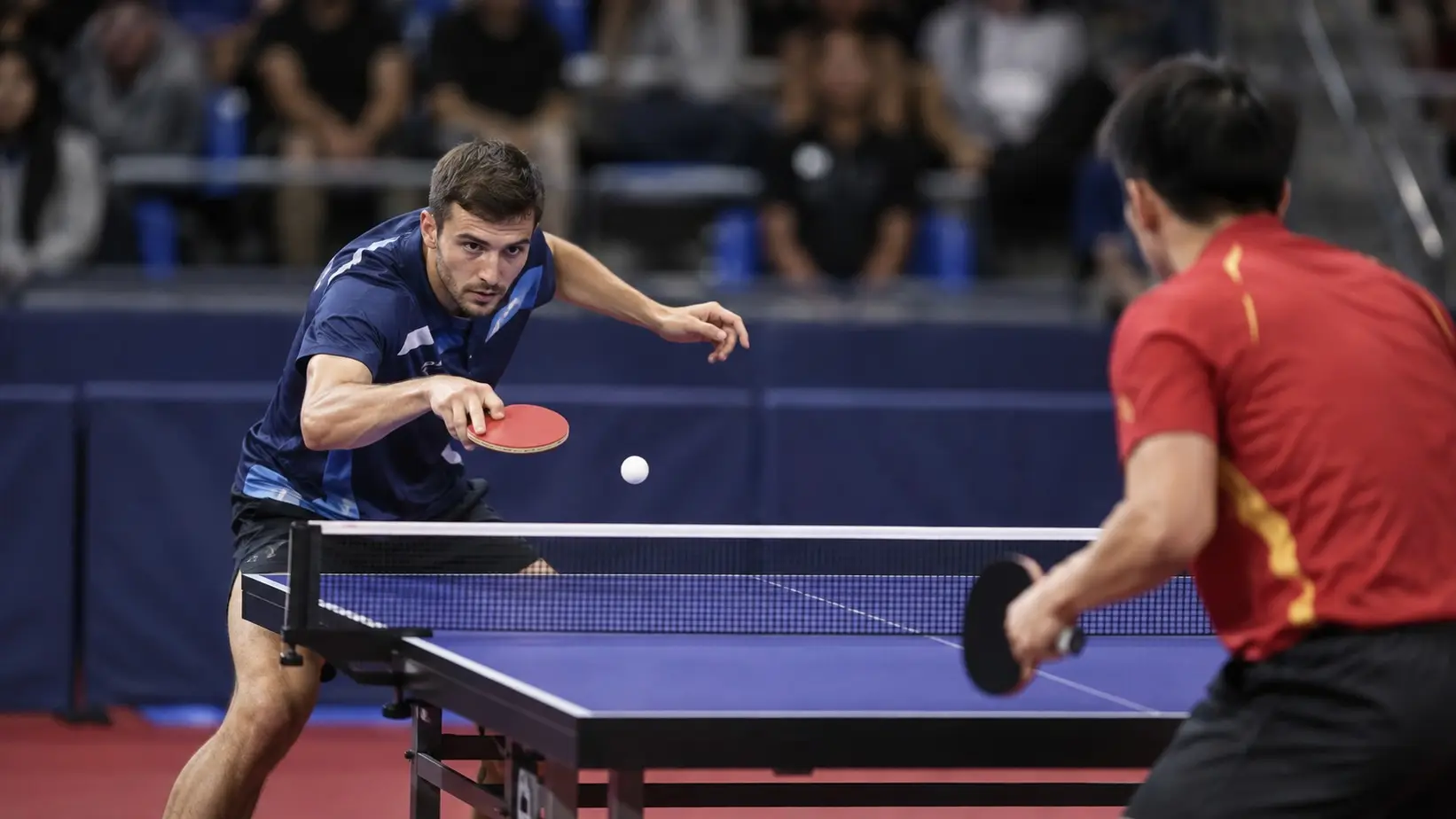
A return that goes too high immediately becomes a defensive ball, and changing direction from poor balance hands the opponent a direct error rather than a tactical gain. Risk management decides how long a plan can survive. A neutral outcome sometimes preserves position, energy or possession for a better chance, while forcing the play without preparation opens the counterattack. The balance between gain and danger shifts with time and the score, so the same decision is not equally good at the start and at the close. The real measure of discipline will be how often the danger is recognised before it turns into damage.
Serve and receive decide who controls the third ball
The important figures are points won up to the fourth shot, the quality of the short receive, the outcome when Pucar attacks first, and the number of extended rallies after Lebrun’s initiative. These numbers allow the conclusion to be checked after the event. The final score shows the result, but only a comparison by period reveals where the advantage came from and whether it can be repeated. It is especially useful to separate the opening plan from decisions made under fatigue, because that is where the stability of technique and the quality of preparation become visible. If the values are read in order, it will be clear whether the change was planned, temporary or accidental.
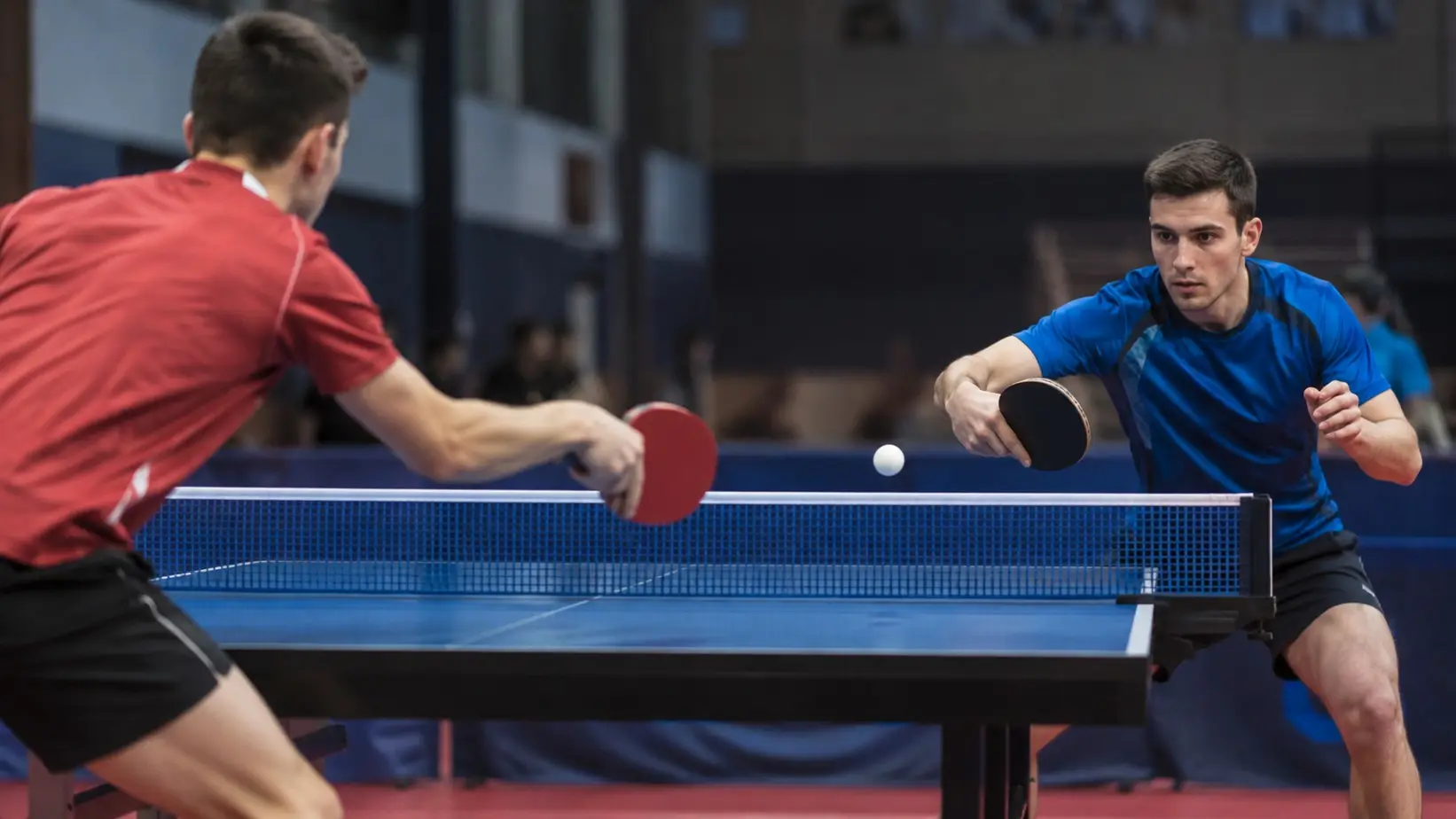
Ranking and speed favour Lebrun, but a timeout and a clear single target can break the run and restore control of the games. The significance does not end with the last point or decision. A good performance opens a new opportunity, but consistency is what confirms that the change can last. A weaker result can still be useful if it produces two or three precise tasks. A broad overhaul of everything usually hides the real cause and makes the next check harder. That follow-up gives today’s news lasting value and links the immediate result to the next realistic goal.
Pucar gets a genuine chance if he removes the automatic third-ball attack and treats each game as a separate task, without trying to settle the whole match with one risk. The conclusion must therefore stay tied to the evidence currently available. The best next check uses the same control points in different conditions, so it can be seen what belongs to quality and what to circumstance. Repeating a good pattern against a new challenge carries more weight in an assessment than a single striking shot. That is why the final judgement should only be updated once a new comparable figure from the official event arrives.