
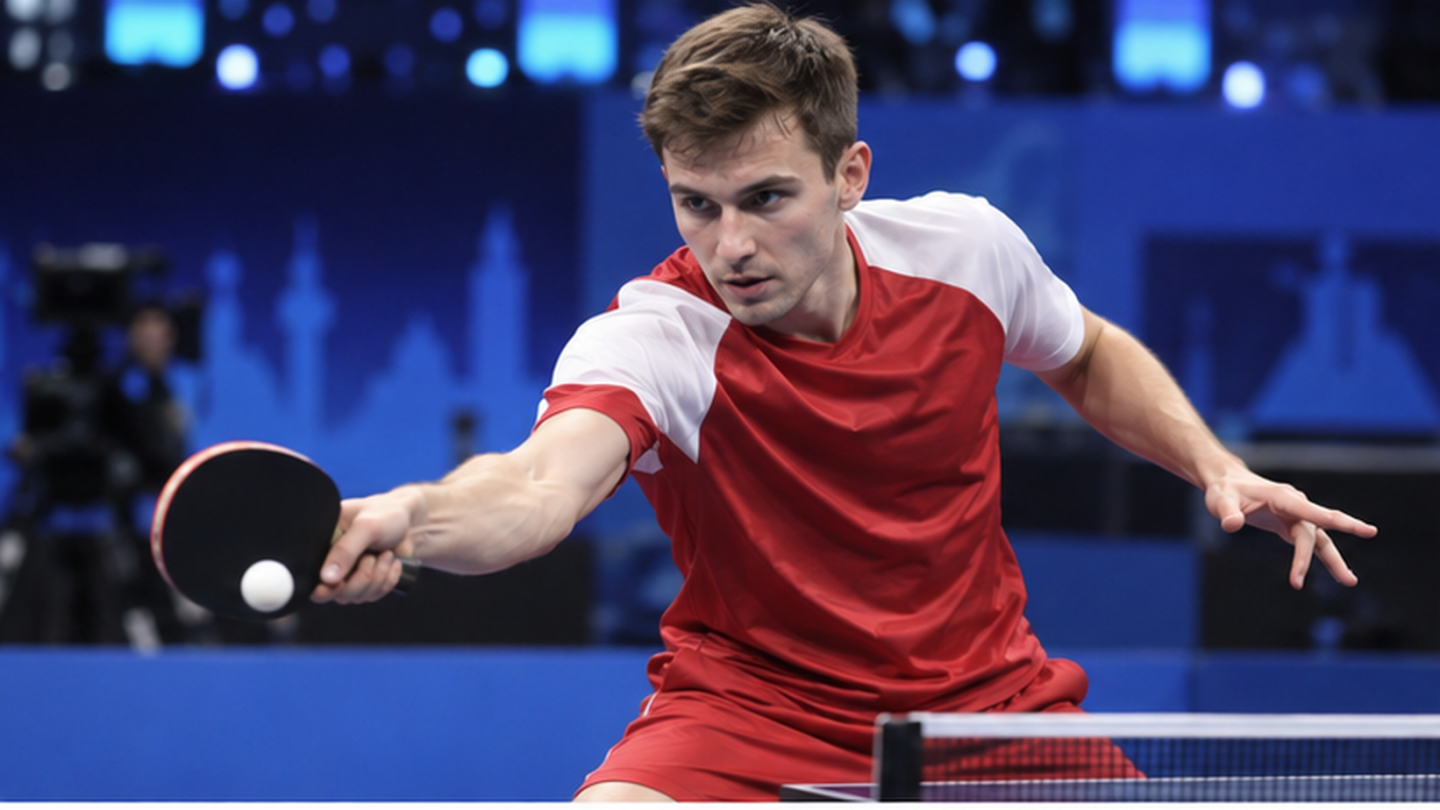
Polish table tennis players Maciej Kubik and Katažyna Vengžin have secured a place in the second round of qualifying for China Smash, a tournament that ranks among the strongest and most valuable on the international calendar. Getting past the first obstacle does not guarantee a spot in the main draw, but it shows they can cope with the pressure of a major event. Qualifying leaves no room for a slow start, since one poor match ends the campaign at once and removes the chance to face the world’s leading players.
China Smash brings together a wide range of competitors and playing styles, from fast attacking play close to the table to games built on spin and changes of distance. European players have to adjust to a pace that Asian opponents often set. Kubik and Vengžin therefore cannot rely only on a combination they have prepared in advance. Receiving serve, the first counter and the ability to vary the length of the ball decide who takes control in these short sets.
Kubik has to keep the pressure without rushing
In the men’s event the speed of the rallies leaves little time to recover position. Kubik looks at his best when he opens with a forehand and then keeps the depth of his shots. The problem comes when he tries to finish a point from a poor balance. In the next round it matters more that he builds two or three quality shots than that he goes for a winner on every opportunity. A steady serve could give him an easier third-ball attack.
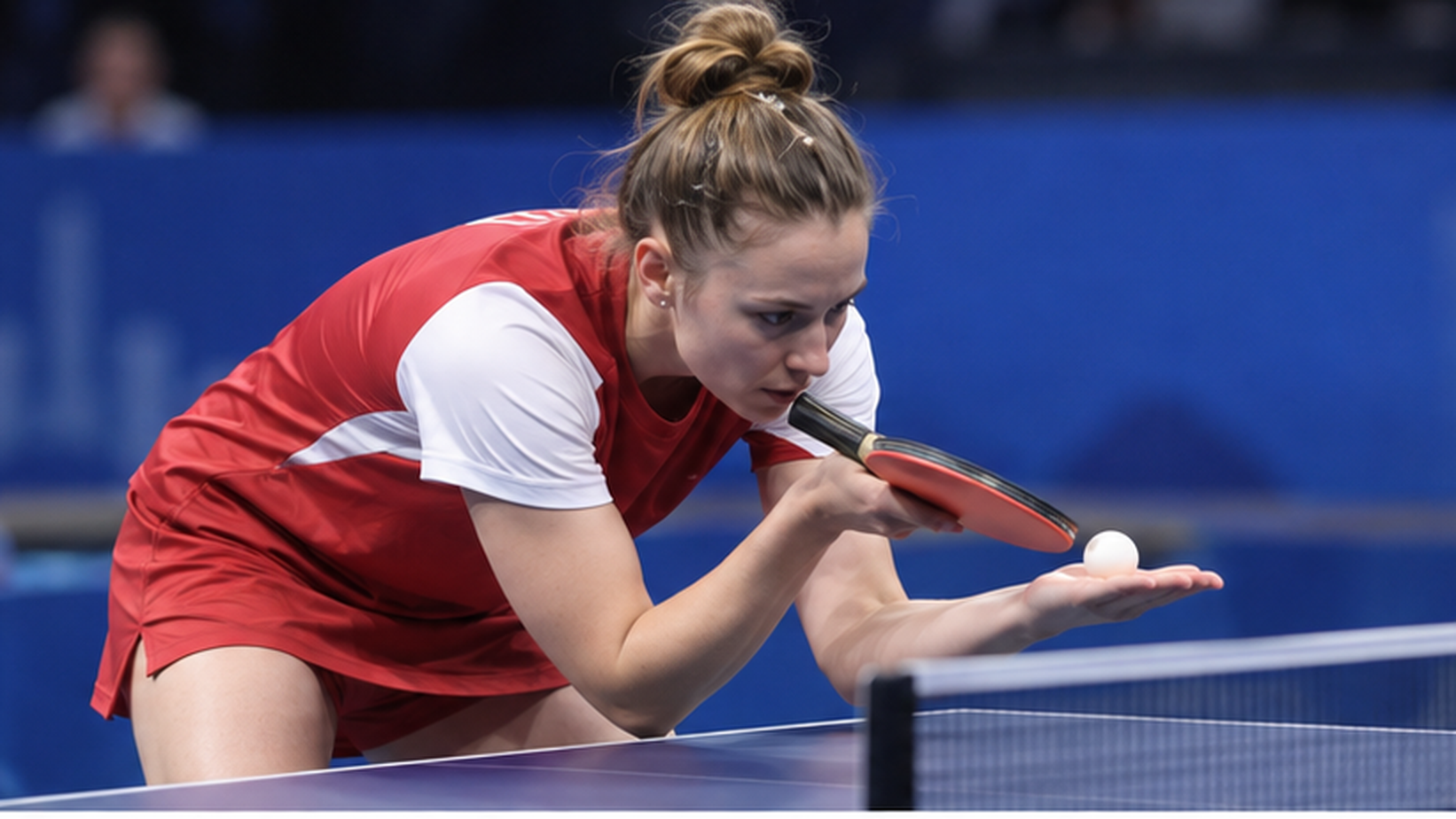
Vengžin relies on discipline in the rally and a good feel for changing direction. Against a stronger attack she has to keep the ball low and stop her opponent from settling fully. A short return can open a chance, but it carries risk if the ball stays too high. The choice will therefore depend on her opponent’s serve and the score in the set. Bravery is not the same as constant risk, and the best decision changes from point to point.
The Polish team has several representatives at the event, which makes it easier to study conditions and prepare together. The players can share information about the speed of the tables, the balls and the serves of their rivals. Still, each match remains an individual task. A coach can point out a pattern during a short break, but the player has to carry it out while the opponent is already adjusting. China Smash punishes in particular a plan that does not change after a set has been lost.
The main draw remains a big but reachable target
Entering the leading group would bring more points, prize money and experience against seeded players. For Kubik and Vengžin such a match has development value even if it ends in defeat. The tempo and quality of their first balls show what is still missing for a permanent place at the biggest events. Even so, thinking about the main draw must not push aside the immediate task. Qualifying is won by focusing on one serve and one set at a time.
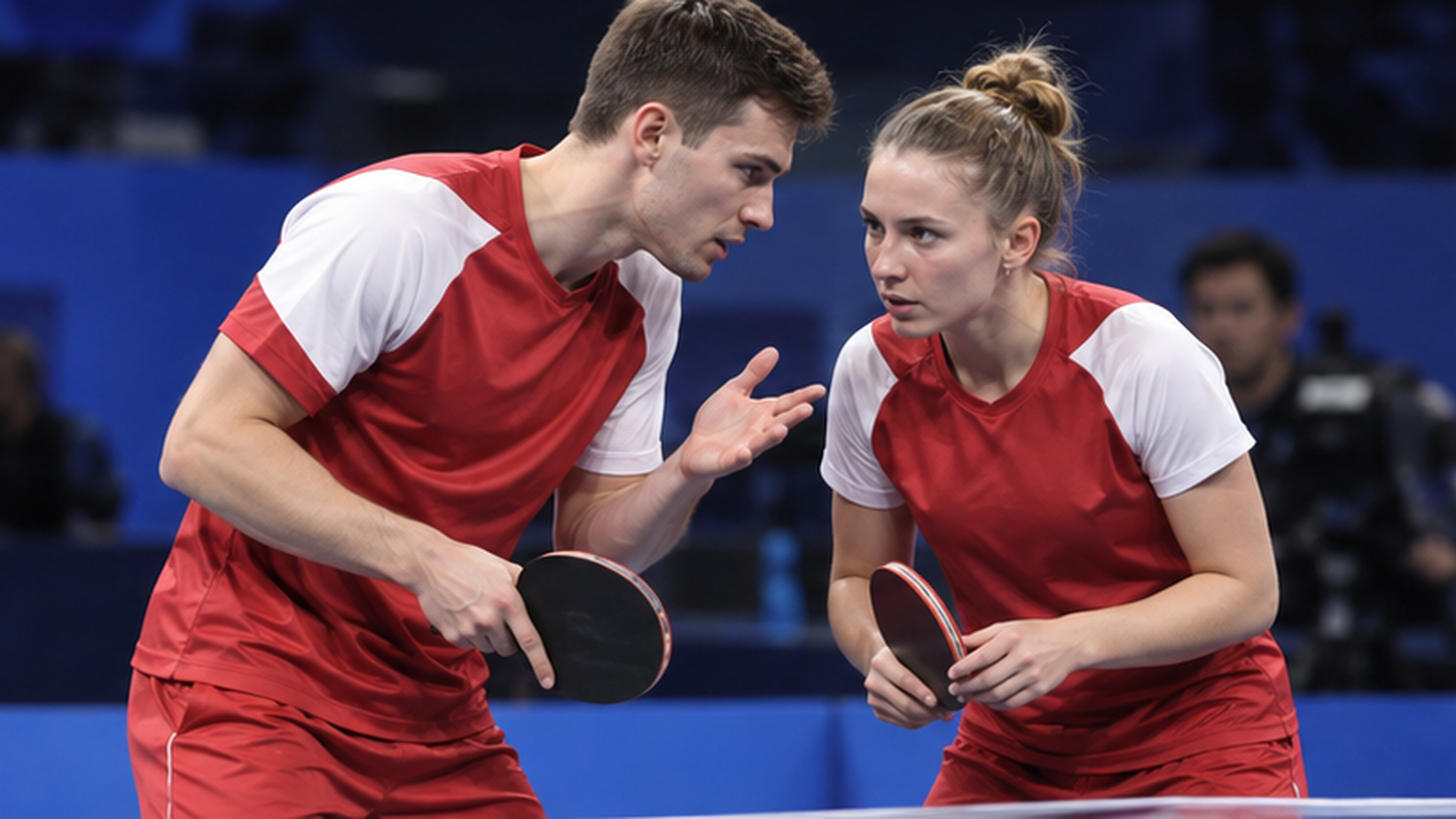
Physical preparation also gains importance when several matches are played in a short period. Table tennis does not involve the long marathon of some sports, but it demands hundreds of explosive first steps and constant concentration. Recovery between rounds should include enough sleep, light movement and a review of footage without overloading the player with information. A player should walk to the table with two or three clear ideas, not a list of ten details.
Kubik and Vengžin’s progress is a good start for Polish table tennis at one of the hardest tournaments of the year. The next opponents will be tougher and the pressure greater, but the first goal has been reached. If they keep the quality of their serves and the courage to attack the first ball, they have a realistic chance to go further. Whatever the final outcome, China Smash gives a precise measure of how close they are to the permanent world elite. Analysis of an opponent should cover the opening serve pattern and also the reaction under pressure. Some players change their serve at 9:9, others stay with the safest option. Kubik and Vengžin can win an important point if they recognise that habit, but they must avoid guessing without a clear signal. Good preparation provides the framework, while a quality reaction at the table decides what is actually applied.