
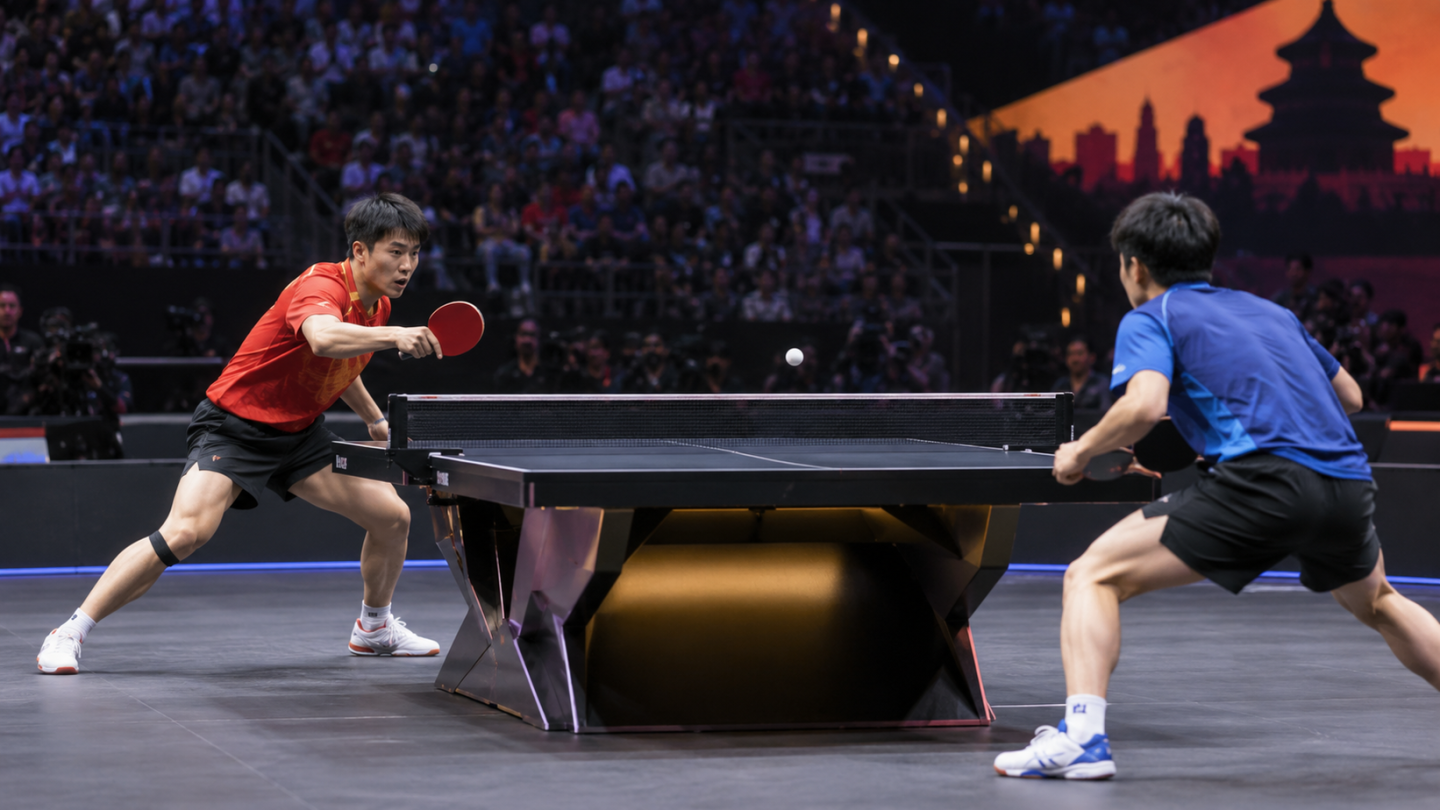
China Smash’s official men’s singles list is missing Wang Chuqin and Lin Shidong, two of China’s leading players, who were in the Asian Games final only a few days earlier. Their absence reshuffles the top of the draw and opens a real opportunity for European and Japanese rivals.
Félix Lebrun has been seeded first, ahead of Sora Matsushima, Tomokazu Harimoto and Truls Moregårdh. Lin Yun-ju, Ugo Calderano, Alexis Lebrun, Dang Qiu, Zhang Wudi and Darko Jorgić also make up the top ten seeds, giving the event an exceptionally strong international field.
Qualifying runs in Beijing from 1 to 3 October, and the main singles draw begins on 4 October. China Smash belongs to the top tier of the WTT series, offers 2,000 points to the champion and carries a total prize fund of 2.05 million dollars.
Absences reshape the race for the top of the world rankings
Wang and Lin usually carry most of the home pressure, so their absence also changes how responsibility is shared within the Chinese team. The remaining players get the backing of the crowd, but also the task of stopping the best foreign players. Younger representatives must now take on matches that would previously have belonged to more experienced leaders.
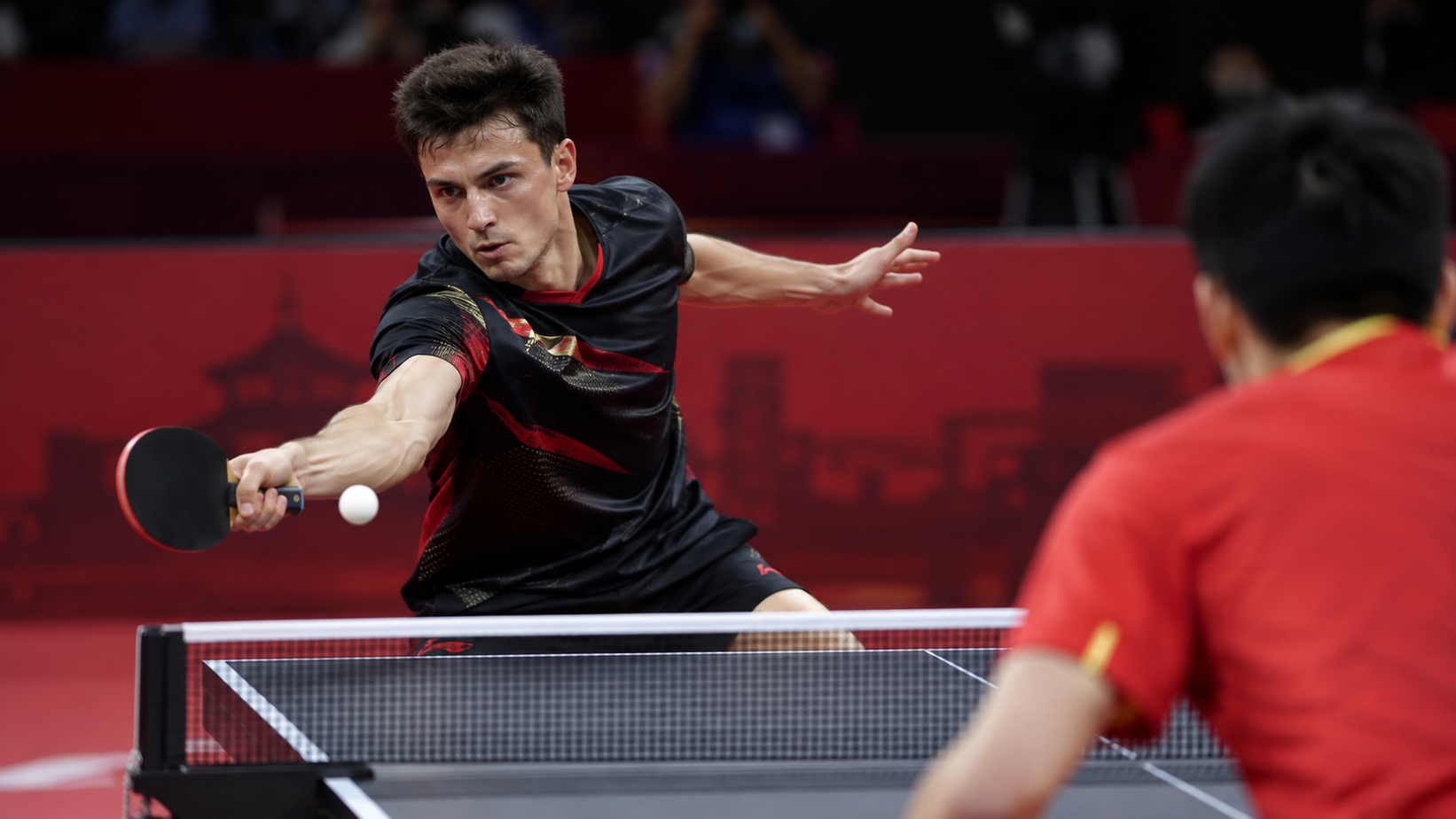
Félix Lebrun enters the draw with a serve and a close-to-the-table game that can take opponents deep, but top seeding does not remove the difficulty of early, hard-fought duels. Qualifiers arrive with matches already behind them and a feel for the hall, so the favourite must find rhythm quickly without a warm-up round.
Matsushima and Harimoto give Japan two different attacking options. The first relies on taking the initiative early and setting the tempo, while Harimoto varies depth better and uses the counter-attack from the backhand side. Their placement in the draw may decide whether they meet before the final.
European and Japanese players get a more open path
As the tenth seed, Darko Jorgić attracts extra attention from fans in the region. His strong backhand can trouble any rival, but he must keep his receive sharp against varied Asian serves. The first three balls will matter more than long rallies in which an opponent has already set the rhythm.
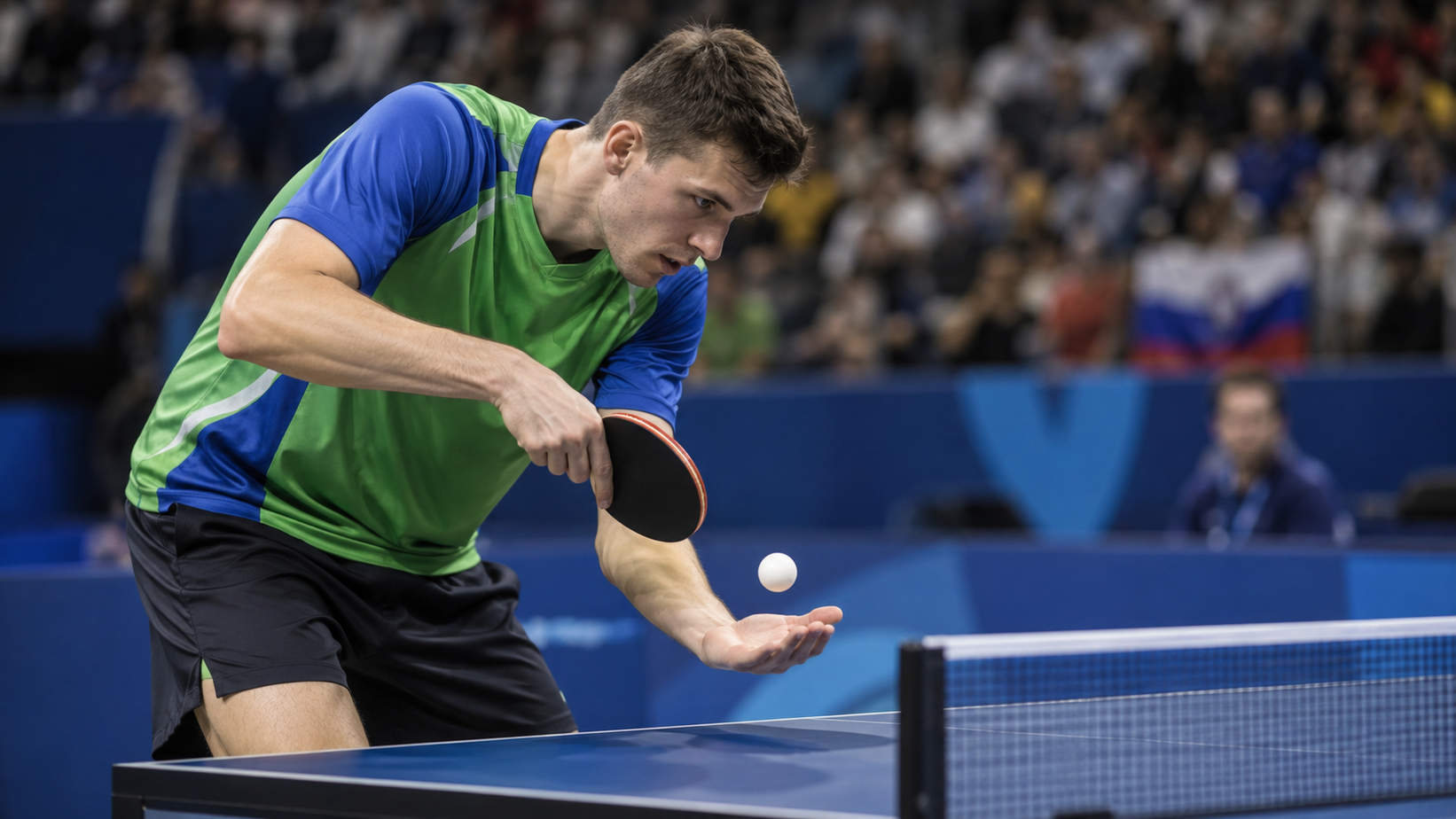
The tournament also carries a large number of points, so one unexpected defeat changes the rankings more than it would at an ordinary contender. Players will be defending not just a result in Beijing but also last year’s points that drop off the tally. That is why every round carries long-term weight.
A more open draw does not mean a weaker tournament. On the contrary, more players can now realistically see a path to the final and play more aggressively. China Smash will show whether the world elite is genuinely widening or whether Chinese depth will once again produce a new leading name in front of a home crowd.
Qualifying will reveal how fast the tables play and how much the serve gains from the new balls before the main draw. Seeded players can watch those matches and adjust their receive, but they must not overload their preparation. Two clear variations for the short serve and one plan against the long receive are often worth more than a pile of theoretical scenarios. In Beijing, the first player to impose his first three balls will usually control the whole set. The next outing or the official result will show how far this conclusion holds under new pressure. The figures should be read together with the quality of the opponent, the conditions and the decisions taken at key moments. It is important to separate the current result from the long-term trend: one success confirms good preparation, but only repetition shows stability. The coaching staff should therefore track a few clear indicators, compare them with the previous outing, and change only what has proven to be a weak point. That approach protects confidence while still leaving room for progress. The reaction of immediate rivals will also matter, since preparation changes as soon as an opponent recognises a winning pattern. For that reason the analysis should also cover situations in which the original plan did not work. The best performance comes when a team or athlete can hold onto its core strength and make a small, timely adjustment during the event.