
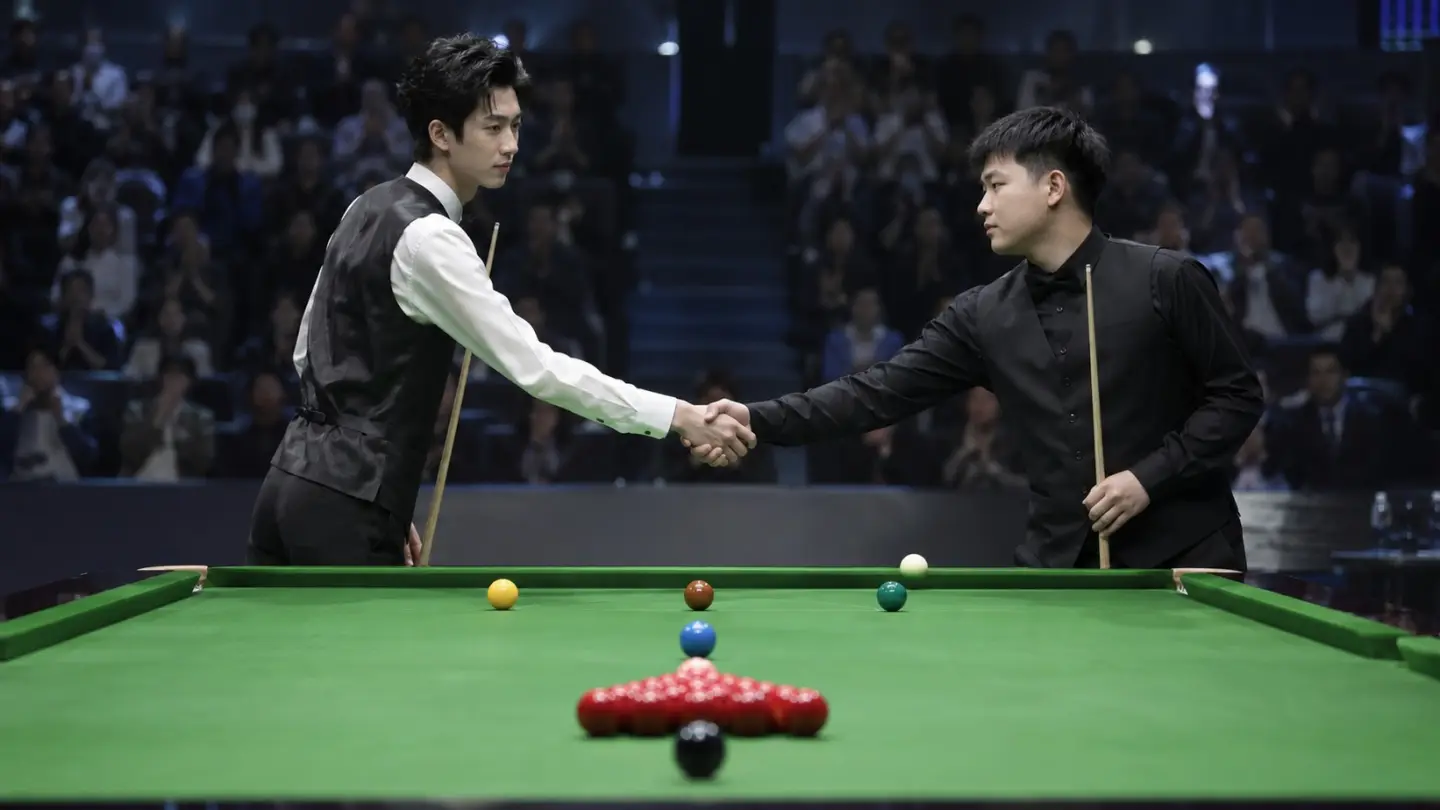
Zhou Jize and Juan Sidun will meet in a wholly Chinese final at the Shenzhen Open. Zhou thrashed Judd Trump 6:1 in the semi-final, while Juan edged out Jimmy Robertson in a deciding frame. The closing match is played over ten frames, and the winner takes home 177,000 pounds. The runner-up will collect 76,000, though for both players the sporting stakes go well beyond the gap in prize money.
Zhou’s victory over Trump was the tournament’s strongest statement. A 6:1 scoreline against one of the leading attacking players does not come about simply because the opponent misses; it requires punishing loose positions, protecting the cue ball and denying any easy comeback. Zhou kept his rhythm even after building a commanding lead, a point where caution often creeps in. Rather than protecting the scoreline, he kept choosing shots based on the position they left, not on the reputation of his opponent.
Zhou showed total control against Trump
Juan reached the final by a far more dramatic route. Winning a deciding frame against Robertson demands the ability to put earlier errors aside and treat every new shot as a separate task. That experience can be an advantage if the final turns tight. At the same time, a long and emotionally draining match consumes more energy, so recovery, sleep and calm preparation carry real weight before a contest that can run across two sessions.
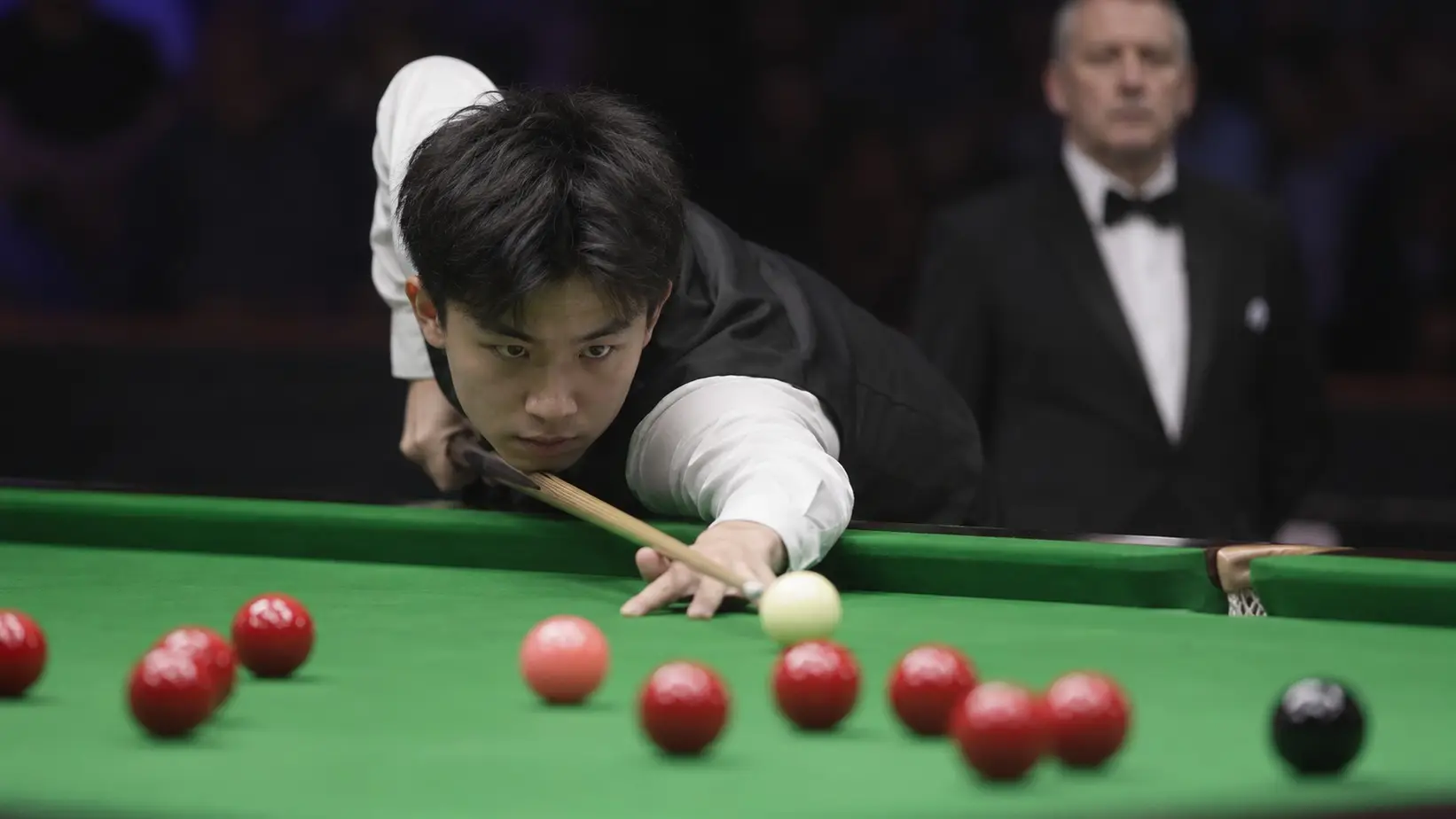
A format of ten frames differs from the shorter semi-final. A poor start does not decide the match, but a run of lost frames can shift tactics and confidence. The players must pace their concentration, accept the break between sessions and avoid trying to recover the whole deficit with one risky shot. Safety play takes on extra weight when both opponents know how dangerous the other can be in attack.
A ten-frame final demands a different distribution of focus
Zhou has already secured a move towards second place in the world rankings, which would put Chinese players in the top two positions for the first time. That wider significance may add pressure, but on the table it changes nothing about the value of a red or a coloured ball. The best way to keep his level is to return to the routine that worked against Trump: a clear decision, full preparation for each shot and acceptance of a safety option when an attack lacks sufficient probability.
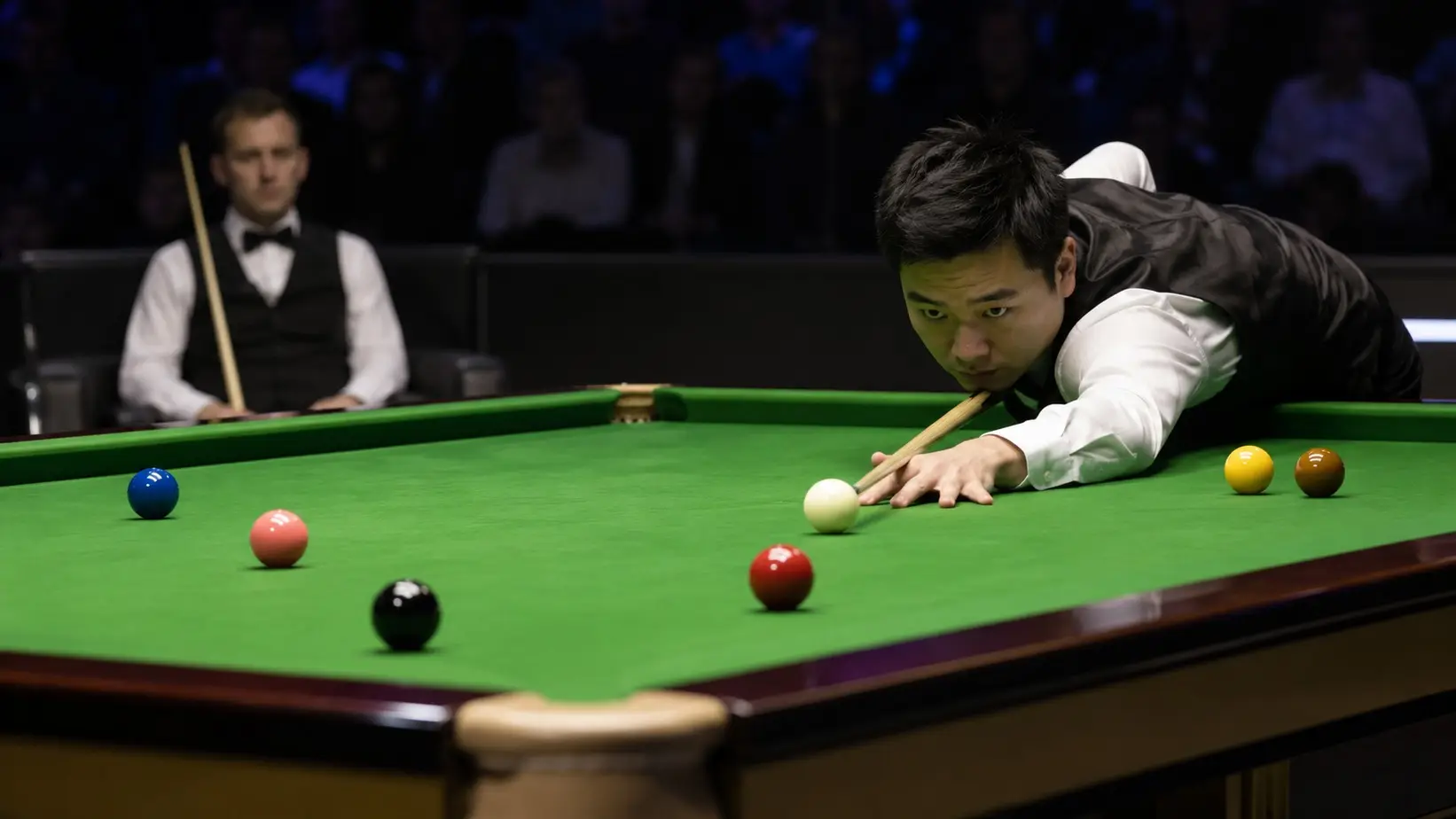
By reaching the final, Juan will secure the best position of his career and a place among the top 32. He has no need to copy Zhou’s pace and should instead impose his own. Longer tactical exchanges can break an opponent’s run and give him simpler first chances. Still, excessive passivity leaves Zhou free to build a break. The balance between patience and well-timed attack will be the central decision in every frame.
An all-Chinese final confirms the depth of a generation that no longer depends on a single famous name. Whatever the result, the tournament crowns a champion who has come through a different kind of pressure: Zhou through a dominant win over the favourite, Juan through a deciding frame. The final will show who can repeat good decisions for longer. Prize money, rankings and the crowd form the backdrop, but the trophy will go to the player who best manages the cue ball as the match nears its tenth frame.
In the final, the percentage of long pots, the success of safety shots and the points won from the first real opportunity will matter especially. A single big break can win a frame, but a series of ten demands broader quality. Zhou and Juan must recognise when the table offers an attack and when the best move is to leave the opponent a difficult start. That judgement usually separates a good performance from a title.
The crowd in Shenzhen will get a home winner, but that does not mean the atmosphere will suit both players equally. Some turn the energy of the stands into rhythm, while others play better in quieter concentration. It is important to keep a routine between frames, limit glances towards the crowd and return to the table with the same preparation time. Emotion should follow the scoreline, not dictate the choice of shot.