
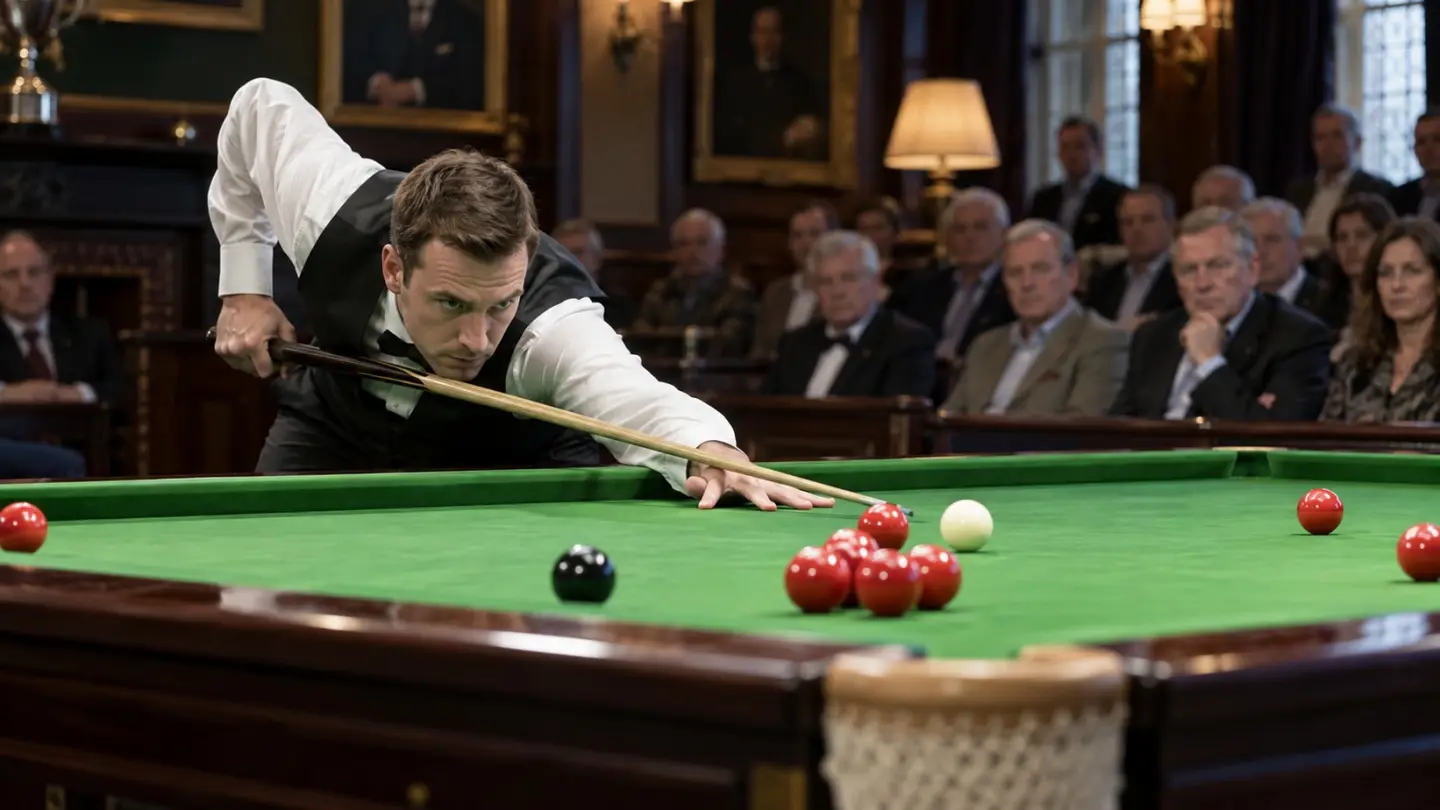
Landywood Snooker Club once again hosts the World Snooker Championship, a programme running from 10 to 15 October. A result only gains its full value when it is set against the conditions, the strength of the opposition and the stage of the competition. In this case, what matters most is the confirmed performance and its immediate consequence for the rest of the schedule, while any forecast remains separate from the facts. The next appearance will show how far the advantage gained can carry over into a different demand. For that reason, the relationship between confirmed performance and the next challenge matters more than any single shot.
The English Open and the women’s world championship are also staged at the same venue, while the best players compete for the John Roberts Trophy. The difference is easiest to see in the process: who sets the terms, who has to give ground first, and how quickly a correction arrives. Two similar scorelines can stem from play of entirely different quality. The analysis therefore needs a cause that can be reproduced, rather than an explanation resting only on the last shot. The sequence of key phases shows where the gap opened and how long control actually lasted.
The long format demands a different way of managing a run
The long format requires sustained concentration across several sessions, the choice of safe positions and the ability to continue a large break without rushing the rhythm. Tactical value comes from sequence, not from the number of ideas. A player must first secure position and control, then attack the space that has genuinely opened up. The coaching staff settles in advance on the signal for a change, so that a single error does not set off a chain of improvisation and pull the side or the player away from the basic advantage. The quality of a plan shows in the speed of decisions, in clear roles and in the position left after a failed attempt.
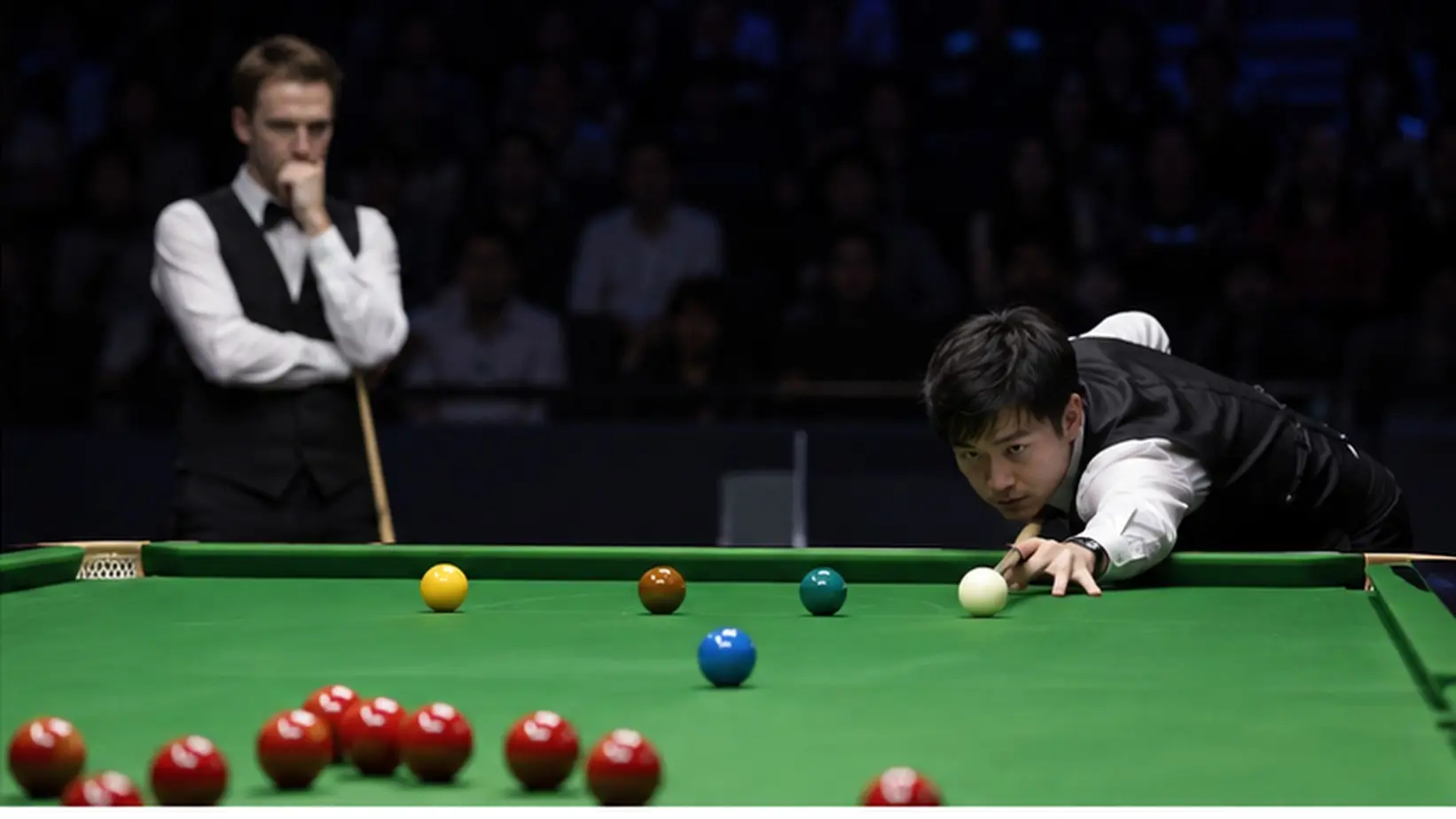
An early deficit need not be decisive, but a poor judgement of risk can turn a single mistake into hundreds of points for the opponent. Risk management determines how long a plan can survive. A neutral outcome sometimes preserves position, energy or possession for a better chance, whereas forcing the issue without preparation opens the door to a counter. The balance between gain and danger shifts with time and with the score, so the same decision is not equally sound at the start and in the closing frames. Discipline is measured by how often danger is recognised before it has become a costly error.
Local conditions reward precise control of the cue ball
The average length of visit, the number of major breaks, the success rate in top-of-table positions and the result by session give the clearest picture. These figures make it possible to check a conclusion once the event is over. The final score shows the outcome, but only a comparison across periods reveals where the advantage was built and whether it can be repeated. It is especially useful to separate the opening plan from decisions taken under fatigue, since that is where the consistency of technique and the quality of preparation become visible. Read together, these values distinguish a sustainable advantage from a short run or a chance deviation.

The tournament confirms Landywood as an important centre for snooker and offers players a rare opportunity in the classic long format. Its significance does not end with the last point or decision. A good performance opens a new opportunity, but consistency is what proves that the change is sustainable. A weaker result can still be useful if it yields two or three precise tasks. A broad overhaul of everything tends to hide the real cause and makes the next check harder. The next appearance therefore becomes a concrete test of continuity, not merely another entry on the schedule.
The winner will have to combine stamina with control of the balls, as a brief spell of inspiration will not be enough for the title. The conclusion must therefore stay tied to the evidence available right now. The best next check uses the same control points in different conditions, so that it becomes clear what belongs to the quality of play and what to the circumstances. Repeating a good pattern against a new demand carries more weight in an assessment than a single striking action. The final judgement remains tied to the same set of indicators and to the next comparable official result.