
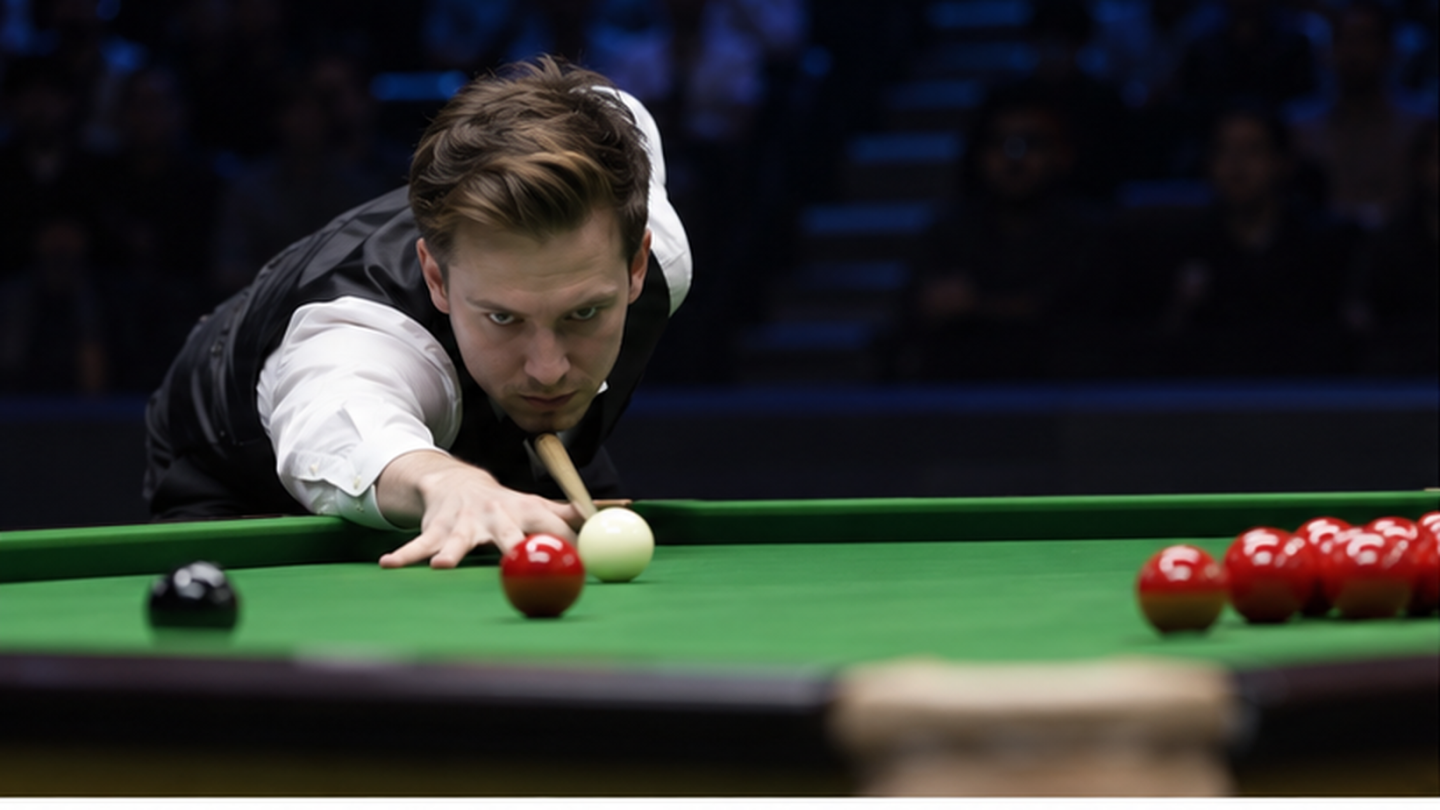
Judd Trump beat Si Jiahui 5:2 to set up a Shenzhen Open quarter-final with Mark Selby, who had earlier defeated Stephen Maguire 5:3. Trump’s match was level at 2:2, but the world number two then won the last three frames to secure the stronger finish. Selby had to get through a longer tactical battle to reach this stage. Their next meeting pits two very different approaches to controlling the table against each other and makes for the most eye-catching pairing in the last eight.
Trump wants open positions and an early chance at a big break. When he finds the rhythm of his long pots, he can finish a frame from a single visit. Selby is at his most dangerous when he takes the tempo away from his opponent, stretches the safety exchanges and forces a shot from an awkward angle. For that reason their clash will not be decided by percentages on pots alone. What matters is who sets the type of frame and who responds better when the opening plan stops working.
Trump picked up the pace when the match mattered most
A 2:2 scoreline could have added pressure, particularly with a home player and a crowd hoping for a Chinese quarter-finalist. Instead, Trump raised his accuracy and closed out the match without needing a deciding frame. A finish like that saves mental and physical energy. At a tournament with matches every day, three fewer frames can mean more time for recovery, training and preparing for Selby’s tactical patterns.
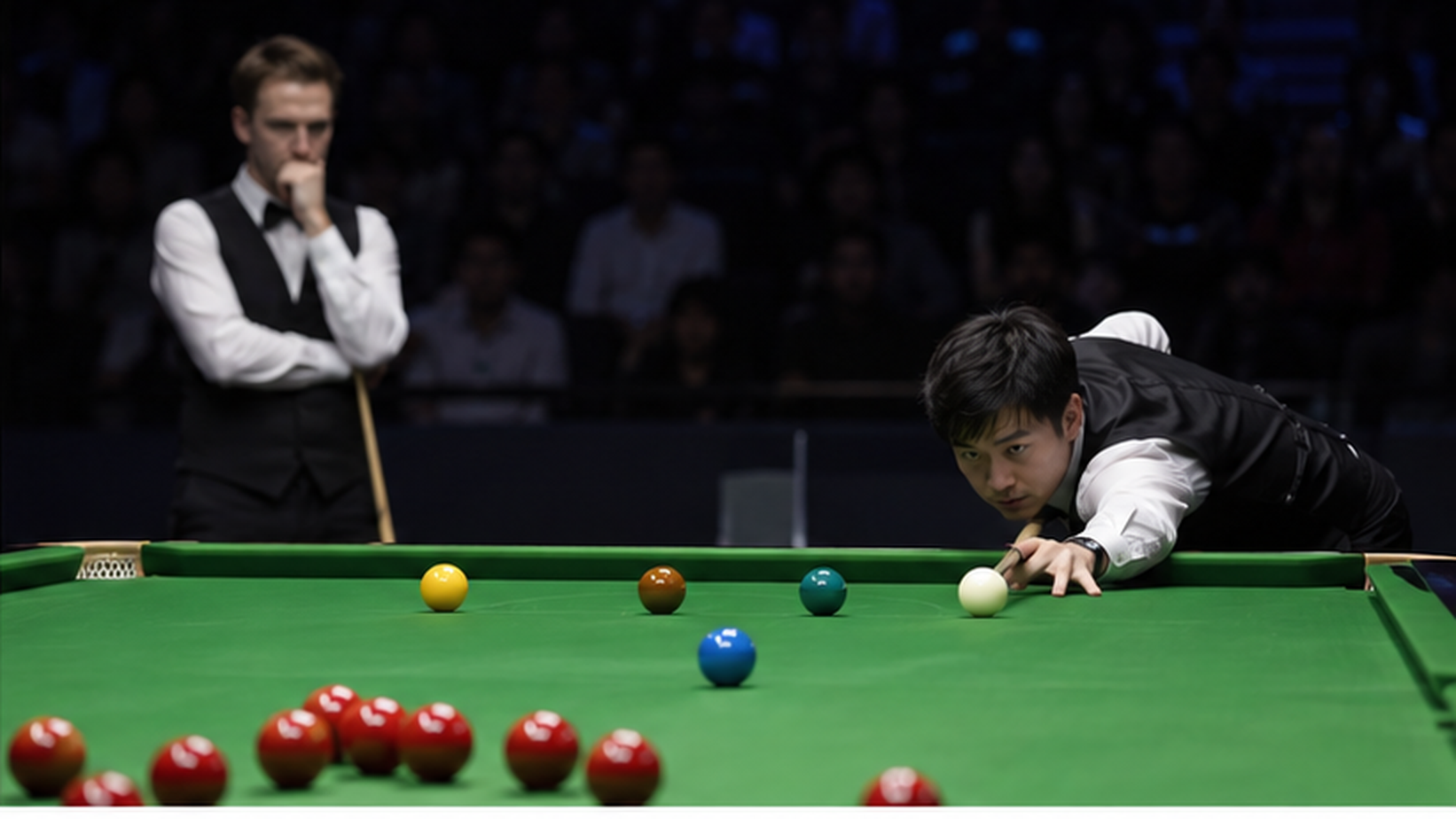
Against Maguire, Selby got the kind of match that suits him naturally. Longer frames and the battle for position let him build an advantage bit by bit. Against Trump, though, he will not be able to simply wait for a mistake. If he leaves a red open after a safety shot, the punishment can come instantly. Selby therefore has to combine discipline with enough attacking resolve, especially when he is handed a half-chance from middle distance.
The quarter-final draw was reshaped by the exits of Neil Robertson and Kyren Wilson. Chris Wakelin beat Robertson 5:2, winning four frames in a row, while Michael Holt eliminated Wilson by the same scoreline with a 126 break. Their victories show that a famous name is no guarantee of progress. Form on a given day and the ability to exploit a favourite’s weak spell matter more than a player’s place in the rankings.
The quarter-final opens the path to a major title
Whoever wins the Trump and Selby contest will gain a strong surge of confidence, but also a tough run ahead. Shenzhen offers a large prize and significant ranking points, so every frame feeds into the wider season. Trump is trying to turn good play into a ranking title, while Selby already has a trophy this season and wants to show consistency. Their contrasting styles make the result hard to predict, even if one arrives in better form.
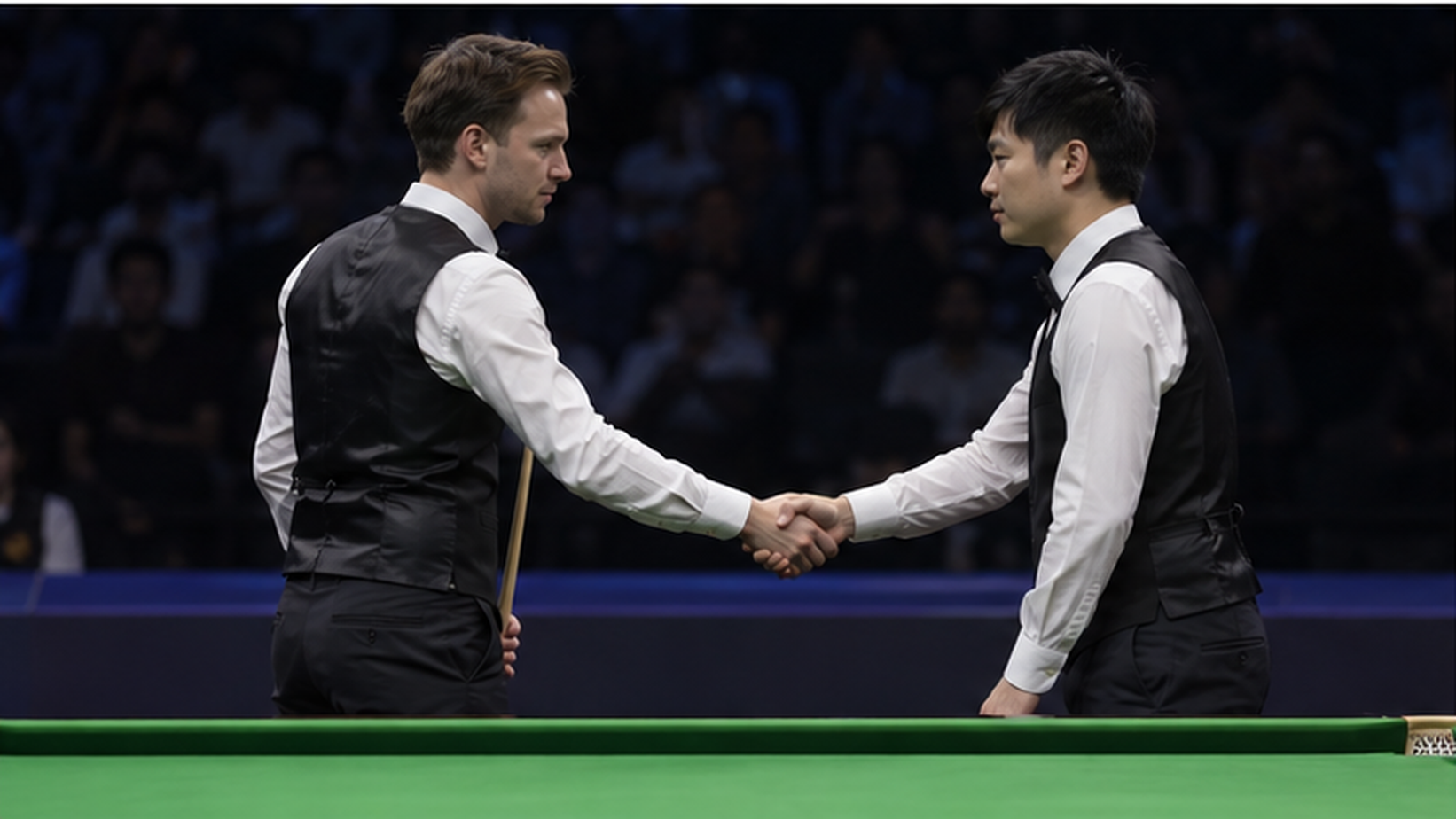
The opening stages will be especially important. If Trump gets an open table early, he can build a lead before Selby slows the tempo. If Selby takes the first complicated frames, the chance grows that his opponent becomes impatient. In a best-of-nine format there is little time for a big comeback. There are no time-outs, so a player has to halt a negative run himself through his shot selection and his movement around the table.
Shenzhen has already lost several favourites, but the quarter-final carries the weight of a late-stage major. Trump brings an attacking ceiling and the ability to change a scoreline quickly, while Selby offers control and endurance in tactical situations. The match will probably be decided by a few shots after which the table is left either open or completely locked. Whoever better recognises the moment to take a risk will take a big step towards the weekend’s final. A further factor will be the speed of the cloth and how the cushions react, which vary with conditions in the venue. Trump relies on precise cue-ball positioning across several shots, while Selby often chooses a controlled return to a safe zone. A few centimetres of difference can turn a continuing break into a difficult shot. The player who adjusts more quickly to the table will have the advantage before the tactical battle fully begins.