
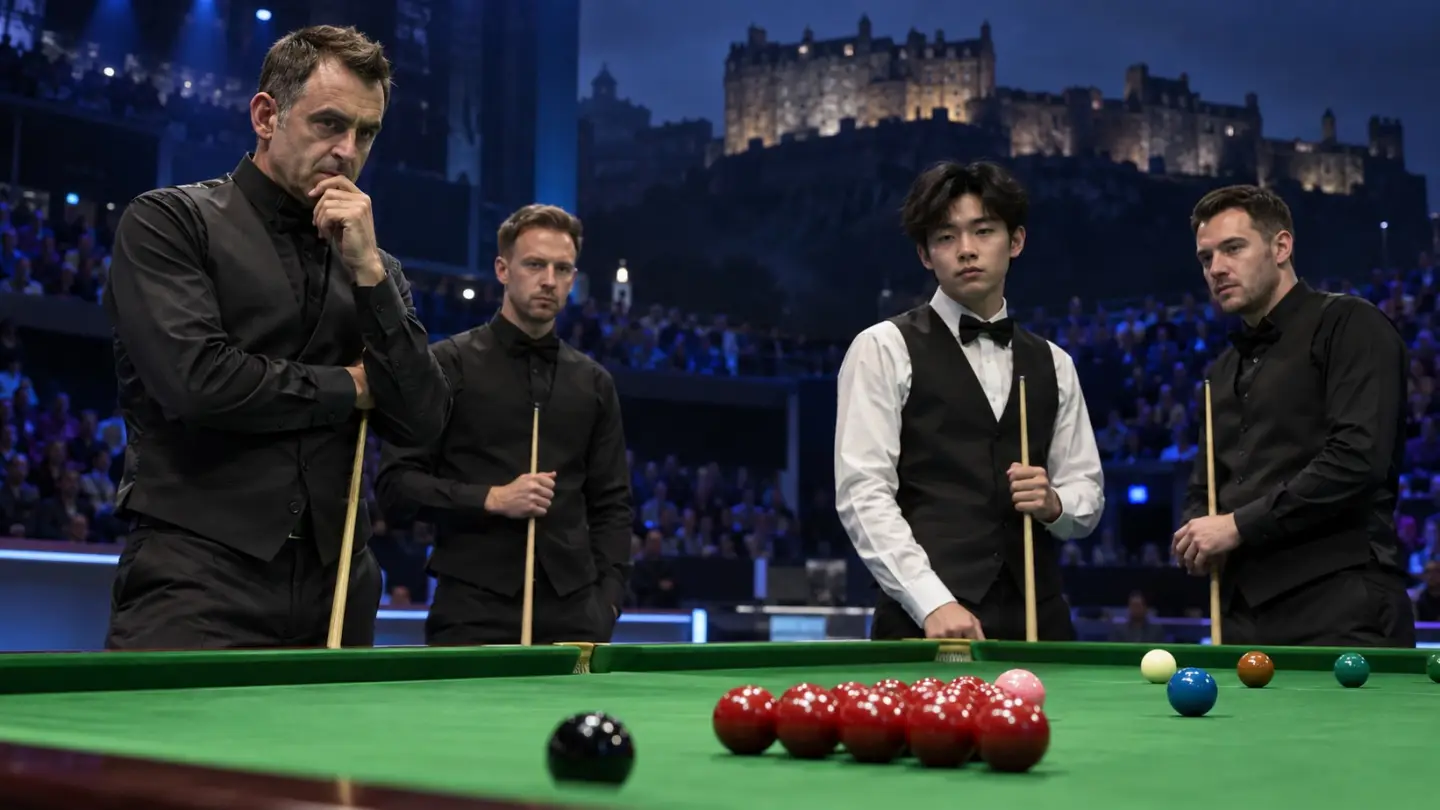
World Snooker Tour has released the draw and schedule for the Scottish Open, which runs from 14 to 20 December at the Macrobank Arena in Edinburgh. Home interest is led by John Higgins, while world number one Zhao Xintong, reigning world champion Wu Yize and defending champion Chris Wakelin also feature. The tournament marks its tenth straight year in the current format and forms part of the Home Nations series.
Wakelin opens his title defence against Chananphong Nasa, a year after beating Zhang Bingyu in the final to claim his second ranking title. Defending champions tend to attract extra attention, but a first match rarely rewards a slow start. Against a younger or less familiar opponent, the main risk is trying to win before the balls have been properly set up.
World champion Wu Yize plays Liu Hongyu, while Zhao Xintong faces Robbie Williams. Both matches test different demands. Wu must carry the authority of the world title into a new event, while Zhao, as the top-ranked player, is defending his consistency. Both will want to establish control early, because attacking quality only comes into its own after the first forced mistake.
The first two days bring straight away the matches of great champions
Higgins plays Julien Boyk on Tuesday evening. The Scottish crowd gives him energy, but it also raises expectations with every missed shot. His strength is the ability to win a frame without an open table: good safety, patience and precise long potting can reduce the chances a younger opponent gets from a simple layout.
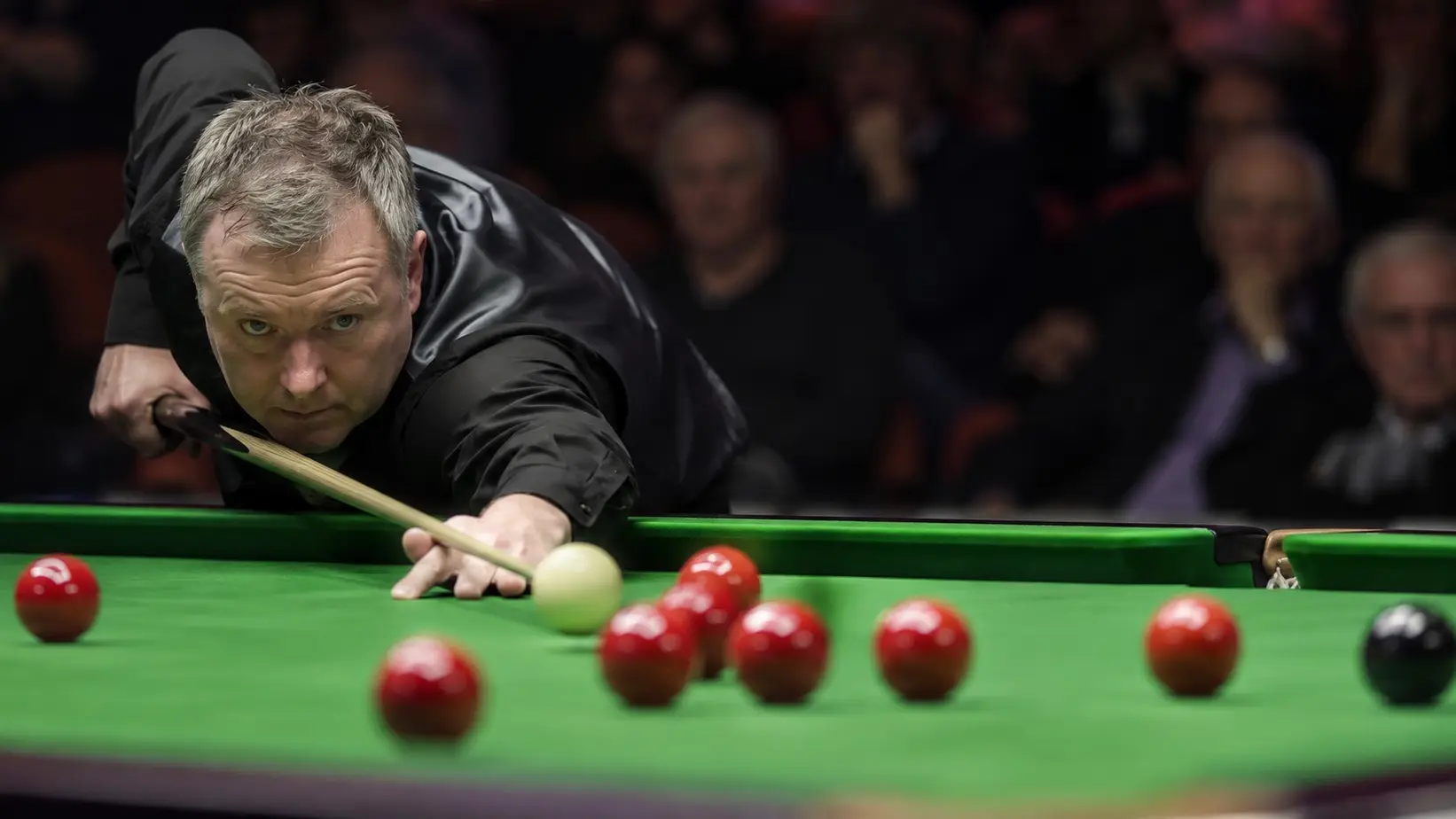
Among the other major matches are Mark Selby against Mateusz Baranowski, Neil Robertson against Yao Pengcheng, Mark Williams against Scott Donaldson and Kyren Wilson against Jordan Brown. Shaun Murphy plays Liu Haotian, while Stephen Maguire faces Ryan Day. The opening days therefore offer the crowd several styles, from tactical duels to quick builds of big breaks.
The prize fund is £550,400, with the winner taking £100,000. Ranking points carry financial weight too, particularly for players near the cut-off for the major tournaments. A single win can change their schedule for the second half of the season, while the favourites must protect points already earned and avoid an early defeat that carries through to the rankings.
The Stephen Hendry Trophy carries £100,000 for the winner
To judge the favourites, watch the percentage of long pots and the number of frames finished from the first serious chance. Big breaks draw the attention, but a missed opening red often hands over the whole frame. A player who regularly gets into a run after a good safety shot has a steadier base than one who relies on difficult attacking shots from a long distance.
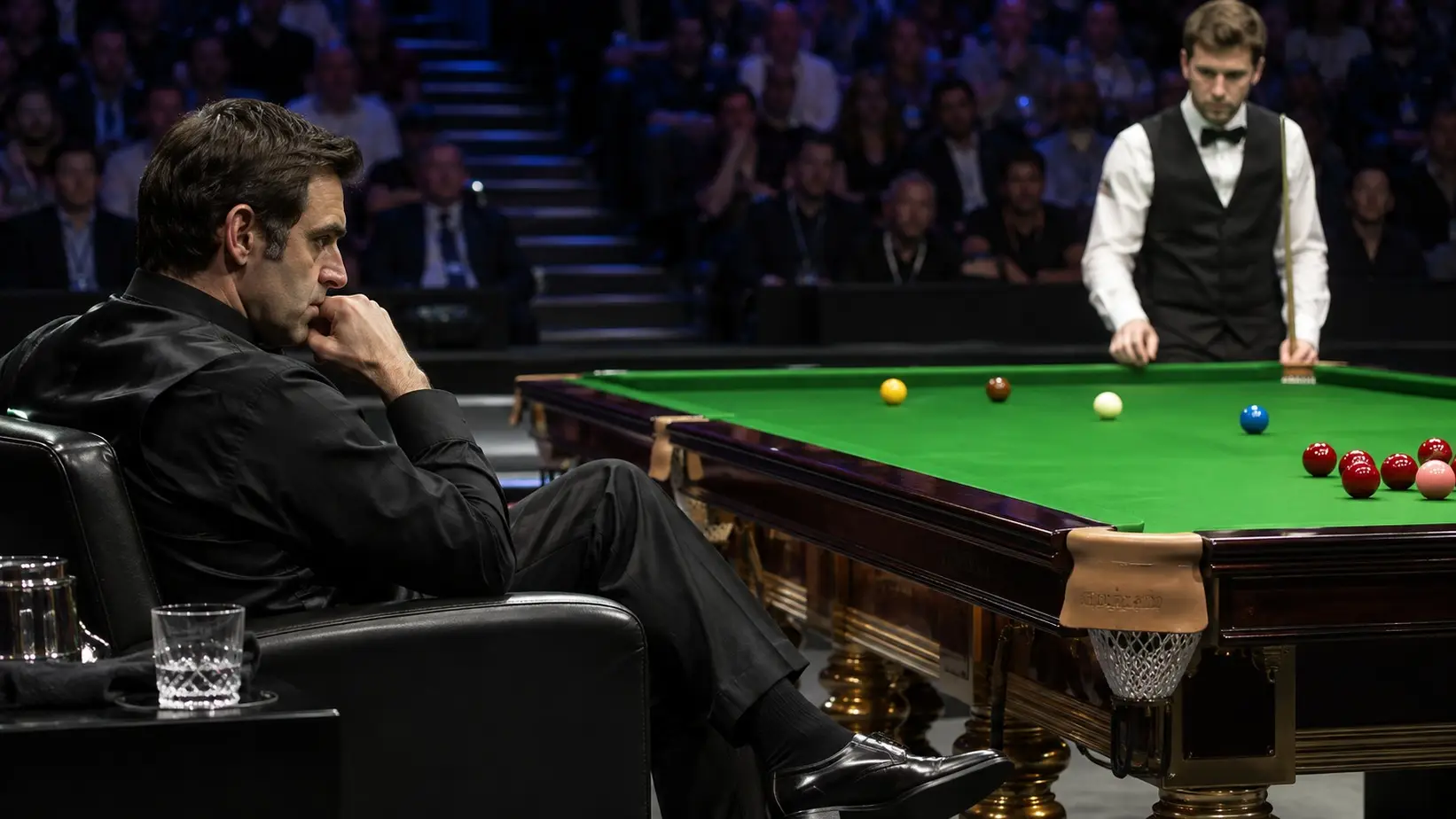
The second indicator will be the quality of play when the table is not open. The Macrobank Arena will not offer every player easy tables, and first-round pressure increases positional errors. Control of the cue ball behind a colour and patience in the exchanges can decide a match before a century appears. That suits experienced champions such as Higgins, Selby and Williams in particular.
The published draw gives players more than two months of precise preparation, but form in December remains more important than today’s ranking. The Scottish Open brings together the defending champion, a home legend and two current holders of the biggest titles. The winner of the Stephen Hendry Trophy will have to change style for each opponent over seven days while keeping the same standard of safety play and frame finishing.
Local conditions and the session schedule may also affect the rhythm. A morning match calls for an earlier warm-up, while an evening one brings a longer wait and more time to think. Experienced players usually keep their routine better, but every favourite must start the first frame with a clear sense of the table’s speed, rather than discovering it through a few missed shots.
The draw is known, but players should not prepare for the whole tournament in advance. The first opponent deserves full attention, and the next plan only makes sense after a win. That approach eases the pressure on a big name and brings the focus back to each individual frame.