
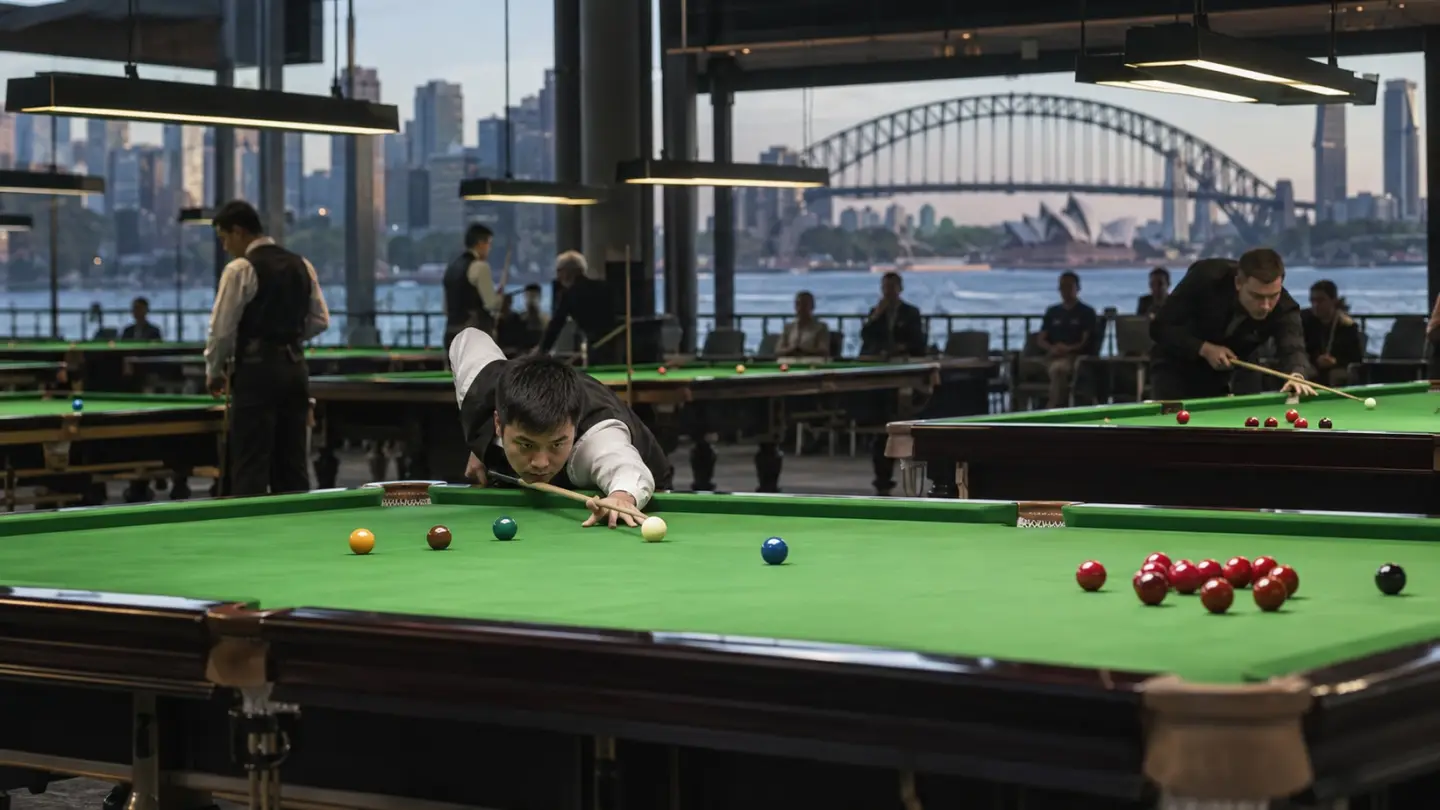
The event runs from 8 to 11 October and forms part of a regional route where overall performance can earn professional status. The confirmed date, result and line-up give a firm base, while any forecast should be kept apart from what has already happened. For the reader, the most useful thing is to see at once the reason for the story, the key change and the first next test. That way the piece stays clear even if circumstances shift later, and the assessment can be checked on the table. For that reason the next official update should confirm the consequence now marked as decisive.
Early rounds leave little room for a slow start, so warm-up has to check the pace of the table, the long red and control of the cue ball off the cushion. The difference shows most clearly in process: who sets the terms, who has to give ground first and how quickly a correction arrives. Two similar scorelines can come from very different quality of play. The analysis therefore looks for a cause that can be reproduced again, not an explanation based only on the last shot. Reading the event this way gives the reader a basis to understand both the result and the decisions that led to it.
A short format punishes a slow start to the match
Players need to combine safety and keeping the red away, and take an open chance to build from a realistic position rather than chase the maximum value. Tactical worth comes from sequence, not from the number of ideas. The competitor must first secure position and control, then attack the space that has genuinely opened. The coaching staff sets the signal for change in advance, so that one error does not trigger a chain of improvisation and pull the team or player away from the core advantage. Execution is then judged by clarity of decision, reaction time and the quality of position after the attempt.
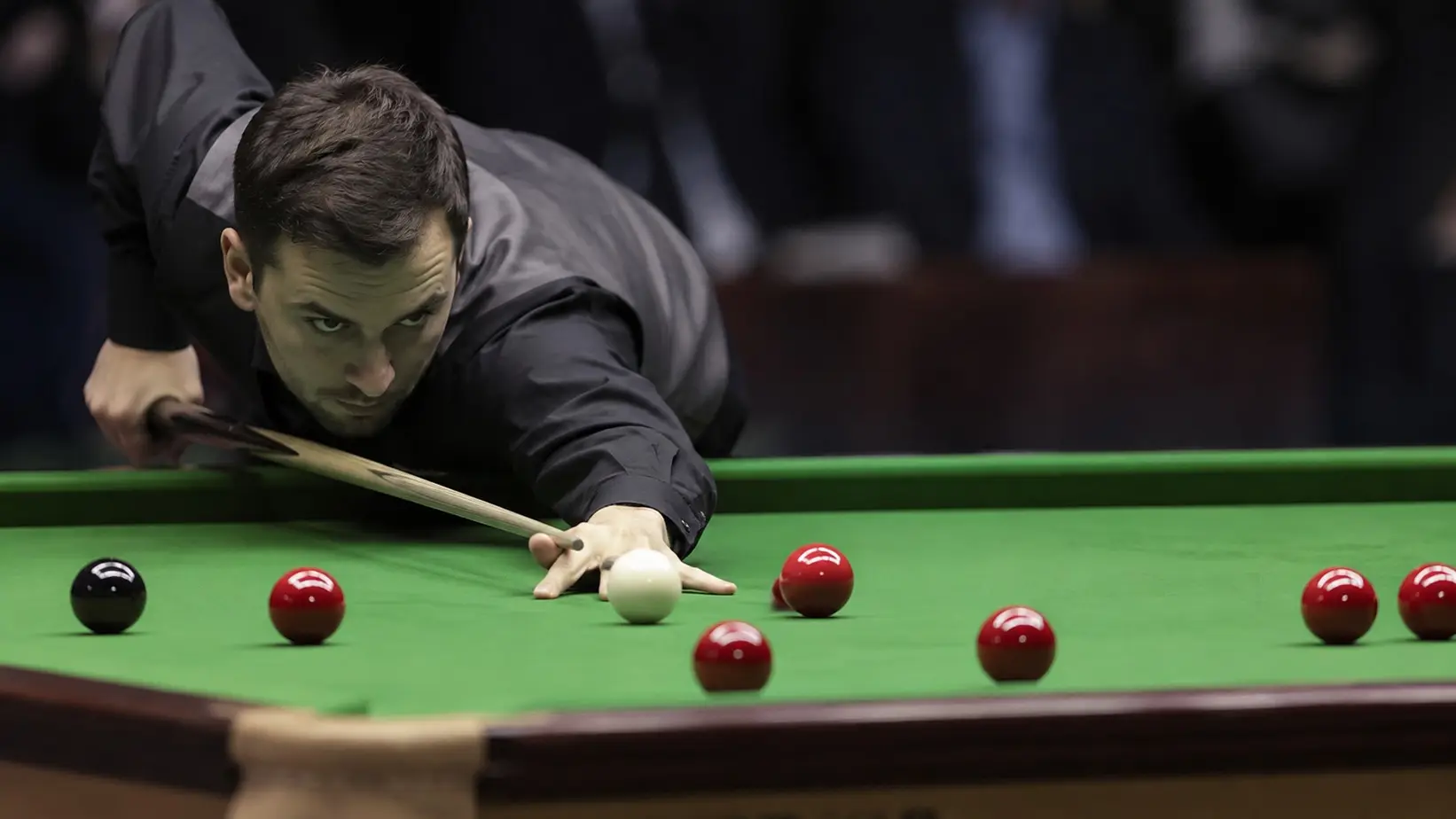
A single miss from an ambitious position can open the whole table, while passive safety that fails to hide the cue ball simply hands the initiative back to the opponent. Risk management decides how long a plan can survive. A neutral outcome sometimes preserves position, energy or possession for a better chance, whereas forcing play without preparation leaves an opening for a counter. The balance between gain and danger shifts with time and score, so the same decision is not equally sound at the start and in the closing frames. The true measure of discipline will be how many situations the danger was spotted before it became damage.
Points in Sydney carry weight across the whole season
Attention should go to long pots, points scored on entering, frames won from behind and the number of tactical exchanges that end with the first real chance. These figures allow the conclusion to be checked after the event. The final score shows the outcome, but only a comparison by session reveals where the advantage was built and whether it can be repeated. It is especially useful to separate the opening plan from decisions made when tired, because that is where the steadiness of technique and the quality of preparation become visible. If the measures are read in order, it will be clear whether the change was planned, temporary or accidental.
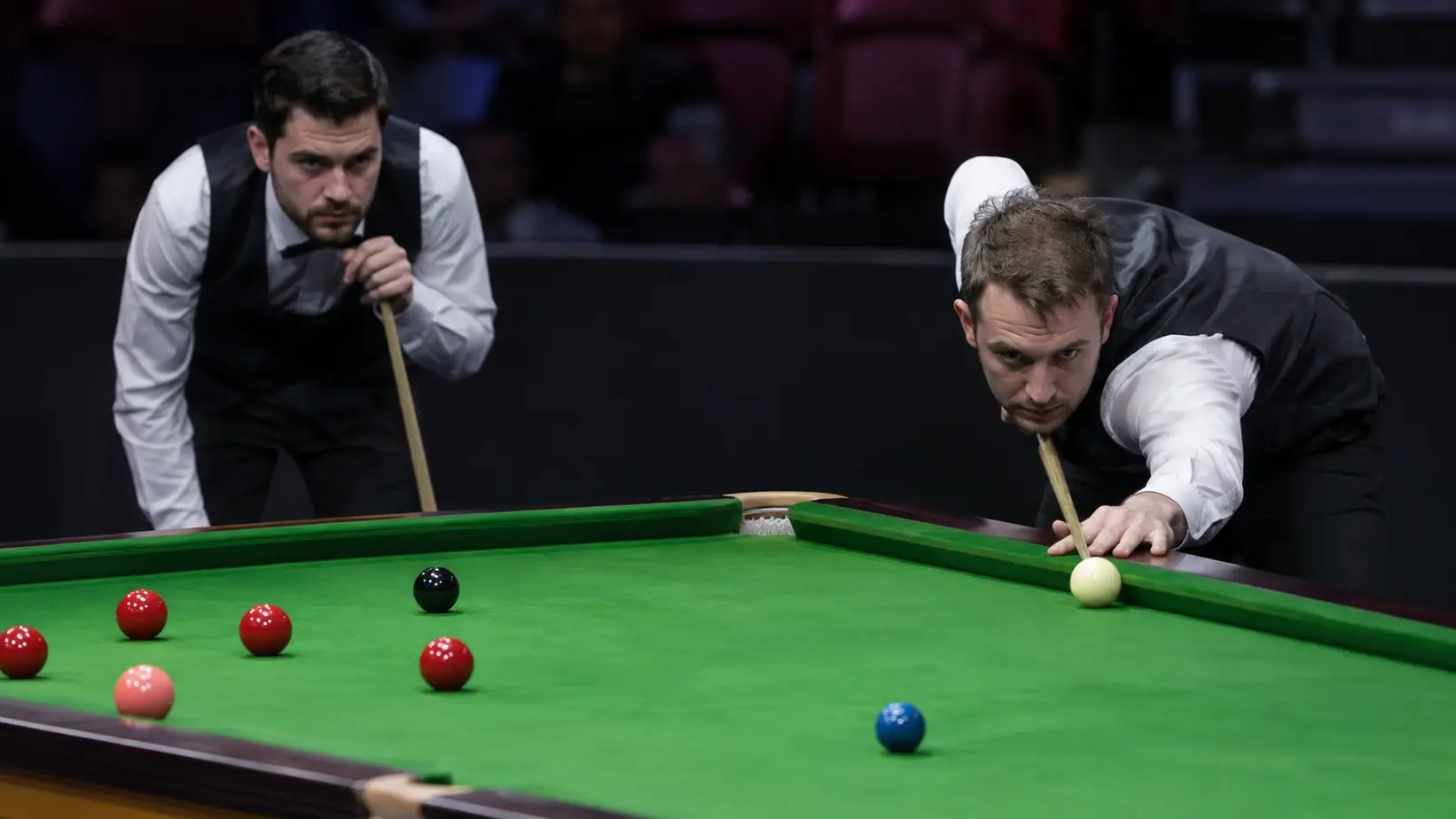
A deep placing eases pressure over the rest of the season; reaching several rounds again is worth more than one flash of form surrounded by early defeats. The significance does not end with the last point or decision. A good performance opens a new opportunity, but consistency is what confirms the change can last. A weaker result can still be useful if it produces two or three precise tasks. A broad rethink of everything usually hides the real cause and makes the next check harder. That follow-up gives today’s story lasting value and links the immediate outcome to the next realistic goal.
Sydney rewards the player who accepts that not every frame will be pretty and who repeats a correct safety shot, a sensible attack and a calm finish. The conclusion must therefore stay tied to the evidence currently available. The best next check uses the same control points in different conditions, so it becomes clear what belongs to quality and what to circumstance. Repeating a good pattern against a new challenge gives the assessment more weight than a single striking action. That is why the final judgement should only be updated once a new comparable figure emerges from the official event.