
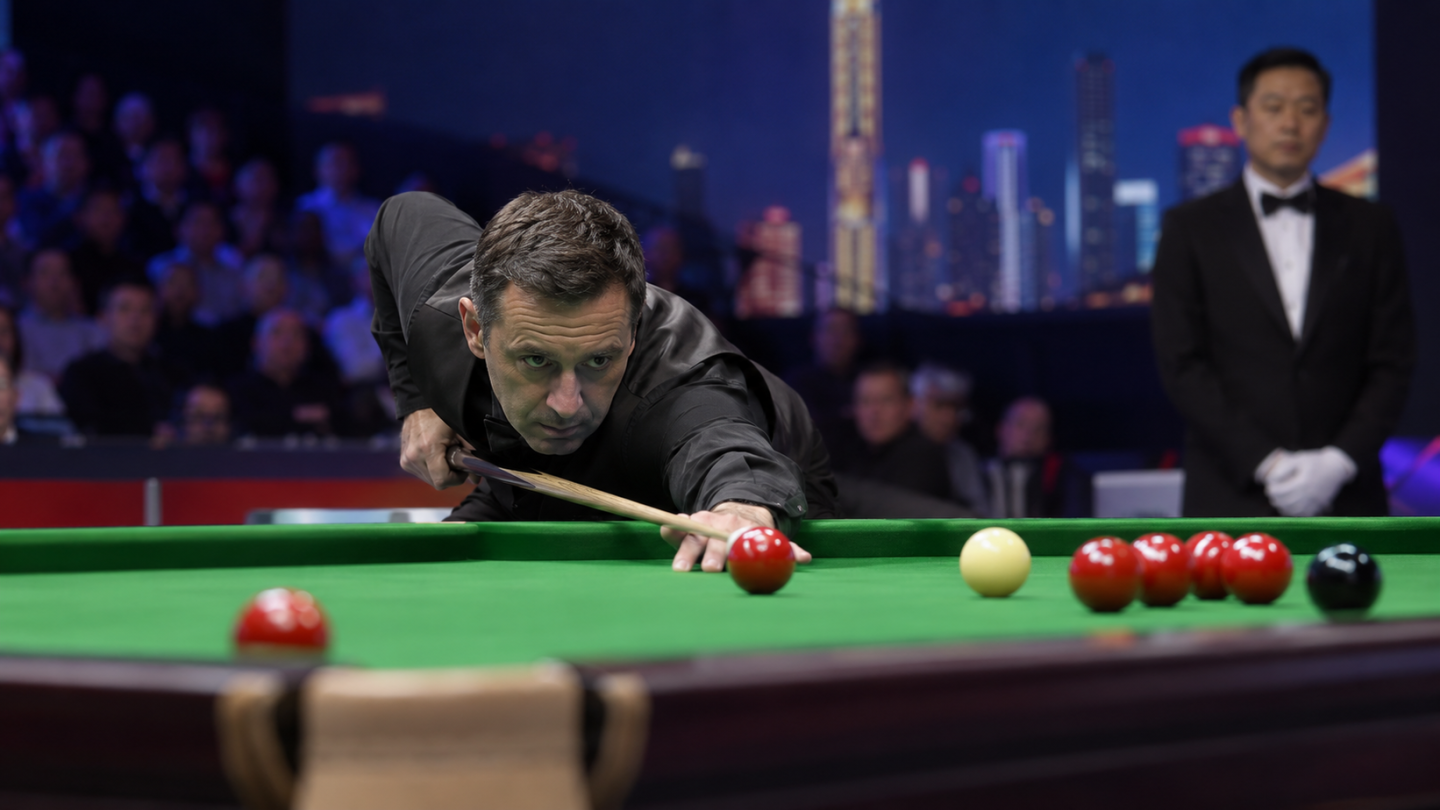
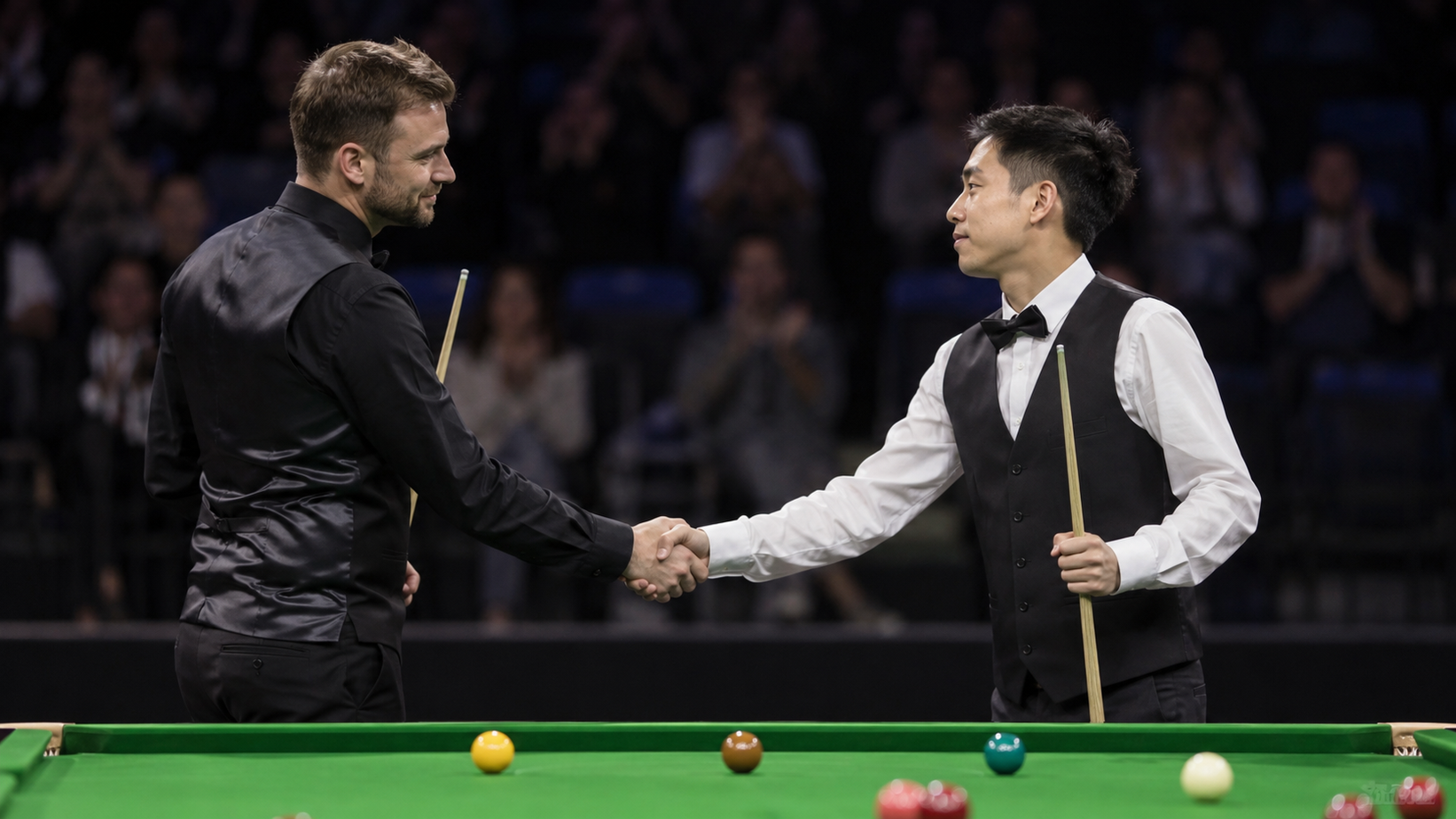
Jimmy Robertson beat Chris Wakelin 5:3 to reach the semi-finals of the Shenzhen Open. The Englishman held his lead in the quarter-final once the match turned into a tactical battle, and he was able to settle the closing frames without taking big risks early in the set.
Wakelin came into the event as the world No. 13, while Robertson had started the season much lower in the rankings, so the result carries real ranking significance. Beating a higher-seeded opponent brings him points, prize money and a chance to post the best result of the current season in the semi-finals.
The 5:3 scoreline shows this was no short, one-sided contest. Robertson had to mix open breaks with safety play and accept frames in which a first shot at the reds offered no clean chance. In a format like this, one poor decision can quickly hand the initiative back to the rival.
Safety play stopped Wakelin’s comeback
Robertson’s main edge was his control of the cue ball after a defensive shot. Rather than simply tucking a red away from an easy position, he tried to leave the white close to the cushion and limit the angle of his opponent’s reply. Wakelin was then more often forced into thin contact with no real chance of a counter.
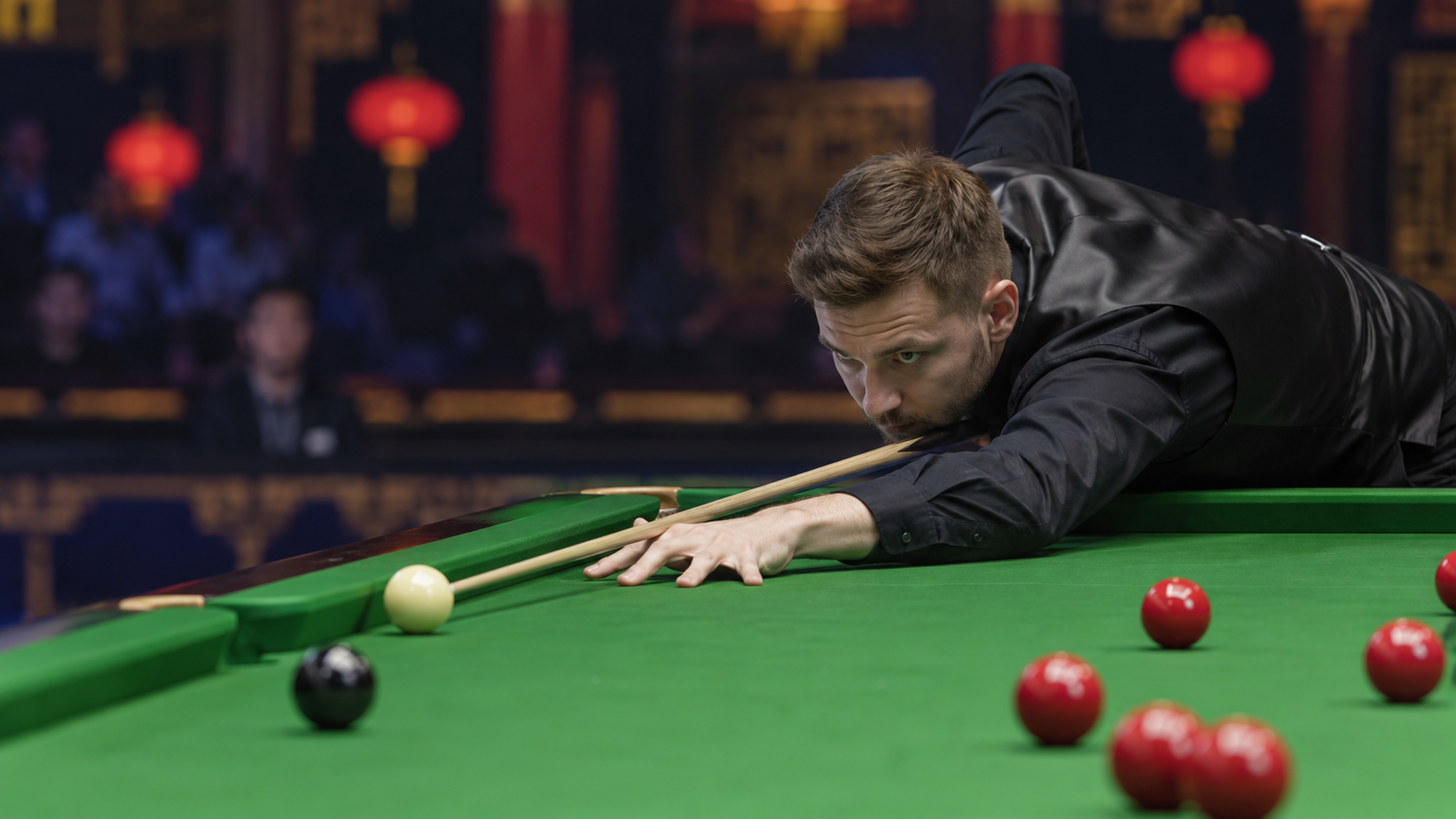
In his attacking sequences, he did not chase complicated combinations when the layout was unfavourable. On several occasions he ended a break and returned his opponent to a long red, protecting his lead in the frame. That decision looks less spectacular, but across a best-of-eight it carries great value.
Wakelin tried to speed up the match whenever he was given an open table. His ability to pot reds and blacks in sequence remained a threat, so Robertson could not fully relax. The key was that he did not hand over two easy chances in the same frame.
The semi-final opens an important ranking chance
For Robertson, the semi-final changes the way he must prepare. His next opponent will have enough footage to study his choices in safety exchanges, so the Englishman will have to introduce variation. Sometimes it will be more useful to return the white to the baulk, and sometimes to leave a difficult cut and force his rival into a decision.
The physical side of snooker also gains weight as a tournament goes on. Long matches and late finishes affect the precision of a player’s stance, especially on shots along the cushion. Recovery, sleep and a short warm-up can decide the few percent that separate a good stroke from a clean one.
The 5:3 win is therefore more than a ticket to the next round. Robertson showed he can withstand pressure against a player from the world’s top 16 and change his style within the same match. If he keeps the same shot selection, the semi-final gives him a realistic chance to post a result that could shift the course of his season.
Ahead of the semi-final, Robertson should keep the routine that carried him to this win: the same pre-shot preparation, a steady pace around the table and a clear decision on when a sequence should stop. Trying to play faster because the stakes are higher could disturb his cue-ball control. If the first frame runs long, patience will matter more than first impressions. A semi-final is won through a series of good decisions, not one early big break. His next outing or the official result will show how far this conclusion holds under new pressure. The numbers should be read together with the quality of the opponent, the conditions and the choices made at the decisive moments. It is important to separate the current result from the long-term trend: one success confirms good preparation, but only repetition shows stability. The coaching staff should therefore track a few clear indicators, compare them with the previous outing and change only what has proven to be a weak point. That approach protects confidence while still leaving room for progress. The reaction of direct rivals will also matter, because a plan changes as soon as an opponent recognises a successful pattern. For that reason the analysis should include the situations in which the original plan did not work. The best performances come when a player or team can hold on to their core strengths while making a small, well-timed adjustment during the event.