
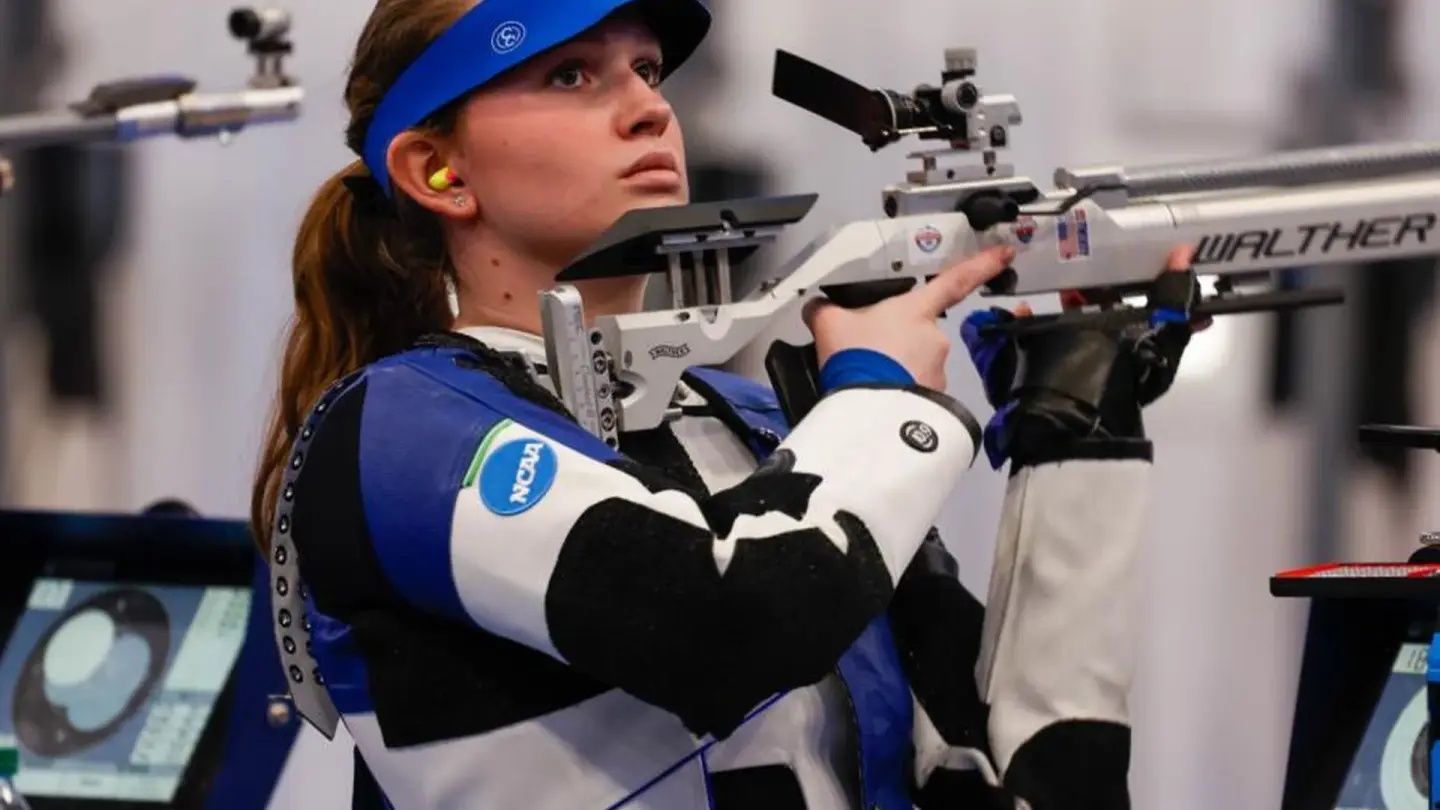
The Cup C final in the standard air rifle will take place on 4 October at the SD Pančevo 1813 range. Shooting begins at 10 o’clock and is divided into pioneer, junior and senior categories. Entries close on 29 September, and each competitor must hold a valid medical examination and a competitor identification card.
Each age category receives its own shooting slot
Pioneers, juniors and seniors will shoot in separate sessions. This arrangement gives every group its own space and a clear preparation window, but it depends on precise entry. If one group runs late, the delay can carry into the next unless equipment and firing lines are cleared on time.
Clubs should check arrival order, transport and warm-up time well in advance. A competitor who reaches the venue just before the roll call may have all the equipment but lacks the calm needed for a steady first shot. Good logistics begin before the team leaves for Pančevo.
Paperwork is part of sporting safety
The invitation specifically requires a valid medical examination and a competitor identification card. These conditions are not administrative hurdles to be sorted out at the door. The medical check confirms fitness to compete, while the identification allows accurate registration of competitors and recording of results.
Coaches should verify documents several days before the deadline, not on the morning of the event. If something is missing, there is still time to correct it. That order spares athletes unnecessary stress and lets organisers focus on running the programme safely.
| Detail | Information |
|---|---|
| Date | 4 October |
| Start | 10.00 |
| Venue | SD Pančevo 1813 |
| Categories | Pioneers, juniors and adult competitors |
| Entry deadline | 29 September |
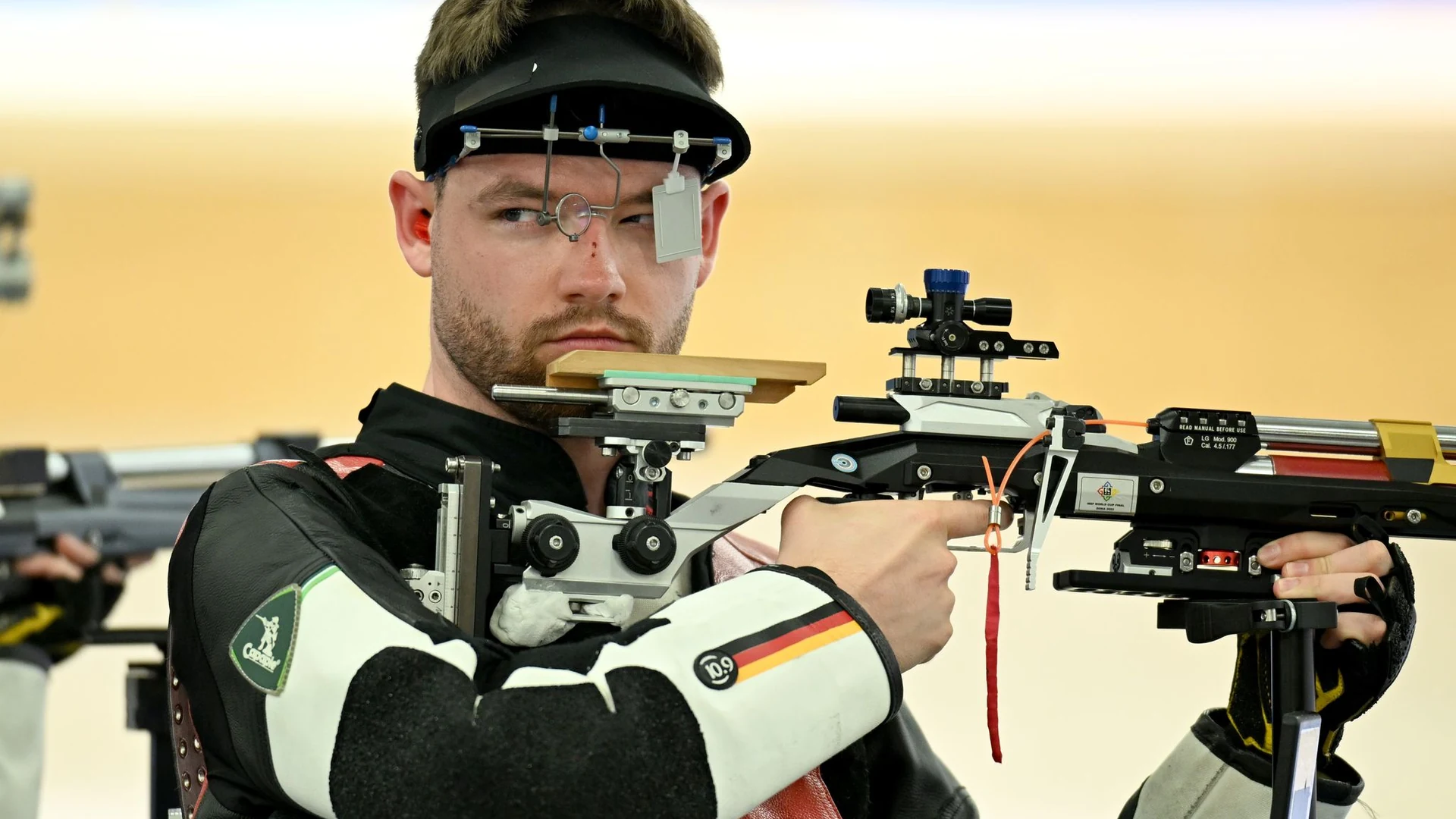
Clubs need to put the team together with care
The entry fee for a six-member team is 6,000 dinars. A club does not simply pick its strongest individual shooters. It must build a line-up that covers the required categories and can last the full programme. Each member needs to know whether their score counts towards a particular team total.
Younger competitors feel more secure when they travel with a clearly organised squad. The coach can assign responsibility for checking equipment, paperwork and warm-up. That reduces the chance that a small oversight undermines a performance an archer has been preparing for over a long period.
Steady technique matters more than expensive kit
The C programme rewards calm posture and consistent routine rather than costly equipment adjustments. Foot position, support, breathing and the squeeze of the trigger must be repeated without sudden acceleration. One shot in the centre of the target counts for little if two imprecise shots follow it.
Competitors should use the time between shots to check their position, not to dwell on their overall placing. A score is built from a series of small, controlled actions. If an error appears, returning to the basic routine is more reliable than making a major change of stance in the middle of a round.
The entry deadline leaves room for a final check
Entries are accepted until 29 September, five days before the final. Clubs therefore have enough time to confirm their line-up but cannot leave the decision to the last moment. An early list helps the organiser prepare start lists and allocate firing positions.
Up to 4 October, training should focus on consistency rather than a major technical overhaul. Pančevo will bring together different age groups on the same programme, and the winners will be those who can carry out a familiar routine under competitive pressure. That is the real value of the Cup C final. Splitting the programme into three categories makes organisation easier, but clubs must check arrival times, equipment and the documents of every competitor in advance. Pioneers in particular need a quiet space to prepare before stepping onto the line, while junior and senior competitors should expect conditions in the hall to change as the day goes on. The entry deadline is more than a formality: the final number of participants determines the allocation of positions and the pace of the whole event. Coaches should therefore confirm medical examinations and identification cards before the journey, not at the entrance to the range. During the actual shooting, repeating the same procedure matters most. A standard air rifle punishes the urge to rush a weaker shot with a hurried one that follows. A competitor who keeps the same stance, breathing and trigger preparation has a better chance of completing the series without a large drop in score. After entries close, organisers need to confirm the schedule by group and leave enough time to replace a competitor on the line. Clubs, for their part, should prepare an equipment list and spare parts permitted under the rules. With younger participants, the coach must reduce unnecessary haste and explain when a technical problem should be reported. Senior competitors may be better placed to judge changes in light and temperature in the hall, but they too should not skip the practice shots. The Cup C final will be of higher quality if the organisational side runs smoothly and the result is decided by technique and composure on the firing line.