Crvena Zvezda and Partizan under-17 teams finish a disciplined derby without a goal
- Author: SerbianSport
- SerbianSport
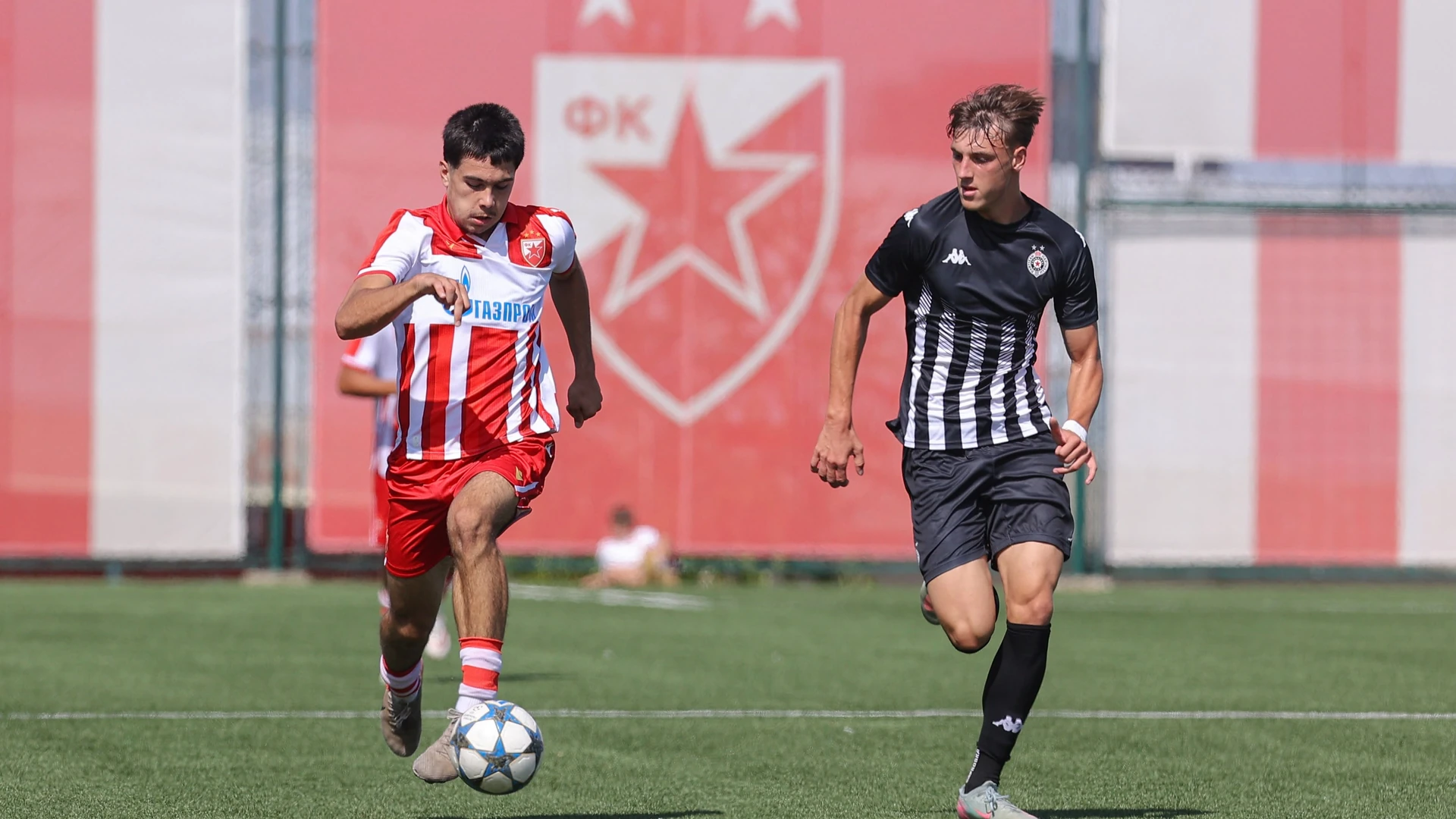
Crvena Zvezda and Partizan drew 0-0 in the seventh round of Serbia's under-17 league. Zvezda created several promising situations early and continued to look for a controlled route through a compact opponent. Neither side converted its best moments, and the derby became a useful test of patience, defensive spacing and decision-making for players preparing for senior football.
Zvezda began with the clearer attacking intention
The home side moved the ball forward quickly without relying on hopeful long passes. Early chances came from supporting the player in possession and arriving around the box together.
Partizan protected central areas and forced several attacks toward less dangerous angles. The balance made the opening useful even without a goal. Zvezda's early initiative came from moving the ball before Partizan's block could settle. The approach created promising entries, but the final pass or touch arrived under enough pressure to keep the score unchanged. The early pressure also tested whether Zvezda could keep enough players behind the attack. That balance mattered whenever Partizan cleared the first pass and looked for space before the home side recovered.
Patience was essential while the match remained goalless
A youth team can lose its structure when the first opportunities are not converted. Zvezda instead continued to build and searched for a better final pass.
Partizan resisted the urge to chase the ball with too many players. That discipline kept both teams close enough to respond after possession changed. A young team can mistake a goalless match for a demand to attack faster. The better response is to preserve spacing, move the opponent and wait until a defender has to leave the line before forcing the decisive pass. Patience did not mean passing without ambition. It meant moving the block until a lane appeared, then accelerating with enough support to continue if the first attempt was blocked.
Defenders learned through repeated decisions
Neither team conceded because every defensive line worked together, not because of one isolated save. Centre-backs had to judge when to step out and when to protect the space behind them.
Full-backs balanced support in attack with the need to recover after a turnover. Those choices are central to development because the same situations return at senior level. For the defenders, the derby repeated choices about when to step forward and when to protect depth. Those decisions build habits that become more important at senior level, where one late movement is punished more consistently. Partizan's defenders gained the same educational value by protecting the box without following every movement. Holding the line and handing responsibility for runners from one defender to another prevented one decoy from opening the centre.
The substitutions tested adaptation
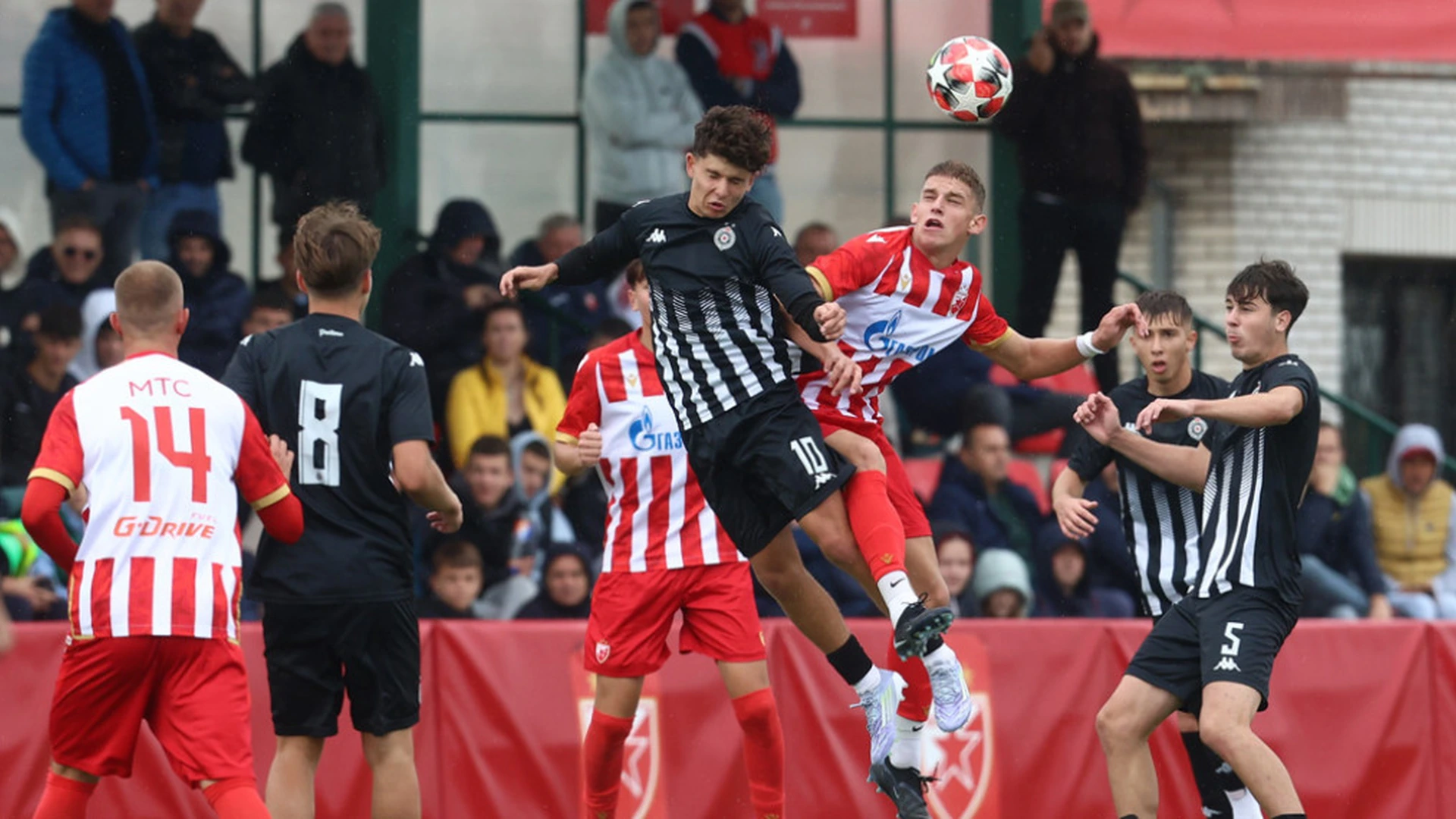
Fresh players changed the speed of several duels late in the match. Both benches needed to preserve the team shape while adding energy.
A substitute can help most when he understands the current problem before demanding the ball. The final phase remained competitive because neither side treated the draw as permission to stop playing. Substitutions changed individual matchups without changing the need for collective distances. New players had to recognise the press, the safe passing option and the space behind them immediately rather than waiting several minutes to enter the rhythm. Fresh players had to join a derby already defined by small margins. Their first few actions were therefore important evidence of concentration, not merely a period for physical adjustment.
A goalless derby can still produce evidence
The result does not offer the emotional reward of a winner. It does show which players remained calm in an important youth fixture.
Coaches can use the missed opportunities to improve spacing and finishing without ignoring the defensive work. The next step is to turn the same controlled approach into clearer chances. The 0-0 result still gives both academies useful evidence. Coaches can review how attacks reached the final third, why the clearest chances remained unfinished and which players kept making sound decisions after fatigue increased. Finishing remains the obvious area to improve, but the review should also preserve the choices that created those moments. Better execution is easier to add when the route into the chance is already sound. The next training session can recreate those entries and ask for a calmer final touch. Repetition can turn the same opening into a goal next time. Both teams can measure that progress against the quality of the chance, not only the final score.
Discuss the news - leave a comment!
Go to comments ↓
Comments
0