Ten-player Partizan recover to draw 4-4 against Radnik in Surdulica

- Author: SerbianSport
- SerbianSport
Partizan earned a 4-4 draw away to Radnik after playing with ten men from the first half and twice falling two goals behind. Erik Kojzek opened the scoring, but the hosts built a lead before the interval. Demba Seck, Marko Simic and Lima drove the response, and the final point reflected a team that kept attacking without losing all defensive structure.
The first lead did not make the match comfortable
Kojzek finished Partizan's early attacking move after Miladinovic had already struck the crossbar. Radnik answered by using the space around the visitors' midfield.
Three home goals changed both the score and the emotional direction of the game. Partizan had to rebuild its plan instead of chasing the next attack in panic. Partizan's opening goal came from a move that reached the dangerous area before Radnik could settle. The lead did not remove the hosts' ability to play forward, and the visitors soon had to defend longer sequences instead of controlling the pace through possession. Radnik's quick response showed why the first goal could not become permission to slow down. Partizan lost control of the spaces around its midfield and allowed the hosts to attack before the visitors had rebuilt their shape.
The red card made every defensive run harder
Milan Vukotic's dismissal left Partizan with ten players before the interval. The side still needed enough width to progress while protecting the centre with one fewer player.
Poorly coordinated pressing would have opened a direct route toward goal. The response therefore depended on coordinated movement rather than effort alone. Playing with ten men changed the distance each midfielder had to cover. Partizan could not press every pass, so the team had to choose moments, protect the centre and accept that some wide possession would belong to Radnik. The red card also changed substitutions because every new player had to solve an attacking need and a numerical weakness. Energy alone was not enough; each run needed cover from the remaining midfielders.
| Match phase | What changed |
|---|---|
| Opening | Partizan scored first |
| Before half-time | Radnik led and Partizan lost a player |
| Second half | Partizan twice recovered a two-goal deficit |
| Final result | 4-4 |
Seck and Simic restored belief after the break
Seck reduced the deficit and gave Partizan an immediate reason to keep the line higher. Simic then brought the scores level before Radnik moved ahead again.
The sequence showed that the visitors could create chances without abandoning their remaining defensive positions. It also forced Radnik to defend transitions instead of simply managing the ball. Seck's goal reduced the deficit and gave the next attack a practical target rather than vague urgency. Simić then made the comeback possible by arriving in the right area, showing how coordinated movement can preserve threat even with one player fewer. The comeback goals restored belief because they came from structured attacks. Partizan moved Radnik's line, supported the receiver and reached finishing positions with more than one player available.
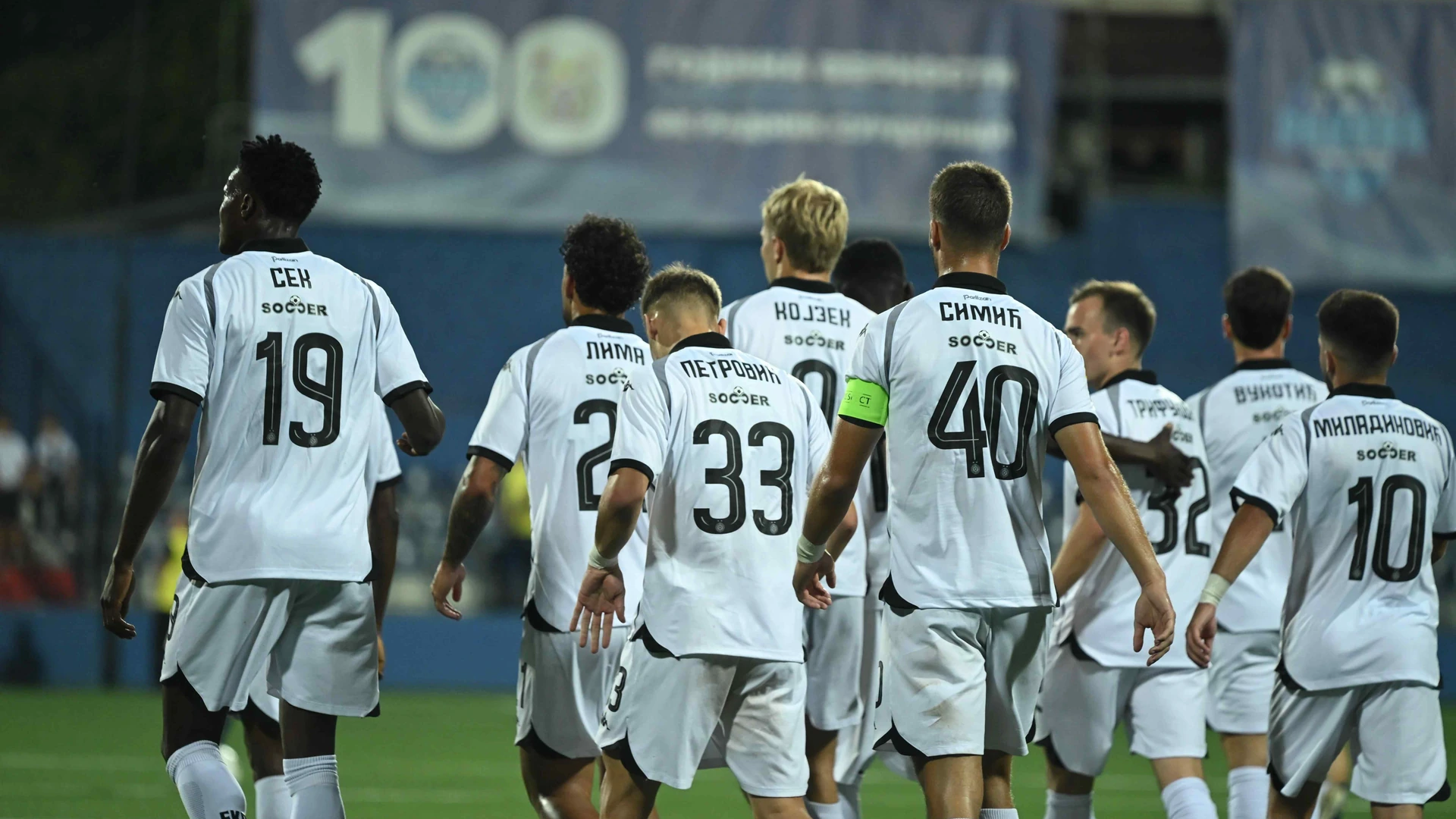
A goal by Lima completed the second comeback
Lima's goal answered another Radnik strike and produced the final 4-4 score. Partizan came within one goal of taking the lead despite playing with ten men.
The draw rewards resilience, but four goals conceded still require a direct review. Both truths can be kept in the same assessment without exaggerating the result. When Radnik moved ahead again, Partizan avoided turning every possession into a hopeful delivery. The equaliser by Lima completed a second recovery because the visitors continued to place support around the ball and kept enough structure to sustain another attack. Lima's equaliser prevented a brave response from ending without reward. It also confirmed that the visitors could continue making clear decisions after the emotional cost of falling behind again.
The lesson is about control under pressure
Partizan proved that a difficult match can remain open when roles are clear. The team must now study why Radnik repeatedly reached valuable shooting positions.
Attacking courage will be more useful when the first defensive action is cleaner. The point in Surdulica matters most if the response becomes a repeatable standard rather than a one-off escape. The point rewards resilience, but the four goals conceded cannot be separated from the review. Partizan must keep the competitive response while reducing the spaces that allowed Radnik to rebuild a two-goal advantage more than once. The coaching task is now to separate courage from avoidable chaos. Keeping the first quality while correcting the second would make future responses less dependent on scoring four times away from home.
Discuss the news - leave a comment!
Go to comments ↓
Comments
0