Tarkett win the Serbian sprint team title while Dunav collect the most medals
- Author: SerbianSport
- SerbianSport
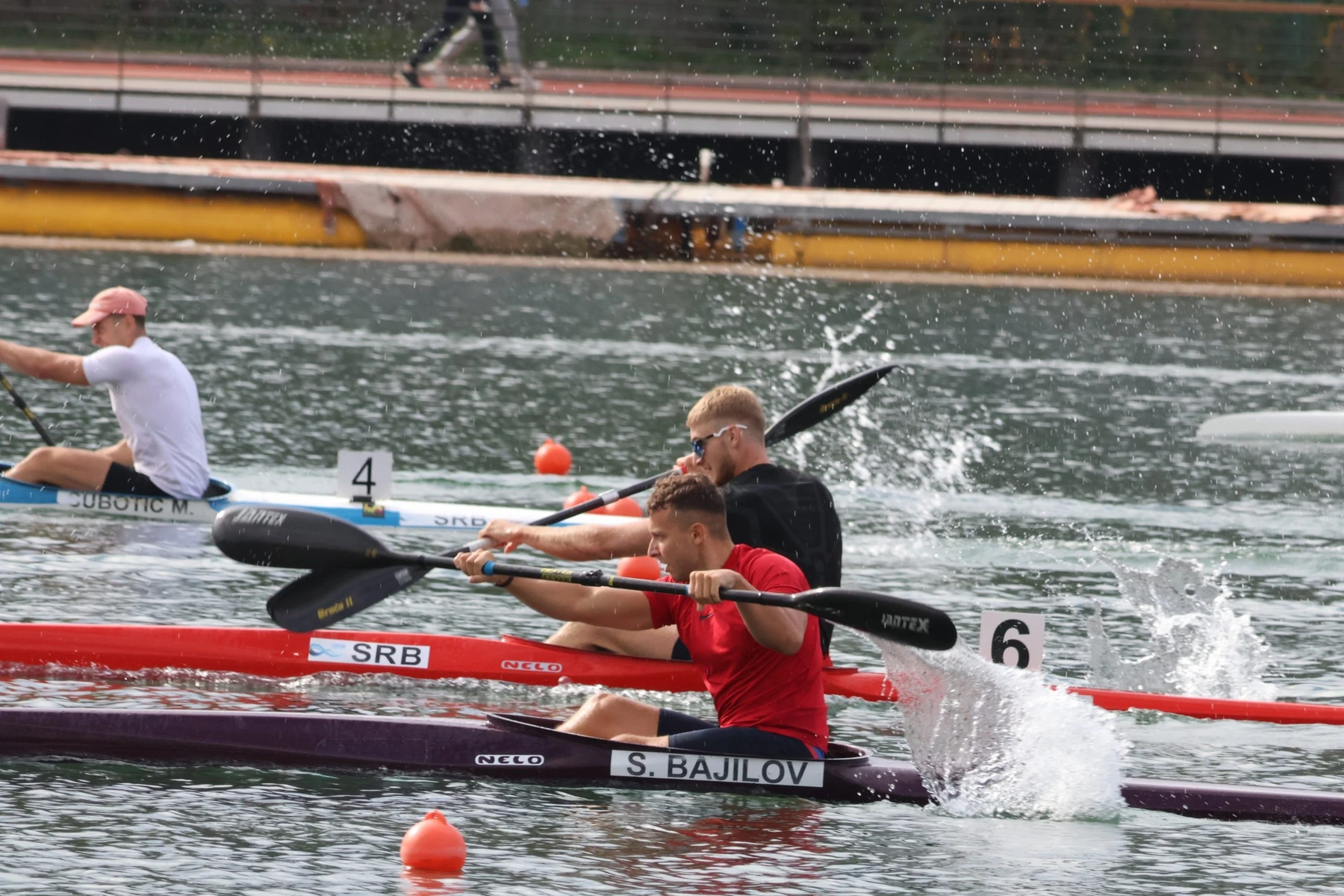
Tarkett became Serbian team champion at the national canoe sprint championship held at Ada Ciganlija from 1 to 4 September. Athletes from 23 clubs competed across pioneer, cadet, junior and senior categories. Dunav finished the event with the largest total number of medals, while the team ranking rewarded results across the full program rather than one race or one age group.
A team title measures depth across the program
Tarkett's championship is not the result of one final. A club needs entries that can score in different boats, distances and age categories. Coaches must decide where an athlete has the best chance to contribute without creating an excessive schedule. The final team table therefore rewards preparation before the event as well as execution on the water. One star can change several races, but a national team title usually requires reliable results from a much wider group.
Dunav's medal total describes another kind of strength
Dunav collected the most medals, while Tarkett led the team championship. Those statements can both be correct because medal count and competition points do not always value every placing in the same way. A club may win many medals in events that contribute differently to the overall table, while another can collect stronger points in key finals. The distinction should remain clear instead of forcing the two measures into one invented ranking.
| Championship detail | Confirmed information |
|---|---|
| Dates | 1-4 September |
| Venue | Ada Ciganlija regatta centre, Belgrade |
| Clubs | 23 |
| Team champion | Tarkett |
| Most medals | Dunav |
Four age categories share one national event
Pioneers, cadets, juniors and seniors competed at the same regatta centre. The program lets younger athletes see the standard of experienced competitors and gives clubs a direct view of their development pipeline. Coaches still need age-appropriate expectations. A pioneer final should not be assessed by the same physical output as a senior race. Technique, pacing and the ability to follow a race plan can show progress even before an athlete reaches the highest category.
Ada Ciganlija supports a demanding schedule
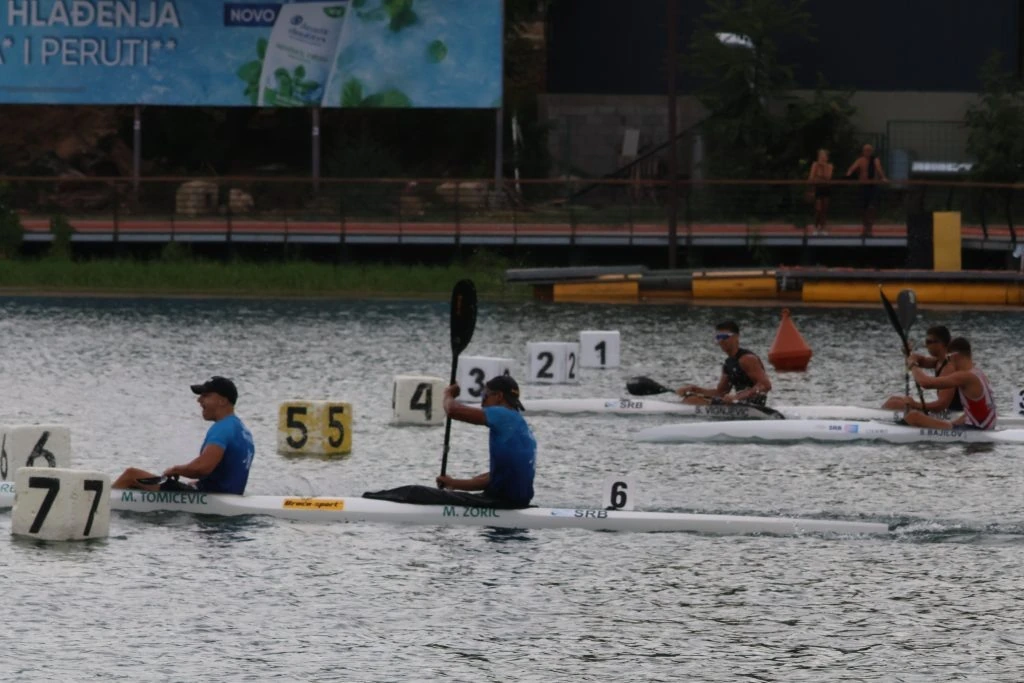
A four-day championship requires organized starts, safe movement on the water and enough recovery between events. Conditions can change across a day, so comparisons should use official results rather than visual impressions from different sessions. Wind and lane position may influence how a race looks, but every athlete still has to execute the assigned plan. The Belgrade regatta centre gave 23 clubs one shared setting for a broad domestic test.
Crew boats turn individual form into coordination
Sprint canoeing includes races where several athletes must apply power at the same rhythm. A crew with strong individuals can lose speed if timing breaks under pressure. Training therefore includes starts, rate changes and the moment when the boat settles after acceleration. At a national championship, those details also reveal how well athletes from a club have prepared together. Team results become stronger when individual and crew programs support one another rather than compete for attention.
Official result files preserve the full picture
The Serbian federation published separate documents for qualifications, finals and team standings across the categories. Those files should be used when a reader needs an exact placing. A short news article can explain the overall winners, but it cannot safely compress every race into one table. Linking each claim to the correct official document avoids mixing a heat time with a final result or assigning a junior placing to the senior ranking.
Domestic competition supports international selection
A national championship gives selectors recent evidence on form, technique and performance under a full program. It is not automatically the only selection trial, because federations may combine several events and training assessments. Athletes who performed well at Ada Ciganlija strengthened their case and gave coaches new comparison points. Those who missed a target also received precise information for the next training block instead of only a general impression from practice.
The event leaves clubs with two useful summaries
Tarkett can point to the national team title, while Dunav can point to the largest medal collection. The wider success is that 23 clubs brought athletes from the youngest national category through senior level. That range makes the championship a measure of the sport's domestic structure. The next step is not to repeat every number, but to study where each club scored, which crews improved and which athletes are ready for stronger international tests.
The two awards describe different kinds of depth
Tarkett's team title reflects the competition's scoring system, while Dunav's medal total shows how often its crews reached the leading positions. Neither fact cancels the other. Clubs can use the distinction when reviewing the championship: one may study points across events, another may examine conversion from finals into medals. Reporting both measures gives a clearer picture than forcing every result into one overall ranking.
Discuss the news - leave a comment!
Go to comments ↓
Comments
0