Four Serbian judokas leave Taranto with two silver and two bronze medals
- Author: SerbianSport
- SerbianSport
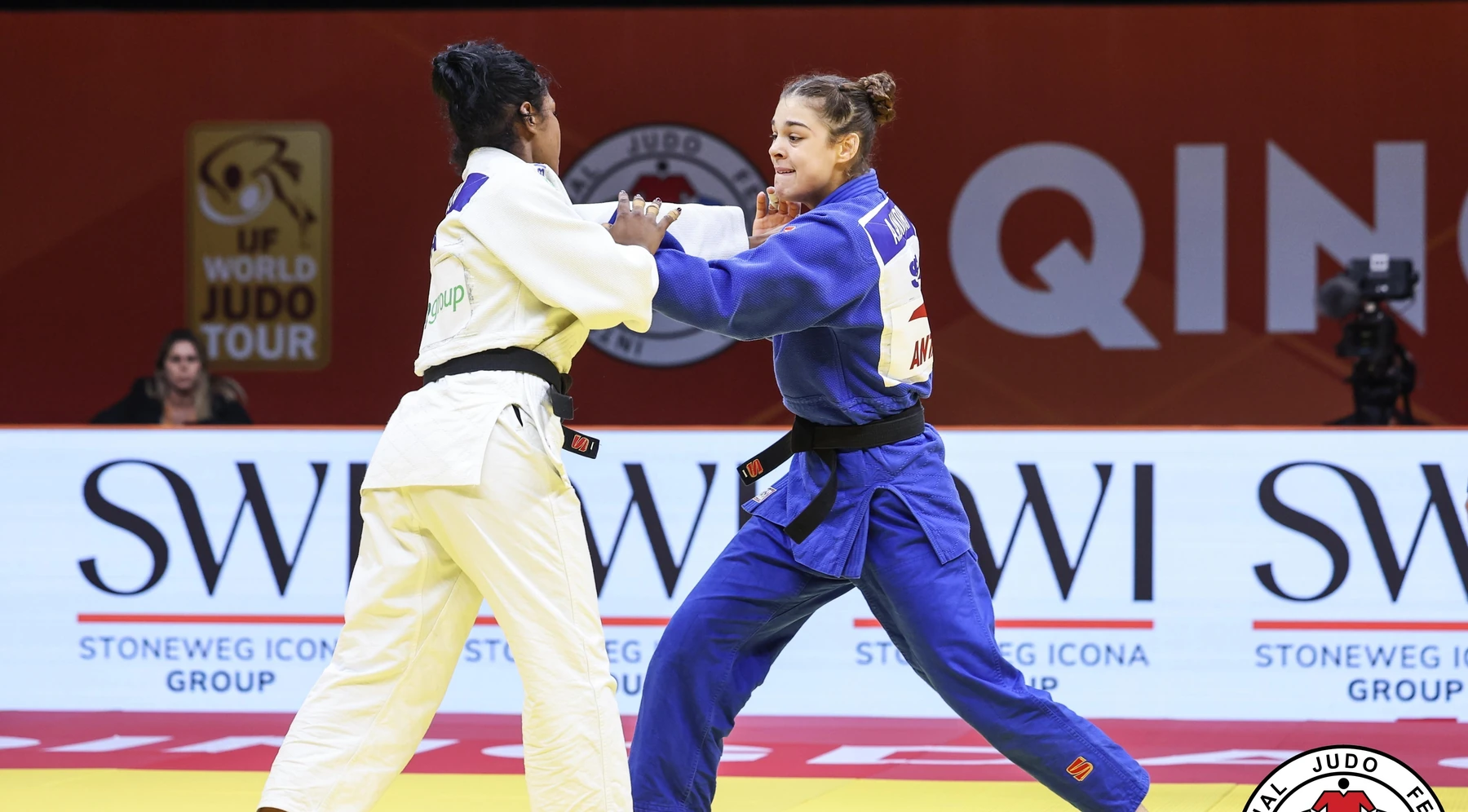
Serbian judokas won four medals at the Mediterranean Games in Taranto. Aleksandra Andrić and Milan Bulaja earned silver, while Jovana Stjepanović and Igor Vračar took bronze. The results came in four weight categories and should be recorded as separate paths through the tournament.
Andrić reached the final of the 70-kilogram category
Aleksandra Andrić advanced to the gold-medal contest before Greece's Elisavet Teltsidou won by waza-ari. Silver confirms that Andrić came through the earlier rounds and remained in the tournament until the final bout. The defeat should not be described as the only moment of her day. Her medal reflects the complete route through the bracket.
Bulaja added a second Serbian silver in the heavier divisions
Milan Bulaja competed in the category up to 100 kilograms and reached the final against Egypt's Omar Ashraf Gamaleldin. The Egyptian judoka won by waza-ari, leaving Bulaja with silver. The result belongs to a different category and opponent from Andrić's final. Keeping those details separate avoids turning two individual contests into one unclear team match.
| Athlete | Category | Medal |
|---|---|---|
| Aleksandra Andrić | Up to 70 kg | Silver |
| Milan Bulaja | Up to 100 kg | Silver |
| Jovana Stjepanović | Up to 78 kg | Bronze |
| Igor Vračar | Over 100 kg | Bronze |
Stjepanović finished her tournament with an ippon
Jovana Stjepanović won the bronze-medal bout in the category up to 78 kilograms against Tunisia's Arij Agueb. The decisive ippon ended the contest and secured third place. A bronze-medal bout is a final opportunity inside the repechage route, so the athlete must recover quickly from an earlier defeat. Stjepanović used that opportunity to finish the day with a win.
Vračar controlled the heavyweight bronze contest
Igor Vračar faced Algeria's Mohamed El Mehdi Lili in the category over 100 kilograms and won with a yuko advantage. His bronze completed Serbia's four-medal set. The narrow scoring advantage belonged specifically to this heavyweight bout. The other Serbian medal contests ended through their own actions and official decisions, giving each athlete a separate route to the podium.
Four separate brackets produced Serbia's medal total
Judo remains an individual tournament even when athletes represent the same national team. Four Serbian competitors advanced through four weight-category brackets and produced two silver and two bronze medals. Andrić and Bulaja reached their respective finals, while Stjepanović and Vračar won the contests that decided third place. Their combined total comes from four independent paths rather than one team match.
Different weight classes require different tactical emphasis
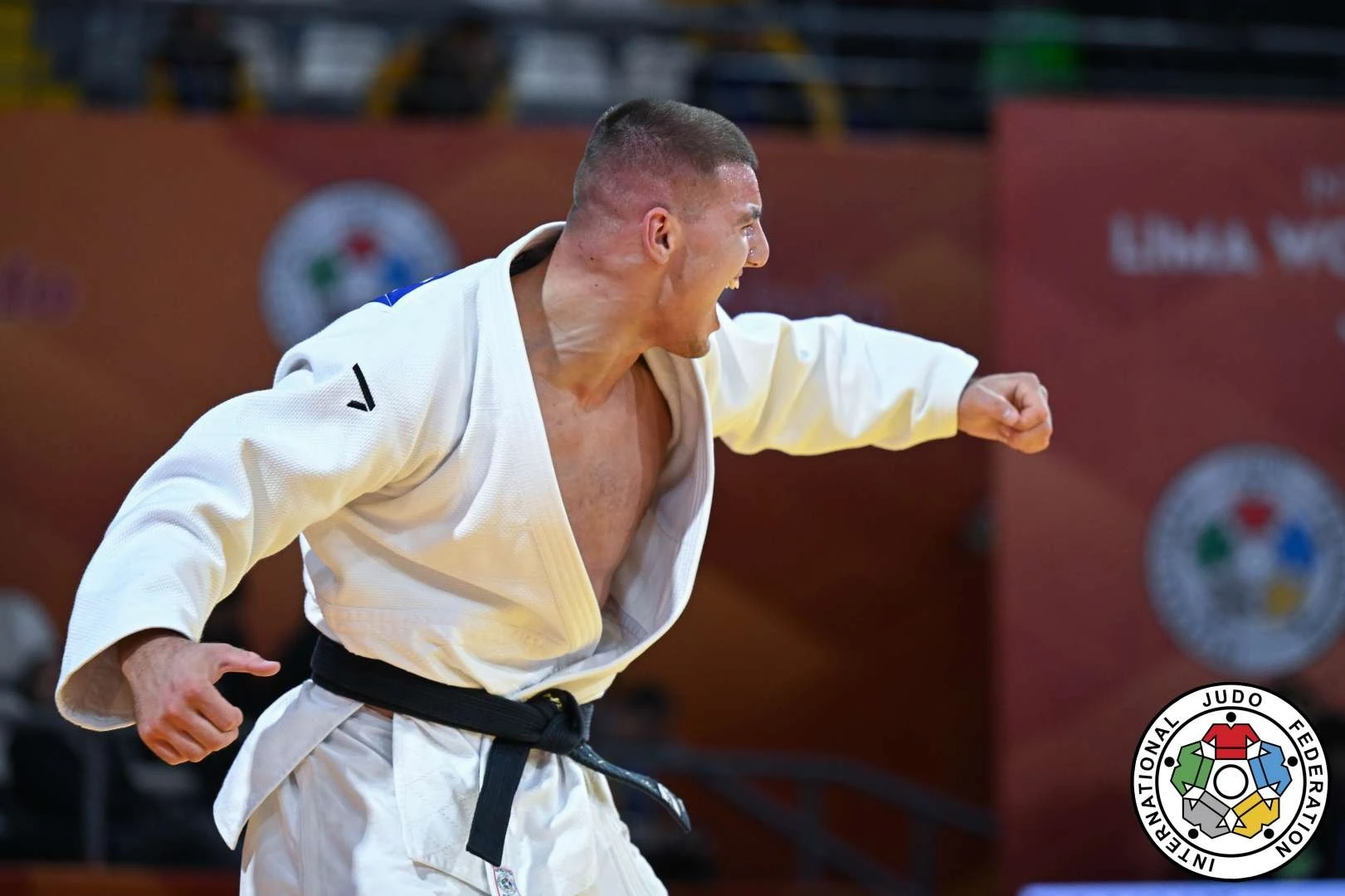
Lighter and heavier categories can produce different movement patterns, yet grip control, balance and timing remain central. A judoka must decide when to attack and when to avoid giving the opponent a counter. The medal results show that Serbian competitors found effective routes across several divisions. Technical conclusions should still be linked to the individual bout rather than applied to all four athletes as one style.
Taranto closed with two silver and two bronze medals for Serbia
The four medal contests have finished. Andrić and Bulaja left Taranto with silver, while Stjepanović and Vračar secured bronze. Later tournaments may change rankings and form, but they will not alter these Mediterranean Games results. The balance also shows that Serbia reached medal level in both women's and men's divisions and across several weight categories.
Recovery between rounds is part of tournament performance
A judo medal can require several bouts in one day. Athletes must cool down, replace fluids and prepare for an opponent with a different stance or grip. The bronze-medal competitors also have to recover emotionally from an earlier defeat. Serbia's four medallists completed those transitions and returned to the mat with a clear plan. That tournament management belongs to the achievement even when the final report focuses on decisive scores.
Coaches also prepare the next grip battle
Between rounds, coaches can identify the opponent's preferred side and the grip that starts an attack. The athlete then needs one or two clear instructions, not a complete technical rebuild. Serbia's medallists handled several opponents before their final contests, which makes adaptation part of all four results.
Discuss the news - leave a comment!
Go to comments ↓
Comments
0