Lupulesku and Surjan win Mediterranean bronze after a complete team performance
- Author: SerbianSport
- SerbianSport
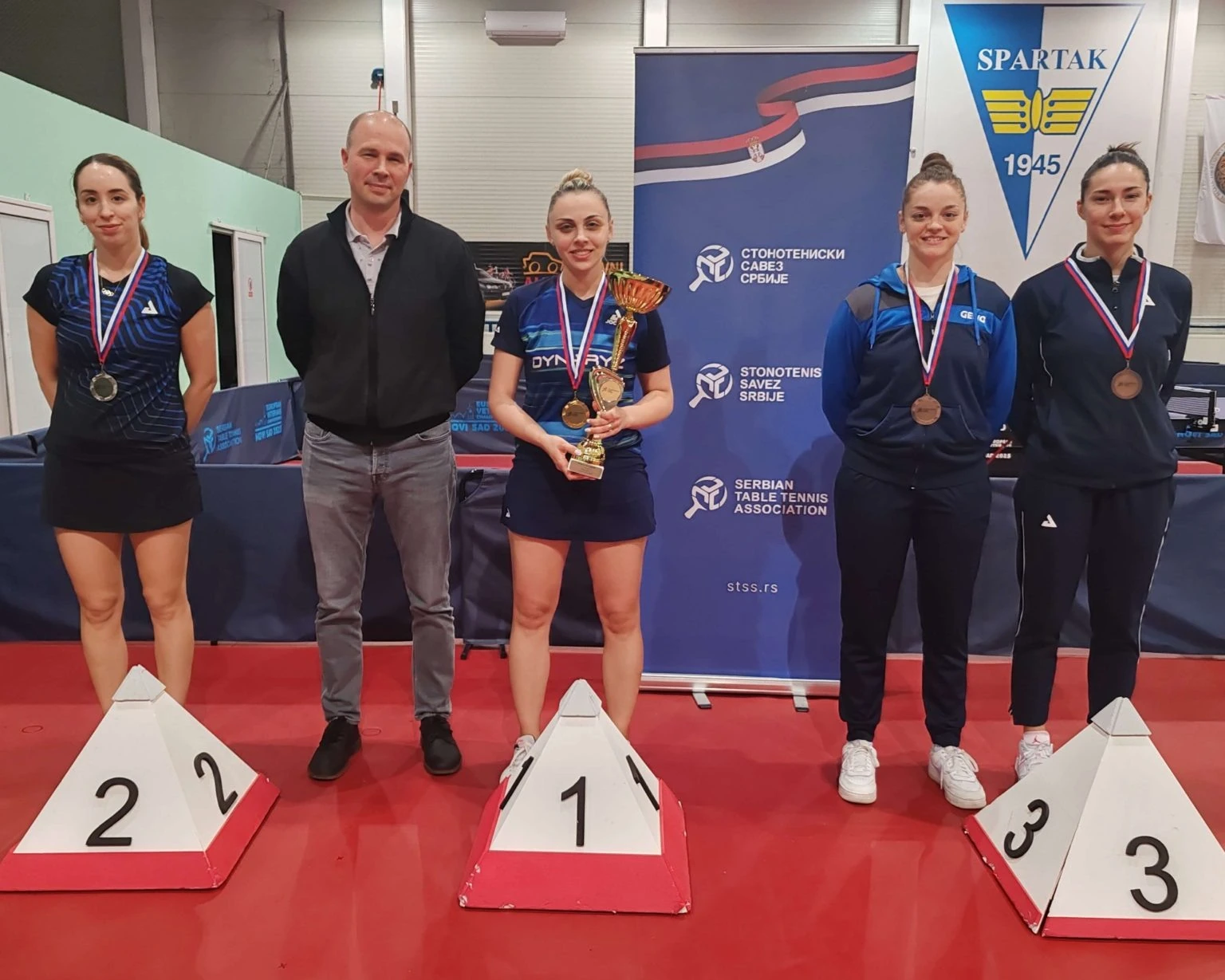
Izabela Lupulesku and Sabina Surjan won bronze for Serbia in the women's table tennis team event at the Mediterranean Games. They beat Turkey in both singles contests and then completed the medal tie together in doubles.
Surjan held her nerve in the opening match
Sabina Surjan opened the medal tie against Ece Harac and needed all five games to secure the first team point. The contest remained open until its final stage, so Surjan had to protect her concentration after every change of momentum. Her win gave Serbia an early advantage without creating a false sense that the medal had already been secured.
The first singles match carries special pressure because neither team has a result to protect. Surjan accepted that responsibility and gave Lupulesku a more stable position for the next contest. The value of the opener was therefore both practical and psychological: Serbia moved ahead, while Turkey had to respond immediately.
Izabela Lupulesku controlled the second singles match
Izabela Lupulesku followed against Sibel Altinkaya and won in straight games. She did not allow the contest to grow into another long test. A clean result does not mean that every rally was easy, but it shows that Lupulesku maintained a steady tempo and closed each game before her opponent could change the direction of the match.
The Serbian pair had now solved two different problems. Surjan had come through a tense deciding game, while Lupulesku had managed the second contest with less fluctuation. Those contrasting wins gave the team confidence before doubles and forced the Turkish pair to play with no room for another setback.
| Match order | Match | Result |
|---|---|---|
| 1 | Sabina Surjan vs Ece Harac | 3-2 |
| 2 | Izabela Lupulesku vs Sibel Altinkaya | 3-0 |
| 3 | Lupulesku/Surjan vs Harac/Altinkaya | 3-0 |
The doubles match completed the medal sequence
Lupulesku and Surjan then joined for doubles against Harac and Altinkaya. They won in straight games and confirmed the bronze medal. No additional contest was required because Serbia had already collected every team point available in the completed sequence.
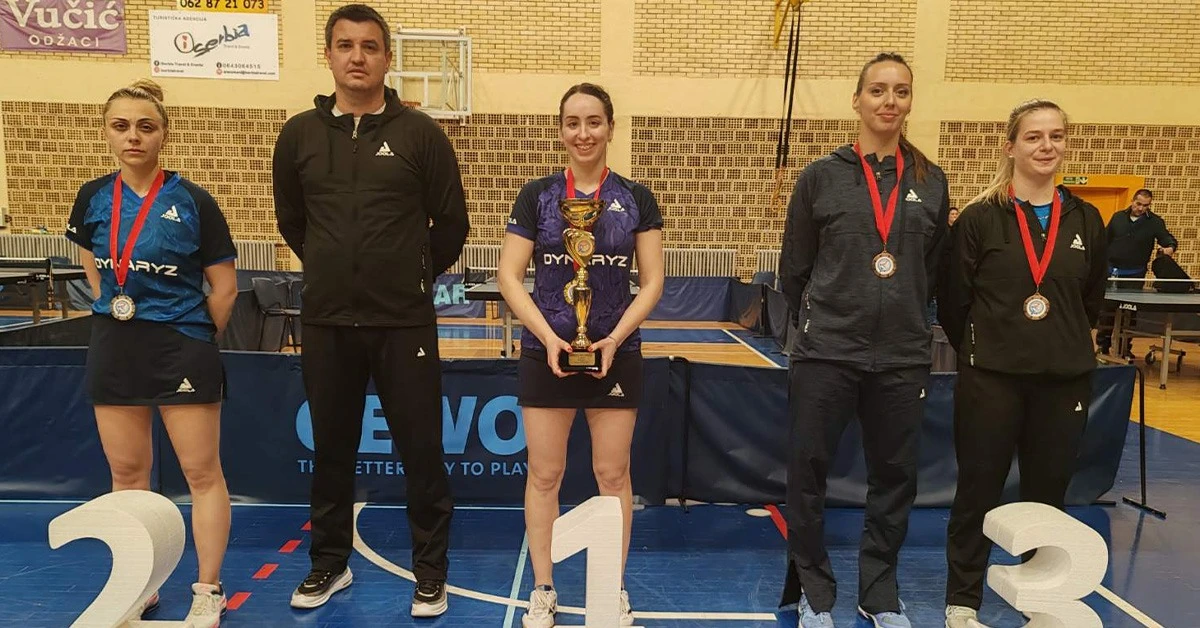
The doubles victory was more than a formal final step. Both players had to leave the rhythm of singles and work as a pair, sharing space and preparing the next shot for one another. Their controlled finish showed that the team could change roles without losing the discipline established earlier in the tie.
Team play rewards quick adjustment between roles
Both Serbian players moved from singles responsibility into a shared doubles plan. The change requires different spacing, serve patterns and decisions about who takes the next ball. A player cannot simply repeat the singles approach while a teammate stands nearby. The pair must create clear movement and avoid blocking each other's strongest position.
The transition was handled cleanly and gave both athletes a direct role in the final point. Surjan contributed the demanding opener, Lupulesku added the controlled second singles win, and together they closed the contest. The bronze therefore reflects three related tasks rather than one isolated performance.
The result table separates team points from games
Serbia's official team result was 3-0 over Turkey. The table lists the games won and lost inside each singles or doubles contest, so readers can see the detail without meeting the same team score in every paragraph. These are two levels of one completed event, not different versions of the outcome.
This distinction matters in table tennis because every singles or doubles contest supplies one point to the team total. Surjan earned the opening point, Lupulesku added the next and their partnership supplied the last one. The sequence is complete, easy to follow and does not require repeated calculations.
Serbia earned bronze through three connected wins
The medal did not depend on a calculation from another court. Lupulesku and Surjan settled the tie through their own performances. The opener tested patience, the second singles match rewarded control and the doubles demanded coordination between players who had just competed alone.
That progression gives the article one clear conclusion. Serbia completed the bronze-medal tie without dropping a team contest. Surjan, Lupulesku and their doubles partnership all contributed directly. The event is finished, and the text does not present a completed result as a future plan.
Discuss the news - leave a comment!
Go to comments ↓
Comments
0