
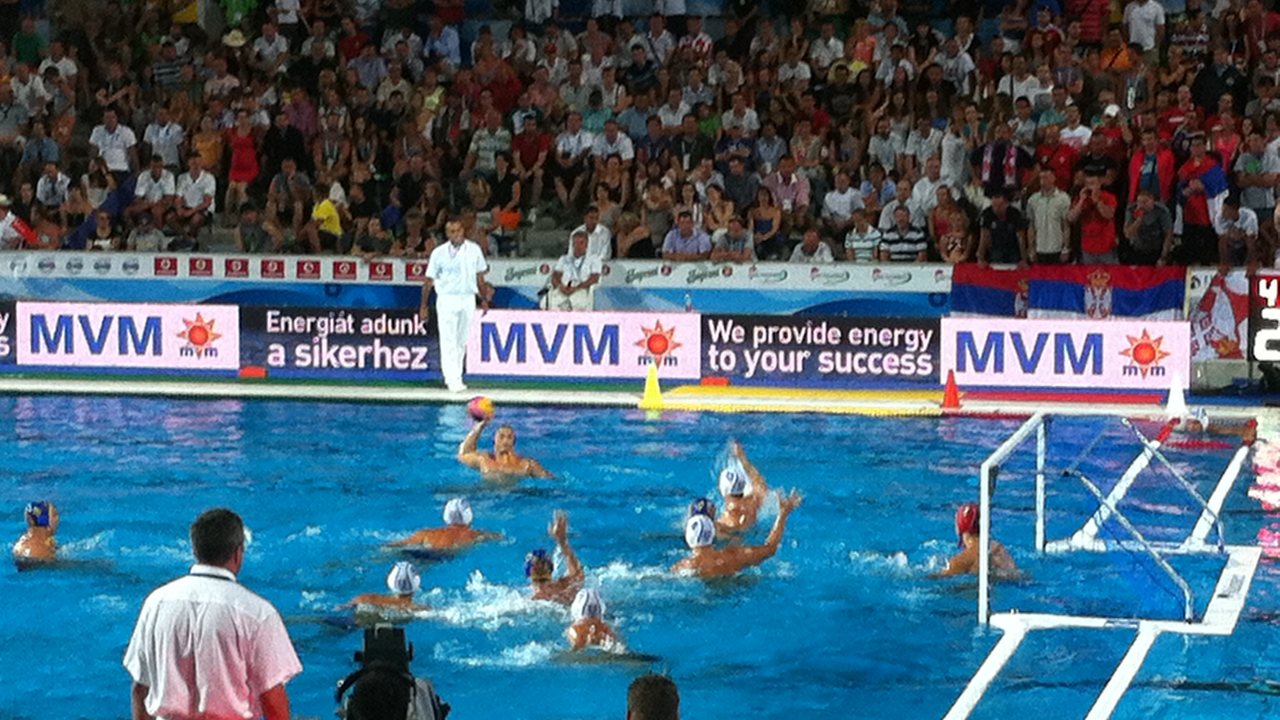
Serbia reigns over Europe again, then meets a summer hurdle
It was a year that opened in triumph and turned into a lesson. In January, the men’s water polo national team of Serbia once again stood at the top of the continent, claiming a ninth European champions title in front of a raucous home crowd in Belgrade. By April, the reigning Olympic champions had been left out of the sport’s most prestigious summer competition, beaten by Croatia in qualification and forced to watch the World Cup Superfinal from the outside.
That contrast captures both the status and the fragility of one of water polo’s great powers. Serbia remains the benchmark, yet the 2026 season showed that staying on top demands more than reputation.
Gold in Belgrade: a defensive masterclass against Hungary
The 2026 men’s European Water Polo Championship ran from 10 to 25 January, and the hosts saved their best performance for the evening that mattered most. In the final at the Belgrade Arena, Serbia beat their old rivals Hungary 10-7 to win a ninth European gold.
Defence decided the match. After a level first half against a combative Hungarian side, the hosts began to pull away, and their organisation at the back restricted the opposition to just two goals in the closing stages. Dušan Mandić, a constant presence for Serbia in the biggest moments, was named the player of the match.
Greece completed the podium with a 12-5 victory over Italy to take bronze. For the Serbian fans who filled the arena, it was a result that confirmed their team’s place among the elite of men’s water polo.
How the European final unfolded
| Medal | Team | Result |
|---|---|---|
| Gold | Serbia | Beat Hungary 10-7 in the final |
| Silver | Hungary | Finished second after the Belgrade final |
| Bronze | Greece | Beat Italy 12-5 in the third-place match |
The title was Serbia’s ninth at European level, although it did not extend an unbroken run of dominance. Spain arrived in Belgrade as defending champions, which means the Serbian gold ended a gap rather than lengthened a string of consecutive crowns.
The Sydney dream that did not materialise
The 2026 World Aquatics water polo World Cup season was building towards the Superfinal in Sydney, Australia, where the eight best men’s national teams in the world were due to contest the trophy between 23 and 26 July. To reach it, Serbia first had to get through the Division I qualifying tournament, held in Alexandroupolis, Greece, in April.
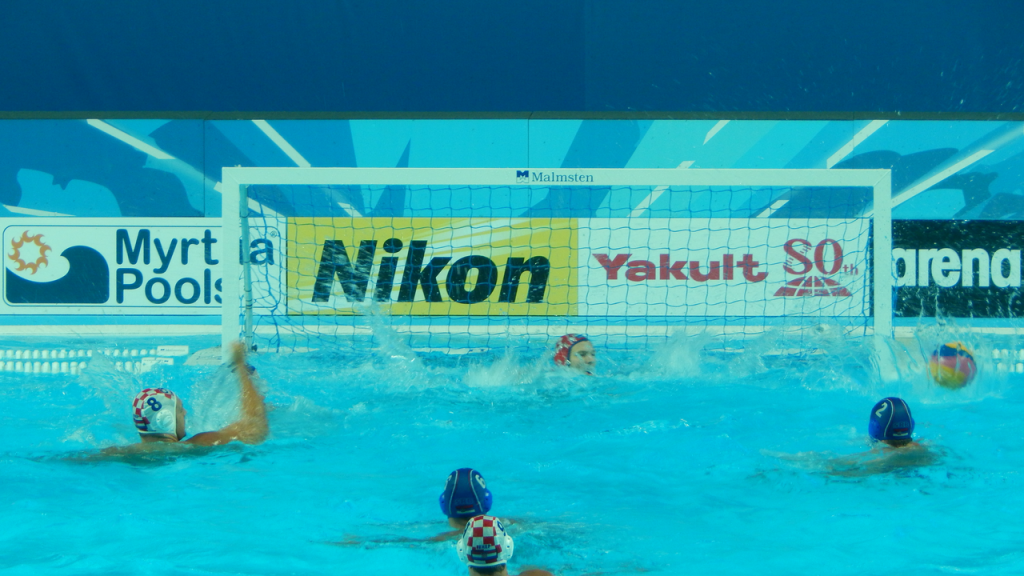
It did not go to plan. The European champions failed to secure one of the qualifying places, and their hopes were extinguished by Croatia in the decisive match for the final ticket to Sydney. Croatia were ruthless, quickly building a lead and holding on for an 11-6 win that carried them through and left Serbia at home.
Six Superfinal participants came through the Division I route, with Croatia taking the last available spot at Serbia’s expense. For a squad that had celebrated on home water only weeks earlier, missing the summer showpiece was a sharp reminder that nothing at the top of water polo is guaranteed.
Two tournaments, two entirely different stories
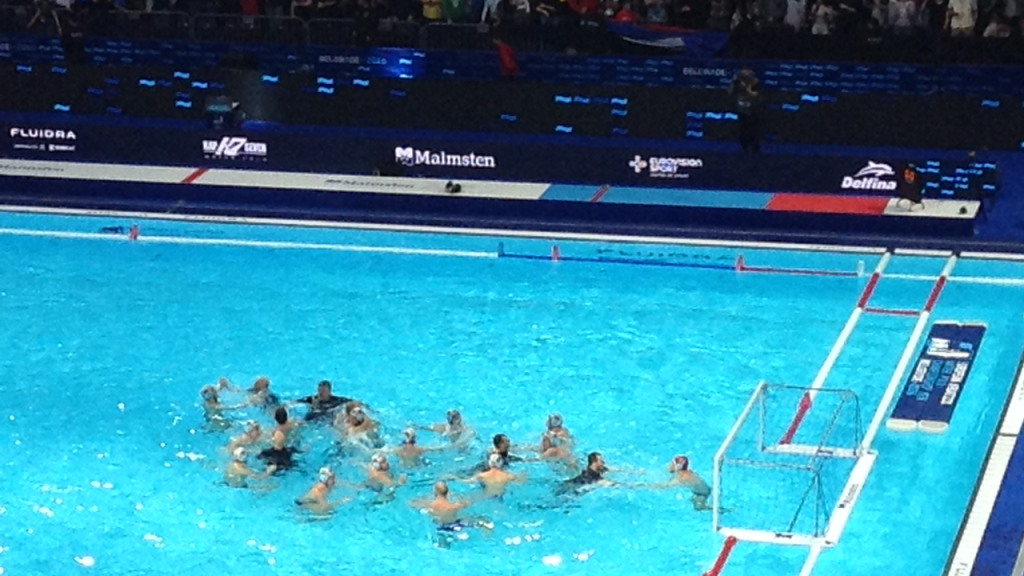
- January, Belgrade: Serbia win the European Championship, beating Hungary 10-7 in the final for a ninth continental title.
- April, Alexandroupolis: Serbia fall in the World Cup Division I qualifiers, losing 11-6 to Croatia in the match for the last place in Sydney.
- July, Sydney: The water polo World Cup Superfinal takes place without the current European and Olympic champions.
Still formidable, but with work ahead
None of this alters Serbia’s standing. As the reigning Olympic champions from Paris 2024 and now nine-time kings of Europe, they remain one of the leading men’s water polo nations on the planet. Few rivals can match their depth of talent or the winning habits built over more than a decade of success at major tournaments.
But the season has highlighted how thin the margins have become. Croatia, Greece, Hungary, Italy and Spain are all capable of beating anyone on a given day, and the qualifying stumble showed that one bad night can carry a disproportionately high price.
Serbia’s exploits in the pool sit alongside a strong period for the country’s other national teams. The basketball team recently confirmed an 18-man squad for the 2027 World Cup qualifiers built around Nikola Jokić, while leading Serbian tennis names have kept the country at the centre of the global spotlight, from Hamad Medjedovic’s narrow defeat at Queen’s to Novak Djokovic’s trimmed grass-court preparation.
For the water polo team, the focus now shifts forward. The European title remains a dazzling achievement, and the disappointment of missing Sydney provides fuel for the bigger goals still to come. On current evidence, Serbia have the quality to bounce back. The 2026 season simply proved that every step of that road will have to be earned.