
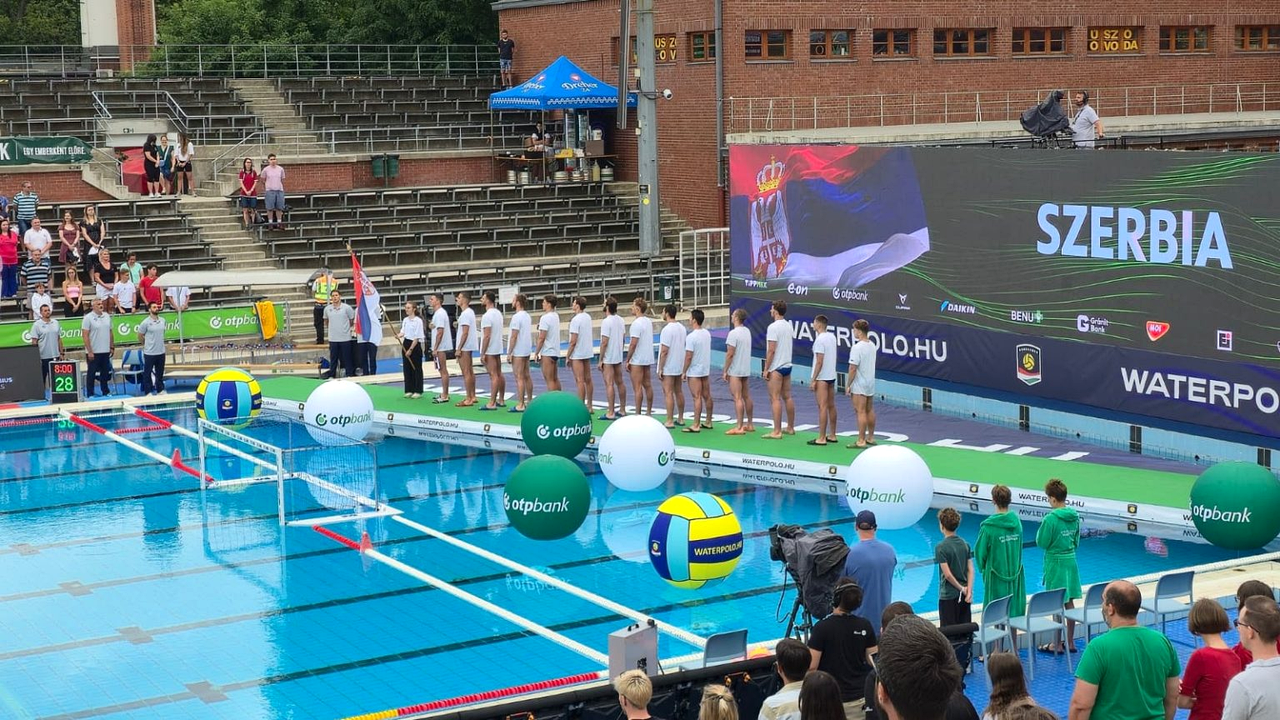
A convincing win brings a calmer end to the tournament
Serbia won 22:7 against the Netherlands and ended the OTP Cup in second place. That scoreline should not be read as a big margin alone. What matters is that the team closed the tournament with a clear sense of being in control.
In water polo, comfortable wins usually come from two things: a defence that denies easy shots and an attack that does not waste possession on poor decisions. Serbia managed to combine both against the Netherlands.
Second place is not a trophy that settles every question, but it is a good base for moving forward. The side won a match that asked for seriousness, not just better quality.
Key details
| Competition | OTP Cup. |
|---|---|
| Match | Serbia against the Netherlands. |
| Result | Serbia won 22:7. |
| Finish | Second place in the tournament. |
| Key takeaway | The attack was wide-ranging, and the defence was firm enough to keep the rhythm. |
You can also read Boskovic and Ognjenovic headline Serbia’s VNL week in Belgrade. Another related story is Djokovic’s Wimbledon run continues.
Early goals set the whole plan in motion
When Serbia opened a gap early, the opponent had to move away from its game plan. The Netherlands were forced to take more risks, which gave the Serbian defence room to read passes and switch quickly into attack.
A start like that particularly helps water polo teams. The goalkeeper, the blockers and the perimeter players all gain confidence, and the attack does not have to shoot from every half-chance. The match becomes easier to manage.
Serbia used that advantage well. It did not simply protect the lead; it widened it through a series of repeated good decisions.
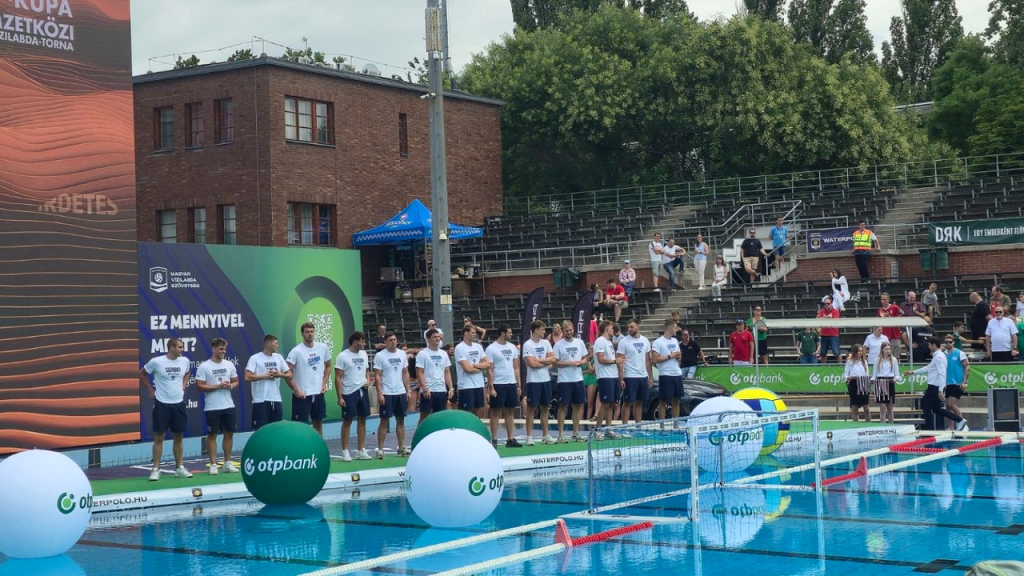
The defence stopped the game turning into an open exchange
A 22:7 scoreline shows attacking strength, but seven goals conceded tell an equally important story. The Netherlands did not get enough easy chances to build a run. Serbia closed the middle and protected the goal from fast finishes.
In matches like this, it is easy to relax when the attack keeps scoring. Serbia could not afford to do that. Every loose return or cheap foul could have changed the rhythm and reduced the value of the win.
Good defence therefore remains the most useful part of the result. It carries over to harder games more reliably than a high shooting percentage, because it depends on discipline and movement.
The attack needed to stay varied
A high goal tally has full value only when it comes from different zones. Serbia does not want an attack that depends on a single shooter or one movement by the centre. Against the Netherlands, it mattered that several players had a role.
When goals are shared around, the opponent struggles to decide what to defend first. If the entry is closed, the perimeter shot remains. If the defence steps up too high, space opens near the post. That variety was a good sign for the Serbian side.
Stronger opponents will certainly leave less space. Still, the habit of looking for a better shot rather than the first one remains important, whatever the name of the rival.
Second place is useful if read coolly
Serbia should not overstate the win, but it should not downplay it either. A convincing scoreline at the end of a tournament shows that the team has attacking capacity and can keep its focus when it is the favourite.
The next step is a cool analysis. Which attacks were clean, which goals came from discipline, and which came from the opponent’s weaknesses? Which defensive habits can carry over to tougher matches? Those questions mean more than the margin itself.
If the coaching staff gets clear answers, the OTP Cup has served its purpose. Second place then becomes more than a finish; it becomes part of the preparation for greater competitive demands.
The best message from the match against the Netherlands is that Serbia can finish a tournament seriously. That kind of ending is often worth more than a good start with no follow-through.
It was especially useful that the attack stayed active even when the gap was already large. This shows the team was not playing on momentum alone, but kept looking for better positions to shoot from.
For the water polo national team, that habit could prove important against stronger rivals. There, space will be scarcer, so every clean pass and every solid goalkeeping spell will carry a higher price.
The win over the Netherlands can therefore be seen as working material. The scoreline is pleasing, but the real value lies in the habits Serbia can take into its next tournament.
If those habits repeat against more solid defences, second place at the OTP Cup will have a clearer developmental purpose.