
Serbia’s cadets head to Zagreb for a double test in beach handball
Why the first day looks so demanding
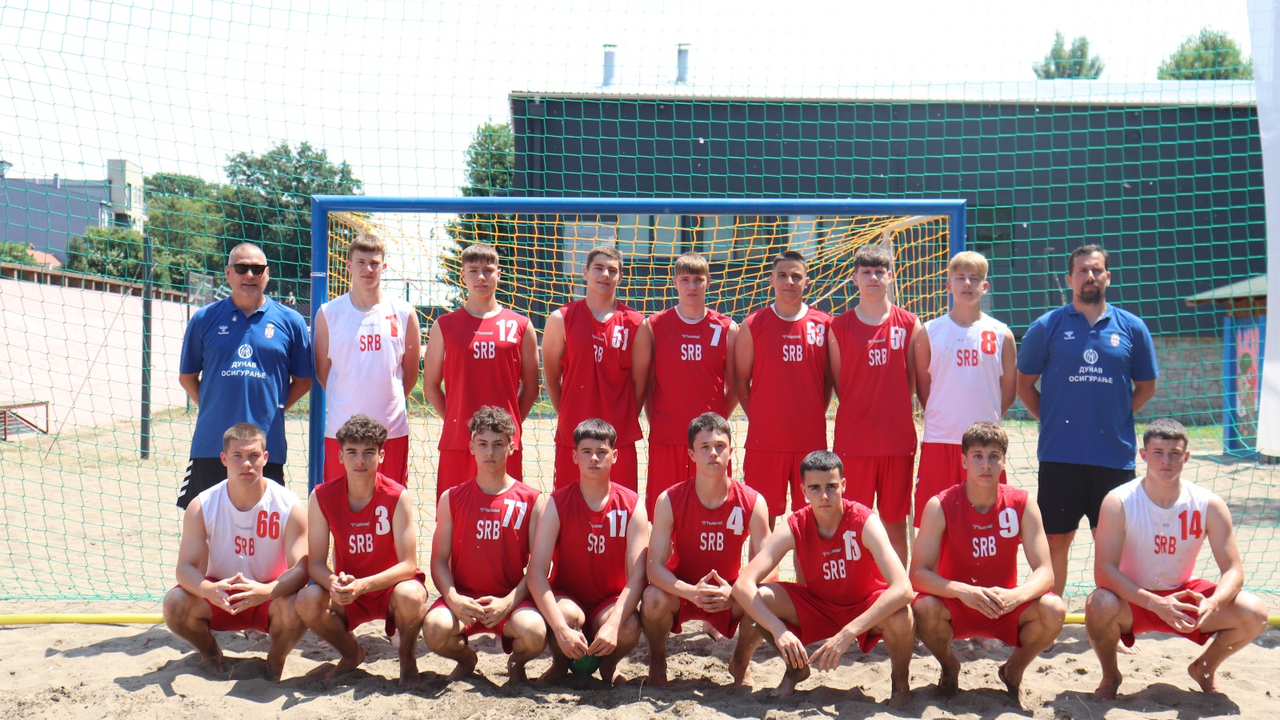
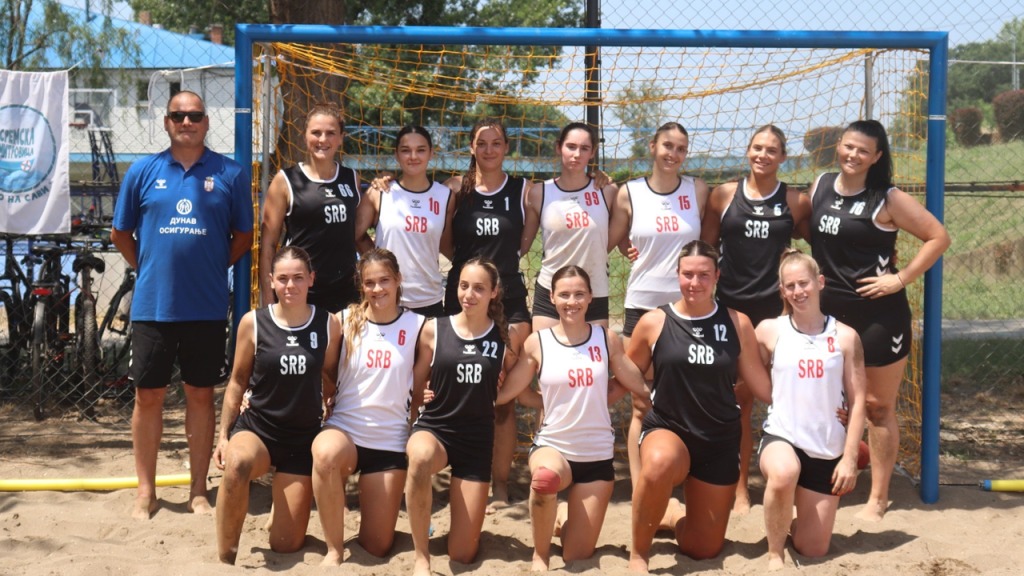
Serbia’s cadet beach handball sides are heading to Zagreb for the European Championship with a schedule that demands focus from the outset. The tournament runs from 1 to 5 July, and the opening day brings a double test: the boys face Sweden and Germany, while the girls play Switzerland and France.
For young teams, this is far more than a trip to a tournament. Beach handball punishes any lapse in concentration, since sets and possessions change quickly with little time to recover. Serbia therefore needs to arrive in Zagreb with clear roles and simple agreements that can hold up across two matches in a single day.
The schedule is part of the challenge
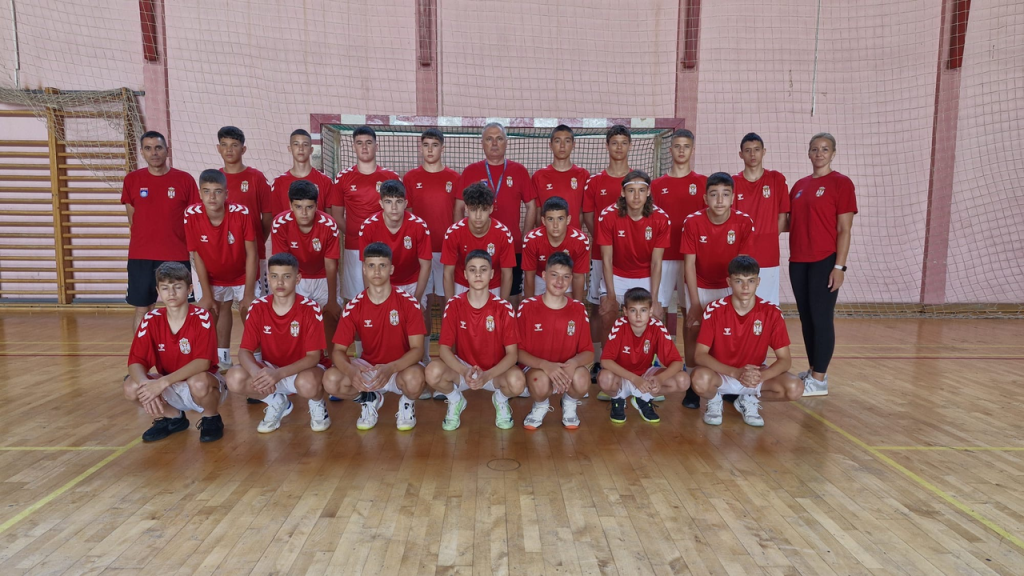
At cadet level, a result is not measured by a win or a loss alone. What matters is how a team responds after losing a set, how quickly the bench passes on corrections, and whether players stay calm when an opponent strings together a run of sharp finishes.
That is why the Zagreb schedule has developmental value. Serbia will quickly learn how ready its squads are for the physical rhythm, communication in defence and the constant changes that define beach handball. If the first day passes without the team falling apart emotionally, the tournament could bring real gains.
The group at a glance
| Competition | European Beach Handball Championship |
|---|---|
| Venue | Zagreb |
| Dates | 1-5 July |
| Serbian squads | men’s and women’s cadet teams |
What Serbia should take home from Zagreb
The best outcome is not simply a good finish but a clearer developmental record. Cadet teams need to learn how to play when the day stretches on, when recovery is brief and when an opponent looks for a mistake in the very next attack.
Coaching staffs will therefore look at more than the scoreboard. Timing in attack, the choice of shooter, the return to defence and the response to an error all matter. If those elements become more consistent by the end of the tournament, Zagreb will have value for the squads’ future camps as well.
Final assessment for the cadets
Serbia is sending two young squads to Zagreb and is facing a first day that will quickly show what is ready and what still needs building. A schedule like this is not easy, but it is a good test of character and habits.
If the cadet boys and girls hold their form across two matches in a day, the European Championship could become more than an experience. It could become a development marker for a summer in which they learn how to win and how to recover quickly after a mistake.
An additional competitive layer
At youth level, beach handball requires a quick head as much as good technique. A single eye-catching move can turn a set, but one poor reaction afterwards can open up a whole run. Zagreb is therefore a useful examination for both Serbian sides.
The men’s and women’s teams do not face the same opponents, but they share the same basic task: keep their structure intact as the day shifts from one match to the next. A first win must not breed complacency, and a first defeat must not bring tension into the next time the players step onto the sand.
For coaches, a tournament like this is valuable because character shows quickly. There is little time for long meetings, so corrections have to be passed on briefly and clearly. Players who accept that tend to improve the most during the competition.
Serbia in Zagreb is therefore looking for more than results on the table. It is looking for sound goalkeeping decisions, well-timed substitutions, agreement in defence and an attack that knows when to take a risk and when a simple play will do.
If the squads come back from Zagreb with clearer habits, the cadet boys and girls will have a tournament that keeps paying off after the final match. That matters most in a discipline where the details are small, the tempo is high and the gap between a good set and a lost match is very thin.
Another important element is adapting to the surface and conditions. Sand tires players differently from an indoor court, a change of direction demands more strength, and any poor judgement on the way back gives the rival room for an easy point. Serbia must therefore conserve energy as carefully as it manages tactics.
The tournament in Zagreb may also show which young players read the moment best. Sometimes an attacking move is needed, but sometimes the more valuable choice is simply to keep possession and get the team back into the set. That maturity does not always show in a short scoreline, yet coaches consider it extremely important.
Further SerbianSport coverage: Serbia U17 crush Venezuela and turn the Australia loss into a reset and Serbia U17’s bench and defence become the main lesson after Venezuela.