
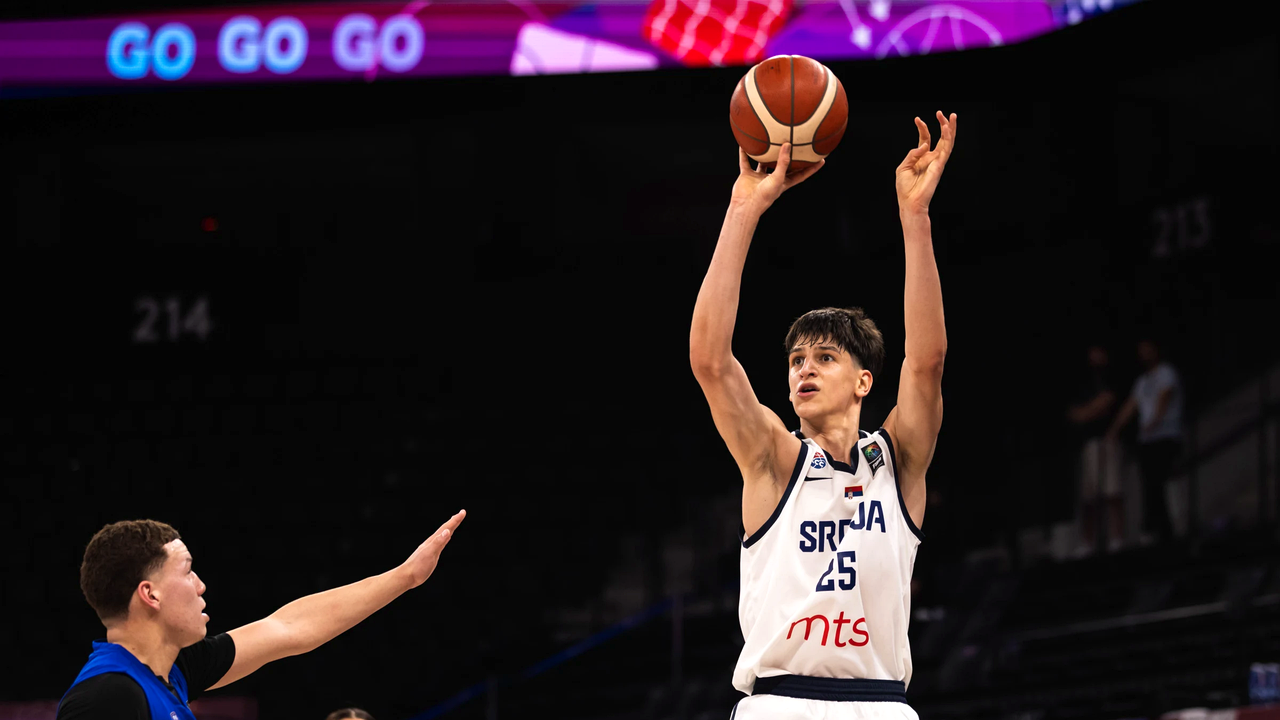
Bench and defence become Serbia U17’s main lesson after Venezuela
Why the second reading matters
The win over Venezuela is naturally read first through the scoreline, but Serbia U17 can take a second, more useful lesson from it. After the defeat to Australia, simply winning was not enough. The side needed to show who can carry minutes, who understands help defence and how the bench responds once the tempo settles.
This analysis, then, does not stand against the first report so much as build on it. The margin tells us the reaction worked, while the details of the rotation show whether that reaction can become a habit. At a World Championship for young national teams, exactly these details quickly separate one good evening from a steady tournament.
Where the bench made the stronger case
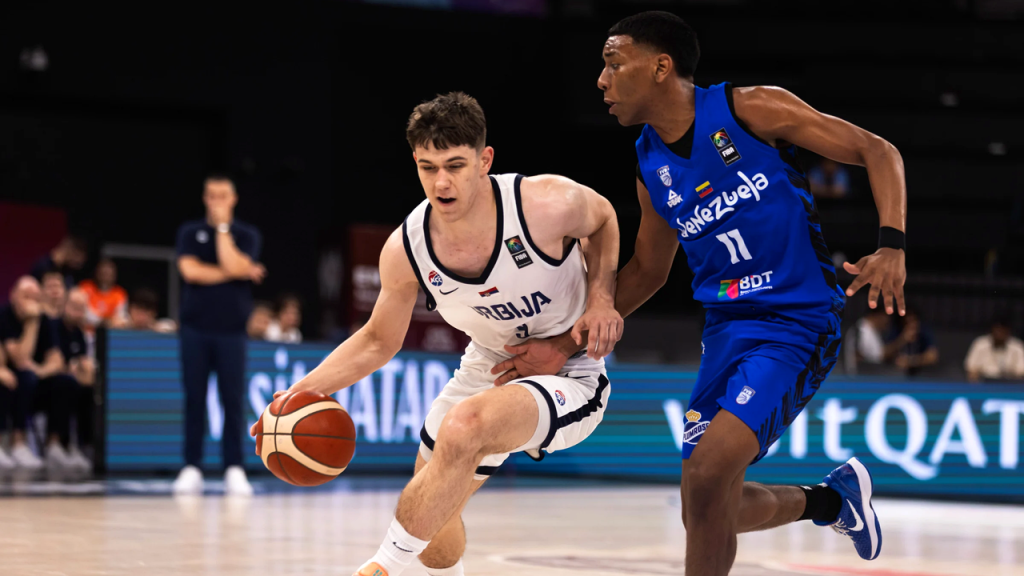
Against Venezuela, Serbia got a clearer contribution from players who did not have to solve everything through scoring. In U17 teams that is often just as important as shooting efficiency, because a young side cannot survive for long on its first options alone.
When the rotation keeps its intensity, coaches gain the freedom to change the rhythm without fearing that every substitution will hand the opponent a run. After Australia this mattered in particular. Serbia had to show it has more than one unit capable of keeping a game under control.
Key details
| Match | Serbia U17 vs Venezuela U17 |
|---|---|
| Context | response after the defeat to Australia |
| Main theme | rotation and help defence |
| Value | footage the coaching staff can use |
What else has to hold up under pressure
A game like this should not hide the fact that upcoming opponents are likely to be physically stronger, quicker in transition and more ready to punish a late step in help. Serbia therefore cannot take only its confidence forward. It has to take the concrete decisions that worked.
The most important task is keeping the bench active even when the scoreboard does not favour Serbia. It is easy to look composed in a game that opens well. It is harder to keep the same principles when the opponent hits two threes in a row, changes its zone or speeds the game up.
Closing verdict on the defensive notebook
Venezuela gave Serbia a result, but it also gave the coaching staff useful material to study. If the rotation is read through these minutes, the win can become more than a convincing answer to the defeat.
The real test comes when the same players have to repeat the help, the communication and the calm decisions in a tighter game. Only then will it be clear whether this was simply a good reaction or the start of a more stable competitive habit.
An additional competitive layer
In younger national teams the rotation is often the most sensitive part of the game, because a coach must develop several players while not losing control of the scoreboard. Venezuela gave Serbia the chance to make that balance look calmer than it did at the start of the tournament.
It is especially useful when a bench player comes on without feeling he must prove everything with one play. That kind of entry protects the attack from hurried shots and gives the defence more energy. Serbia had exactly such minutes in this game, which is why a second look at the match is worthwhile.
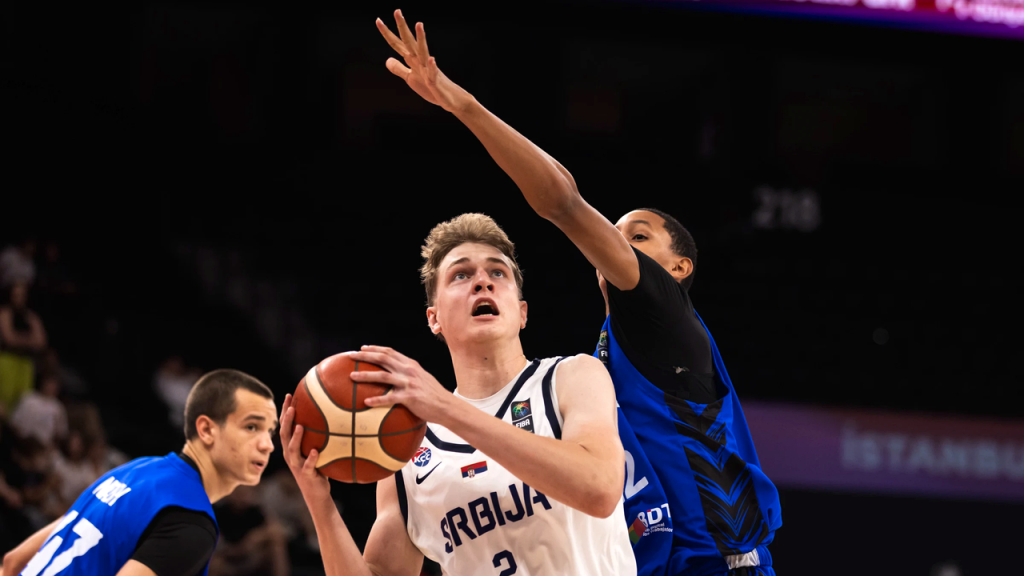
The help defence looked better largely because fewer actions arrived half a step late. In youth basketball that half step is usually where the real problem starts: an open shot, an unnecessary foul or an easy offensive rebound. Against Venezuela Serbia shortened that chain of errors.
The coaching staff can now assign responsibility more precisely. It is not enough to say the team must be more aggressive; what matters more is showing who closes the angle, who takes the first pass and who protects the boards when the help moves away from its position.
If the next game is tighter, this notebook will matter even more. The bench will not have the comfort of a big margin, but it will have the memory of a match in which defensive work brought control. That is a good foundation, provided it is repeated without delay.
Such a foundation is especially helpful when the lineups change and young players must come on without a long warm-up. Every steady minute from the bench protects the main playmakers and reduces the risk that fatigue decides the finish.
More from SerbianSport: Serbia U17 crush Venezuela and turn the Australia loss into a reset and Serbia junior women reach the world championship quarterfinal with a last-second goal.