
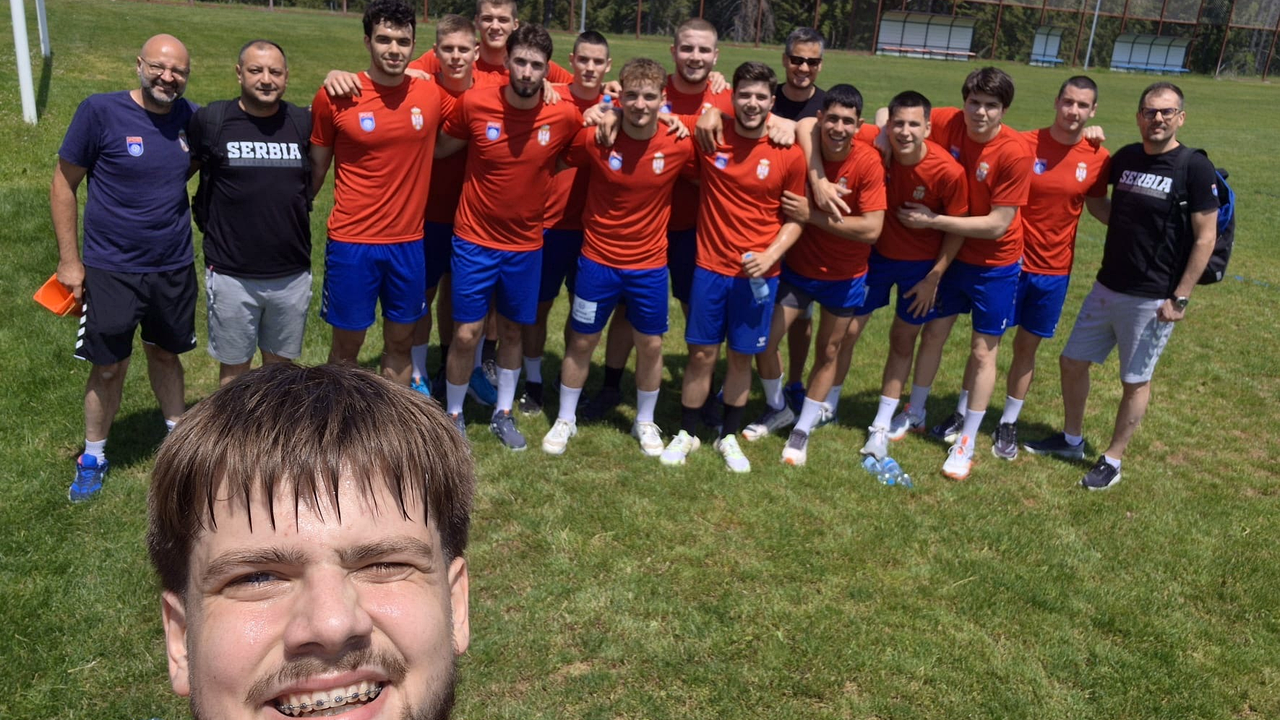
Dalibor Cutura’s assessment of Serbia’s junior preparations gives the squad a clear benchmark before the next competitive block.
Preparation stories are worth something when they name the areas the coaching staff wants to stabilise before tournament pressure arrives.
What changed first
Dalibor Cutura analysed the preparation block of Serbia’s juniors. The value of the report lies in the fact that it describes the preparation rather than offering vague optimism. The early part of the story should therefore be read through the decisions it records, not through first impressions.
The focus is on building a reliable foundation for the team. A reliable foundation matters more than one good half in youth handball. That detail immediately changes the balance between risk and room to move forward.
Where the pressure has shifted
Junior handball preparation depends on physical rhythm and tactical discipline. The physical rhythm has to follow the tactical plan. The most important answer only comes once the same detail is repeated under greater pressure.
The coaching staff needs clarity before the main competitive phase. The staff cannot wait for a tournament to expose problems with roles. It now has a concrete reference point for video work, training and the allocation of roles.
Key details
| Area | Detail |
|---|---|
| Team | Serbia juniors |
| Coaching reference | Dalibor Cutura |
| Sport | Handball |
| Main task | turn preparation into clear roles |
What the next step requires
The team sets the baseline measure: Serbia juniors. Young teams progress fastest when roles are set, and the assessment stays within a clear framework.
On the coaching reference, it is important to keep the wording Dalibor Cutura, while defensive timing remains the central handball test that separates fact from expectation.
The handball detail explains why the sport belongs in the preparation plan, and attacking organisation becomes critical once matches turn into the next checkpoint.
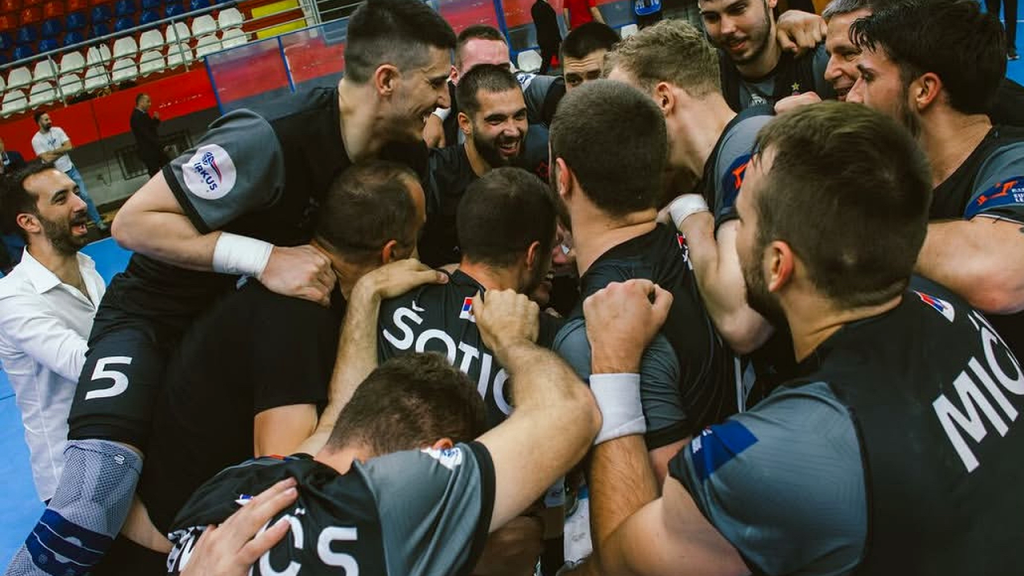
For the closing assessment, the main task means turning preparation into clear roles; the signal from the next camp or friendly will show whether it leads to a measurable target.
Why continuity matters
Young teams progress fastest when roles are defined early. Clear roles early help players make decisions more quickly. This is the part of the news that will matter longest after the first title.
Defensive timing remains the central handball test. Defensive timing decides whether a young team can survive a poor attacking spell. The calendar leaves little room for that signal to be misread.
A smaller detail
Attacking organisation matters when matches become slower and harder. Positional attack has to be clean once counter-attacks disappear. The next test must separate a stable habit from a short burst of confidence.
The next camp or friendly will show whether the work stays visible. The next test should show fewer repeated errors. That is why the result, the schedule and the performance must stay within the same analysis.
Final check
Continuity depends on whether players carry the same habits into a different match rhythm. The baseline measure for the team item is Serbia juniors, with the opening signal that junior handball preparation depends on physical rhythm.
The result builds confidence, but the analysis must also preserve the parts that are not yet stable. The next comparison keeps the coaching reference alongside Dalibor Cutura, after the point that the coaching staff needs clarity before the main competitive phase.
Rotation only makes sense if changing the line-up does not disrupt the basic organisation. For preparation, Handball sets the boundary of the sport item, and young teams progress fastest when roles define that boundary.
Travel, recovery and short gaps between commitments can change the picture more than any single statement. The practical checkpoint for the main task remains turning preparation into clear roles, with defensive timing confirmed as the central handball test.

A leader’s role becomes visible when the side loses its first option and has to find another. A later review measures the team against Serbia juniors and the earlier signal that attacking organisation matters once matches become.
Discipline without the ball, or away from the main action, remains the most reliable sign of progress. The coaching staff uses Dalibor Cutura as the measure for the coaching reference while it tracks the next camp or friendly will show whether.
Young players gain room, but also the responsibility to make simple decisions on time. Every change has to respect the sport: Handball, especially after Dalibor Cutura analysed the preparation block of juniors.
Organisers and the federation must turn good news into a clear next date and task. The clearest proof of the main task is turning preparation into clear roles; the linked signal is that the focus is on building a reliable foundation for the team.
The best proof of continuity will be a calmer performance, not a louder announcement. When conditions change, Serbia juniors checks the team together with junior handball preparation depending on physical rhythm.
The public will measure the next step through a concrete result, schedule and quality of decisions. The match or training session should clarify the coaching reference: Dalibor Cutura, while the coaching staff’s need for clarity before the main competitive phase is still visible.
Alongside the story Cutura sees Serbia’s juniors building a proper handball foundation, the same calendar also calls for following Serbia take one set but USA close the VNL match in four and Sremska Mitrovica beach handball schedule gives Serbia a clear weekend map.
The conclusion stays cautious: the next test should show fewer repeated errors