
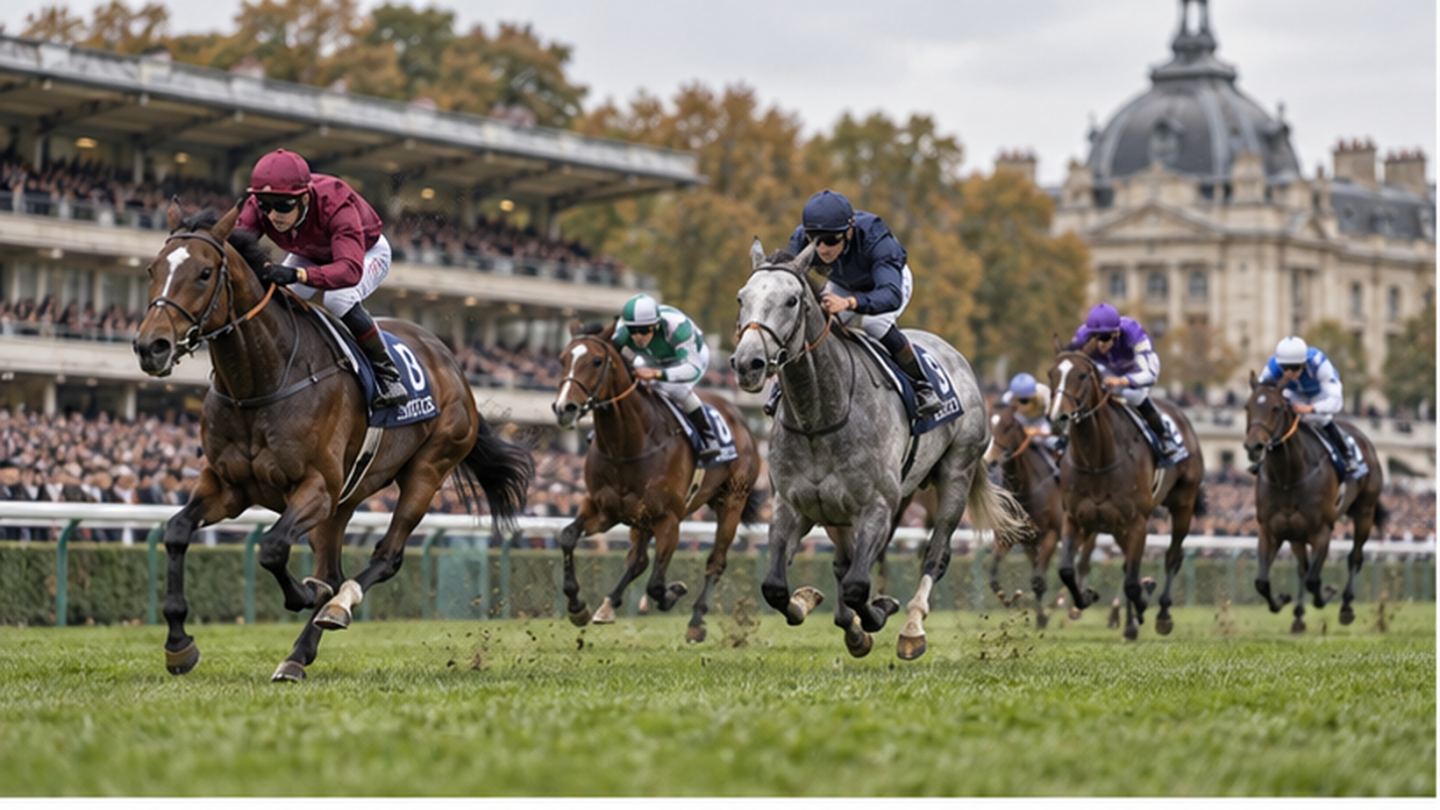
The final list of horses and jockeys for this year’s Triumphal Gate Race at Longchamp has been published. Confirmation of the runners closes the period of speculation and turns attention to draw positions, the state of the track and the tactical options open to the leading favourites. Run over 2,400 metres, the race remains one of the sternest tests on turf in the world. It brings together the best older horses and three-year-olds under conditions where pace, the balance of strength and the choice of running line can cancel out any gap in reputation.
Trainer Aidan O’Brien arrives with several serious contenders, which gives his team tactical range but also a demanding task in deciding roles. When one stable fields a number of runners, each horse has to run its own race, and the early pace must not happen to suit the strongest rival. The final jockey line-up matters because the bond between rider and horse determines how the pair responds in traffic and when they begin their closing effort.
Starting position reshapes every favourite’s plan
At Longchamp an inside draw can save valuable metres, yet it also carries the risk of being boxed in behind slower rivals. An outside berth offers a clearer view but costs extra ground through the bend. Trainers therefore cannot apply one template to every possible draw. After the draw they weigh the speed of neighbouring horses, the likely shape of the field and the moment at which the rider should seek room without spending energy too early.
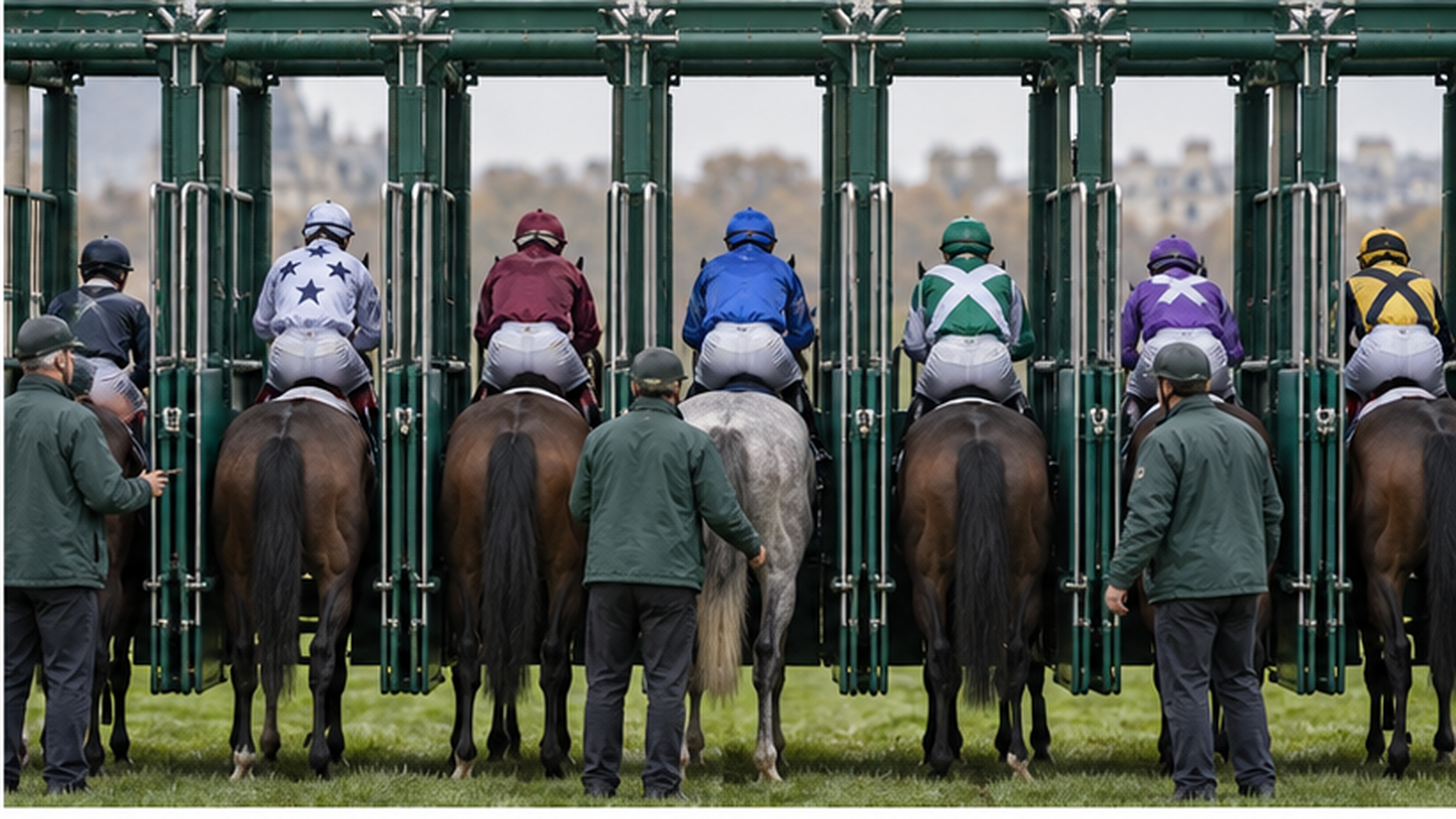
The condition of the ground is a second major factor. Rain can slow the surface and raise the value of stamina, while firmer turf suits horses with a strong turn of foot over the final few hundred metres. Form from earlier races helps, but it does not give a complete answer, since Longchamp combines long straights, bends and the pressure of a big field. For that reason the market for favourites often shifts right up to the start, particularly when the weather forecast remains uncertain.
Large stables have more options, and more decisions
O’Brien’s numbers do not guarantee control. One contender may set the pace and another may wait for the finish, yet every unexpected move by a rival demands an instant response. Jockeys cannot talk to their teams during the race as players do in a team sport, so preparation must cover several scenarios. The best plan leaves enough freedom for a rider to react to the horse’s position without wasting strength trying to correct a poor start.
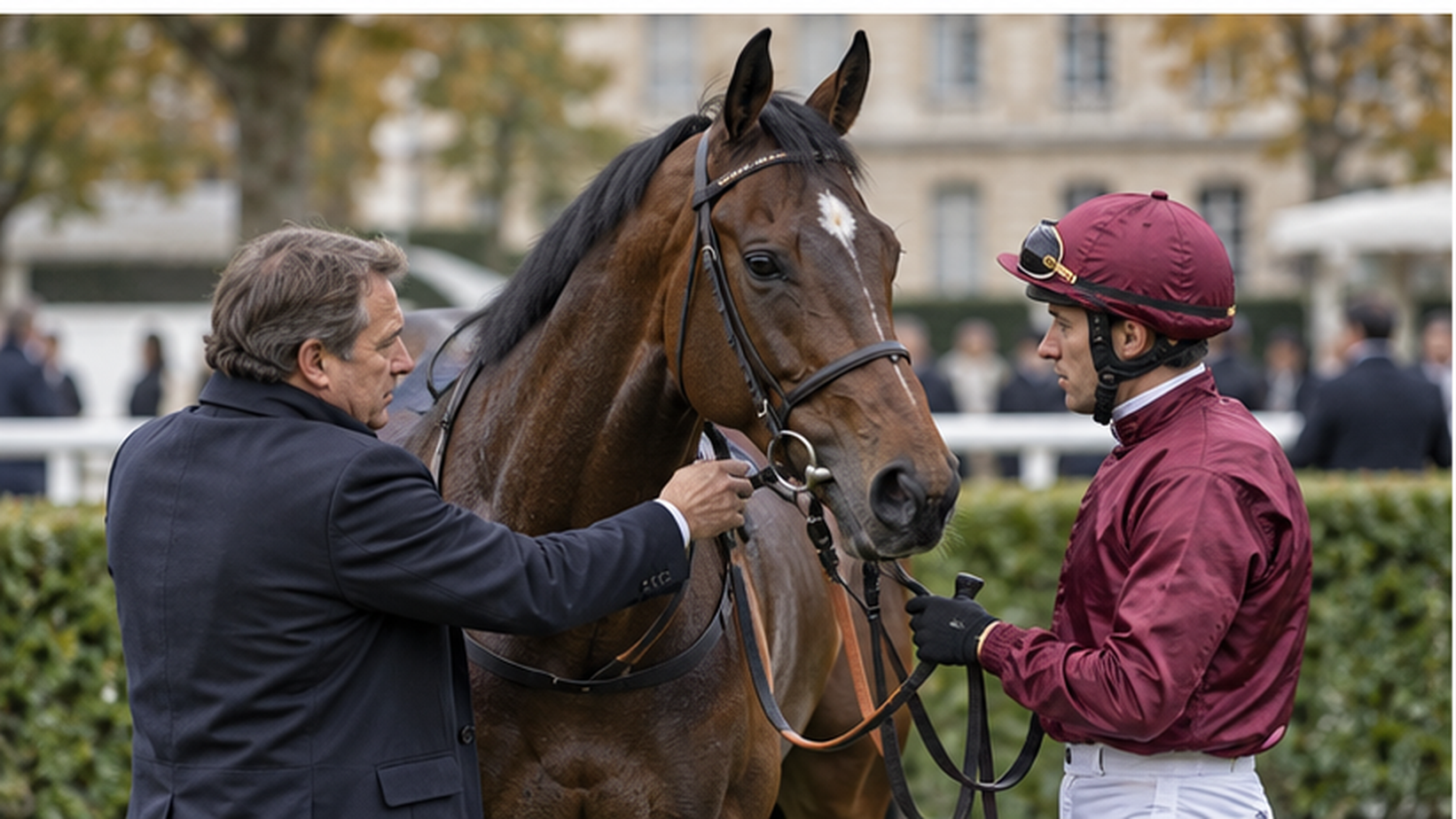
The final list confirms that the race has the depth it needs and several realistic winning candidates. The next key steps are the draw for starting berths, the final veterinary inspections and the official assessment of the ground. Only then will the balance of forces take on a fuller shape. Until the stalls open no name is a certain winner, but it is now clear who is entering the contest and what decisions await trainers and jockeys ahead of Europe’s leading galloping event.
The race also carries real breeding significance. A victory or a high finish can raise the value of a horse and of its future offspring, particularly when the result comes against an international field over a classic distance. Owners therefore sometimes choose to run even when conditions are not ideal, but the professional team must put the animal’s health ahead of commercial gain. The final check of gait, recovery and response to training decides whether each entered horse will actually stand in the stalls.
The public often follows the odds as a summary of expectations, yet they shift with the volume of bets as well as with new sporting information. More useful analysis compares recent efforts on similar ground, the pace of the race and each horse’s ability to quicken after a long stretch. The Triumphal Gate rarely rewards simple arithmetic. A large field creates traffic, and the best horse can lose its position. That is why a jockey’s decisions over a few seconds around the last bend will matter as much as months of preparation.