
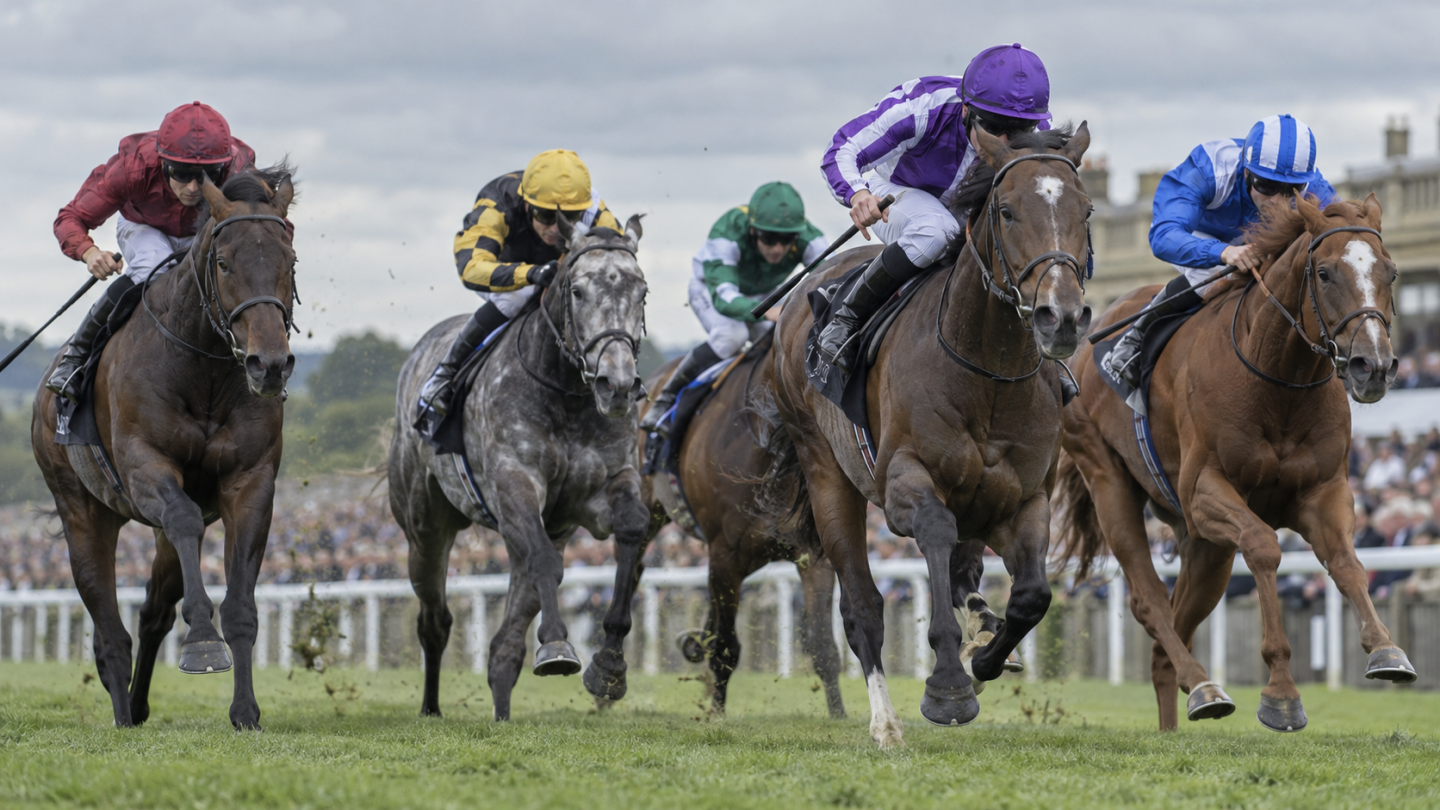
The Dewhurst Stakes, a Group 1, is run on 10 October at Newmarket over 1,409 metres, with five two-year-olds and a prize fund of 485,100 pounds. The key answer therefore comes first: what happened, when, and why it matters. Only after that can the practical consequence be assessed, with a clear line drawn between the data available and what is assumed. This approach keeps the report accurate and allows it to be updated later without changing its core meaning. The next official update should confirm the consequence that is now flagged as the key one.
The winner collects 283,550 pounds, but the race often decides the leading two-year-old of the British autumn. The final result does not always show how the lead was built. It is worth tracking who held responsibility, how the first setback was handled, and whether the same good decision could be repeated. A short turnaround can hide a weak plan, while a quiet spell without big numbers often sets up the decisive moment a few minutes later. Reading the race this way gives the reader a basis for understanding both the outcome and the choices that led to it.
A small field makes early position matter
The jockey has to find cover without losing touch, since slowing the middle of the race can bring the finishing burst forward. The tactical value comes from sequence, not from the number of ideas. A rider first has to secure position and control, then attack the space that has genuinely opened. Connections set the signal for a change in advance, so a single error does not set off a chain of improvisation that pulls the horse away from its main advantage. The execution is then judged by clarity of decision, speed of reaction and the quality of position after the attempt.

The biggest risks are a boxed-in run or an early push against the wind, and young horses have little experience of changing pace. How well the risk is managed decides how long the plan can last. A neutral outcome sometimes preserves position, energy or possession for a better chance, while forcing the pace without preparation invites a counterattack. The balance between gain and danger shifts with time and result, so the same decision is not equally sound at the start and in the final furlong. The true measure of discipline will be how often danger is recognised before it turns into damage.
The soft ground tests two-year-old stamina
The split times in the middle section, the lengths behind the leader at the 400-metre mark and the speed over the final 200 metres all matter. These figures make it possible to check conclusions after the event. The final score shows the outcome, but only a comparison by sectional period reveals where the lead was created and whether it can be repeated. It is especially useful to separate the initial plan from decisions made under fatigue, since that shows how steady the technique was and how well the horse was prepared. Looking at the values in order will make clear whether a change was planned, temporary or accidental.

A victory brings candidate status for next season’s major classics and has a strong bearing on breeding value. The significance does not end with the final result or decision. A good performance opens a new opportunity, but consistency is what confirms the improvement can be sustained. A weaker result can still be useful if it produces two or three precise tasks. Changing everything at once usually hides the real cause and makes the next check harder. That follow-up gives today’s news lasting value and links the immediate outcome to the next realistic goal.
The winner will probably stay relaxed in cover and change rhythm without losing ground on the softer finish. The conclusion must therefore stay tied to the evidence currently available. The best next test uses the same checkpoints under different conditions, so it becomes clear what belongs to quality and what to circumstance. Repeating a good pattern against a new challenge carries more weight in the assessment than one eye-catching move. For that reason the final verdict should only be updated once a new, comparable data point comes from the official event.