
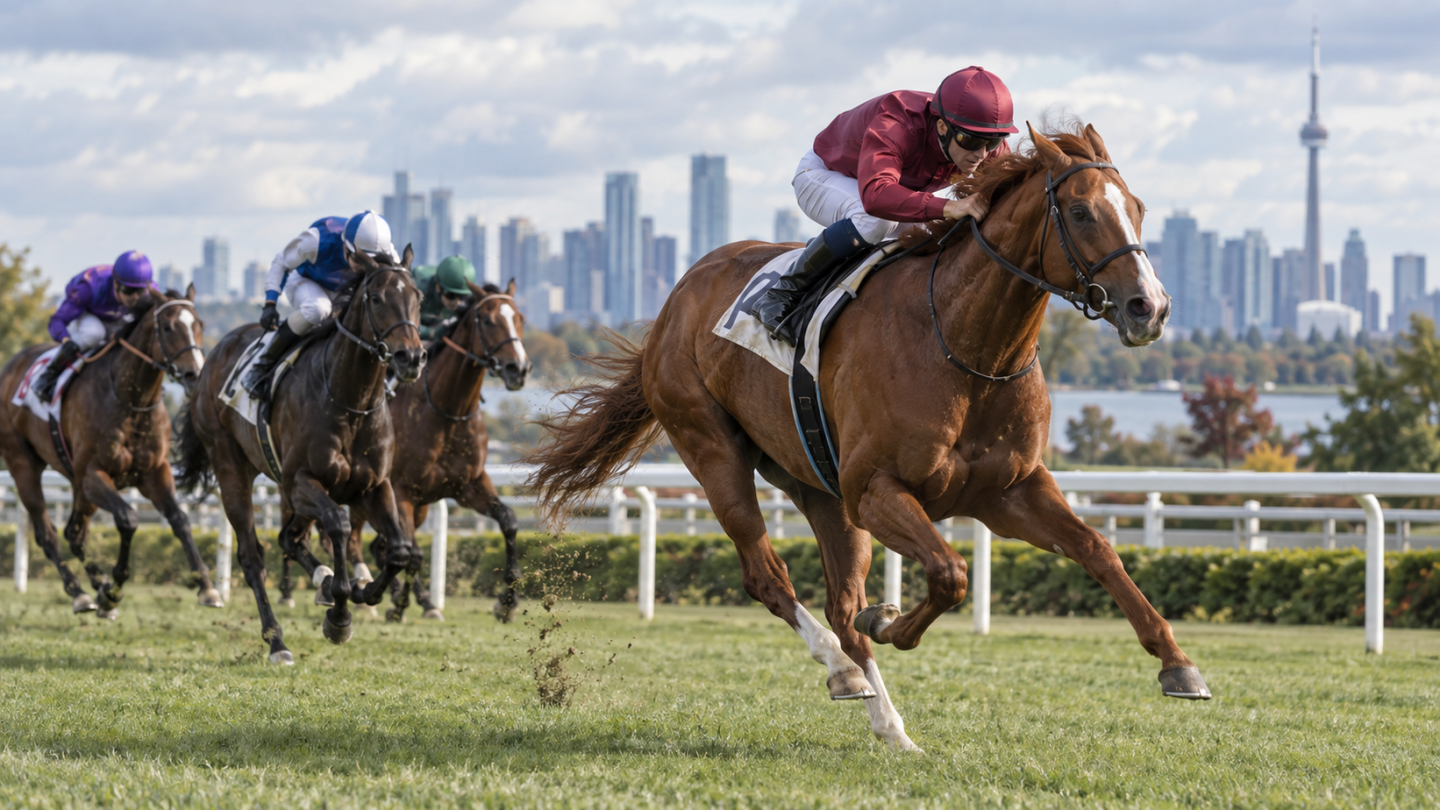
Power of Destiny leads a field of seven fillies and mares into the Dance Smartly Grade 2 on Saturday, run over the turf course at Woodbine. The distance is a mile and a sixteenth, and the purse stands at $200,000. The winner earns an automatic berth in the Pegasus World Cup Filly and Mare Turf 2027.
The five-year-old daughter of Sea The Stars has been building a North American campaign since May under trainer Jamie Bagg. Across five starts she has recorded a win, a second and a third. Her best effort came on her first turf outing in North America, when she prevailed by a neck over the same distance.
Before that, she finished second on the main track on her Canadian debut, and in the Grade 3 Belle Mahone Stakes she was out of the leading positions. The change of surface then brought a sharper rhythm and a more relaxed stride. Pietro Moran takes the ride, already familiar with how she responds in the closing stages.
The same distance suits her running style
Power of Destiny looks her best when she can settle behind an early pace and save her acceleration for the final bend. A mile and a sixteenth allows enough time to find position without giving away too much ground. Moran must avoid traffic without using up energy early on the outside.
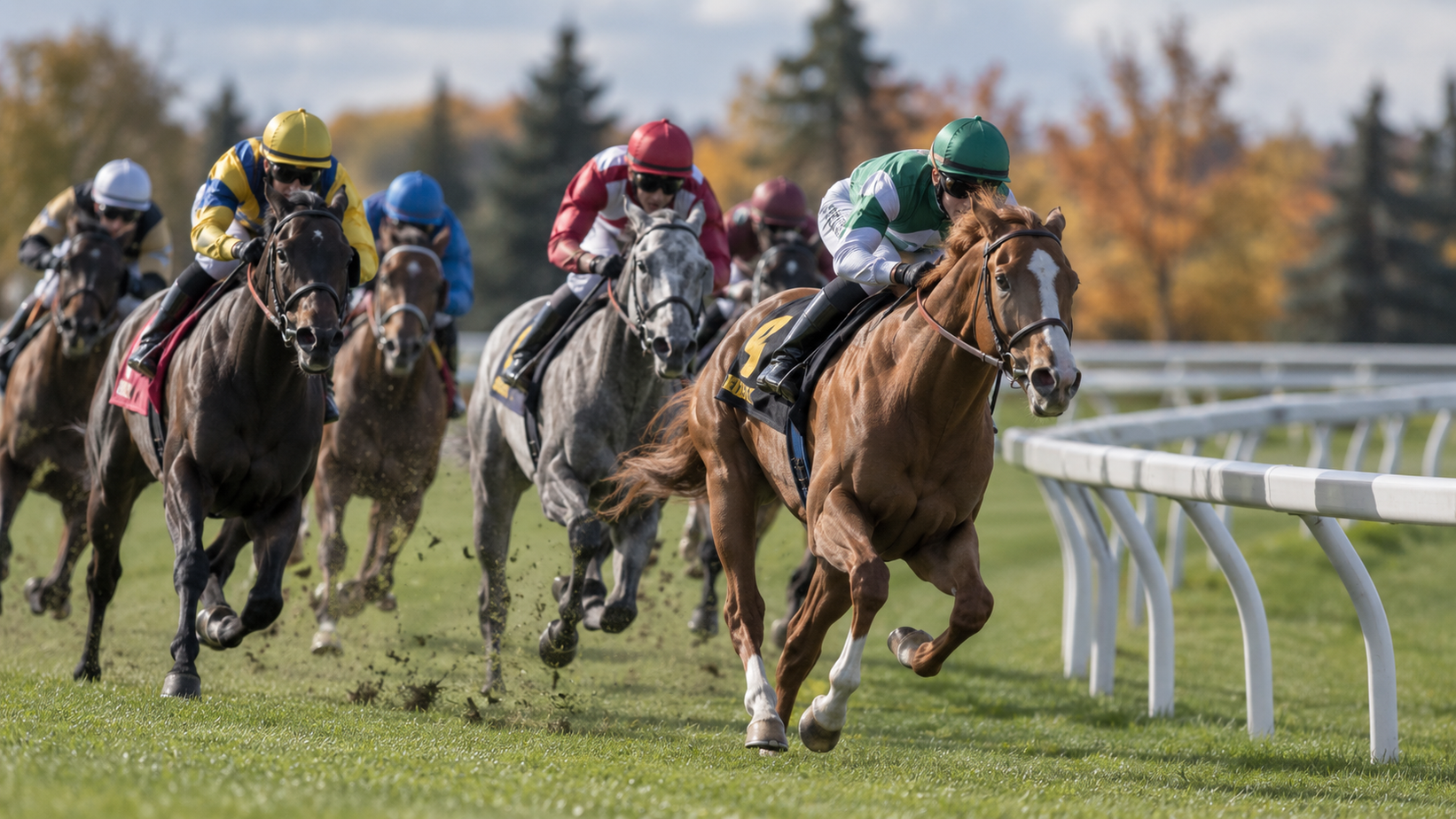
With seven runners, the chance of a complete blockage on the rail drops, though every tactical move carries more weight. If no filly sets a serious pace, the front-runners can keep their advantage. In that case the favourite must move earlier and cannot rely only on a late burst.
Her pedigree supports stamina on grass. Sea The Stars has left offspring who hold their speed through middle and longer trips, while the female line through Kingman adds acceleration. Breeding does not change the need for the filly to relax in the paddock and through the opening stages of the race.
A Pegasus berth changes the value of the result
The trainer will pay close attention to the state of the ground. Firmer turf rewards an economical stride and a good position, while a softer surface raises the cost of an early challenge. The choice of plates, the warm-up and the reading of the wind therefore become part of the same plan, not minor details before the start.
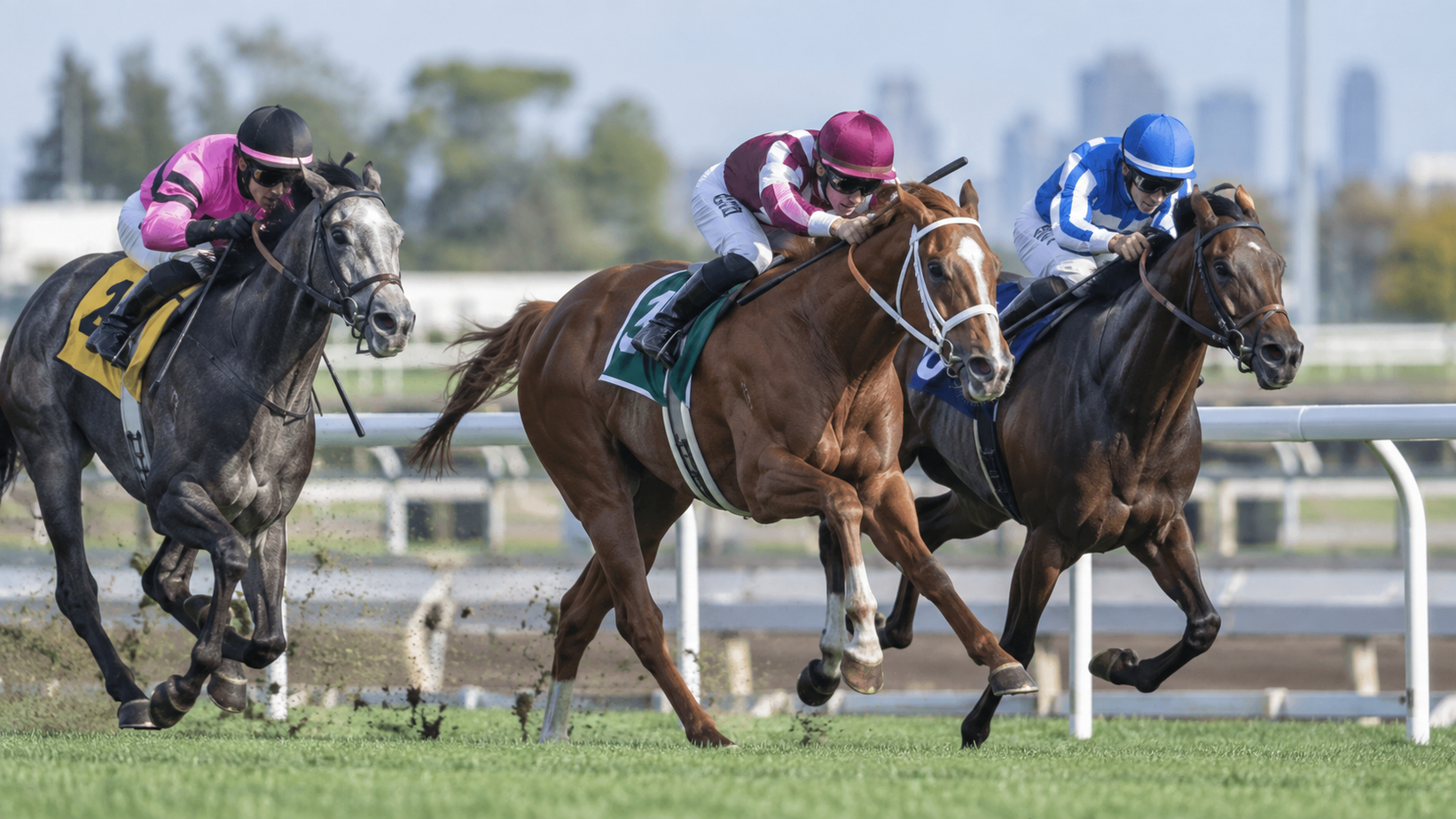
The automatic Pegasus berth raises the stakes beyond the purse itself. A win would secure the team an early place in the big January event and allow a more precise winter schedule. At the same time, the berth only makes sense if the filly returns from the race sound and her form continues to develop properly.
Dance Smartly carries the name of a great Canadian champion and traditionally demands a blend of speed and stamina. Power of Destiny has results that put her at the centre of attention, but she does not enter without questions. Her ability to repeat her best turf performance under greater pressure will decide whether the North American chapter gains its first major trophy.
After the race, the decision on her next start must wait for a full veterinary check. Pulse, gait and the recovery of her appetite give a more reliable picture than the finishing position alone. If Power of Destiny wins the berth, the team will have enough time to build a winter plan without rushing. If the result does not come, the same data will help choose a more suitable distance and level for the next step of the North American campaign. The next start or the official result will show how far this conclusion holds under new pressure. The figures should be read together with the quality of the opposition, the conditions and the decisions taken at key moments. It is important to separate a single result from the long-term trend: one success confirms good preparation, but only repetition shows consistency. The coaching staff should therefore measure a few clear indicators, compare them with the previous outing, and change only what has proven to be a weak point. That approach protects confidence and still leaves room for progress. The reaction of immediate rivals will also matter, because a plan changes as soon as an opponent recognises a winning pattern. For that reason the analysis should also cover situations in which the original plan did not work. The best performances come when a team or athlete can hold on to core strength and make a small, well-timed adjustment during the event.