
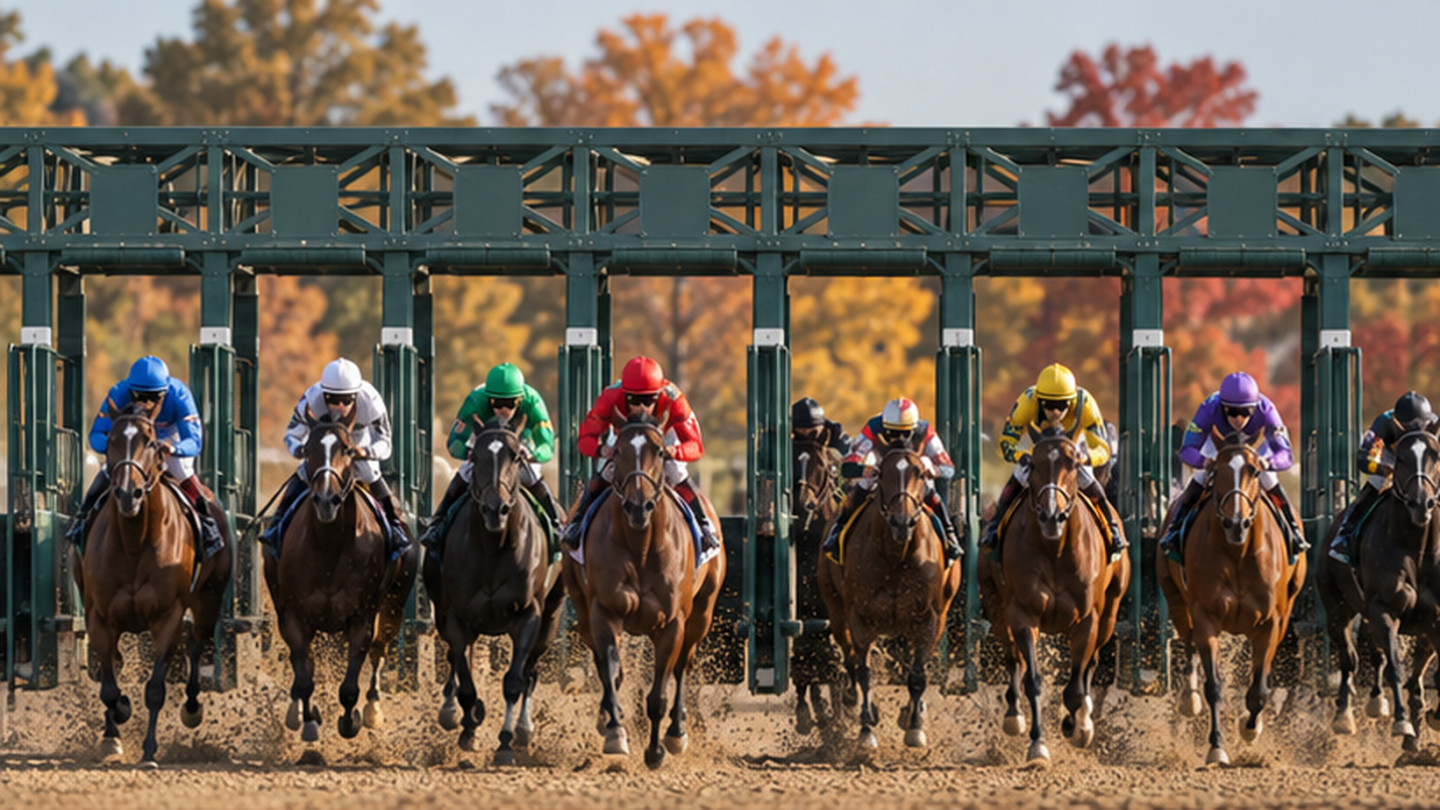
Keeneland launches a 17-day autumn meeting with a card featuring 11 major races worth a combined $6.35 million. The opening weekend brings six Grade 1 events and eight contests that hand winners a direct berth in the Breeders’ Cup. Such a concentration of quality turns the start of October into one of the most important tests of the American racing season. Trainers are chasing wins, weighing up form, and deciding whether a horse can handle one more peak before month’s end.
The meeting carries extra weight because the Breeders’ Cup is also being held at Keeneland this year. Horses get the chance to learn the track, the surface, the paddock and the length of the stretch ahead of the biggest day. That can be an advantage, but it demands careful management of workload. A demanding race four weeks earlier can leave its mark, while a cautious run gives no real picture of readiness for stiffer competition.
Young hopefuls face their first major test
Attention will fall on unbeaten two-year-olds stepping up into much stronger company for the first time. Two wins in opening races show talent, but a big occasion brings more runners, faster fractions and traffic in the first turn. A young galloper has to accept the kickback, keep its position and respond when the jockey asks for more. One untidy trip can reveal far more than an easy victory against weaker fields.
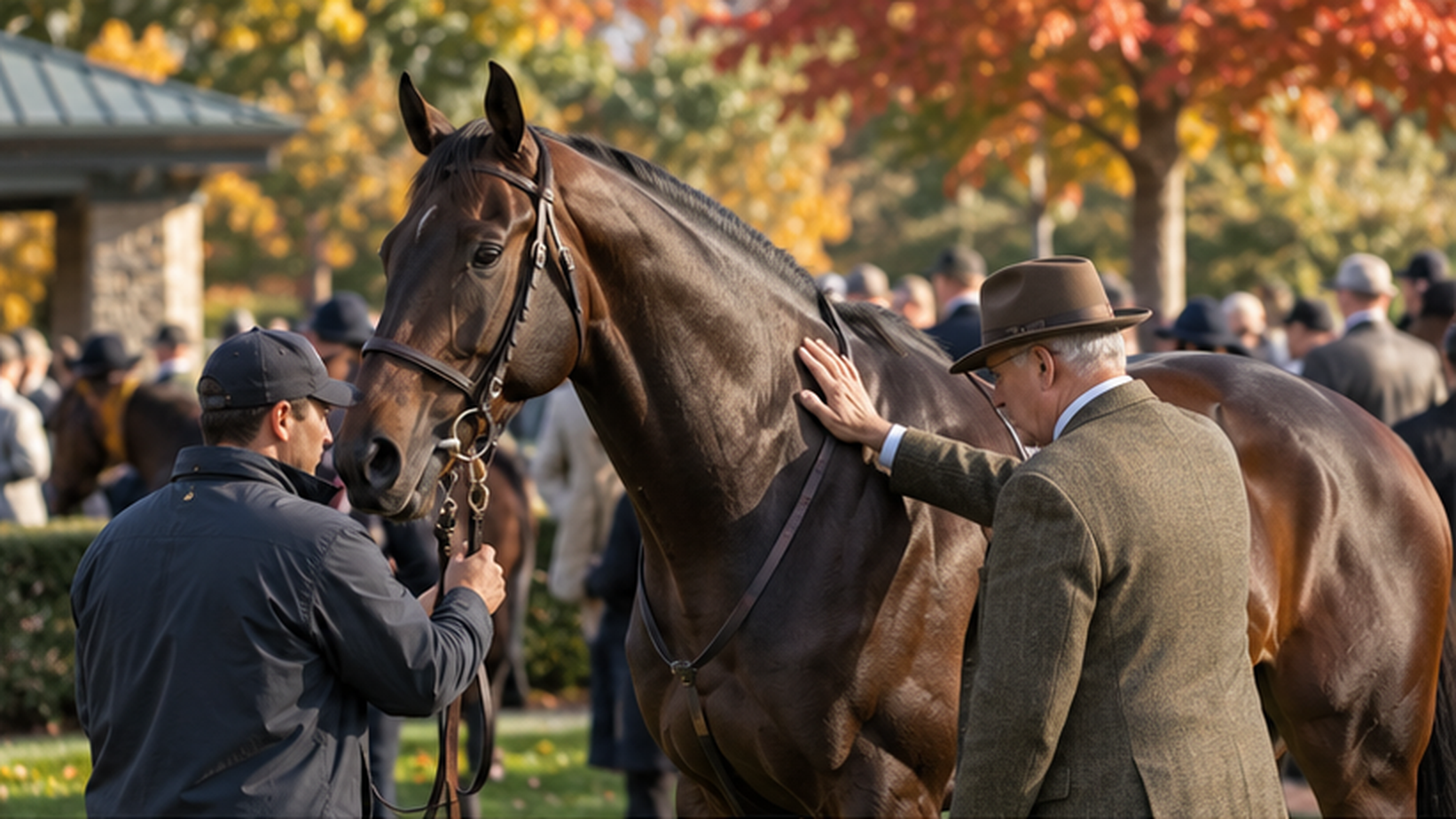
For trainers, the result is not the only piece of information. Breathing after the line, recovery the next morning and behaviour under pressure all matter. A horse may finish second and still show it is ready for a longer trip or a different pace. By contrast, a win earned through huge effort may lead connections to skip the next major event. The autumn programme demands decisions that protect both the immediate opportunity and the long-term career.
Keeneland’s surface and its relatively short homestretch reward a good position, but they do not rule out a closing run from off the pace if the tempo is fast enough. Jockeys have to read the balance of power in the field quickly. Forcing the pace early can burn a horse out, while waiting too long leaves too little room to pass rivals. Knowing the track carries value, which is why local riders and teams with previous experience there hold a small but genuine edge.
Direct qualifiers change the tactics
The system of wins and entries reduces uncertainty about places in the Breeders’ Cup, so some stables can afford to be more aggressive. A winner does not need to chase extra points or another preparatory race. That allows rest and more precise work up to the end of the month. For horses that fail to win, the decision becomes more complicated: try again at short notice or rely on rankings and earlier results.
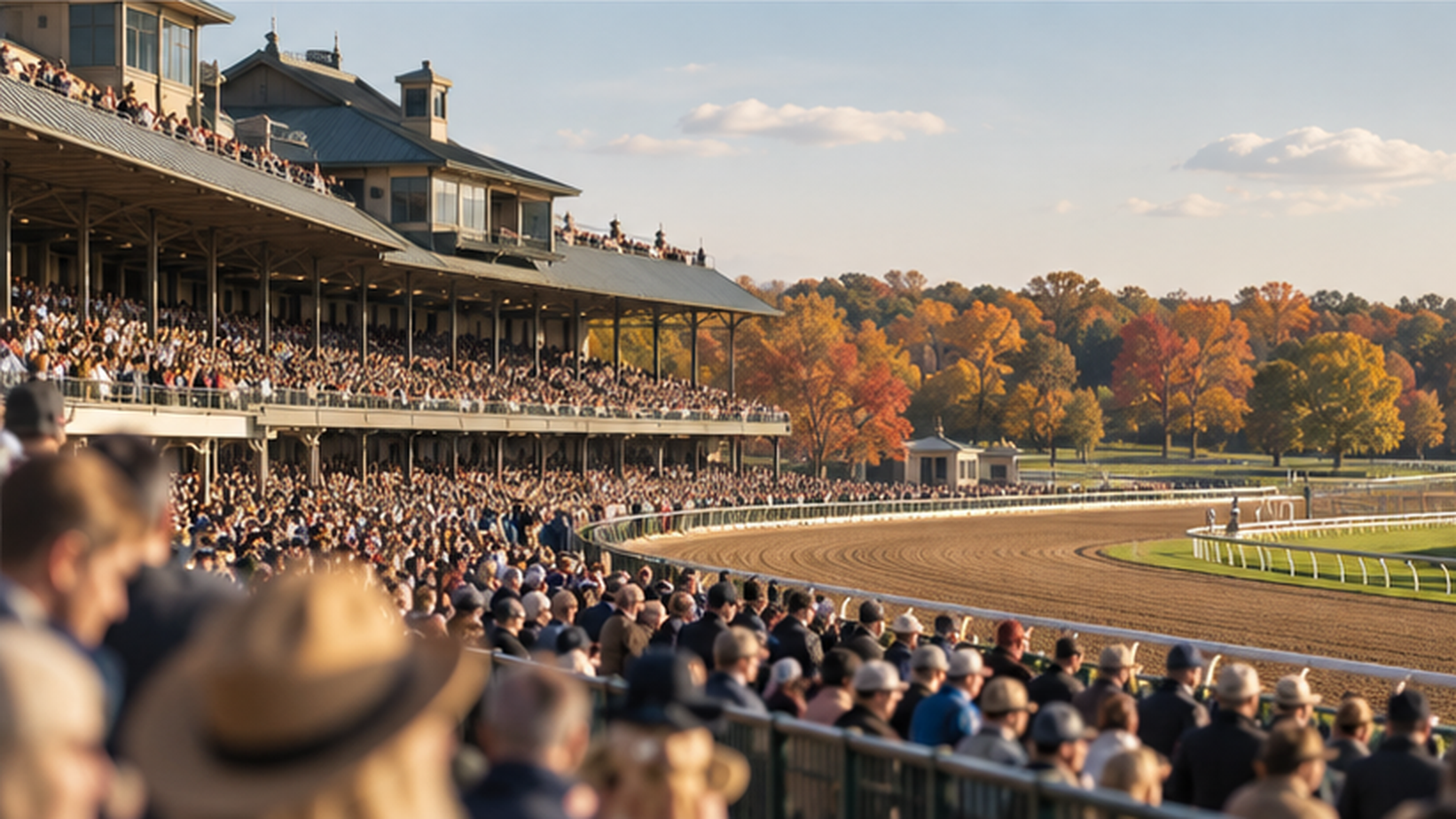
A large prize fund draws the best stables from across the country, which raises the quality and makes form harder to compare. A horse that dominated on one circuit may meet a rival with a different style for the first time. Such duels provide the most valuable information before the season’s close. Spectators get a view of new stars, while owners receive a more realistic assessment of both sporting and future breeding value.
The autumn meeting is therefore more than a string of rich races. It is the final major check before the Breeders’ Cup and a chance to confirm form over the same track. The most successful teams will not simply chase the fastest time, but a clean run and a quick recovery. Six Grade 1 races on the first weekend give the programme exceptional strength, and each winner immediately becomes a name to watch as October draws to a close. Veterinary checks will matter just as much as the stopwatch. Young horses should not be pushed towards the Breeders’ Cup merely because they have earned an automatic place. Movement, appetite and recovery after effort give a team a clearer picture than public excitement. When signs of fatigue are visible, skipping a big event may be the best decision for the future. A top stable tells an opportunity apart from the pressure to grab every chance straight away.