
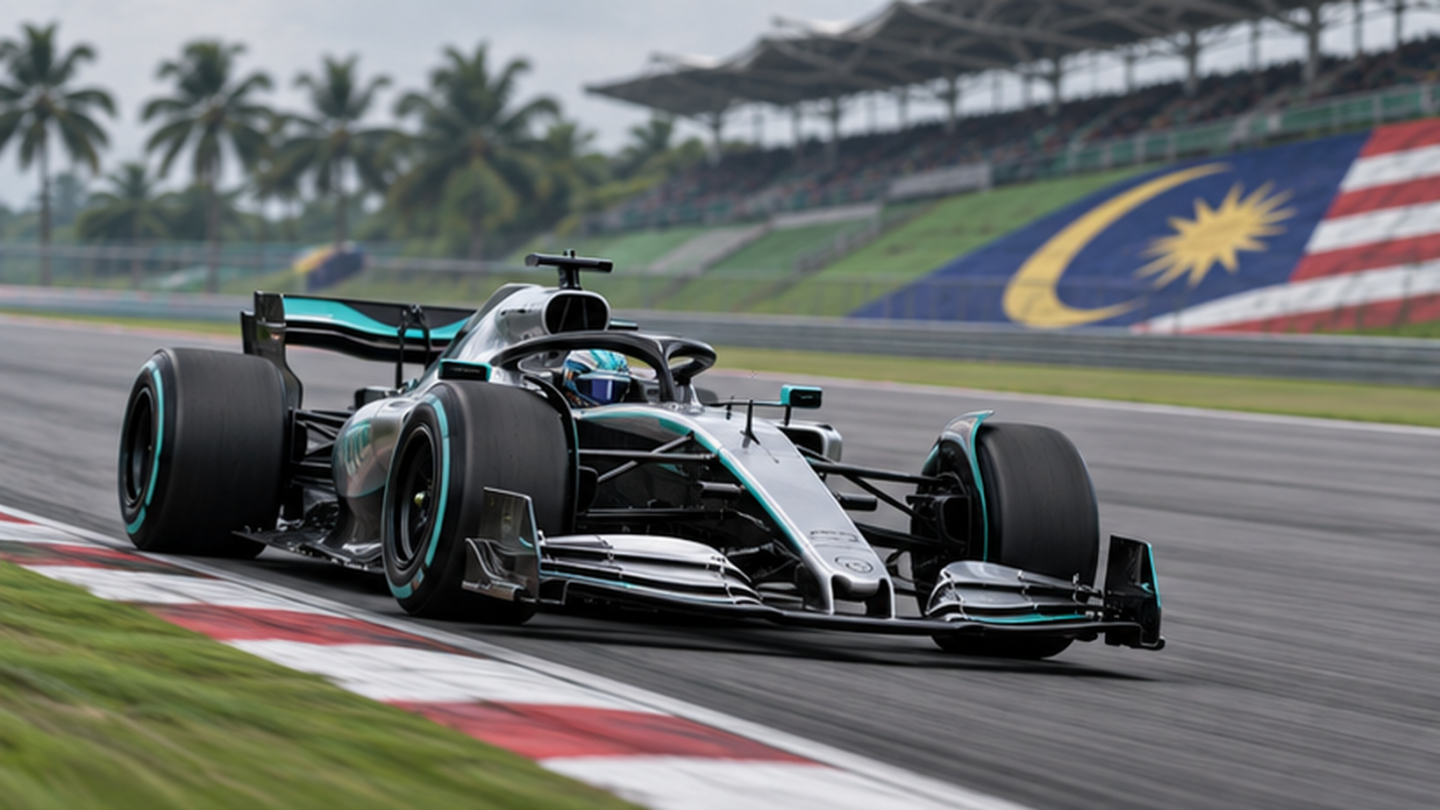
Mercedes has arrived in Malaysia with an unusually extensive upgrade package for the W17, trying to ease the weaknesses that held back its drivers over the season. The changes come in the final part of the championship, when teams usually spend their resources more cautiously because work on the next car is already under way. The decision shows that Mercedes still sees room to improve the current concept and wants data that can help future development, not just a short-term result at Sepang.
Initial images point to changes in the aerodynamic surfaces and in how the airflow is managed around key parts of the car. The real effect cannot be judged by eye alone, since each element works as part of the whole package. A new component may add downforce but at the same time shift the balance through fast corners or change how sensitive the floor is to ride height. That is why Friday will be spent comparing data rather than chasing the fastest lap every time out.
Sepang offers a serious test for the changes
The circuit combines long straights, slow bends and quick changes of direction, so it calls for low drag and a stable aerodynamic platform. The high temperatures add further strain on tyres and cooling. If the upgrade only works within a narrow range of set-up options, the drivers will struggle to find a compromise for qualifying and the long race. Mercedes needs to check the behaviour with both light and heavy fuel loads, because a gain over one quick lap means little if the tyres degrade faster.
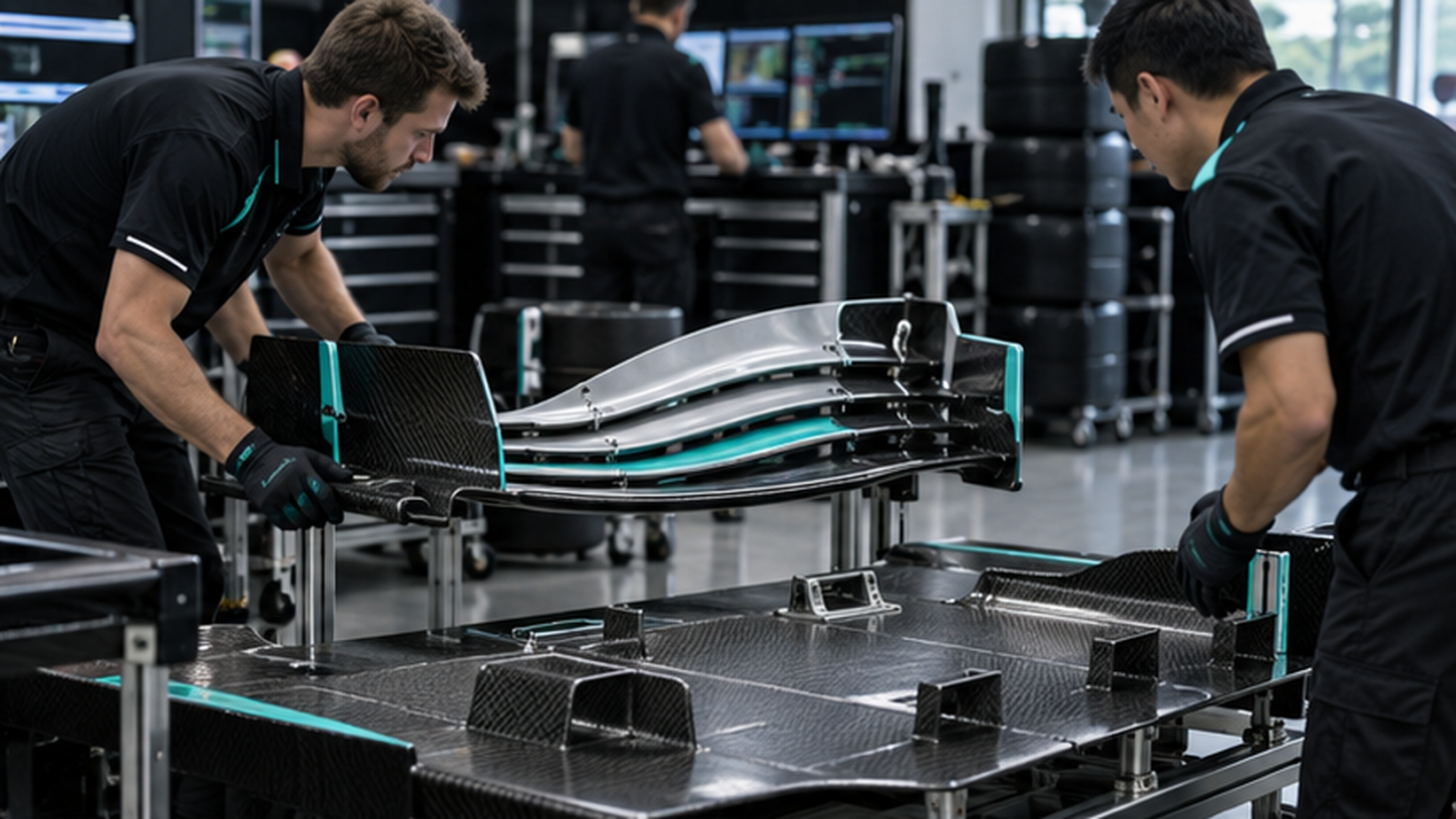
Engineers will use sensors and back-to-back runs to connect data from the wind tunnel and simulations with the real situation on track. Sometimes a package delivers the expected amount of downforce but does not give the driver enough confidence to use it. Feedback from George Russell and his team-mate will therefore matter as much as the numbers. A more stable rear end on corner entry can be worth more time than a theoretically higher peak that is hard to control.
The result also matters for the next development direction
Mercedes has to decide which ideas it can carry into the next project. Regulations and construction may change, but an understanding of airflow, correlation and tyre behaviour remains useful. If the upgrade proves successful across different configurations, it will confirm that the team has solved part of the core problem. If the result depends only on Sepang, the package will be a local improvement with no wider value. That is why the assessment will continue at the races that follow.
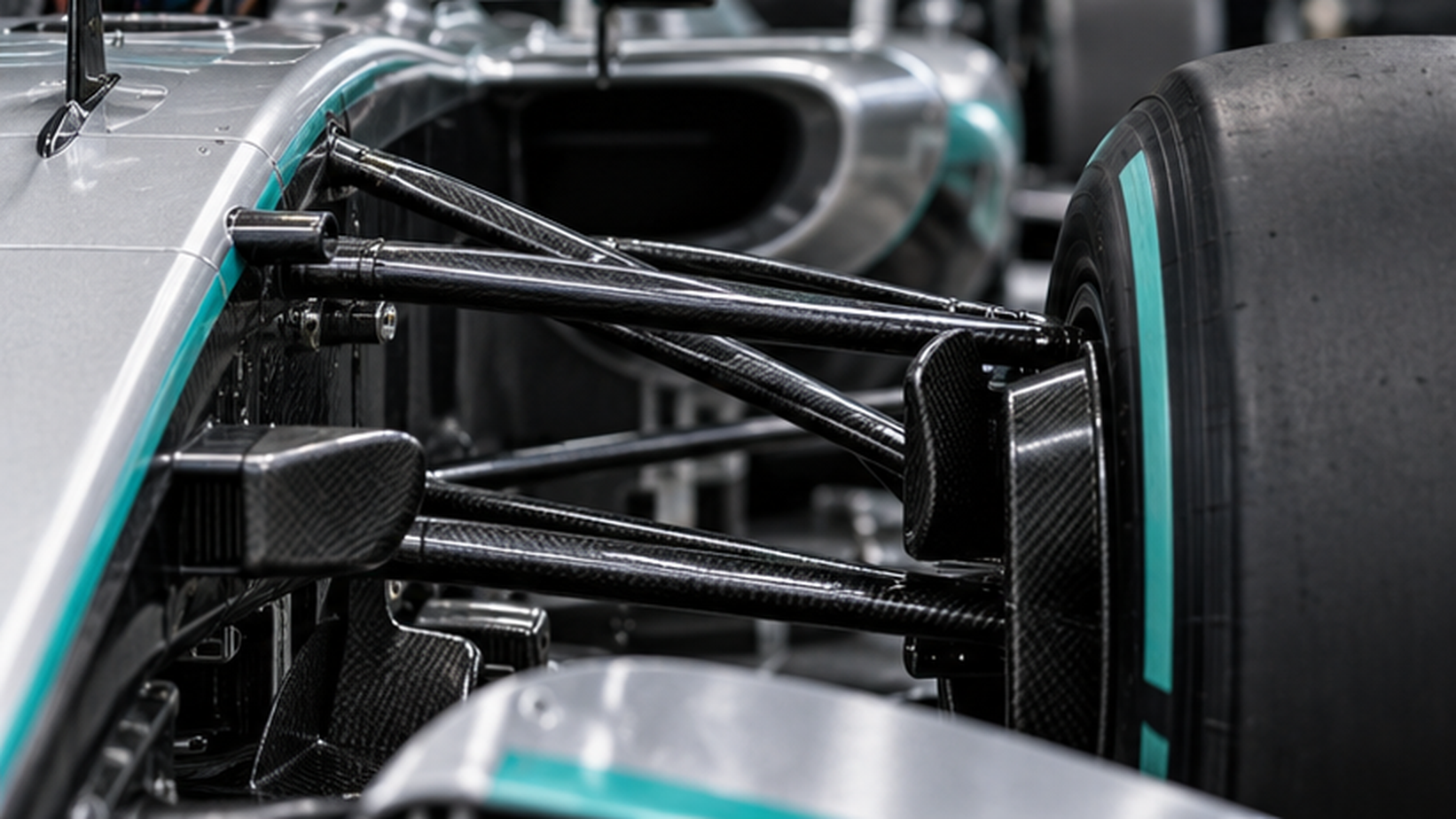
Rivals will not stand still, so Mercedes does not measure progress only against its own previous times. What counts is the relative gap under the same conditions and the ability to hold pace over several laps. A red flag, a shift in wind or rain can blur the comparison, which is why the team has to gather enough clean runs. Only after qualifying and the race will it be clear whether the W17 uses its tyres more easily and gives the drivers a wider window for adjustment.
A large package does not guarantee a turnaround, but it is a concrete attempt to keep the season from fading out. The first goal is to confirm reliably that the parts work as intended, then find the best set-up, and only then judge where the car finishes. Malaysia will give an initial answer, while the coming circuits will test whether it can be repeated. For Mercedes the key is to draw a clear technical conclusion from the upgrade, whether or not it brings a podium straight away. Particular attention will go to speed through medium-speed corners and stability under braking, two areas where a driver quickly feels a change in balance. A useful package has to work across different temperatures and with several tyre compounds, without requiring an overly complicated set-up. If the team gains a wider working window, the benefit will show even when conditions are not ideal. Telemetry from both garages will allow the check to be made without relying on the impression from a single lap.