
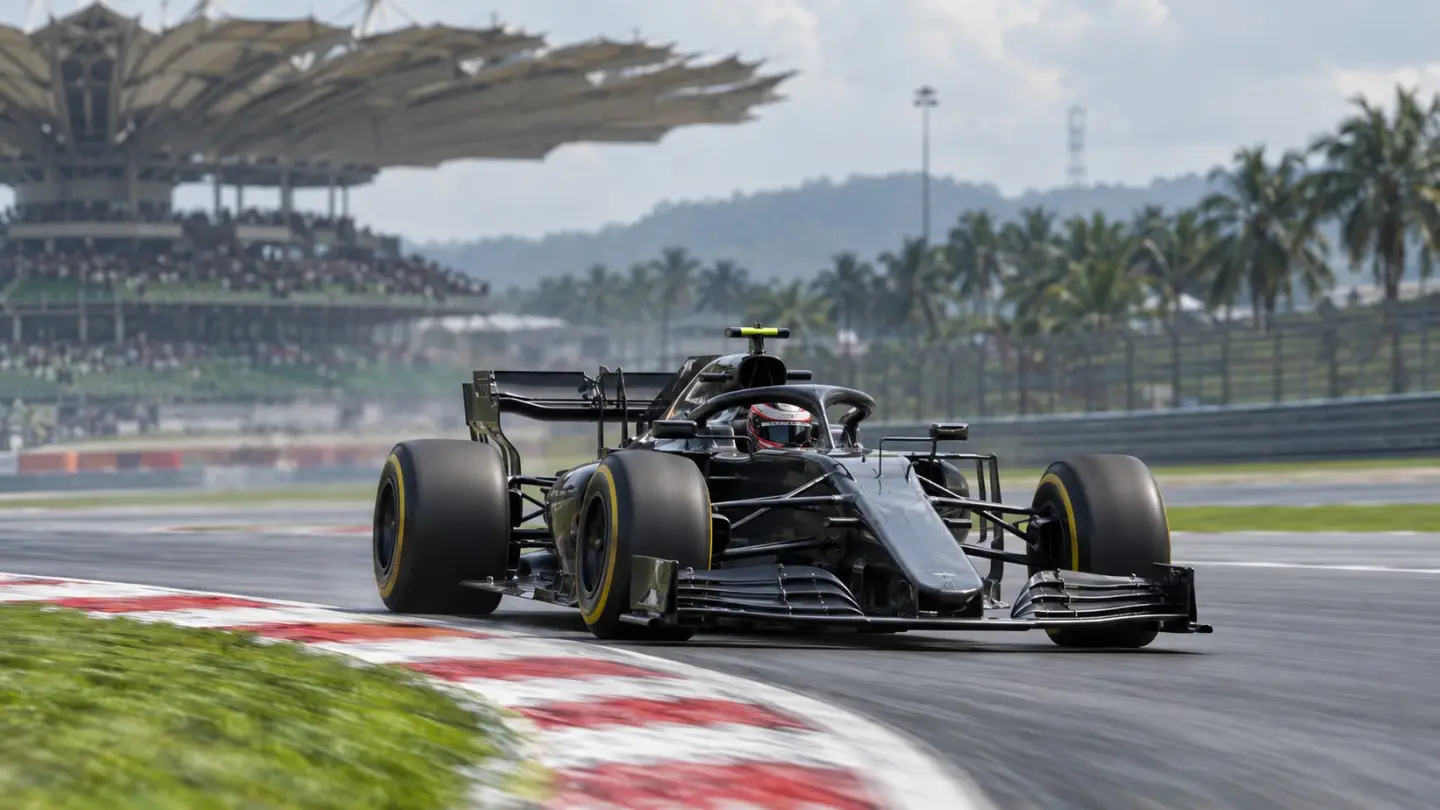
Malaysia has opened talks on bringing its Grand Prix back to the Formula 1 calendar on a permanent basis, Prime Minister Anwar Ibrahim confirmed after a meeting with the championship’s chief executive Stefano Domenicali. Sepang hosted the relocated Bahrain Grand Prix in Malaysia over the weekend. That arrangement was a one-off and does not, in itself, mean the national race is coming back in the seasons ahead.
Ibrahim stressed that the process will take time, since Formula 1 already has a full schedule and contractual commitments to its existing hosts. The government has to weigh the cost, the national interest and the long-term economic benefit. Earlier estimates put the annual outlay at around 300 million ringgit, which turns the decision into a matter of public finance, tourism and international promotion rather than fan enthusiasm alone.
Sepang has a clear advantage over entirely new projects. The circuit already exists, teams know it, and it has experience running major motorsport events. The 2026 weekend showed that the facility can handle a modern Formula 1 programme after nine years without the sport. Regular hosting, however, demands upkeep, logistics and a commercial plan that works every season.
Sepang has shown it can host a major event again
For Formula 1, a Malaysian return offers a strong track that combines long straights, quick changes of direction and the possibility of weather swings. Sepang often produces more varied tyre strategies and overtaking opportunities than narrow street circuits. Sporting quality, though, is not the only yardstick. The organiser is comparing financial offers, market reach and where the event sits in the global travel calendar.
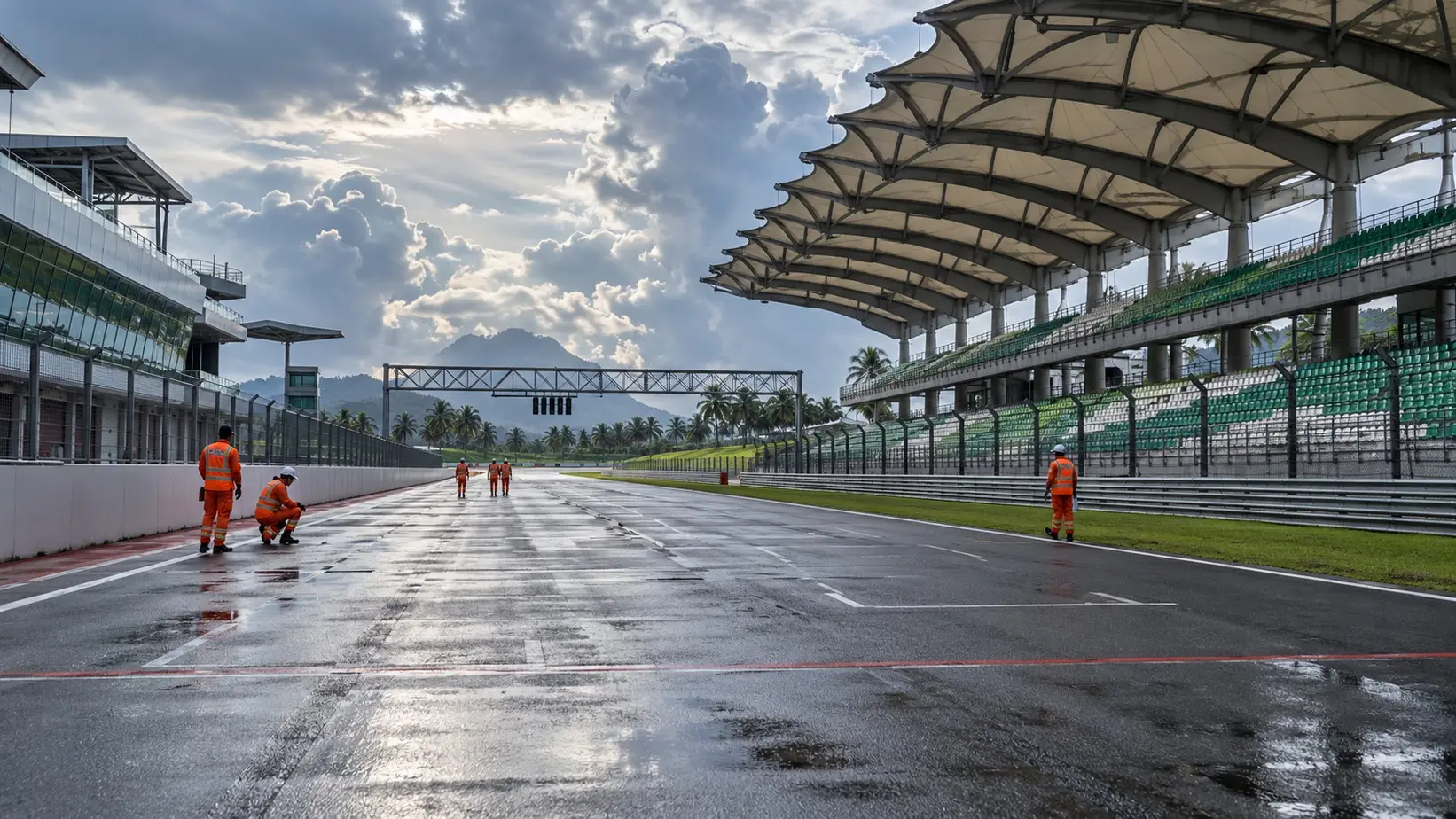
The calendar is currently the main obstacle. Adding Sepang without increasing the total number of races would require rotating a race out or waiting for another host’s contract to expire. Adding weekends would strain teams, staff and freight. A more realistic route may be a multi-year preparation period before a first free slot, backed by a funding model agreed in advance between the government, the circuit and private partners.
The one-off race has produced data that can now replace guesswork. Malaysia can measure attendance, hotel occupancy, international arrivals, television reach and direct spending. These figures must be set against the public cost and the investment that would be needed over several years. A full grandstand is a strong signal, but on its own it is not a complete business case.
Cost and existing host contracts remain the main hurdles
Ibrahim’s conversation with Domenicali marks the start of negotiations rather than confirmation of a deal. The next steps include a government decision, a precise offer and a check on the availability of dates. Fans can therefore see genuine political will, but not yet a date for a future Malaysian Grand Prix. Presenting the return as settled would be premature.
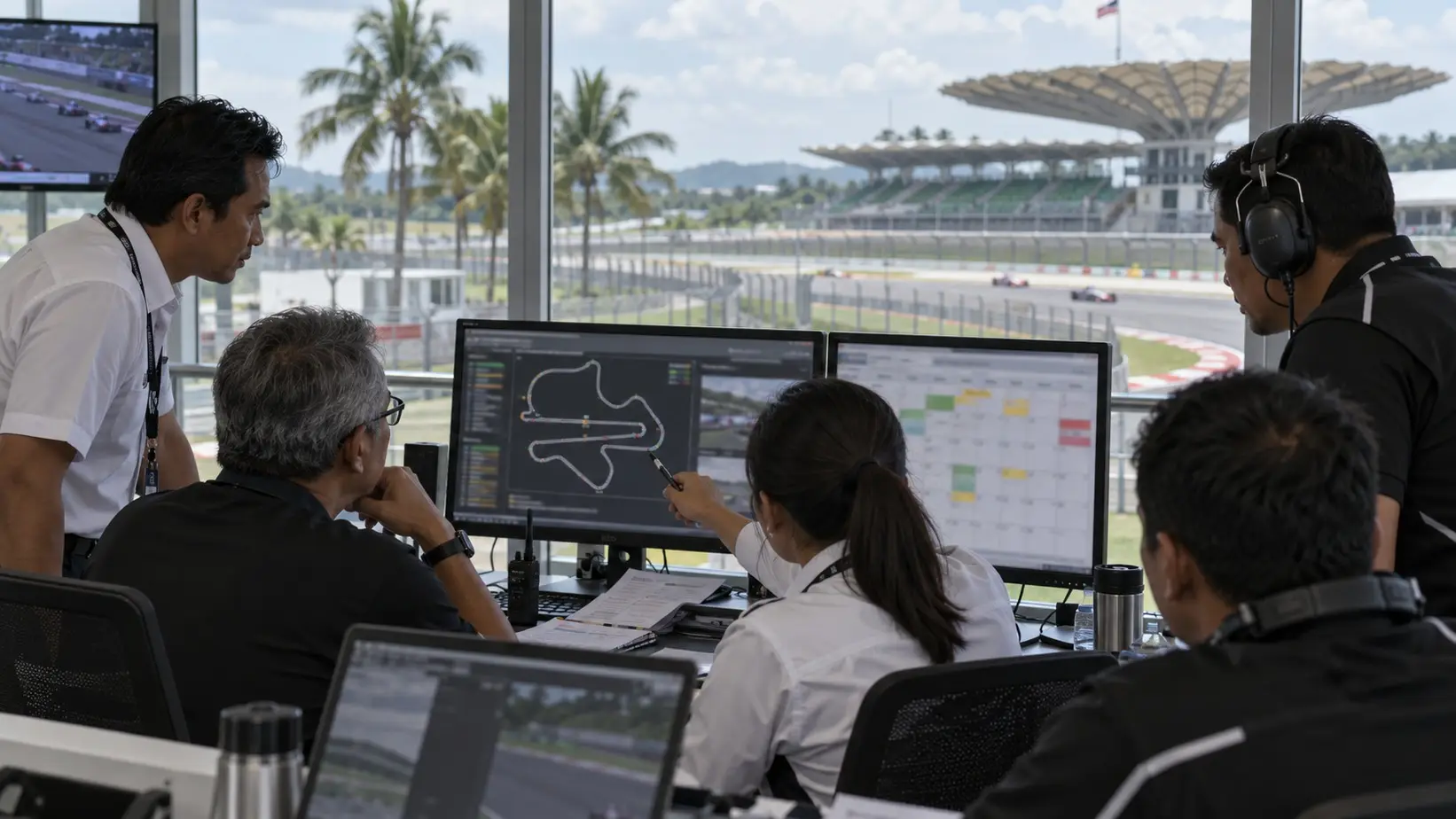
The best outcome for Sepang would be an agreement that protects the quality of the event and has sustainable funding behind it. A race staged only on the back of a brief wave of excitement could disappear again once costs rise. If Malaysia can demonstrate economic benefit, secure partnerships and find a suitable place on the calendar, a return could become stable. The 2026 weekend opened the door; the talks will now decide whether it stays open.
Post-race analysis should separate pace from circumstance. Grid position, traffic, wind, track surface and the timing of tempo changes can all inflate or hide the real quality of a performance. The team will therefore compare sectors and decisions, not just the final position. That approach shows where the result was genuinely earned and what can be repeated under different conditions.
Recovery for both equipment and athletes begins straight away. Mechanics check for signs of load, while the support staff monitor fatigue, hydration and the minor aches that do not fully register during competition. The next outing is not improved by extra training at any cost. It is more useful to fix one technical weakness and arrive at the start with reliable equipment and a clear plan.
Rivals will now use this result as a new reference point. They may change their tempo, attack earlier or try to shut down the winner’s strongest line. For that reason a successful plan cannot stay fixed. Its value lies in the principles of energy management, risk assessment and precise communication, while the specific move is adapted to the next track or route.