
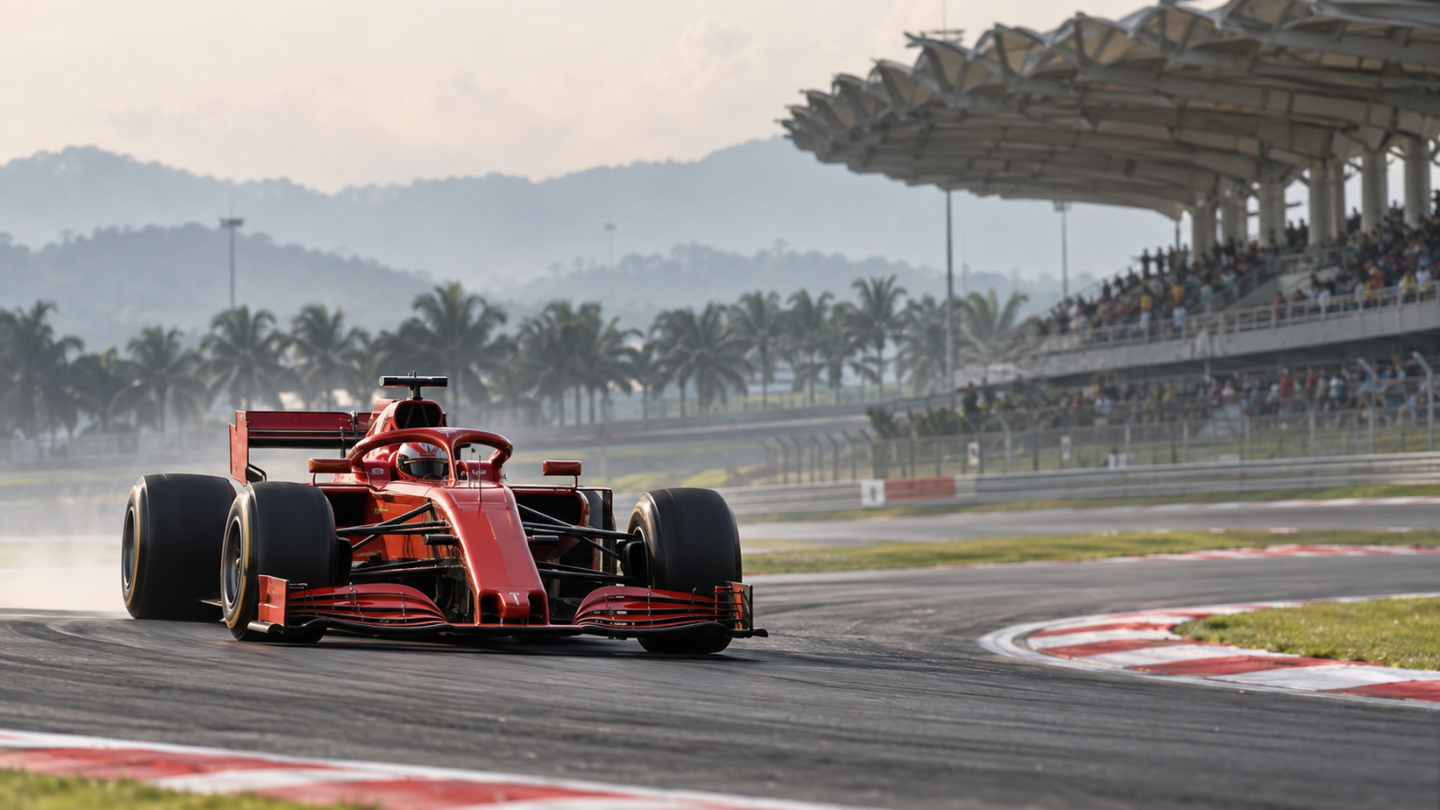
Charles Leclerc was the quickest in the second Formula 1 practice session at Sepang, clocking 1:37.528. The Ferrari driver finished 0.099 seconds ahead of Isack Hadjar and 0.137 ahead of Lando Norris. The top five, including Max Verstappen and Lewis Hamilton, were separated by just 0.305 seconds.
The session opened under dark clouds and a forecast that suggested a strong chance of rain, so teams sent their cars out early. Most began on the medium compound, while McLaren, Cadillac and Pierre Gasly went out on softs to gather data before any change in conditions.
Early on, Verstappen set 1:37.785 on the medium tyre, while Hadjar reported some instability in his car. Later runs on the soft compound reshuffled the order. Leclerc made the most of a clean lap, and in the final stages teams focused on longer runs and assessing tyre wear.
A small gap hides different team programmes
A single flying lap gives Ferrari encouragement, but a direct comparison stays limited by fuel load and the timing of each run. Track temperature, traffic and the evolving grip can shift the picture by several tenths. For that reason, engineers first compare drivers within the same team and only then judge their real gap to rivals.
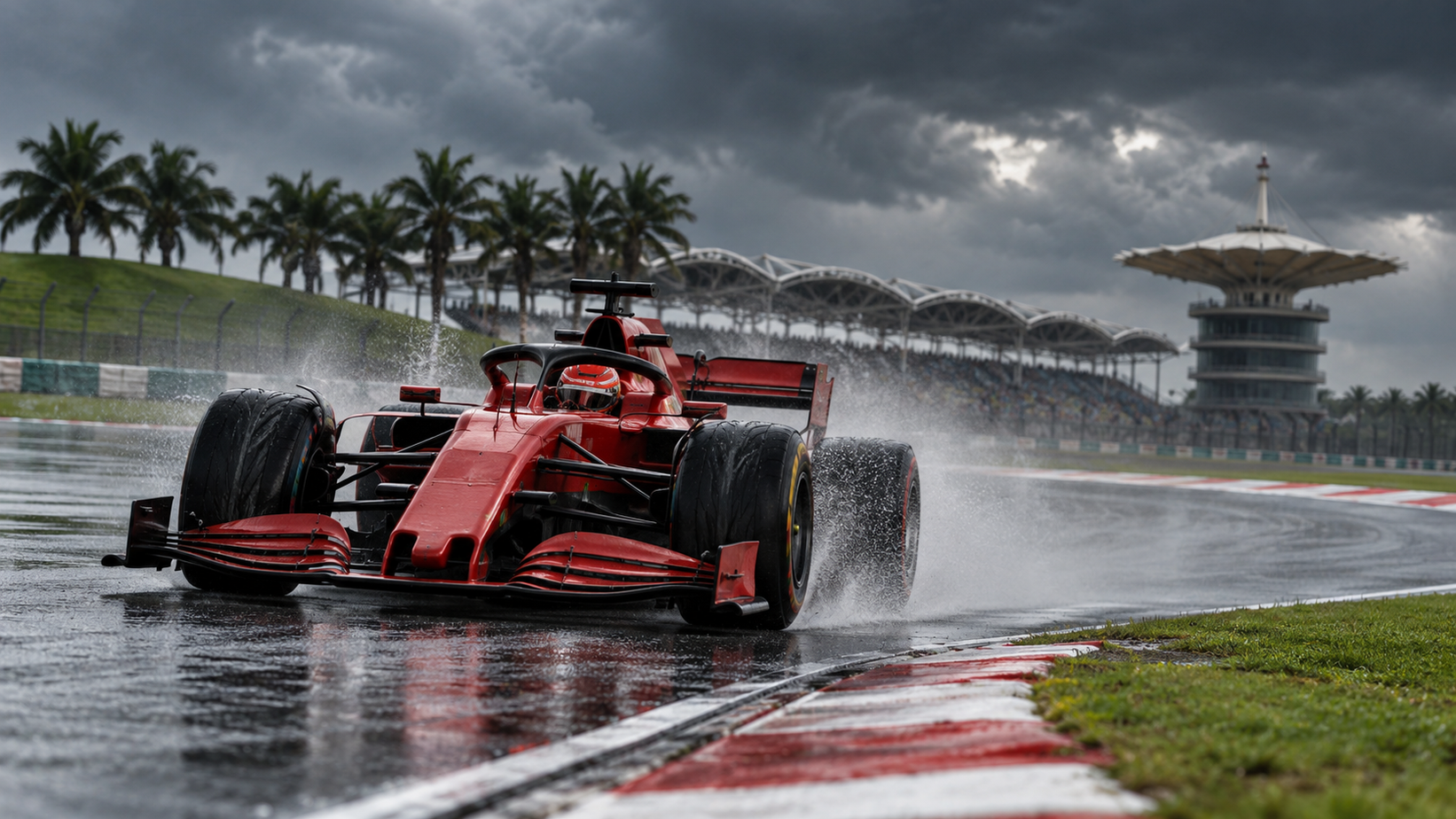
Hadjar’s second-place time shows that Red Bull has pace in its second car as well, despite the reported instability. If the team settles the rear end overnight without losing time in the quick direction changes, the young driver could remain a contender for a high grid slot. Braking stability will be the main test.
Norris stayed within a tenth of the leader, confirming that McLaren has not lost touch. In qualifying, preparing the soft tyres through the out-lap will matter, since early overheating can weaken the final sector. Sepang demands a compromise between tyre energy and preserving the rear axle.
Long runs matter more than Friday’s top spot
Verstappen’s time on the medium compound suggests his pace should not be judged only by his fourth place. Red Bull will analyse how the same lap would have gone on a softer tyre and where the time was lost. The seat position issue he reported also needs to be resolved before Saturday’s programme.
Long runs will shape strategy, because high track temperatures increase degradation. A team that preserves its rear tyres can extend the first stint and gain more stopping options. Single-lap speed matters for grid position, but race pace with a full tank decides who can control the race.
Friday therefore raised more questions than it answered. Ferrari has the fastest lap, Red Bull has shown speed on two different compounds, and McLaren is only a small step behind. The third practice will show who has turned the data into a calmer car, while changing weather could wipe out part of the preparation.
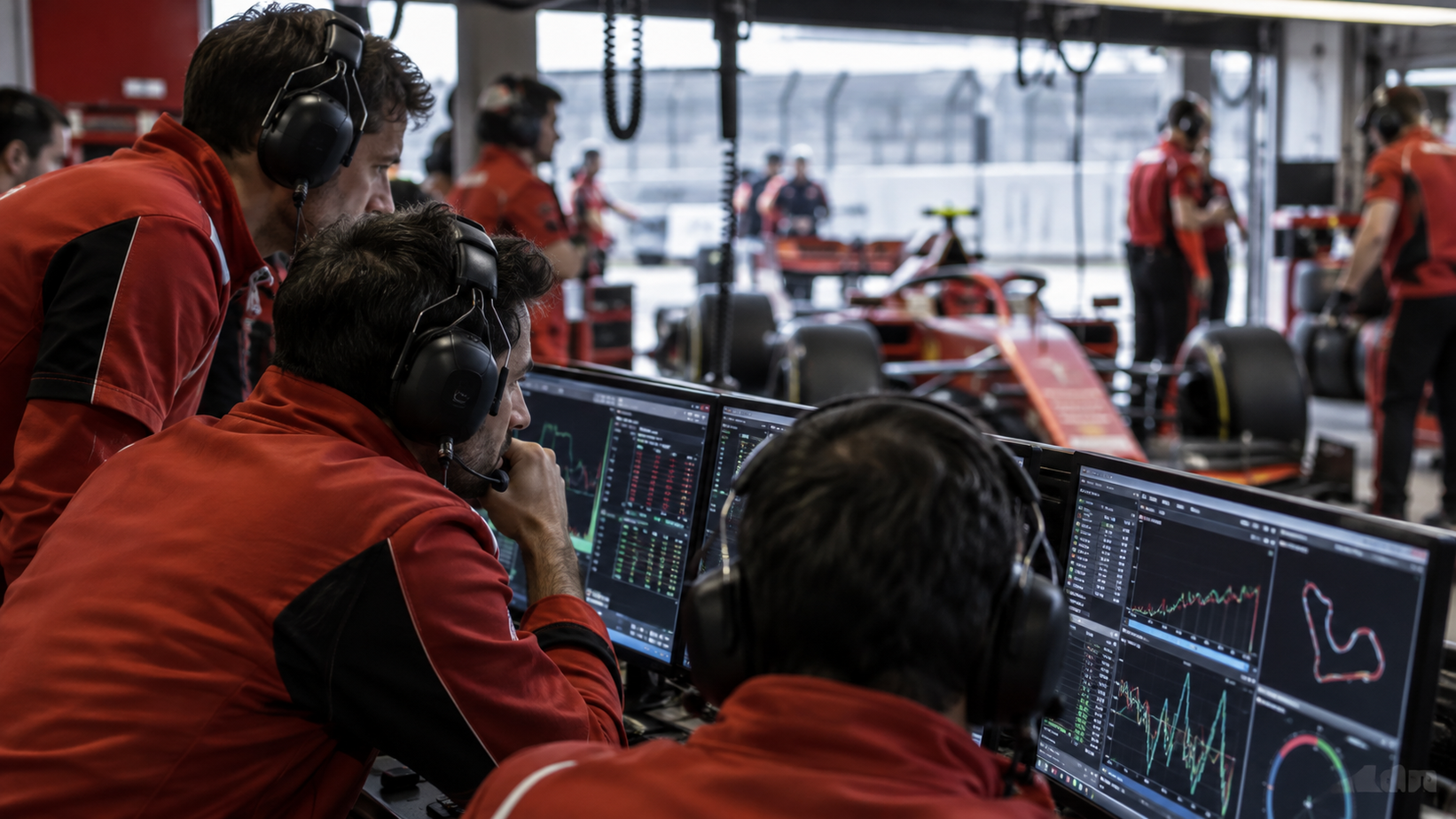
Overnight data analysis will guide adjustments to ride height, differential and brake balance. Teams will pay particular attention to tyre temperatures in the final sector, since a strong start to a lap is worth little if the rear axle loses grip before the flag. The driver who combines tyre preparation on Saturday with a clean passage through traffic will gain the most from the tightly bunched order. A single tenth can mean several places on the grid. The next outing or the official result will show how well this conclusion holds under new pressure. The numbers should be read together with the strength of the opposition, the conditions and the decisions made at key moments. It is important to separate the current result from the longer trend: one success confirms good preparation, but only repetition shows stability. The coaching staff should therefore track a few clear indicators, compare them with the previous outing, and change only what has proven to be a weak point. That approach protects confidence while still leaving room for progress. The reaction of direct rivals will also matter, since preparation changes as soon as an opponent recognises a winning pattern. For that reason the analysis should also cover situations where the original plan did not work. The best performances come when a team or athlete keeps its core strength and makes a small, timely adjustment during the event.