

Valtteri Bottas rode more than 320 kilometres by bicycle from the Sepang circuit to Singapore between two consecutive Formula 1 races. The Finn split the journey over two days, just a few days after retiring at the Malaysian Grand Prix. It was his eighth unfinished appearance of the season without a point scored, so the physical challenge doubled as training and a way to break a poor competitive run.
Cycling is not an unusual part of Formula 1 drivers’ preparation, as it builds aerobic endurance without heavy impact on the joints. The distance and the timing in the calendar stand out. More than 320 kilometres right before Singapore demands careful control of pace, food and fluids, so that extra training does not turn useful load into the fatigue drivers feel during free practice.
Bottas has so far reached only a best result of 13th place in China. Eight retirements make pace hard to judge, since the driver has too few full races to compare tyres, strategy and the car’s progress. The goal in Singapore must therefore first be a clean weekend: consistent laps in practice, getting through qualifying without error, and a finish that gives the team full data.
The long ride was endurance training and a mental break
The Marina Bay street circuit punishes even the smallest lapse in concentration. The walls are close, the straights short, and heat and humidity add to the load in the cockpit. Cycling stamina can help the heart and tolerance for effort, but it does not replace specific work for the neck, forearms and reactions. The main task after the ride is therefore quality sleep and full fluid recovery.

The two-day journey also has a psychological value. After a fresh breakdown or incident, a driver can easily carry frustration into the next weekend and start pushing in the very first practice session. A long, controlled effort gives a clear task that depends on him, not on the car’s reliability. That can restore a sense of control before returning to a very complex technical system.
The team must still assess every consequence of the load. Measuring morning heart rate, sleep, hydration and leg strength will show whether Bottas can follow a full programme on Friday. If fatigue appears, it is more useful to cut secondary commitments and adjust the warm-up than to try to hide the problem. Singapore leaves no room for a slower reaction in the final sector.
Singapore demands recovery, cooling and precision on a street circuit
The first real indicator will be the difference between long and short runs out on track. If Bottas can keep the same quality of braking after several laps, the cycling challenge has left no negative mark. A drop in precision towards the end of a stint would suggest the body is still restoring energy, even if one qualifying lap looks quick enough.
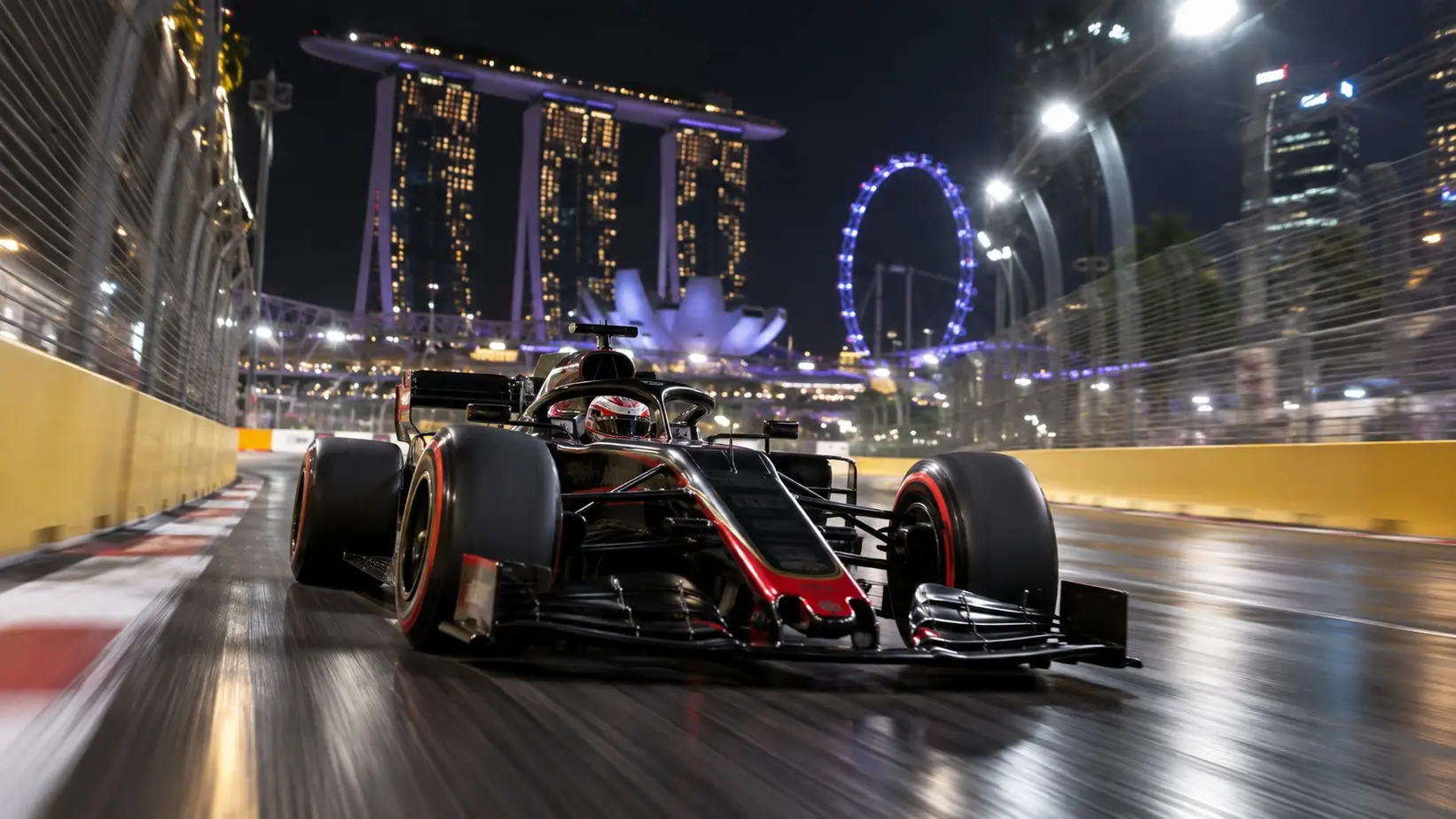
The second indicator is the car’s reliability. A driver can prepare his body perfectly, yet an eighth retirement clearly shows that a sporting result also depends on finishing the race technically. The team should limit unnecessary set-up changes, check the systems that caused problems earlier, and give Bottas as many consecutive laps as possible before qualifying.
The journey from Sepang to Singapore will not change the season on its own, but it may change the way Bottas approaches the next race. More than 320 kilometres confirms his endurance and his need for a mental reset. The value of the undertaking will only be complete if it turns into a calm, precise weekend and a first result that matches the effort invested.
His qualifying result will depend especially on confidence when passing the walls. That cannot come from physical fitness alone; it takes a run of clean laps with a gradual approach to the limit. If the car stays reliable, Bottas should build his pace step by step and save the most aggressive attempt for when the tyres and track are at their best.
Safety car strategy in Singapore must have several options, because one incident can easily reshuffle the order. The team should settle in advance on a threshold for an early pit stop and the risk of staying out. A quick, clear decision is usually worth more than an ideal plan made too late.