
A Painful End to the Campaign
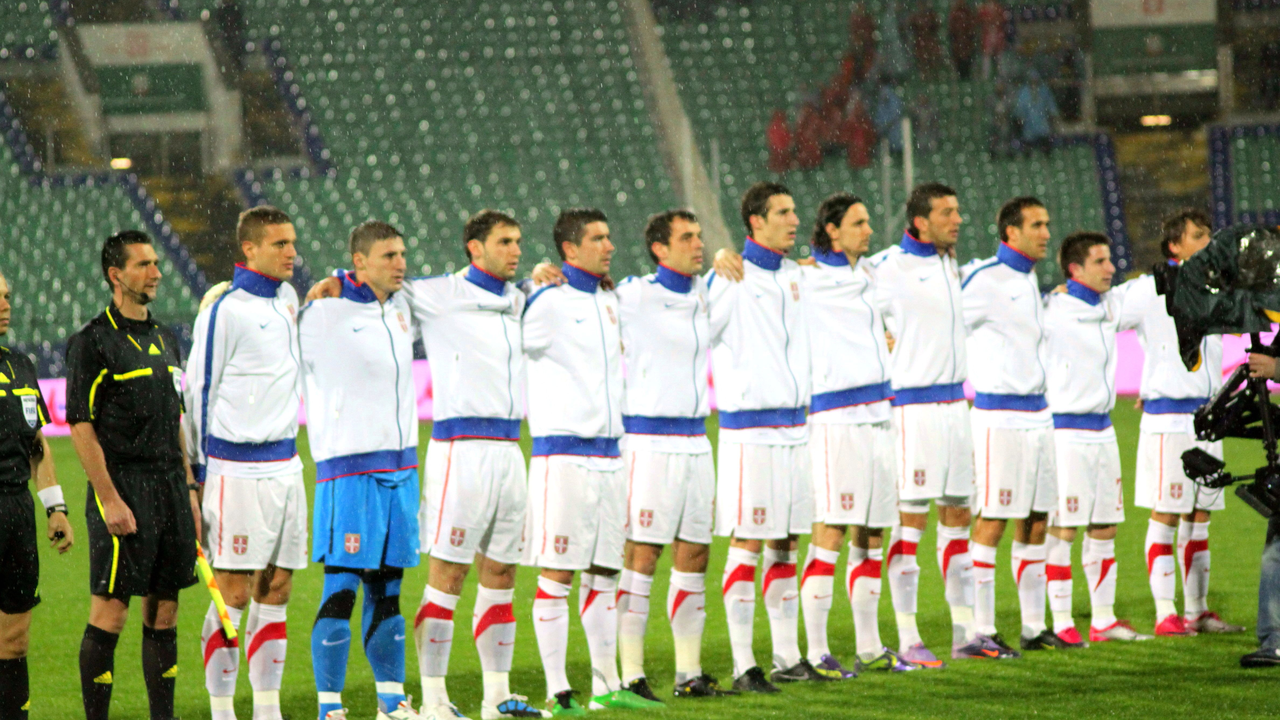
The international break arrived at an awkward moment for Serbia’s men’s football team. Rather than preparing for a summer at the 2026 World Cup, the Eagles closed out their schedule before the pause with two friendly matches that showed how much work lies ahead before competitive action resumes in the autumn.
The results made grim reading. A 3:0 defeat to Cape Verde on 31 May was followed four days later by a 5:1 loss to Mexico on 4 June. Neither match carried any points, but together they painted a picture of a side searching for cohesion and confidence after a qualifying campaign that ended in disappointment.
Cape Verde 3:0 Serbia: An Early Warning
The first of the two friendlies set the tone. Cape Verde, who are enjoying their own period of growing reputation in international football, went ahead early through Kevin Pina in the 11th minute and never looked back.
Laros Duarte and Gilson Benchimol added further goals to complete a comfortable home win. For Serbia, the scoreline was a sobering reminder that reputation counts for little once the referee blows the whistle, and that the defensive frailties exposed during qualifying had not been resolved.
Mexico 5:1 Serbia: A Promising Start Unravels
If the defeat to Cape Verde was a warning, the encounter with Mexico was a full alarm. The match actually began encouragingly for Serbia, as Petar Stanić put the visitors in front in the 19th minute and offered a brief glimpse of what a composed, attacking performance might look like.
That lead lasted only until Mexico found their rhythm. Johan Vázquez equalised, and an own goal by Stefan Bukinac gave El Tri the advantage before the interval, with the teams heading off at half-time with Mexico ahead 2:1.
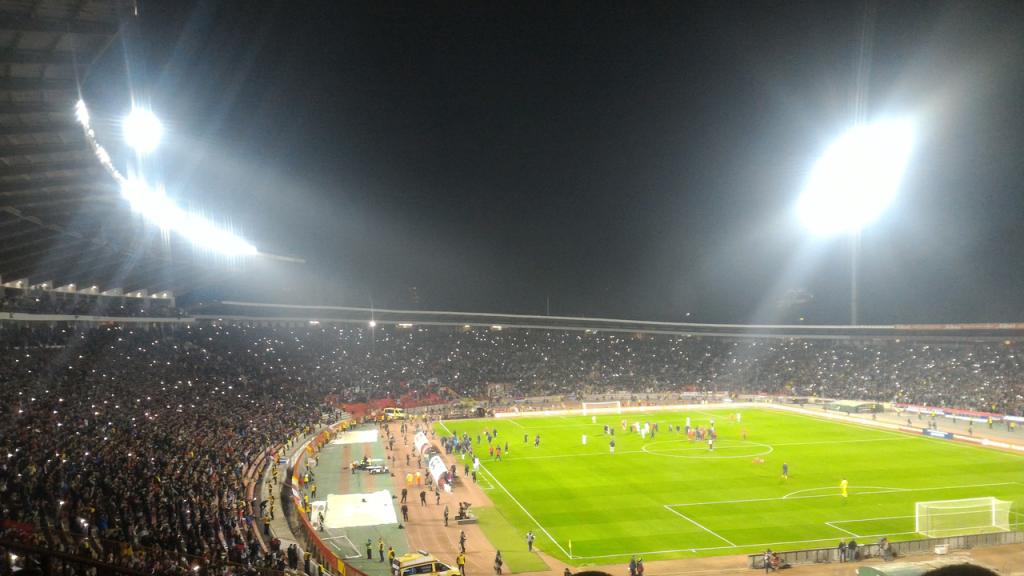
The second half saw the game slip away completely. Raúl Jiménez extended the advantage, a second Serbian own goal, this time off the foot of Adem Avdić, deepened the damage, and Luis Chávez rounded off the rout deep into stoppage time in the 90th minute.
How the Goals Came
| Minute / phase | Scorer | For |
|---|---|---|
| 19' | Petar Stanić | Serbia |
| First half | Johan Vázquez | Mexico |
| First half | Stefan Bukinac (own goal) | Mexico |
| Second half | Raúl Jiménez | Mexico |
| Second half | Adem Avdić (own goal) | Mexico |
| 90' | Luis Chávez | Mexico |
Two own goals in a single match underline the disorganised nature of the Serbian defence across these two games. Conceding eight goals over 180 minutes of friendly football, while scoring just one, is the kind of statistical record that lingers as the break begins.
The Missed World Cup That Framed the Summer
These friendlies cannot be understood in isolation. They arrived in the shadow of Serbia’s failure to qualify for the 2026 World Cup, an outcome that defines this whole phase of the team’s story.
In UEFA Group K, Serbia finished third with 13 points from a record of four wins, one draw and three defeats. England claimed top spot in the group convincingly with 24 points and secured direct qualification, while Albania overtook Serbia for second place with 14 points and progressed to the play-offs.
A single point separated Serbia from second place and the play-off chance. That narrow margin will sting, particularly given the resources and individual quality the country possesses across its sporting landscape, a depth visible in everything from the carefully managed 18-man basketball roster announced for the 2027 World Cup qualifiers to the titles won by the nation’s leading athletes in other fields.
- England: 24 points, qualified directly
- Albania: 14 points, advanced to the play-offs
- Serbia: 13 points (4 wins, 1 draw, 3 defeats), finished third
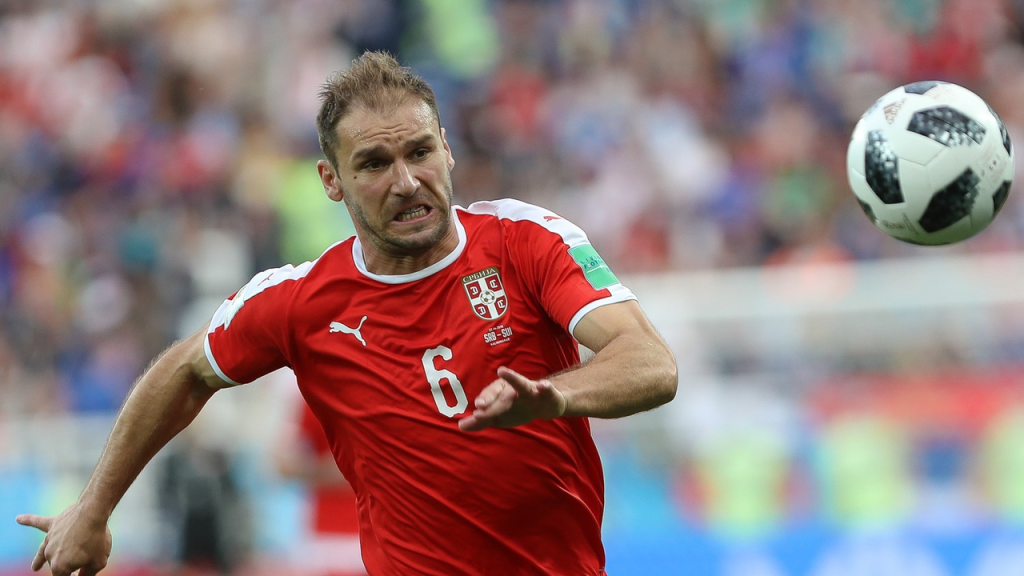
Missing out on the World Cup is rarely the result of a single bad night. Three defeats in the campaign, combined with points dropped at moments that proved costly, left Serbia short when the table was finally closed. Two friendly matches in June then served as a harsh coda to a campaign that had already fallen below expectations.
What the break means
The international break now offers a window for reflection and reset. With no major tournament to prepare for, the focus shifts to rebuilding belief, tightening a defence that conceded too easily in May and June, and bringing the team’s most influential figures back into form before the matches that count.
This is a moment for recalibration rather than celebration. Elsewhere in Serbian sport the mood is busier: the appointment of Ibon Navarro as head coach of Red Star Belgrade has dominated the domestic basketball conversation, while the tennis calendar keeps the country’s leading names in the spotlight.
For the footballers, the task is clear: turn the lessons of two painful defeats into something constructive before the next matches arrive.
Next up: the Nations League
Serbia’s next competitive assignment arrives in September 2026 in the form of the UEFA Nations League. The fixture list offers an immediate test of whether the summer’s soul-searching has produced any improvement.
The Eagles open their campaign away to Greece on 24 September, before hosting the Netherlands on 27 September. The meeting with the Dutch stands out as a daunting yardstick against an established European opponent, and a chance to show that the friendlies were the exception rather than the trend.
How Serbia respond to that double-header will say much about the direction of the side. After a missed World Cup and a dispiriting pair of warm-up defeats, the Nations League becomes the stage where renewal has to start in earnest. For supporters following the wider picture across Serbia’s national teams this summer, the footballers carry both the weight of disappointment and the opportunity to write a more encouraging next chapter.