
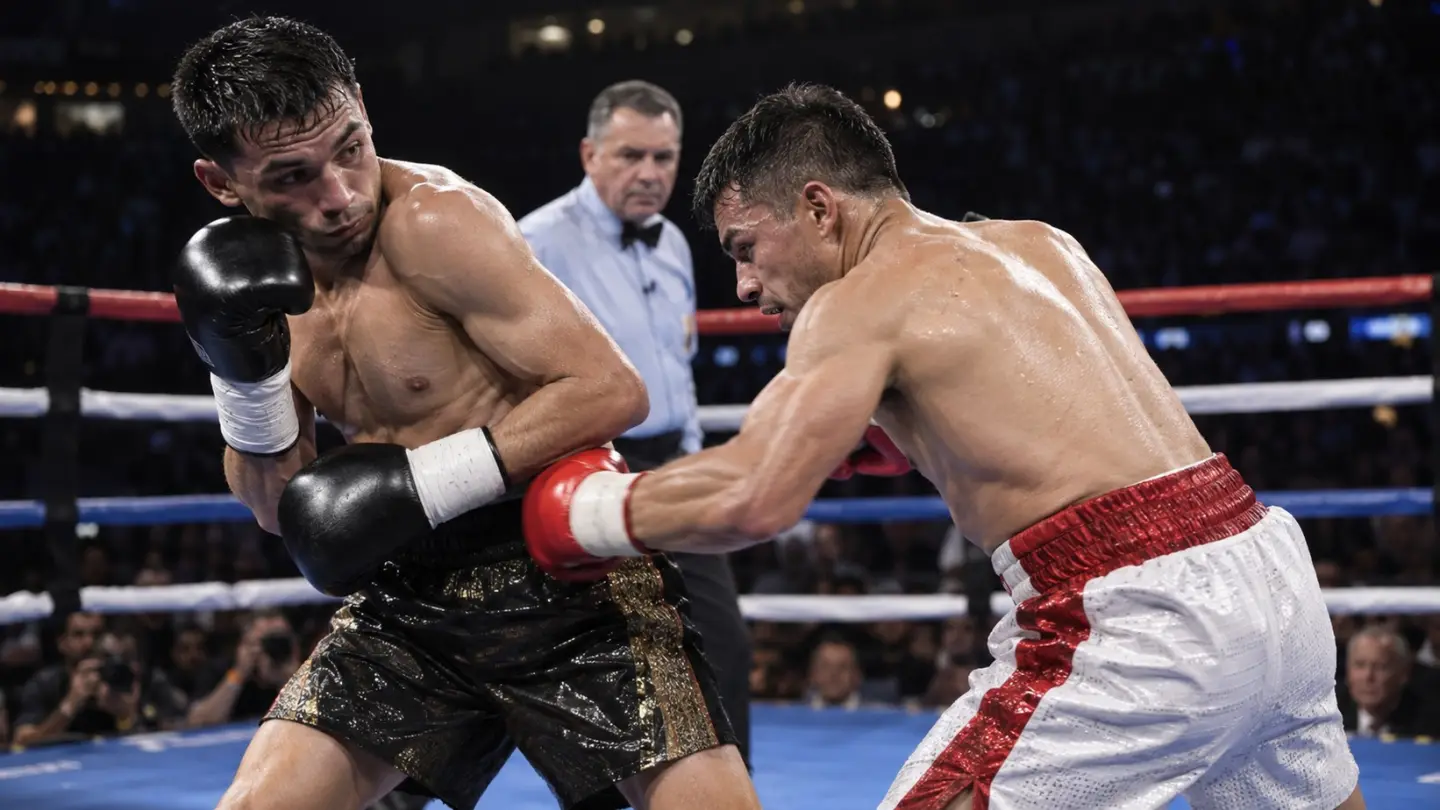
O’Shaquie Foster will defend his WBC super featherweight title against Emanuel Navarete on 24 October in San Antonio. The WBC has placed the bout on its official October calendar and announced the title defence. The confirmed date, result and line-up give a solid base, while any prediction should be kept separate from what has already happened. For the reader, the most useful thing is to see the reason for the bout, the key change and the first test ahead right away. That keeps the report clear even if circumstances shift later, and it lets the assessment be checked in the ring. For that reason, the next official update should confirm the consequence now flagged as decisive.
The fight pits Foster’s control of distance and accurate counters against Navarete’s shifting rhythm and high punch volume. The challenger often attacks from awkward angles, so the champion cannot rely only on the classic step back. Wider context shows that one striking moment is not enough to judge a whole performance. A sound plan stays recognisable even when the opponent responds, the pace drops or conditions change. It is therefore more useful to follow a chain of connected decisions than to single out the final exchange that remained on the scoreboard. Read that way, the result and the choices behind it both become easier to understand.
Navarete must turn volume into real pressure
Navarete has to close off the exit with his lead foot and attack the body before a long series. Foster is best served by a short lead straight, a step to the side and a clear final counter that shows the judges who won the exchange. The plan must be simple enough to carry out under pressure. The first option uses the biggest advantage, and the backup has to answer the rival’s most likely reaction. Adding new tasks without a clear reason slows the decision, whereas a good adjustment changes only the part that is not working and keeps what already delivers results. Execution is then judged by the clarity of the decision, the speed of reaction and the quality of position after each attempt.
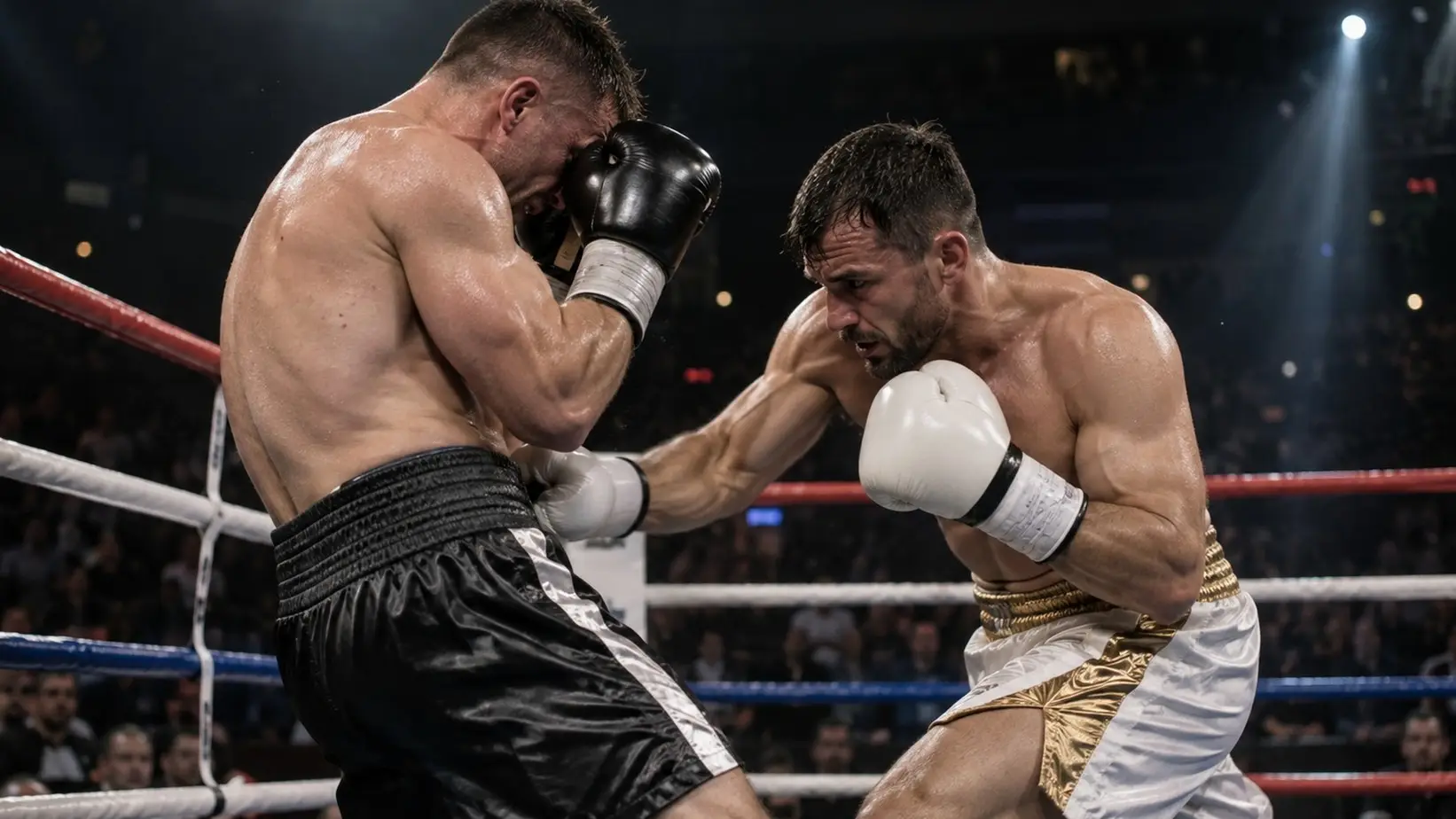
The challenger’s wide punches leave the middle open, but a passive Foster can hand over early rounds simply through lack of activity. The danger for both rises when they try to settle a round only in its last thirty seconds. Managing risk decides how long a plan can survive. A neutral outcome sometimes preserves position, energy or possession for a better chance, while forcing the issue without preparation opens the door to a counter. The balance between gain and danger shifts with time and the scoreboard, so the same decision is not equally good at the start and at the finish. The true measure of discipline will be how often danger is recognised before it turns into damage.
Foster’s defence needs a clear exit after the counter
What matters is clean punches after the first miss, work to the body, time spent against the ropes and how many exchanges end with the same fighter landing last. Total punches thrown should not be equated with control if most of them fail to pass the guard. These figures allow the conclusion to be checked after the event. The final score shows the outcome, but only a comparison round by round reveals where the advantage was built and whether it can be repeated. It is especially useful to separate the opening plan from decisions made under fatigue, because that is where the stability of technique and the quality of preparation show. If the figures are read in order, it will be clear whether the change was planned, temporary or accidental.

A win would confirm the champion’s standing in a strong division, while Navarete is seeking another major result in a new weight class. For that reason, this bout also shapes the next choice of mandatory and commercial rivals. Its significance does not end with the last punch or the decision. A good performance opens a new opportunity, but consistency is what proves the change can last. A weaker result can still be useful if it produces two or three precise tasks. A broad overhaul of everything usually hides the real cause and makes the next check harder. That follow-up gives today’s news lasting value and links the immediate outcome to the next realistic goal.
Foster enters with the more precise basic toolkit, but he must repeat it under constant pressure. Navarete’s chances rise if he builds his attack through the body and angles rather than swapping quality for volume. The conclusion must therefore stay tied to the evidence currently available. The best next test uses the same checkpoints in different conditions, so it becomes clear what belongs to quality and what to circumstance. Repeating a good pattern against a fresh challenge carries more weight in the assessment than a single striking moment. That is why the final judgement should be updated only when a new, comparable data point arrives from the official event.