
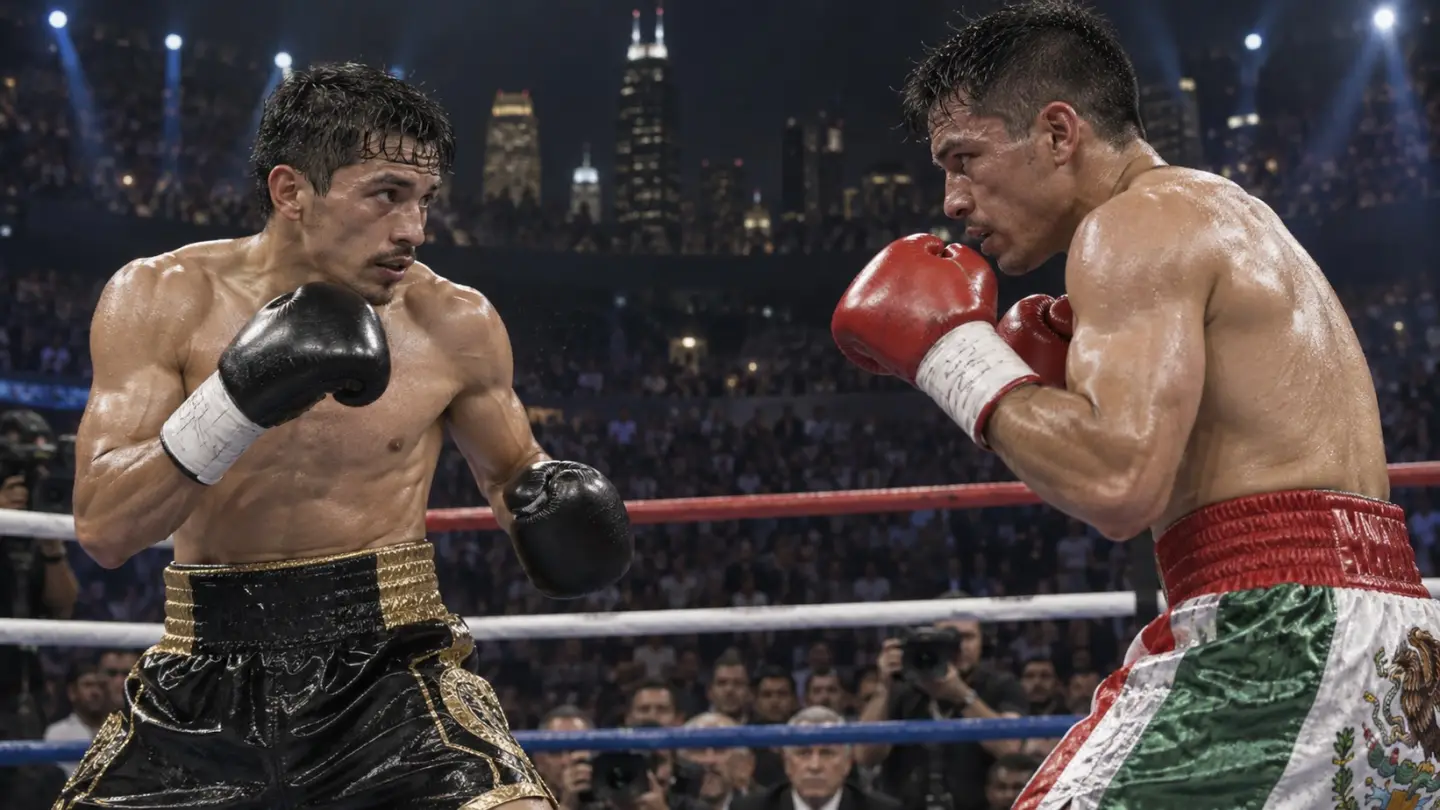
Ricardo Sandoval will defend the WBC flyweight title against Sergio Jorge Mendoza on 10 October in Chicago. The fight was rescheduled after Oscar Collazo withdrew with a rib injury. Sandoval enters with a 27-2 record and 18 knockouts, while Mendoza has 27 wins, one defeat and 23 finishes before the final bell.
For the champion, the main problem is the short time he has to adapt to a new style. Preparations for Collazo were built around a different tempo, different angles and different reactions under pressure. Mendoza brings more noticeable power in single punches, so Sandoval must quickly change his sparring tasks without increasing his load in the final week and risking injury.
Sandoval won the belt in July 2025 with a victory over Kenshiro Teraji, and now for the first time he has to keep it while carrying the pressure of being champion. His strength is high-level experience and the ability to change distance. Against a puncher with 23 knockouts, it is important that he does not stay on the same line after completing a combination.
A change of rival reshapes the final preparation
Mendoza gets a big opportunity without a full training cycle focused specifically on Sandoval. That can be a weakness, but also a tactical edge, because the champion does not have enough fresh material for a detailed analysis. The challenger has previously won regional WBC belts and is used to fights in which he must impose his strength against a more technically varied opponent.
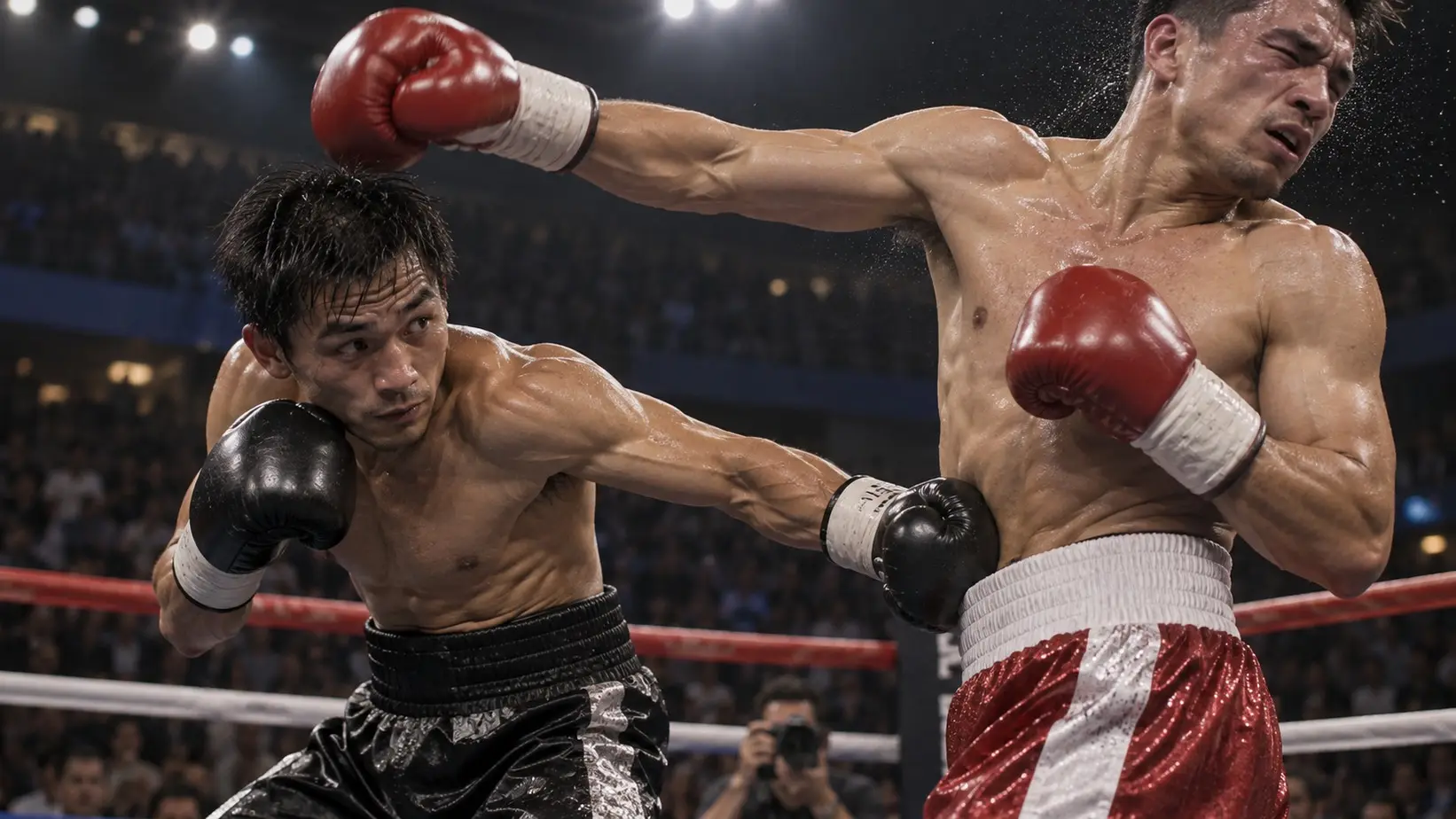
In the early rounds Sandoval could use his lead hand and lateral movement to gauge Mendoza’s reactions without staying long in exchanges. The challenger does well when his opponent accepts the fight in a small space. So the champion must land, change his angle and make Mendoza reset his feet before the next attack.
Later rounds raise a different question. If Mendoza does not find the knockout, he will have to keep up the pace and accuracy as fatigue builds. Sandoval may then use body punches and more often finish combinations with his right hand. Still, early relaxation would be dangerous, since a powerful challenger remains a threat even when he loses several rounds on the scorecards.
Mendoza’s power demands discipline from the champion over all twelve rounds
The judges will particularly reward clean punches and control of the ring, so aggression alone will not be enough. Sandoval needs to make Mendoza’s misses visible and then respond at once with a precise combination. Mendoza will try to cut off the ring rather than chase the champion, because moving in a straight line wastes energy without creating a chance to punch.
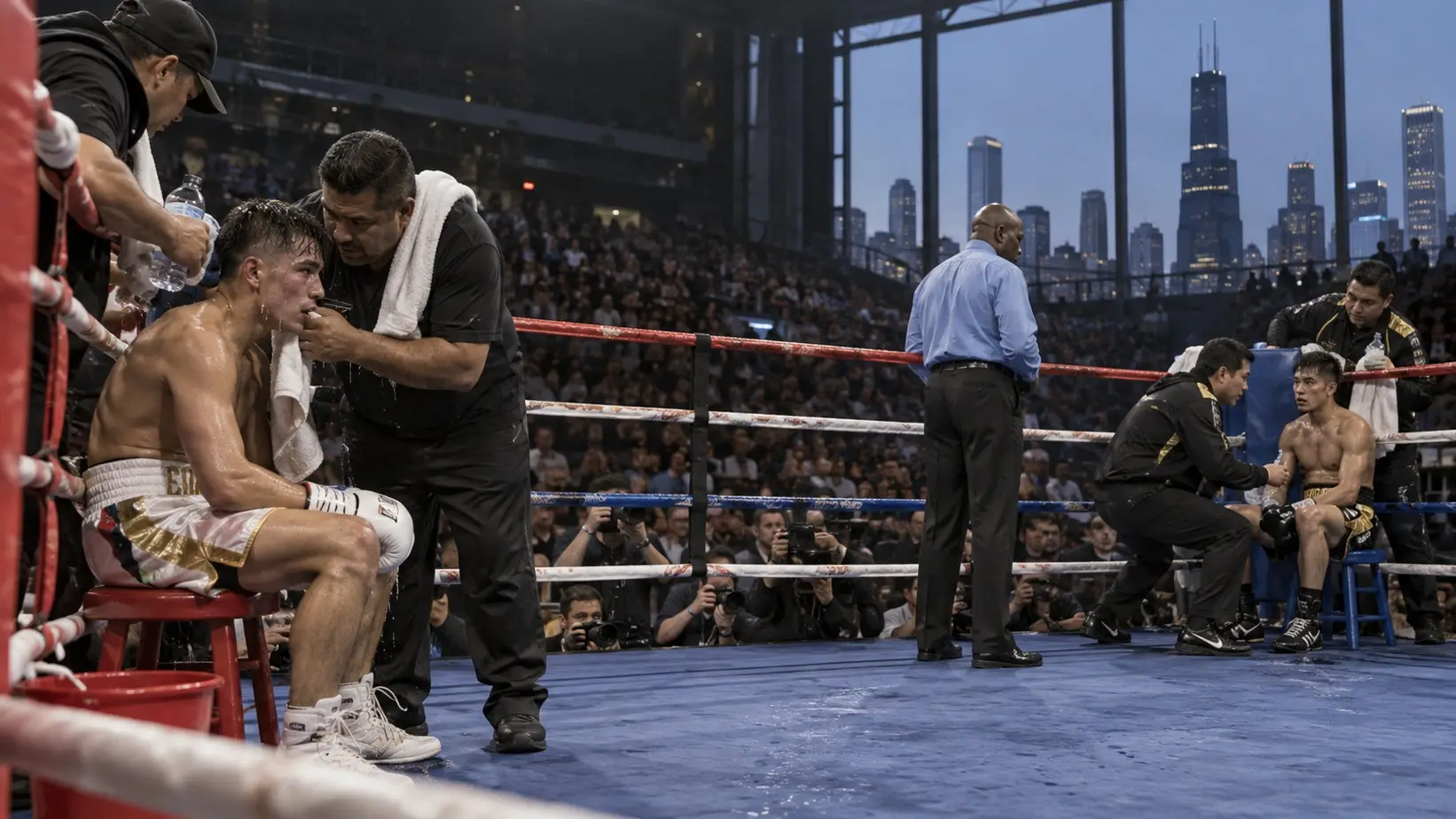
The change of opponent also demands psychological discipline. The champion must not underrate a fighter who came in late, while the challenger must control the urge to settle everything in the opening rounds. Teams will therefore focus more on clear instructions between rounds than on a major technical change that cannot reliably be learned in a few days.
The Chicago fight could either cement Sandoval’s status as champion or open the biggest chapter of Mendoza’s career. The 18 to 23 knockout ratio points to a dangerous fight, but the result will more likely be decided by the choice of distance and the distribution of energy. A fighter who keeps his plan after the first heavy punch will have better chances of controlling the final stages.
For a full assessment it is worth watching Sandoval’s movement after combinations, Mendoza’s output in the late rounds and the number of clean body shots. That data will show whether the result came from a pattern that can be repeated or from a few exceptional moments. The final score describes the outcome, but it does not reveal how stable the plan was when the balance of power shifted and the opponent tried a different solution.
The immediate professional task for both camps is to turn the short preparation window into a clear, simple plan for all twelve rounds. Success will depend on keeping the strongest part of the current form and fixing any visible weakness without a major change. That approach gives a clear link between this result and the next challenge, rather than treating each performance as a separate story with no measurable follow-up.