
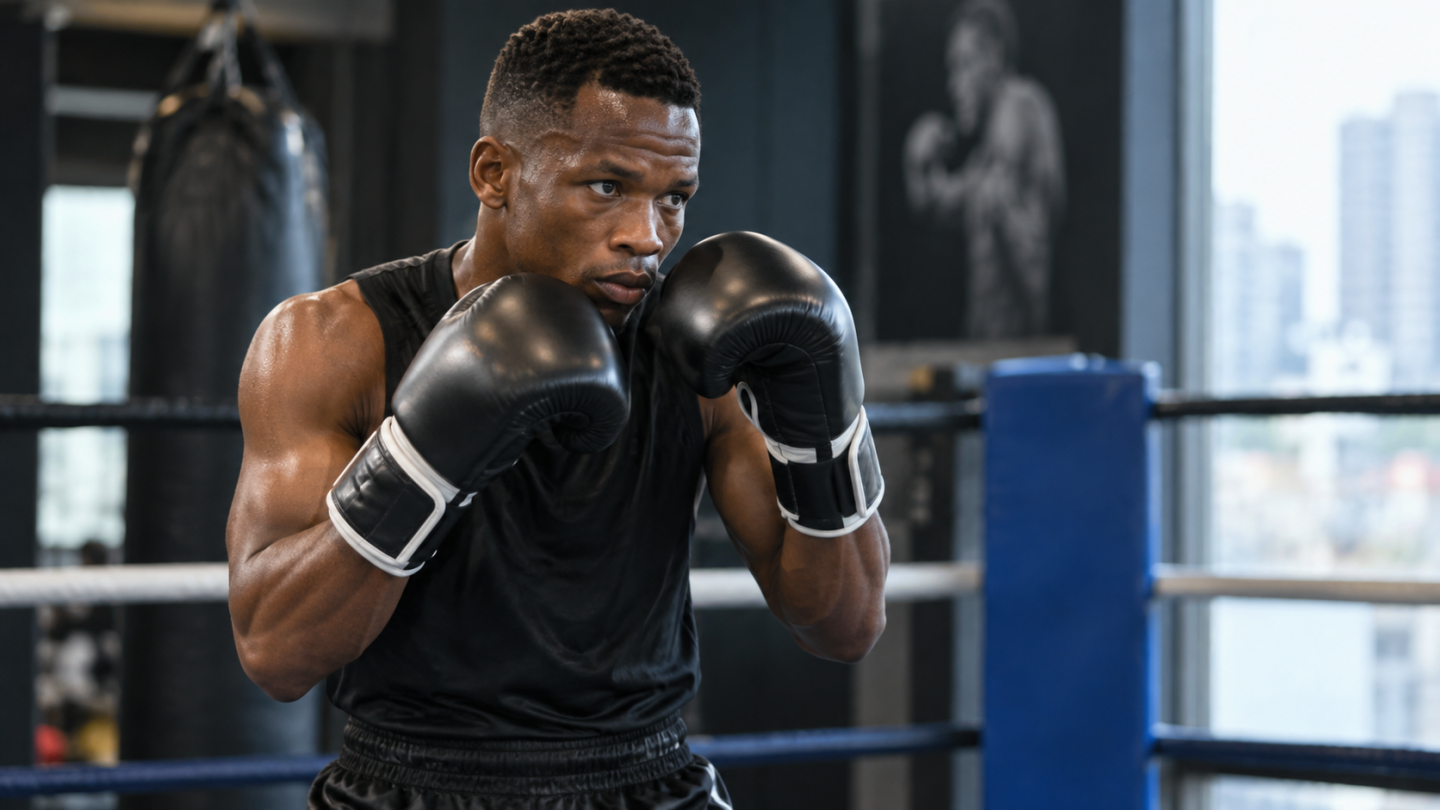
South African boxer Ricardo Malajika won the vacant WBC super welterweight world title with a victory over Japan’s Tomoya Tsuboi in Tokyo. The bout went the full 12 rounds, and the judges split their verdict: two scored it 116:112 and 115:113 for Malajika, while the third had it 115:113 for Tsuboi. The new champion did not secure the belt with an early stoppage or a clear margin. He got there by changing the course of the fight in its second half.
Early rounds went to the home fighter
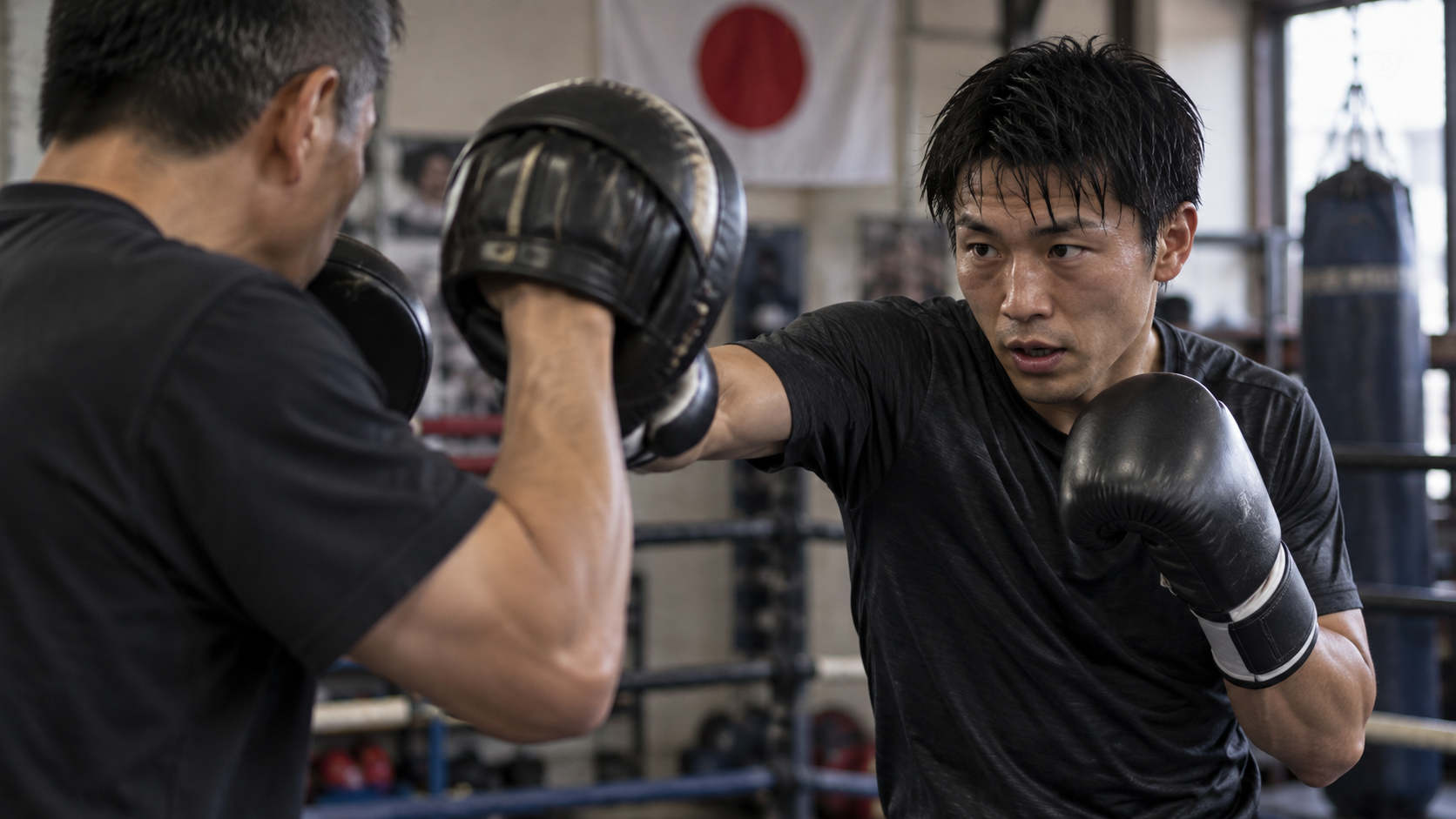
Tsuboi started the fight better. He used his lead hand to keep distance, and his speed helped him throw first in exchanges. In the first round he was cut after a accidental clash of heads. Even so, he went on to control a good part of the opening phase, while Malajika tried to close the gap from range and find single punches. That approach did not give the challenger an immediate advantage.
The unofficial tally after the eighth round showed how open the contest was: two cards read 77:75 for Tsuboi, and a third read 76:76. These were not the official scorecards but a snapshot before the final four rounds. That is why Malajika’s win matters more than the mere fact that it came on a split decision. He had to make up ground in the part of the fight where every point carried extra weight.
In the seventh round Tsuboi was cut again, this time above his right eye, also after an accidental clash of heads. The bout was not stopped and both fighters continued to the end. The injuries made it harder for the home fighter to keep the rhythm he had set at the start, but the final outcome cannot be reduced to them alone. In the later rounds Malajika landed more effective punches and made better use of openings whenever his opponent pulled out of an attack.
The closing rounds handed Malajika the title

In the second half Malajika combined movement with entries into range, occasionally switching his guard. Tsuboi became more cautious when attacking, so his early pressure no longer carried the same edge. Two judges’ cards ultimately favoured the South African, while one stayed with the Japanese fighter. A 2:1 split among the judges describes the bout more precisely than a plain ‘points win’, because the gap between the scorecards was real.
The figures on the cards do not mean Malajika had to win each of the last four rounds on every judge’s card. They show that the closing stretch was strong enough for two judges to turn the balance in his favour. Given Tsuboi’s earlier lead, that finish reflects a tactical shift during the fight rather than simple protection of a margin already banked. In a duel for a vacant belt, it was the ability to adjust that decided the new champion.
For Serbian boxing fans, Tsuboi is not entirely unfamiliar: he won the amateur world title in Belgrade in 2021, in the 54-kilogram category. He became the first Japanese gold medallist at that championship. Five years later in Tokyo he tried to win the professional WBC belt too, but his early lead over Malajika was not enough. The bout therefore connects his Belgrade amateur gold with his first professional defeat.
For Malajika this is his 18th professional win; 12 came by knockout, and he has two defeats. Tsuboi arrived in Tokyo unbeaten as a professional and now has three wins, one loss and one bout with no official result. His world amateur gold from 2021 explains how he reached a world title fight after only a handful of professional appearances. Losing to a more experienced opponent does not change his amateur reputation, but it does change his early professional record.
What the vacant WBC belt means
There was no reigning champion in the super welterweight division for this bout: the title was vacant. Malajika’s win therefore does not take a trophy from Tsuboi, but claims a belt that was waiting for a new holder. Before travelling to Tokyo the South African already held the IBO title in the same weight class. The WBC crown adds another major world recognition and changes his position ahead of future fights.
The success also carries wider significance for South African boxing. Malajika’s manager Brian Mitchell was in his corner, alongside trainer Menny Fernandes. South Africa has produced more WBC belt holders in this period, and the new Tokyo title further strengthens its presence among current world champions. That is the context of the win, but the title itself rests on 12 rounds and two final scorecards in Malajika’s favour.
The Tokyo bout ended without a knockout and without a unanimous decision. Tsuboi made a strong start, Malajika had the better finish, and their different phases of the fight are clearly visible in both the unofficial and official scoring. For following the next bouts, the key new fact is this: in the super welterweight division the WBC now has a South African champion, while the Japanese challenger must build a new path back to the belt.