
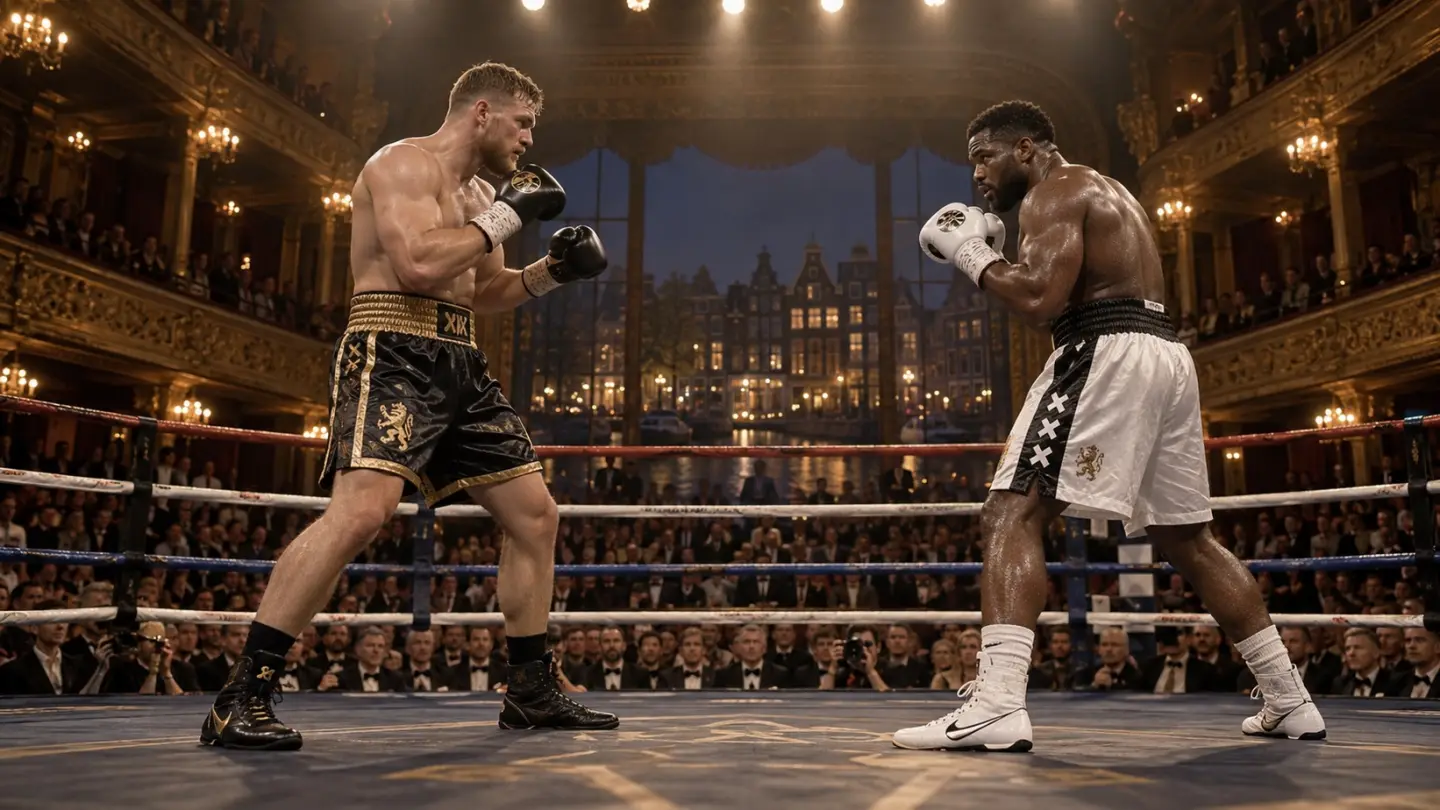
Willy Kjakonje and Angelo Morehon will fight on 12 October at the Carré Theatre in Amsterdam for the vacant WBC Silver belt in the cruiserweight division. The bout headlines the annual Ben Breel memorial and brings together two unbeaten boxers. Kjakonje arrives with a 14-0 record and 13 knockouts, while Morehon has 11 wins, eight of them coming before the scheduled number of rounds ran out.
Kjakonje was born in Uganda, fights out of the Netherlands and will have the backing of the home crowd. His 13 knockouts from 14 wins speak to his power, but they do not explain the whole task ahead. Against a left-handed opponent he must win the position on the outside of the foot and avoid walking straight in, because that kind of attack opens the way for Morehon’s rear left hand.
Morehon was born in Cuba, boxes out of Italy and currently holds the Italian heavyweight title. The WBC rates him fifth in the cruiserweight list, four places above Kjakonje. His amateur background could prove valuable in reading the rhythm, especially if he refuses to trade power early and makes the local fighter reveal his attack sooner than he would like.
Two unbeaten punchers bring different ways of controlling distance
The cruiserweight division sits between the light heavyweight and heavyweight classes, so both boxers combine size with mobility. In a fight like this, a body shot often carries more long-term value than hunting the head. If Kjakonje cuts off Morehon’s sideways movement, he will find it easier to close the ring later; if the Cuban keeps his legs under him, he can choose the moment to counter.

An early reputation for knockouts also carries risk. A fighter who expects a quick finish can overload every punch and tire his shoulders before the championship rounds arrive. Kjakonje must stay patient in front of his own crowd, while Morehon must not mistake retreating for control. Judges reward clean punches and control of the fight, not just movement out of range.
The WBC Silver belt is not a full world title, but it gives the winner a strong case for the next major fight. The world champion in the division is Rihad Merhi, and a result in Amsterdam could bring the challenger closer to his circle. That is why every round won matters: a spectacular knockout is not the only route, and a clear points victory also proves readiness for a higher level.
The silver belt could carry the winner to the very top of the WBC list
Kjakonje’s key indicator will be how often he traps Morehon against the ropes without giving up a clean counter. Pressure alone does not score points if the opponent slips out at an angle. A double jab and a body shot can close off the exit, and only then comes a heavy right hand. That sequence is safer than one wide swing thrown from too far away.
Morehon will want to measure success by the accuracy of his first counter and the time he spends in the middle of the ring. If he keeps ending up near the ropes, even successful evasion can leave a poor impression. A short left jab after Kjakonje misses should be followed by a step to the side, so he keeps his space and forces the host to start his attack again.
Amsterdam gets a fight in which one defeat would end a perfect professional record, and one victory brings a belt and ranking progress. Kjakonje has home advantage and the higher knockout rate, while Morehon has the higher ranking and the left-handed angle. The best chance will belong to the boxer who does not let the emotion of the memorial night speed up the rhythm, and who keeps to his tactical plan after the first heavy blow.
The weigh-in the day before the fight will add another layer. Cutting too much weight can weaken the legs, while coming in above the plan slows the change of angle. Both camps should aim for calm hydration and energy restoration without a sudden rise in mass, because the first few rounds will show who has best matched the division to their natural body.
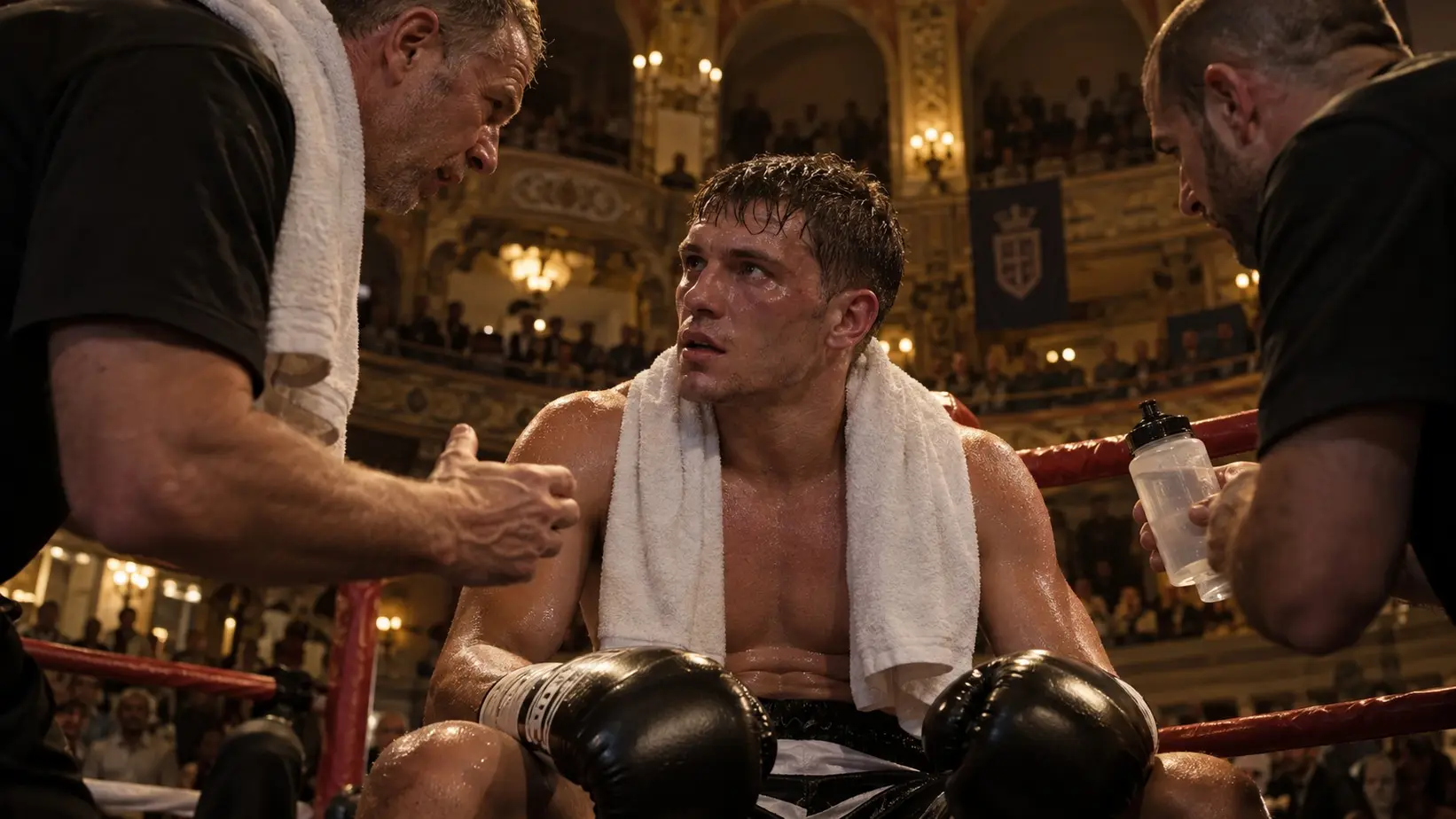
In the corner, short instructions will be decisive if the opening plan is not working. The trainer should pick out one exit route and one target for the next round. Too many changes in the one-minute break can slow the decision and leave the boxer caught between the old plan and the new one.