
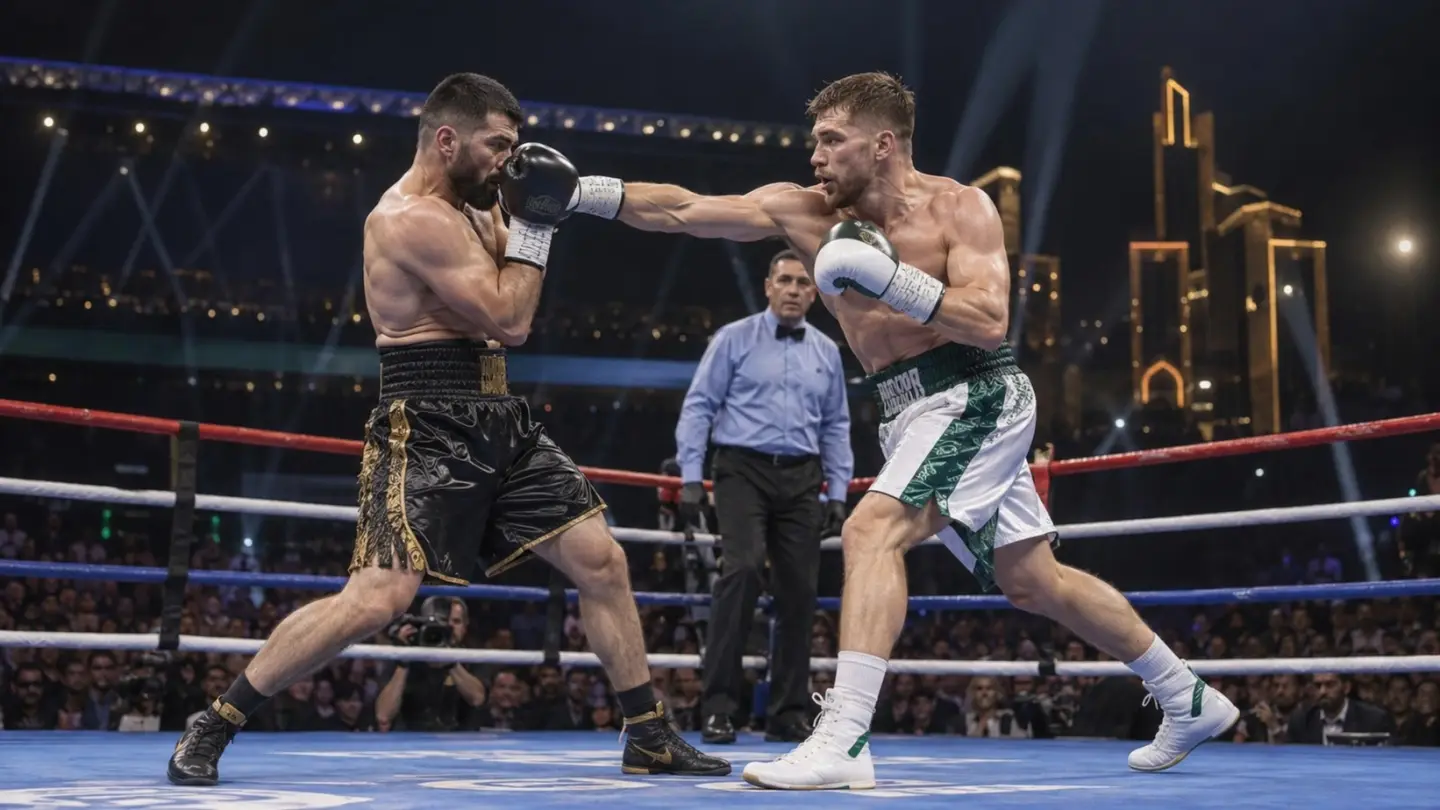
The 31 October fight pits Mbilli’s high punch volume against Canelo’s counterpunching, body work and experience over twelve rounds. The confirmed date, result and lineup give a firm basis, while the forecast should be kept separate from what has already happened. For the reader, the most useful thing is to see at once the reason for the story, the key change and the first next test. That way the report stays clear even if circumstances shift later, and the assessment can be checked in the ring. For that reason, the next official update should confirm the consequence that is now marked as the key one.
The challenger wants his rival on the ropes, while Canelo often allows early volume so he can later slow his opponent’s legs with shots below the elbows. The wider picture shows that one striking moment is not enough to judge a whole performance. A sustainable plan stays recognisable even when the rival responds, the pace drops or conditions change. It is therefore more useful to watch a chain of connected decisions than to single out the final action that stayed on the scorecard. Reading the event this way gives the reader the basis to understand both the outcome and the choices that led to it.
Mbilli’s pressure must stay disciplined
Mbilli has to shut down the exit with his lead foot and leave at an angle after a sequence; Canelo should cut off attacks with a clear final punch. The plan has to be clear enough to carry out under pressure. The first option uses the biggest advantage, and the backup must answer the rival’s most likely reaction. Adding new tasks without a clear reason slows the decision; a good adjustment changes only the part that is not working and keeps what already produces results. Execution is then judged by the clarity of the decision, the speed of the reaction and the quality of position after each attempt.
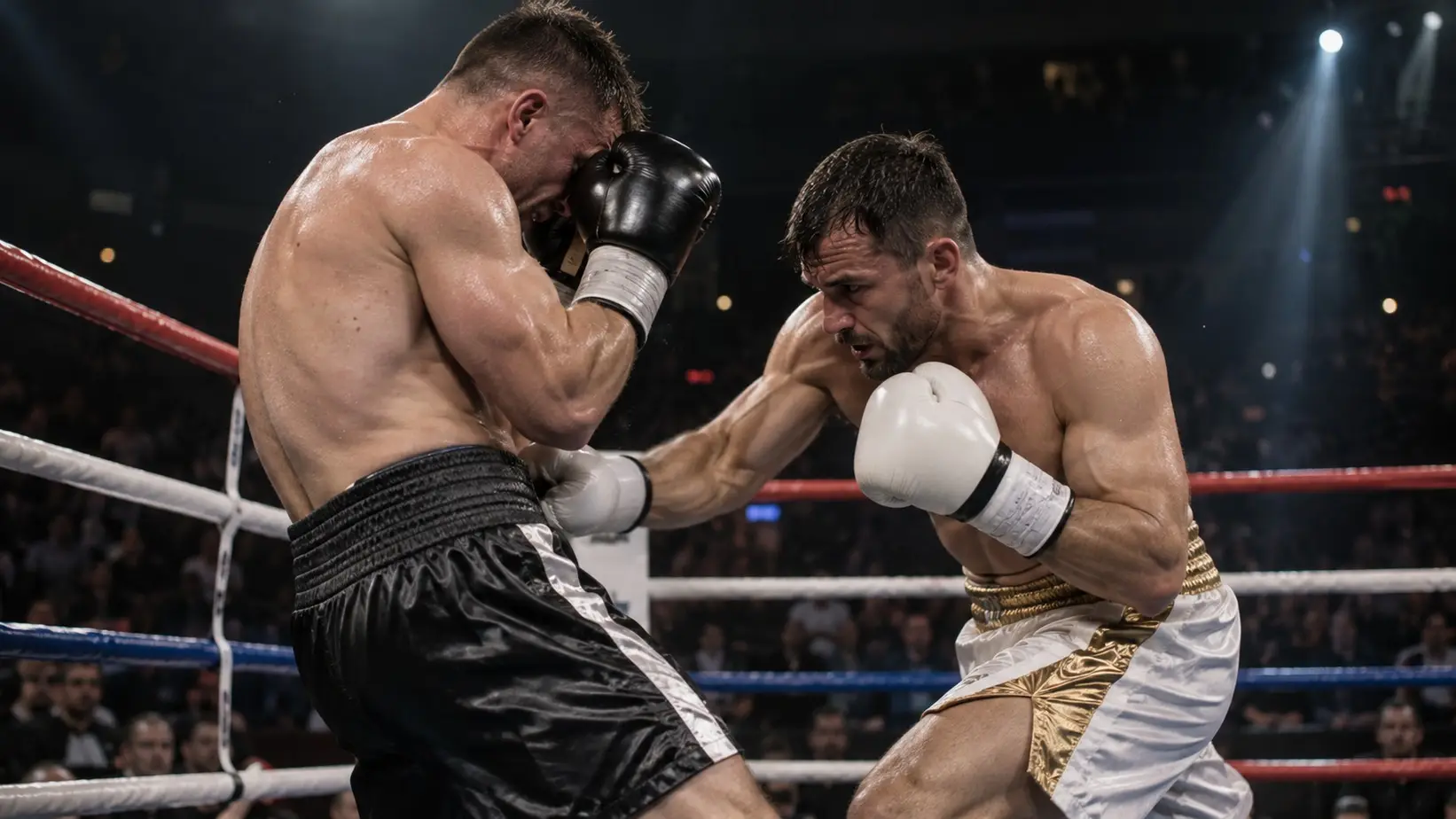
A straight-line entry opens the left hook and uppercut, while a too passive Canelo can hand early rounds to the more active rival. Risk management decides how long the plan can last. A neutral outcome sometimes preserves position, energy or possession for a better chance, while forcing the action without preparation opens the counter. The balance of gain and danger shifts with time and the scoreboard, so the same decision is not equally good at the start and in the closing rounds. The true measure of discipline will be how many situations are spotted as dangerous before they turn into damage.
Canelo wants to control the body and the rhythm
Body shots, counters after the right straight, time spent against the ropes and the number of rounds in which the same boxer finishes an exchange with the last clean punch all matter. These figures make it possible to test conclusions after the event. The final score shows the outcome, but only a comparison by periods reveals where the advantage was built and whether it can be repeated. It is particularly useful to separate the opening plan from decisions made under fatigue, because that is where the stability of technique and the quality of preparation show. If the values are read in sequence, it will be clear whether a change was planned, temporary or accidental.
For Mbilli this is the biggest opportunity of his career, while Canelo must hold his position against an opponent who can impose a pace without a long break. The significance does not end with the last point or the decision. A good performance opens a new opportunity, but consistency is what confirms that the change is sustainable. A weaker result can still be useful if it produces two or three precise tasks. Changing everything at once usually hides the real cause and makes the next check harder. That follow-up gives today’s story lasting value and links the immediate result to the next realistic goal.
Experience gives Canelo the edge, but the fight remains open if Mbilli turns his pressure into a precise system and saves energy for the closing rounds. The conclusion must therefore stay tied to the evidence currently available. The best next check uses the same control points in different conditions, so it can be seen what belongs to quality and what to circumstance. Repeating a good pattern against a new test gives the assessment more weight than a single eye-catching action. For that reason the final judgement should only be updated once a new comparable data point comes from the official event.