
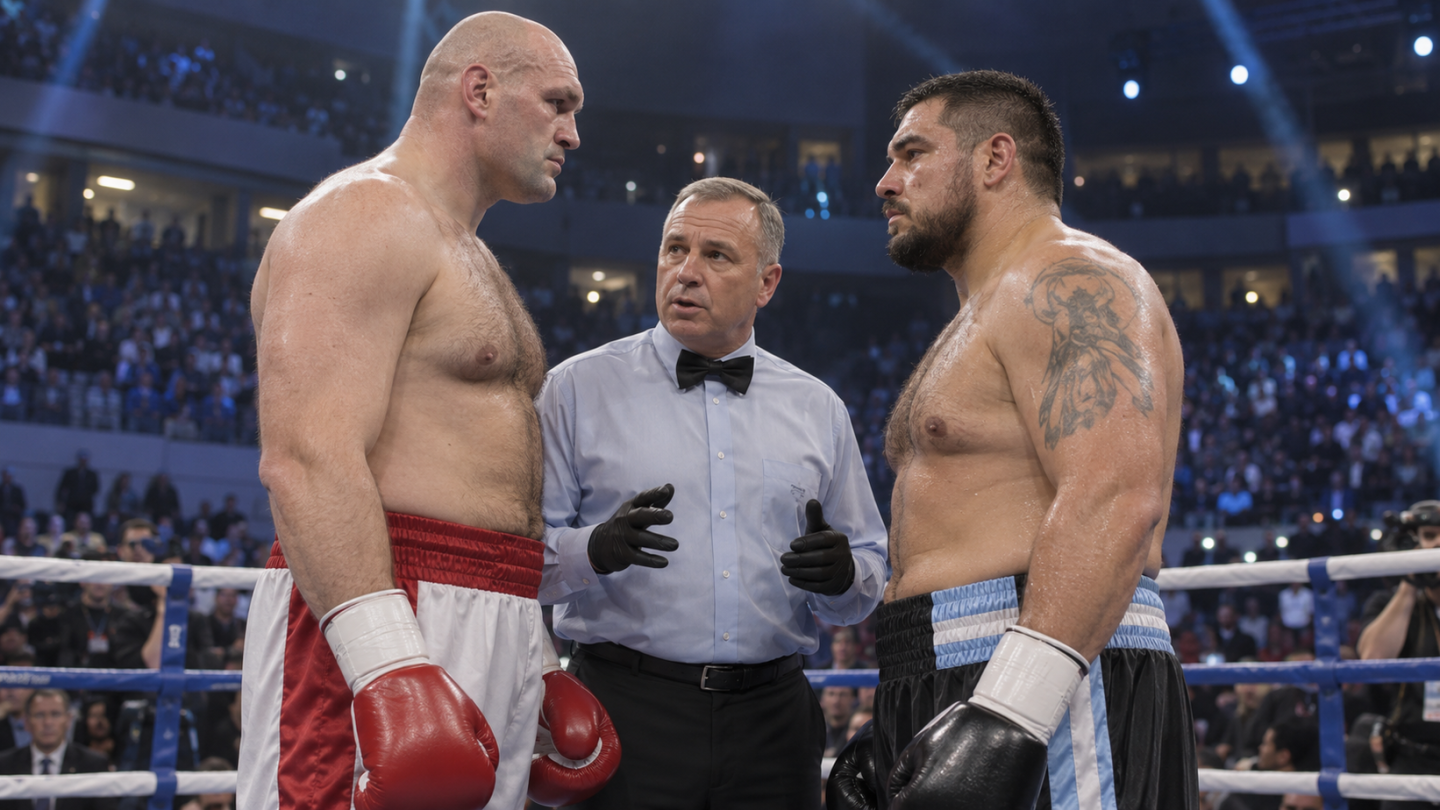
Poland’s Kacper Mejna and Argentina’s Viktor Emilio Ramirez meet in Košalin for the vacant WBA continental heavyweight belt. Mejna comes in with 17 wins and one defeat, including 11 knockouts, while Ramirez has 34 wins, five losses and one draw. The Argentine has finished 28 of his bouts before the final bell, so the numbers point to a contest where a wrong read on distance could change the outcome in an instant.
The official weigh-in put Mejna at around 110.5 kilograms and Ramirez at about 107.2. The Pole is taller and fights in front of a home crowd, yet he faces a fighter with experience in big bouts and a past as a world champion at cruiserweight. Age and freshness favour the hosts, while the ability to handle rounds under pressure and adjust mid-fight stays with the visitor.
Youth and pressure collide with the experience of a former champion
Mejna will likely try to use his height, a stiff jab and constant pressure without wading into short exchanges. His edge grows if he forces Ramirez to start every move from long range. Still, moving in a straight line would open space for the Argentine’s heavy right hand. So his attacks have to finish with an angled exit rather than leaving him standing in front of his opponent after a combination.
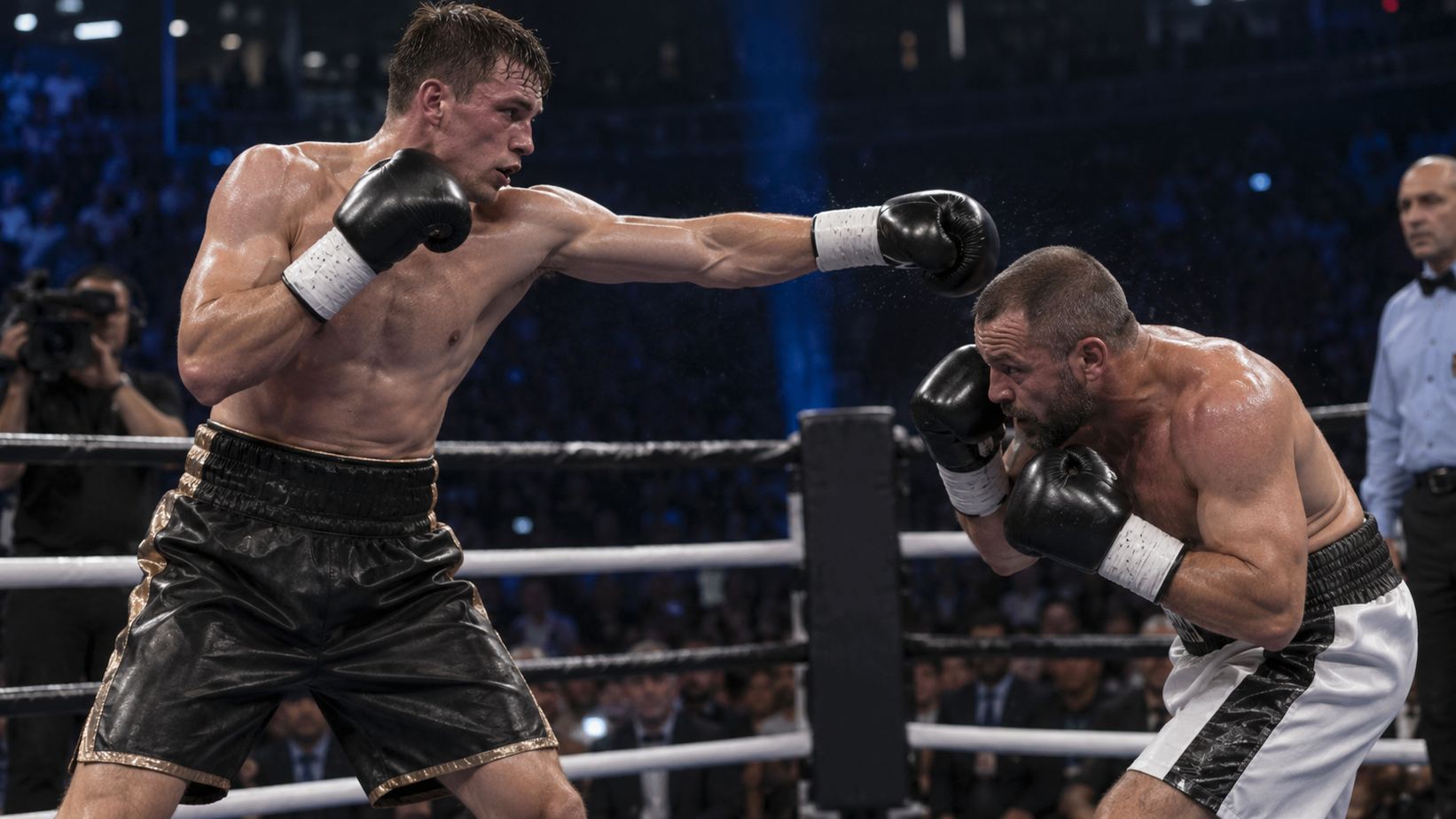
Ramirez’s route runs through changing the rhythm and working the body. A veteran does not need to win every minute if he can slow a younger rival and make him drop his guard. His knockout ratio confirms his power, but in the heavyweight division stamina and defence after his own attacks become even more important. Long bursts without control could leave him facing a bigger, fresher opponent.
The belt could reshape the path of the winner in the heavyweight division
The fight for the vacant regional title carries practical value in the rankings. The winner gets a stronger platform for the next eliminator or international bout, but winning the title alone does not mean an immediate shot at a world champion. Management will have to choose after the result between quickly raising the level of opposition and one defence that consolidates his position. His health after the fight should matter more than promotional haste.
Fighting at home gives Mejna support, but also the duty not to chase a knockout in every exchange. Ramirez will want to turn that impatience into open counters and slow the early onslaught. The clearest indicator will be how the fighters behave from the fourth to the eighth round, when the initial energy fades and the plan has to stay clear. A boxer who keeps his legs, his distance and his discipline will have a much better chance of leaving with the belt.
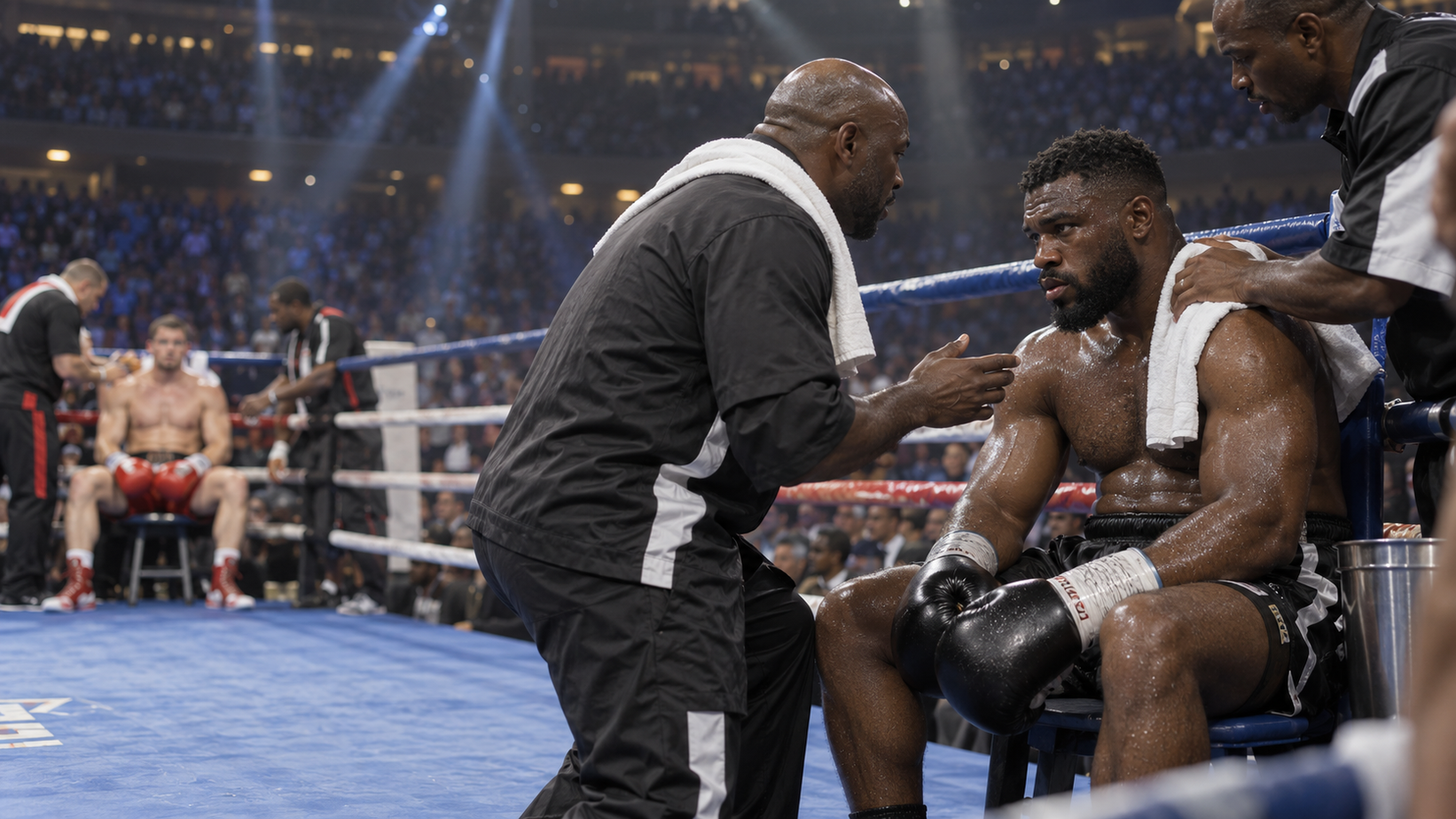
Judges will likely reward clean punches and control of the ring, so the fighters should not assume that aggression alone wins a round. Mejna must show that his pressure produces landed shots, while Ramirez needs to avoid long spells against the ropes even when he blocks well. Communication in the corner will matter after every round: one clear note about distance is more useful than a flood of general instructions. If the bout goes the distance, conditioning and the ability to hold a plan while tired will become just as important as strength. The WBA belt will go to whoever wins, but the manner of victory will decide how quickly he can secure his next big fight. A convincing, technically clean performance opens more doors than a narrow decision followed by a slow debate over the result.
Keeping emotions in check in front of a home crowd will be part of the same test as conditioning and technique.
The medical check after the weigh-in and just before the bout also has a real sporting role. Heavy bodies increase the effects of a punch, so the referee and medical team must react quickly if a fighter’s defence becomes passive. The crowd expects a fight for the belt, but safety does not depend on its significance. A good performance also requires the corner to recognise the moment when a boxer can no longer reasonably carry out the plan.