
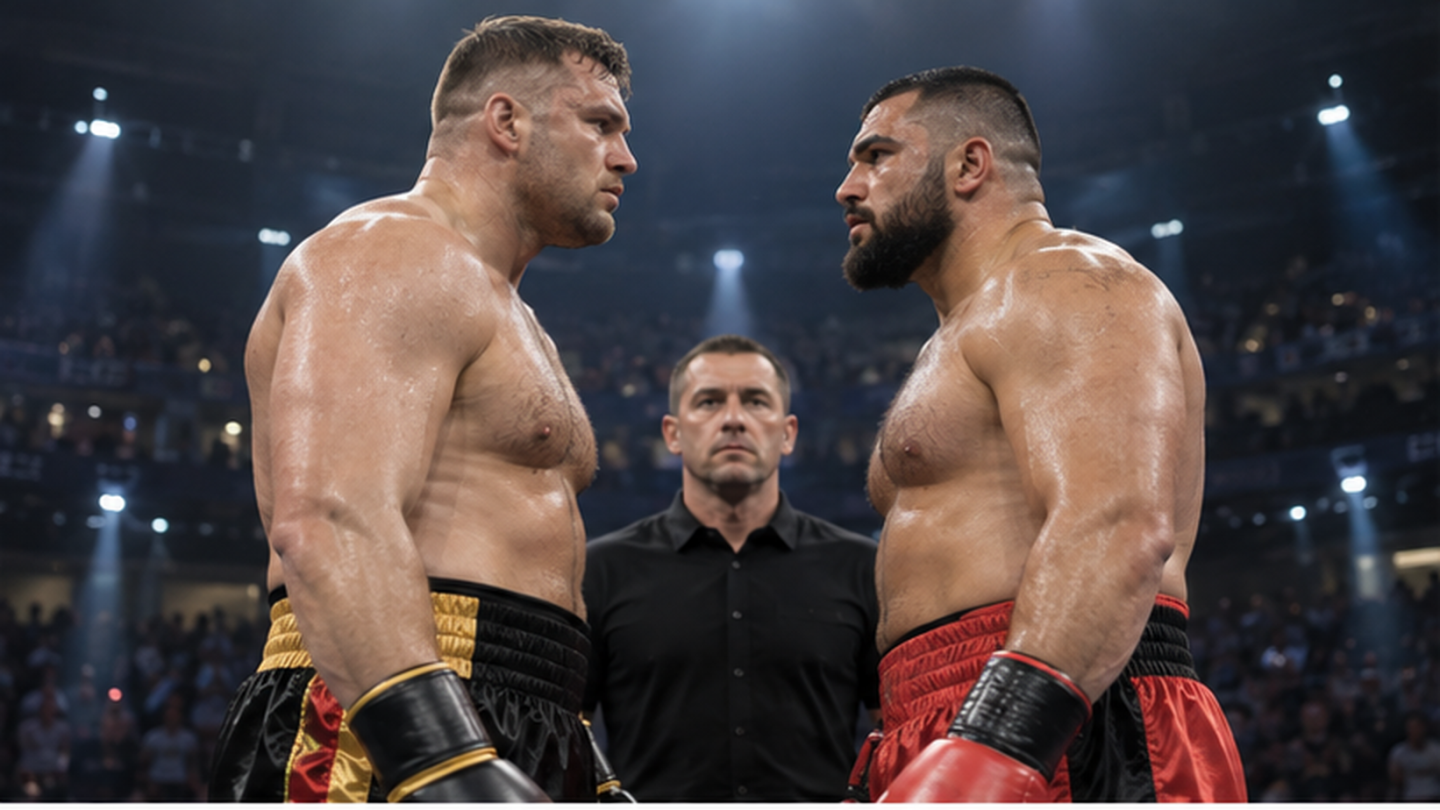
Agit Kabeel and Nelson Hisa have agreed a world heavyweight title fight in Düsseldorf, giving the German champion a chance to confirm his place at the top of the division in front of a home crowd. Kabeel enters as the favourite, drawing on his experience against strong opponents, his work on the inside and his ability to sustain a high pace. Hisa is being handed the biggest opportunity of his career and will need to show that his physical strength can work against a boxer who changes rhythm well and goes to the body.
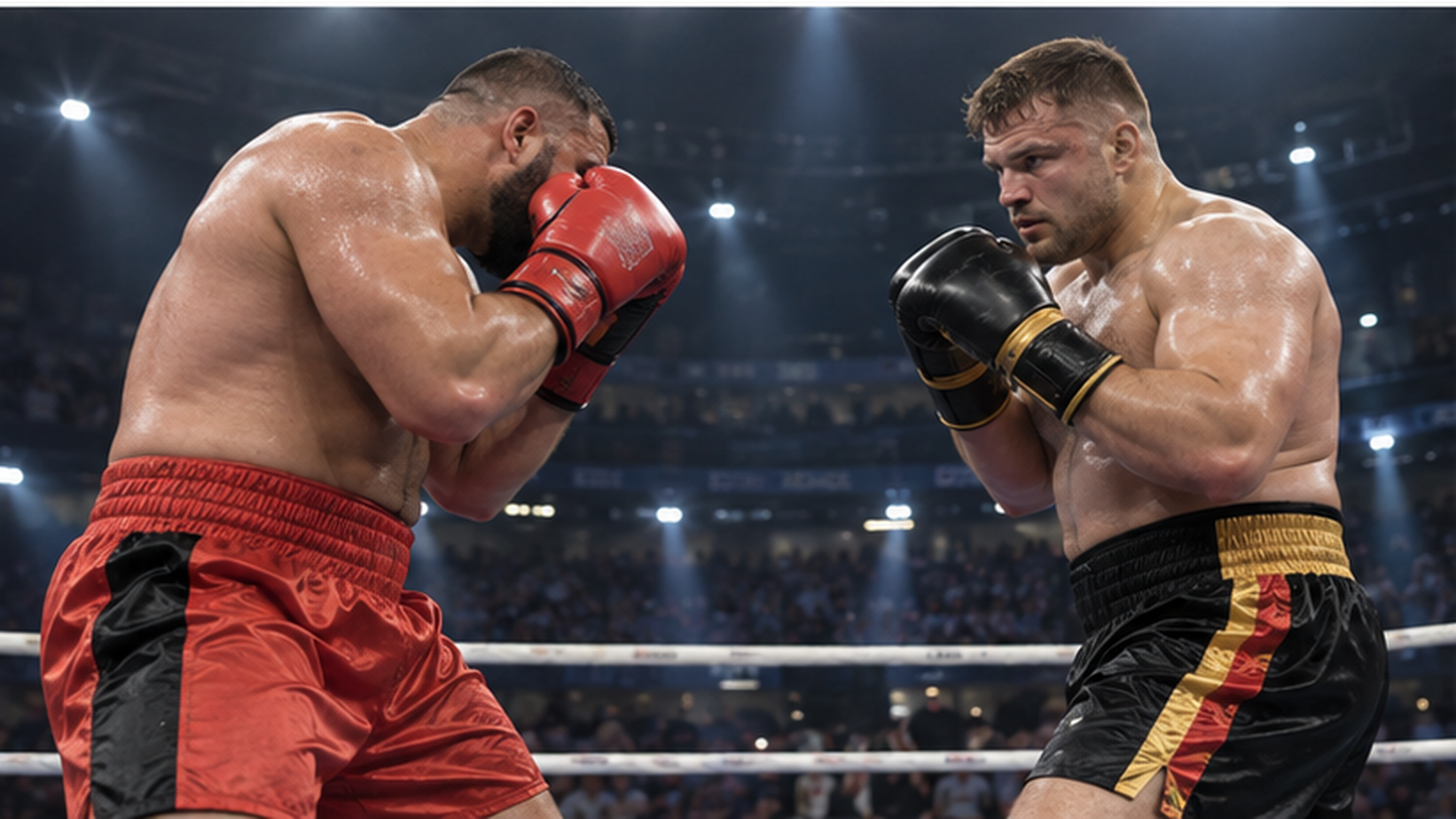
Heavyweight bouts are often sold as a wait for one punch, but this pairing offers a more complex tactical contest. Kabeel likes to reduce the space, force his rival to work and invest in body punches that become more decisive in the later rounds. Hisa has to use his reach, his lead straight and his movement before he is pinned against the ropes. If he lets the champion set his feet at mid-range, his energy will quickly become a problem.
Kabeel is defending more than a belt
Being world champion brings higher expectations and a different kind of pressure. A challenger can box with the feeling that he has nothing to lose, while the champion is expected to be in control from the first bell. Kabeel cannot try to finish the fight simply to please the crowd. His strength is methodical work: closing the exits, changing the level of his attack and forcing his opponent to box at a tempo that does not suit him.
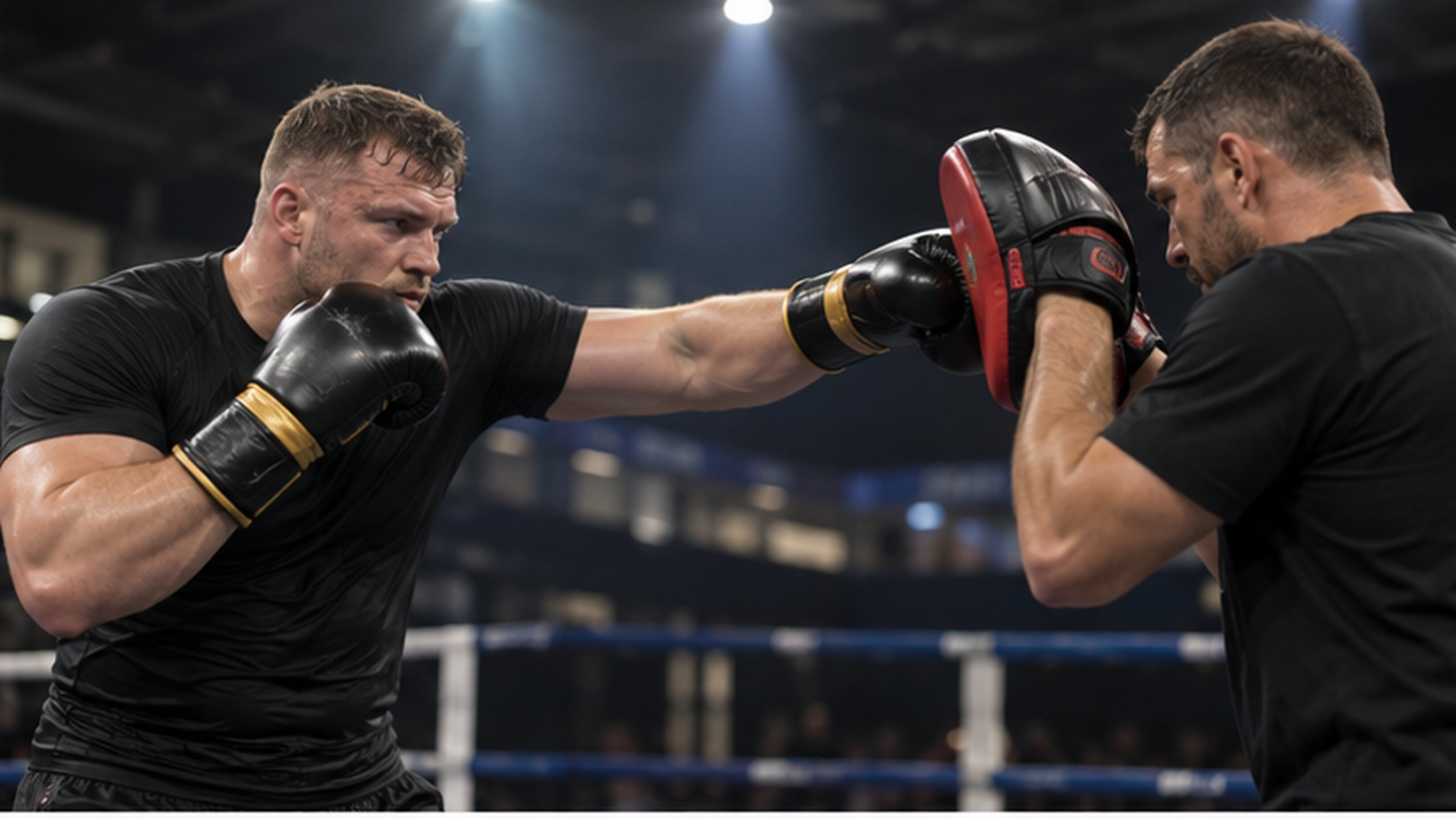
A home venue can add energy, but the referee and his corner will expect clear discipline. Hisa will likely try to slow Kabeel’s entry with early heavy shots. The champion must therefore work behind his guard, change angle after a combination and avoid retreating in a straight line. Every unnecessary strength contest raises the challenger’s chances. A smart start would let Kabeel increase the pressure in the second half of the fight.
For Hisa, the key is not to stay passive while waiting for the perfect right hand. Rounds are lost on points, and the champion can create an impression through constant activity. The challenger must land often enough to halt his opponent’s forward movement and then slip out to the side after his own attack. Footwork will matter more than raw power. If he holds the middle of the ring and makes Kabeel take the first risk, the fight could take a completely different course.
The heavyweight division faces a major new test
The winner will be in a strong position for the next big fights in a division where plans change quickly because of mandatory defences, rematches and promoters’ negotiations. A convincing Kabeel win would confirm that he is not merely a dangerous challenger but a champion capable of carrying a major event. A surprise result for Hisa would immediately put him into the conversation about the division’s leading names and reshape the schedule of future bouts.
Preparation will need to cover the full distance and scenarios in which the plan fails. Kabeel must be ready for an opponent who refuses to back up, while Hisa has to withstand constant pressure without losing his technique. Sparring partners should imitate their rival’s style, but no training session can fully reproduce the nerves of a big fight. That is why composure in the first three minutes will reveal much about how ready both camps are.
Düsseldorf gets a fight with a clear sporting stake and local interest. Kabeel brings experience, a crowd and a more developed plan for the long rounds, while Hisa brings the power and motivation of a challenger. The outcome will likely depend on control of distance and on which man forces the other to spend more energy. If both boxers stay disciplined, fans may get a tactically demanding bout rather than a brief exchange of heavy punches. The weigh-in, the press conference and the walk to the ring will also show who handles the attention better. Heavyweights often burn energy before the first bell trying to make an impression, but the real advantage comes from calm preparation. Teams must protect sleep, nutrition and warm-up routines, because in a twelve-round fight every small lapse later turns into slower legs and weaker defence.