
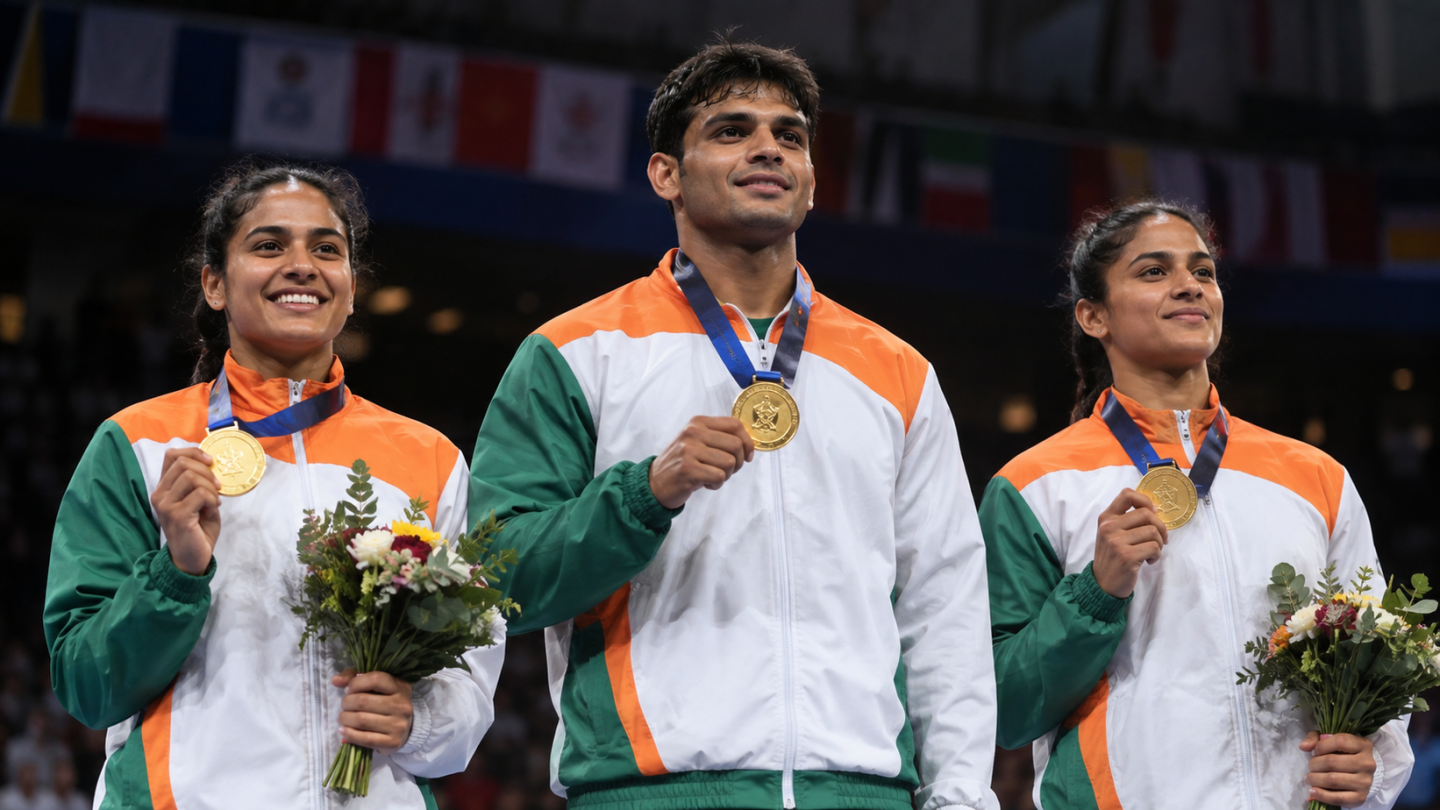
India collected three gold medals on the opening day of the Asian Games boxing finals. Lovlina Borgohain, Parvin Hooda and Ankush Panghal all won in different weight categories, turning the closing programme into one of the strongest showings by their team across the entire tournament.
Borgohain beat Bao Ziyi by a unanimous 5:0 decision, using her reach and a well-timed straight right to keep the fight at the distance she wanted. Hooda took the closer final against Chen Nien-chin on a split 3:2 verdict, a result that came down to who finished the stronger closing exchanges after the rounds had been level.
Panghal completed the three-gold haul with a win over Kim Min-seong. The men’s final demanded more footwork and constant adjustment to shifts in rhythm, and the Indian stayed disciplined even when his opponent tried to pull him into exchanges at close range.
Three finals called for three different plans
Borgohain used her lead straight mainly as a tool for measuring distance rather than simply to score. Whenever Bao tried to shorten the space, the Indian stepped slightly to the side and immediately returned with a combination. The judges therefore saw cleaner punches and clearer control of the centre of the ring.
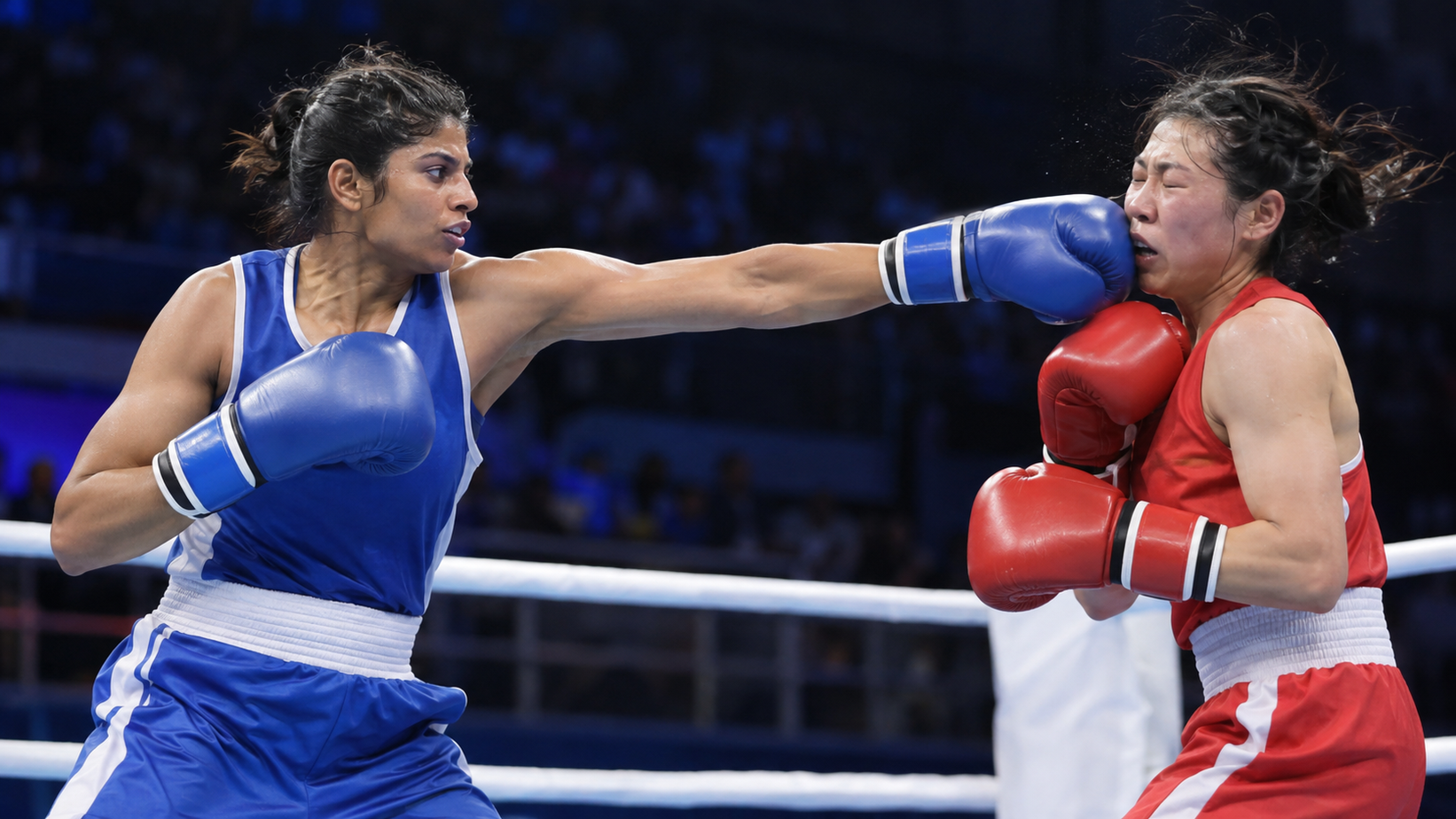
Hooda’s final carried more tactical risk. Chen kept changing the level of her attacks and reacted well after the first clean punch, so neither boxer could hold the initiative for long. The 3:2 decision shows how much the final clean shots of a round matter when the total number of successful actions is similar.
Panghal avoided the mistake of answering aggression with raw strength alone. By moving, he forced Kim to start her attacks from further out, where punches are easier to read. Whenever space opened up, he went in with a short combination and got out before the bout turned messy.
The result confirms the depth of Indian boxing
Three golds in three categories amount to more than a good day. The team has shown that it has boxers with different profiles and a coaching staff able to prepare specific plans for each. That is a real advantage at a tournament where opponents change quickly and there is little time for major technical adjustments.
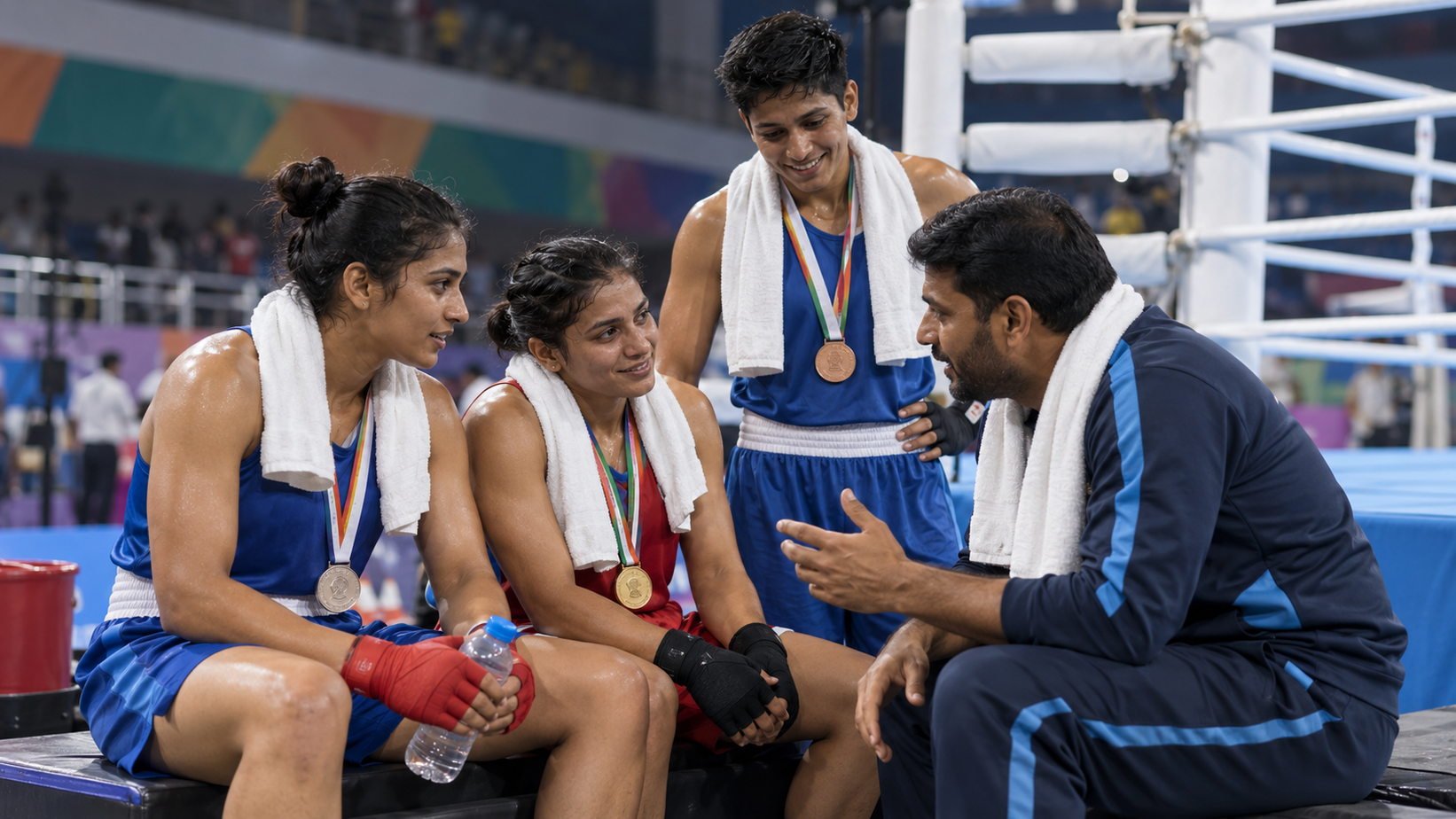
For the selectors, the next step will be analysing the clean punches they conceded and how the boxers behaved under pressure. A medal can hide small problems that turn into a lost round at the next major event. The footage from the finals should therefore be used for precise corrections, especially when boxers come off the ropes.
India sent a message to Asian and world rivals with this performance. A continental gold does not guarantee the same outcome on the global stage, but it confirms that three boxers can win fights with very different demands. The greatest value lies in the experience of finals, where every detail is judged and there is no room for a wasted round.
All three champions now face an important period away from competitive excitement. Coaches should review each round separately, note where the centre was lost and how many clean punches came after a prepared action. That kind of analysis preserves what produced the gold and removes habits a stronger rival could punish. The medals confirm the quality, while the next training cycle will decide whether the result becomes the start of a longer dominance. The next appearance or official ranking will show how well this conclusion holds under new pressure. The figures should be read alongside the strength of the opponents, the conditions and the decisions made at key moments. It is important to separate the current result from the long-term trend: one success confirms good preparation, but only repetition shows stability. The coaching staff should therefore track a few clear indicators, compare them with the previous outing and change only what has proven to be a weak point. That approach protects confidence while still leaving room for progress. The reaction of direct rivals will also matter, since preparation changes as soon as an opponent recognises a successful pattern. For that reason the analysis should include the situations in which the original plan did not work. The best performances come when a team or athlete keeps its core strength and makes a small, timely adjustment during the event.