
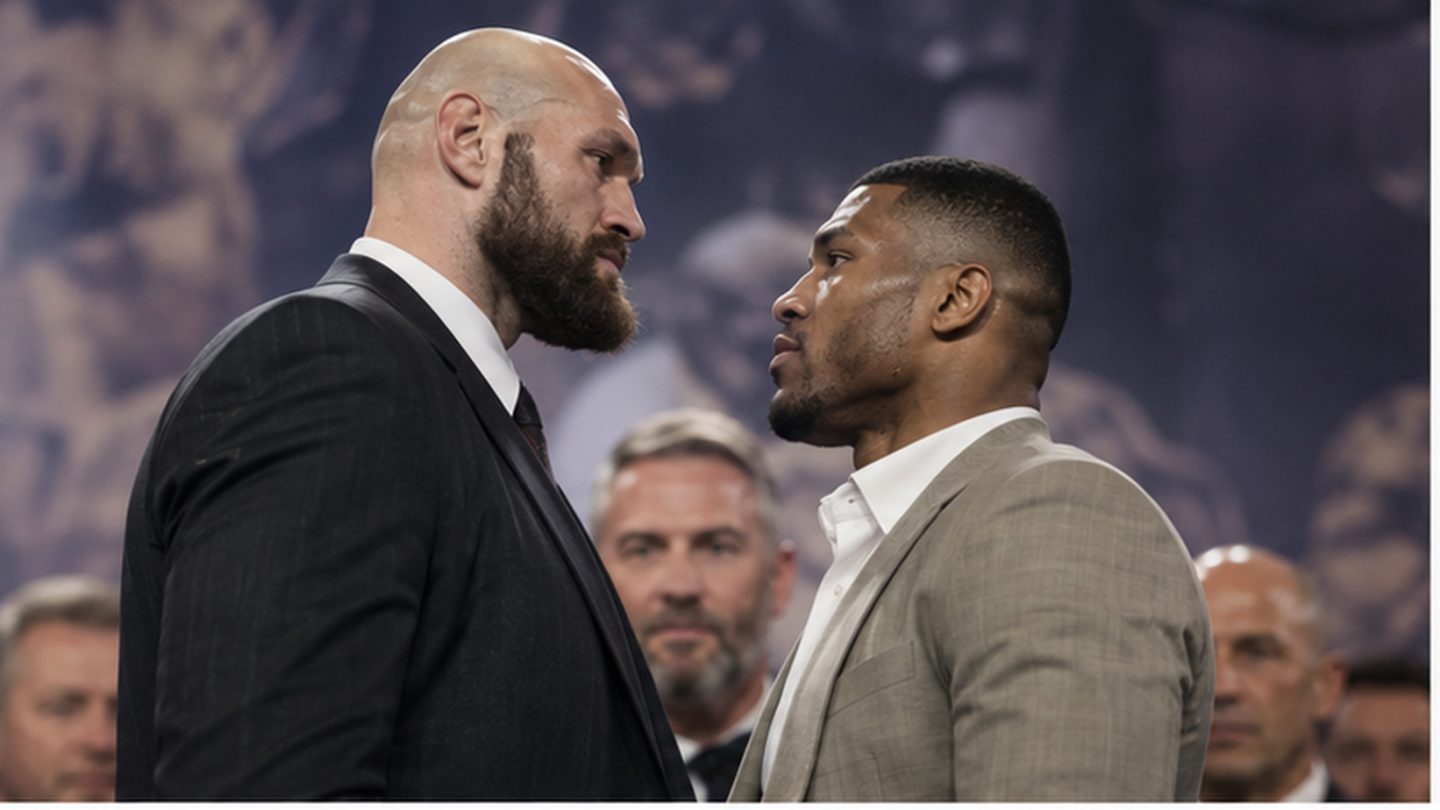
Tyson Fury and Anthony Joshua have, for the first time, fronted together the long-awaited British heavyweight showdown. Their opening encounter was marked by jokes, a calm tone and a visible mutual respect, a clear contrast with many earlier promotional events featuring the two former world champions. The meeting settles no sporting questions, yet it does confirm that the project has moved into a more concrete phase after years of failed negotiations, changes of promoter and separate routes through the top of the heavyweight division.
The contest is arriving later than fans first hoped. Over the past decade, Fury and Joshua have at various points held the division’s biggest belts, but they have never shared a ring. Their duel no longer decides the undisputed champion of the generation, though it still draws huge attention because of the names involved, their contrasting styles and the rivalry between two British fighters. Promoters are counting on the long history of delays to build interest, while the boxers must show that the fight still has real sporting meaning.
A first meeting without the expected clash
Fury used humour at the event in an effort to ease the tension, while Joshua spoke more quietly than in some of his earlier big announcements. That restraint need not mean the whole build-up will stay friendly. As weigh-ins and the bout draw closer, questions about defeats, coaching changes and age will sharpen. Still, the early calm is useful, as it keeps the focus on stylistic analysis rather than prepared insults that often add nothing new.
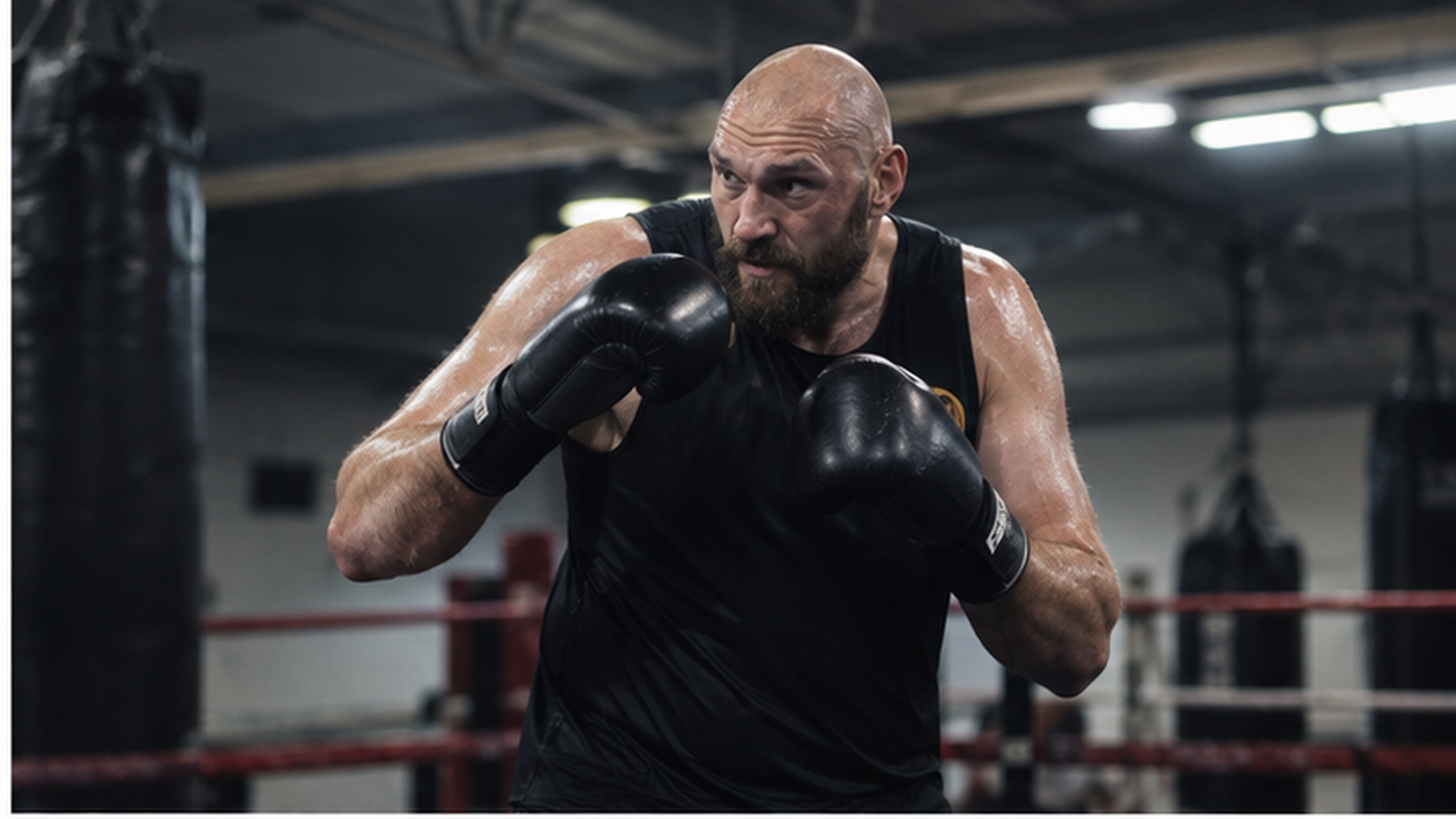
The key duel will be between Fury’s ability to vary his guard, rhythm and distance and Joshua’s explosiveness in the mid-range. Fury is the bigger man, moves well for his height and is experienced at tying an opponent up when he wants to slow the fight down. Joshua must close the distance without wasting energy, attack the body and avoid long spells waiting in front of his rival. One heavy punch can change the fight, but a plan for twelve rounds matters more than chasing an early knockout.
What must be confirmed before the bout
The coming promotional period should bring precise information on the venue, date, rules and official team of each boxer. Public appearances cannot replace contract details, medical examinations and a training camp. The physical condition of the two heavyweight veterans will be watched especially closely, since both have long careers and demanding fights behind them. Any change in preparation could shift the balance of power more than the tone of a press conference.
The first face-off is therefore an important signal, but not proof of the final outcome. Fans have already seen negotiations collapse when a deal seemed close. This time both sides have strong financial and sporting reasons to finish the job. If all the formal steps are confirmed, British boxing will get a fight it has waited more than ten years for, with different stakes than before and still the rare kind of public attention that comes with it.
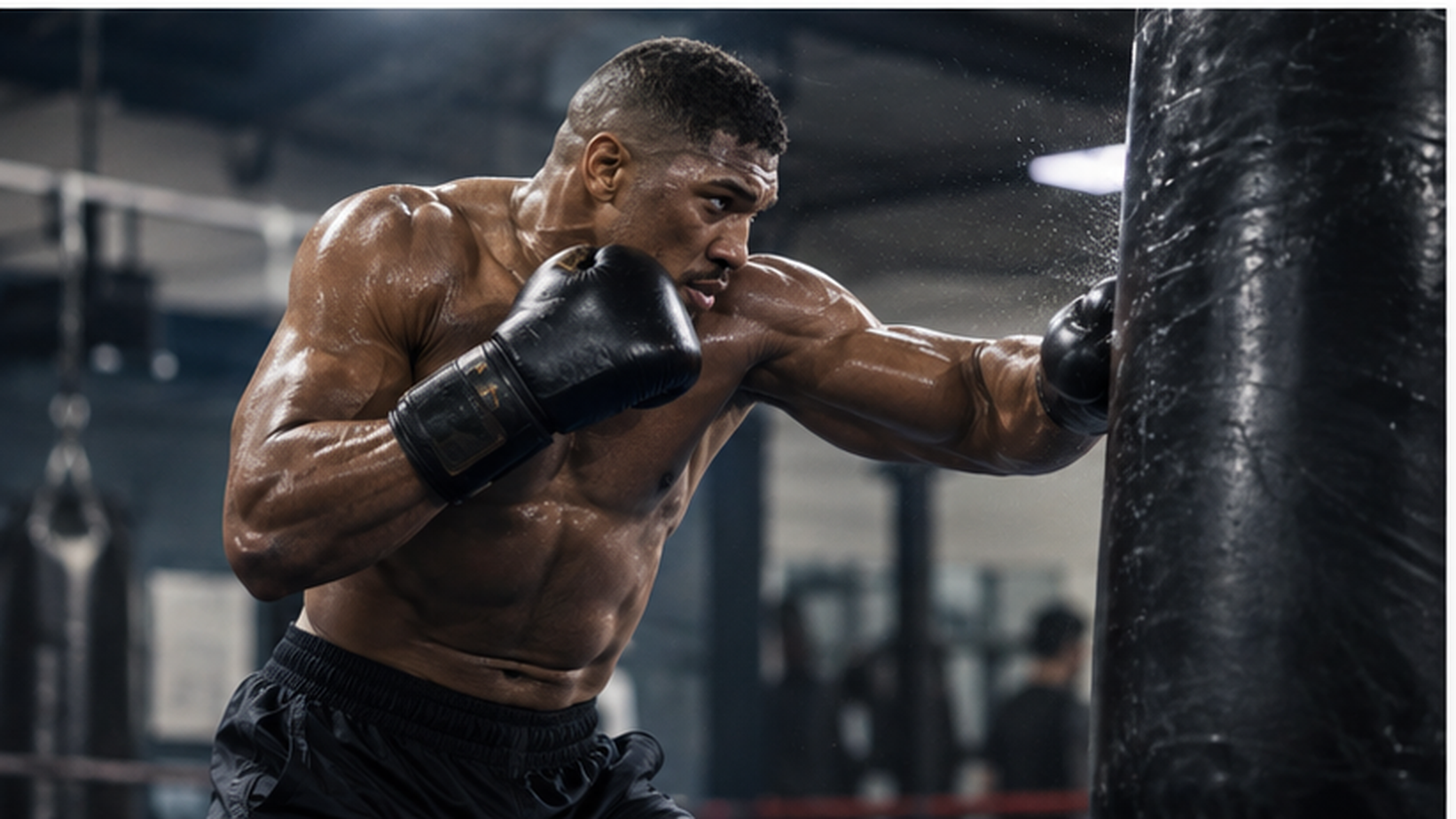
Joshua’s team will have to decide how much to rely on the lead jab to halt Fury’s movement, and how hard to push the body punches. An overly straight attack gives Fury the chance to tie his rival up and rest, while passivity leaves room for him to pile up rounds from distance. Fury’s camp, for its part, will watch for moments when their fighter ends up against the ropes. Joshua is at his most dangerous when an opponent has little room to retreat and he can link the straight right with the left hook.
Age and previous heavyweight fights make the pace of preparation especially important. Neither team will want to peak too early, but delaying sparring risks a fighter entering twelve rounds not fully ready. The public will be given short clips from the camps, which often show only the best moments. More reliable indicators will be the official weigh-in, movement during open training sessions and whether the fighters can get through the final weeks of preparation without problems.