
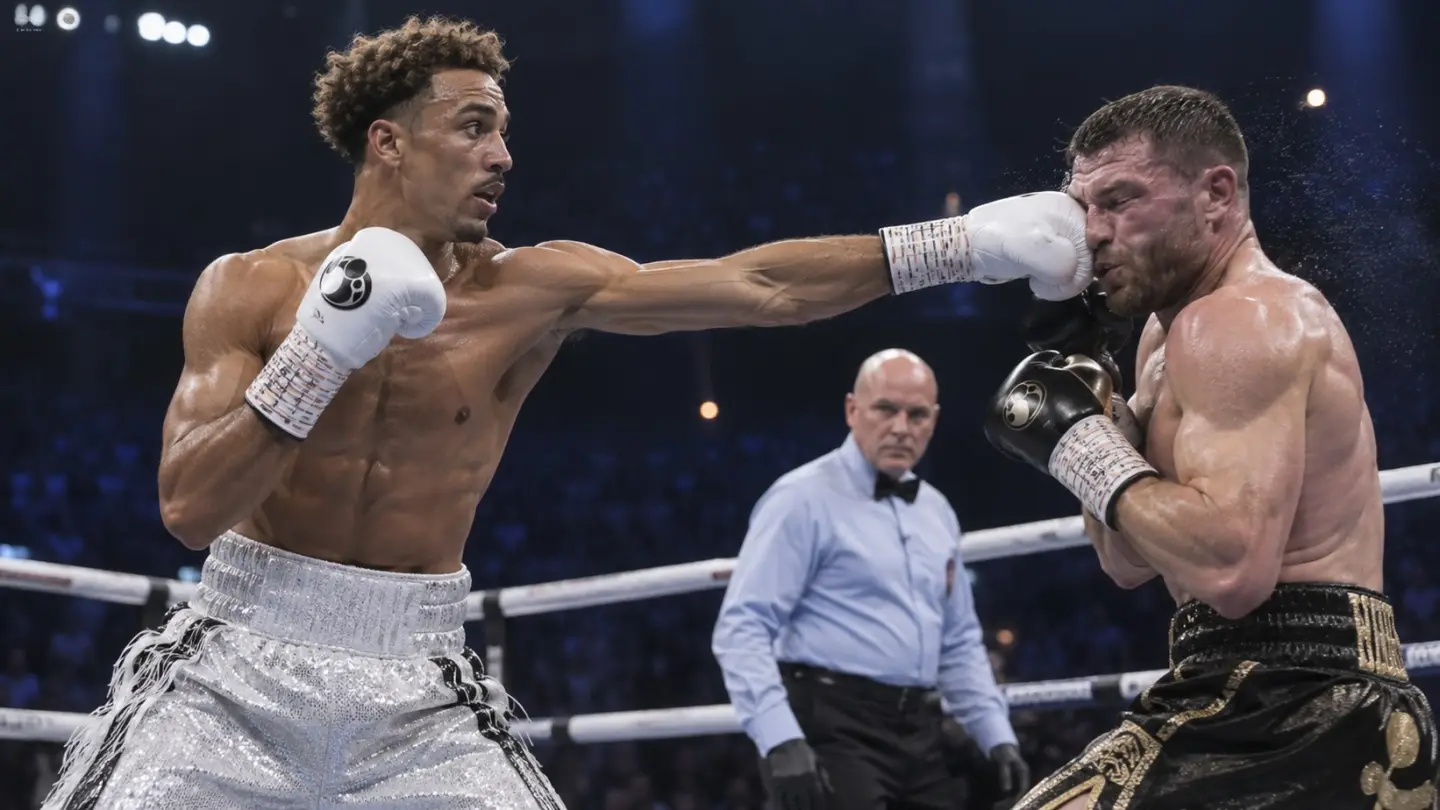
Ben Whitaker beat Conor Vallis by unanimous decision in the final IBF eliminator at light heavyweight. Scorecards of 117:111, 116:112 and 115:113 handed him the biggest professional win of his career and the position of mandatory challenger for the belt held by Dmitry Bivol. The Briton improves to 13 wins, with no defeats and one draw, while Vallis suffered the second loss in 19 professional outings.
Whitaker controlled most of the fight with his lead hand, lateral movement and more precise single punches. He never had to enter a long exchange when his first shot had already given him the points edge. Vallis tried to cut down the space and prolong the action along the ropes, but he often arrived a step too late. The judges’ individual margins show the rounds were not one-sided, although the winner was the same on all three cards.
Early advantage held through a dramatic final round
The last round delivered a serious warning for Whitaker. Vallis caught him with a heavy shot and sent him to the canvas three times, but the referee ruled none of the situations a official knockdown. The Briton managed to stay in the fight until the bell and protect his lead, yet the finish showed how quickly a well-controlled bout can turn dangerous. Against a world champion, such a lapse in concentration or balance could prove decisive.

Whitaker’s style relies on changing angles and inviting opponents to miss, but attractive movement must remain linked to a safe exit. When fatigue sets in, dropped hands and straight-back retreats become a bigger risk. His team will therefore study the moment before Vallis’s surge: foot position, distance after his own punch and the reason he did not clinch immediately. Correcting that detail matters more than any debate about the referee’s decision.
Mandatory challenger status brings a new level of responsibility
Vallis leaves the defeat with proof that he can threaten a top opponent even after losing most of the fight. His problem was a late start. Pressure without enough clean punches did not win rounds, and Whitaker had time to build his lead. The closing assault showed the right path, but also the price of missed chances. Against a mobile rival, he needed to work the body and cut the ring earlier, rather than chase the head.
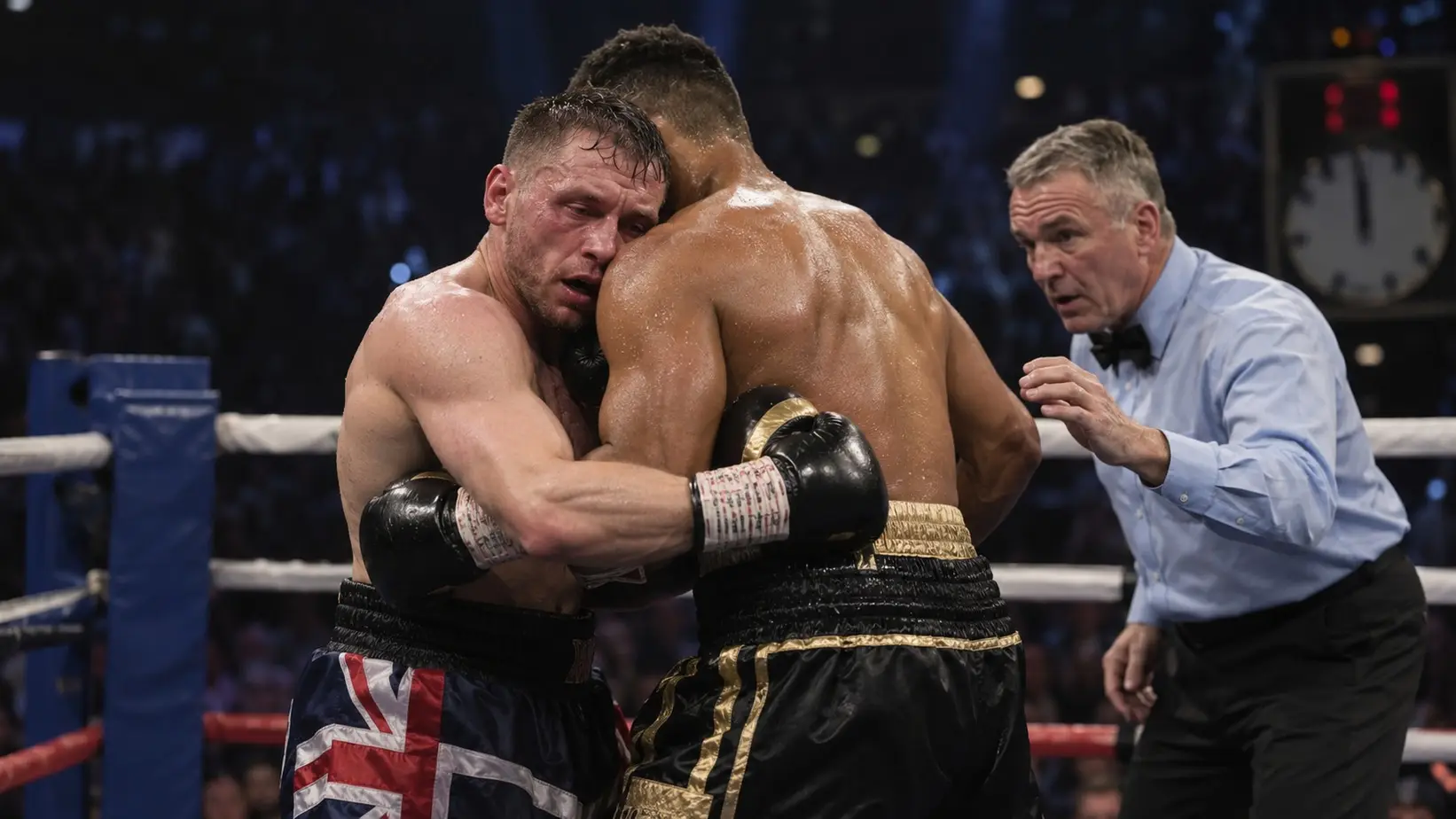
Being the mandatory challenger does not mean the bout with Bivol will be organised immediately. The timing depends on the champion’s plans, other commitments and decisions by the federation. Whitaker now needs to stay active without taking unnecessary risks, and to choose an opponent who can prepare him for a technically precise champion. Another quality fight would only make sense if it does not endanger the status he has earned and serves a clear developmental purpose.
The biggest gain from this evening is that Whitaker went twelve rounds under pressure and still won the decision. The biggest warning came in the last three minutes, when his safety almost disappeared. To attack a world title, he must combine his speed, timing and control of distance with discipline that lasts until the bell. The result against Vallis opened the door. An analysis of the dramatic finish will show how ready he is when he actually walks through it.
The judges’ scorecards and the footage should be analysed separately. The cards confirm the winner, while the footage shows which rounds were close, where the lead hand stopped controlling distance and how Vallis found his late surge. Those are the minutes that will benefit Whitaker most. A world title contender must know not only how to create an advantage, but how to protect it safely when tired.
Vallis salvaged the sporting value of the defeat with his closing surge and showed what a new big fight could bring him. He needs earlier body work and more cutting of the ring, not just a stronger finish. Whitaker won the eliminator, but both corners have clear material for improvement. That is exactly why twelve rounds are worth more than a simple win without resistance.