
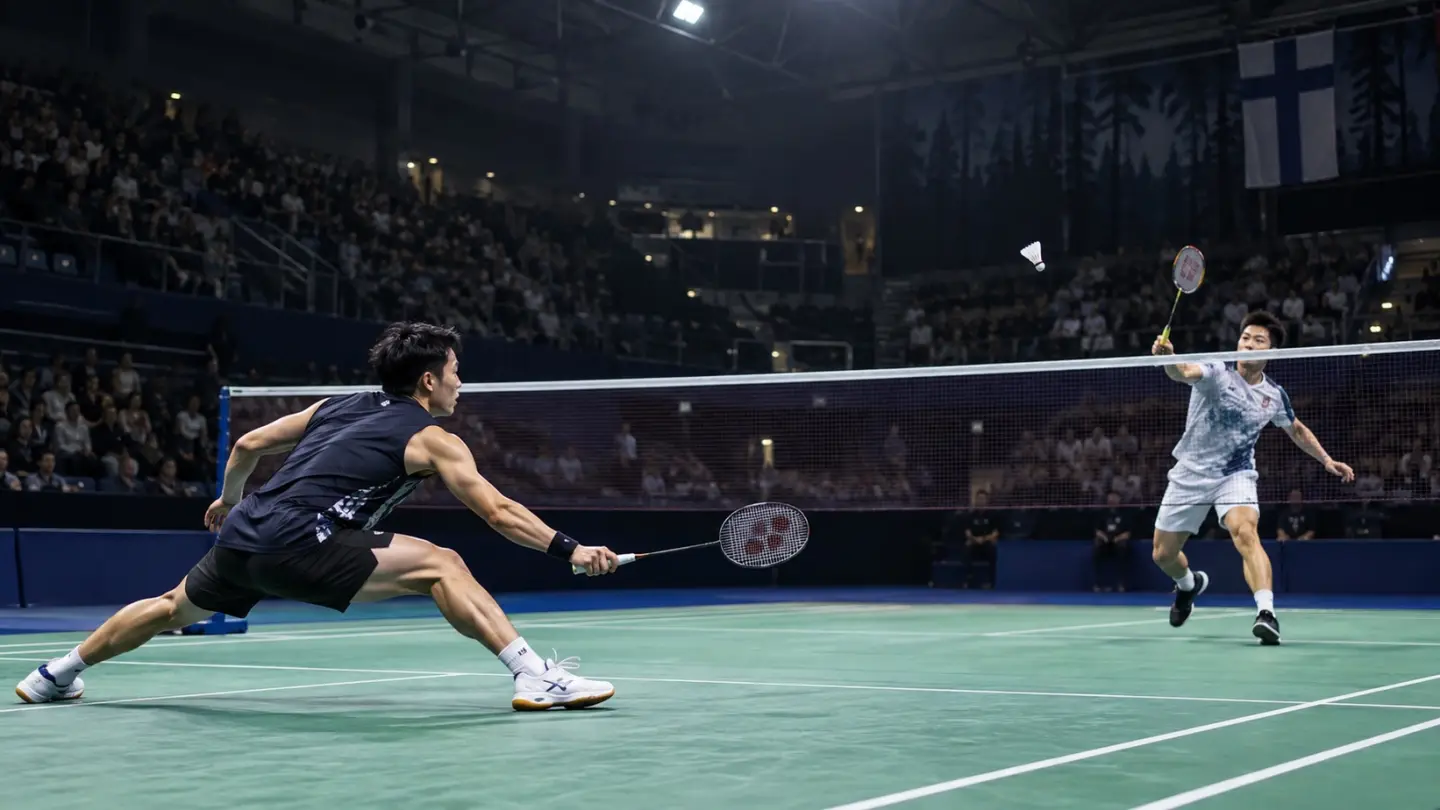
The clash is set for 8 October, and the Thai player goes in as the top seed, yet Weng carries an attacking game that can swing a rally in a heartbeat. That fact sets the starting point for any analysis. Further conclusions only carry weight once you know what has been officially confirmed, what depends on the next outing, and which single detail could change the picture first. The order matters: the event comes before the interpretation, and an expectation should never be presented as a finished result. For that reason the next official update should confirm the consequence now flagged as decisive.
Vitidsarn wants longer exchanges and changes of height, while Weng looks for early contact and an attack down the line before the defence sets itself. The final score does not always reveal how an advantage was built. It is worth tracking how responsibilities are shared, how each player responds to the first setback, and whether the same good decision can be repeated. A brief turnaround can hide a weak plan, while a quiet spell without big numbers often prepares the decisive moment a few minutes later. Reading the match this way gives the reader a basis to understand both the result and the choices that led to it.
Patience in the rallies decides a duel of two rhythms
The favourite must keep depth and speed up now and then; the challenger must win the net without chasing finishes from a poor position. The plan has to be clear enough to carry out under pressure. The first option uses the biggest advantage, and the fallback has to answer the opponent’s most likely reaction. Adding new tasks without a clear reason slows the decision; a good adjustment changes only the part that is not working and keeps what already produces results. Execution is then judged by the clarity of the decision, the speed of reaction and the quality of position after each attempt.
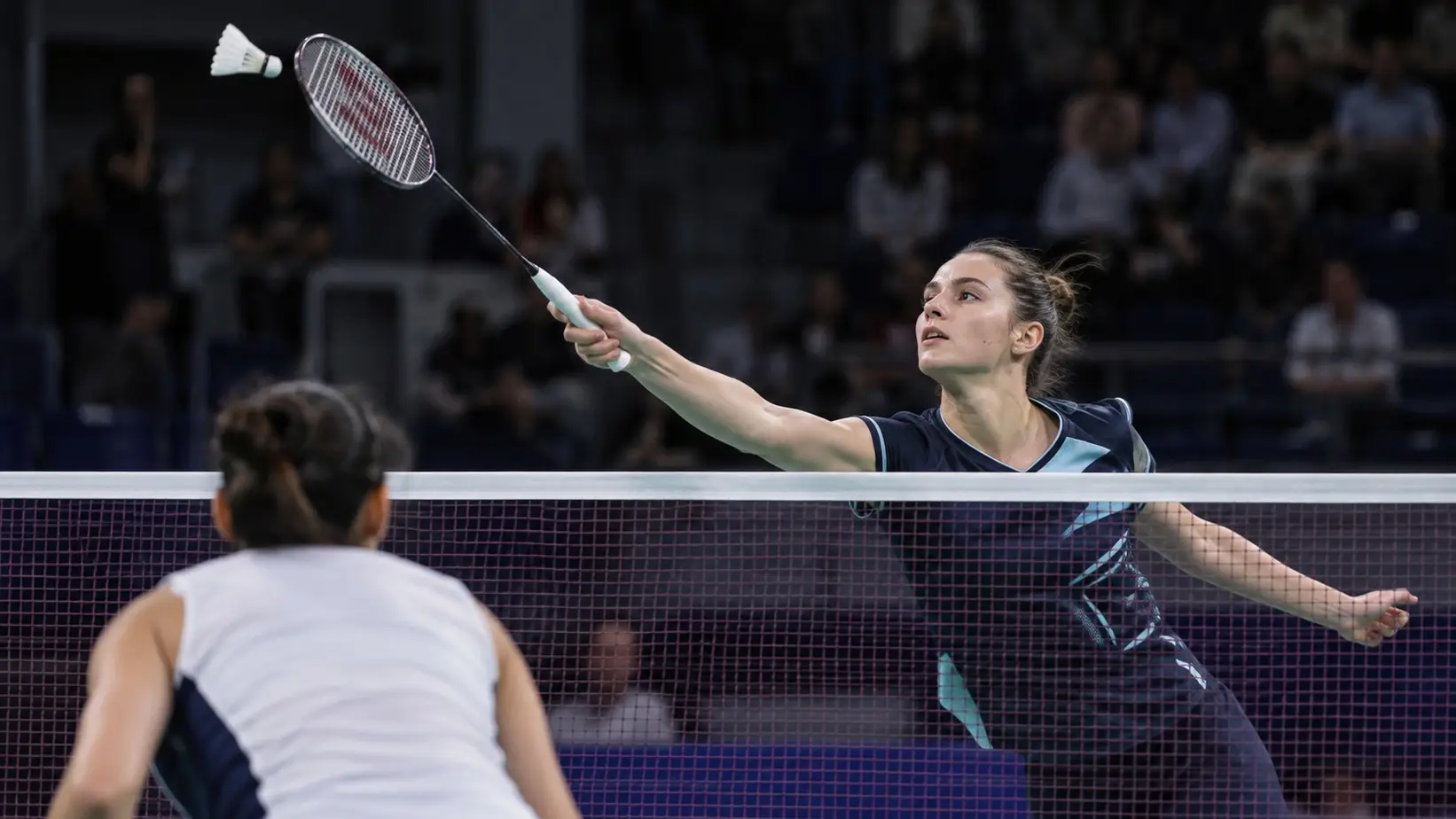
A run of short returns into the middle would hand Weng a clean smash, while an overly passive approach would turn Vitidsarn’s stamina into defence with no way out. Risk management determines how long a plan can survive. A neutral shot sometimes preserves position, energy or possession for a better chance, while forcing the play without preparation opens the door to a counter. The balance between gain and danger shifts with time and score, so the same decision is not equally good at the start and in the closing stage. The true measure of discipline will be the number of situations in which danger was recognised before it turned into damage.
Serve and first step shape the route to the quarter-finals
Useful indicators are points won by the third shot, the height of the first lift, direct errors at the net and performance in rallies longer than fifteen shots. These figures allow the conclusion to be checked after the event. The final score shows the outcome, but only a comparison by periods reveals where the advantage was created and whether it can be repeated. It is especially helpful to separate the opening plan from decisions made under fatigue, because that is where the stability of technique and the quality of preparation become visible. If the values are read in sequence, it will be clear whether a change was planned, temporary or accidental.
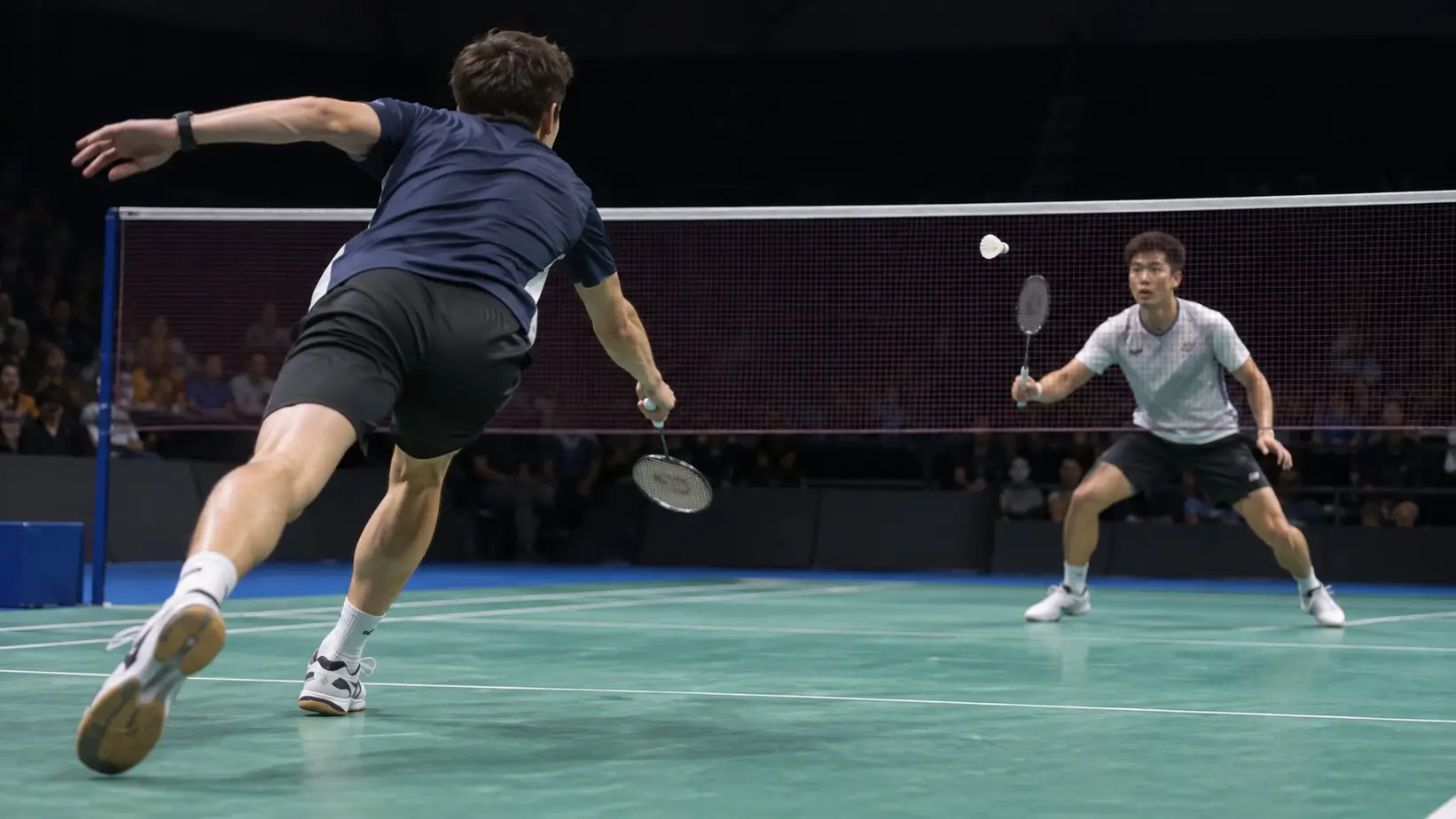
The winner moves into the last eight and gains confirmation that their core style works against a different rhythm. The significance does not end with the last point or the final decision. A good performance opens a new opportunity, but consistency is what proves that the change can be sustained. A weaker result can still be useful if it produces two or three precise tasks. Changing everything at once usually hides the real cause and makes the next check harder. That follow-up gives the current news a longer-term value and links the immediate outcome to the next realistic goal.
Vitidsarn is the favourite on the strength of his consistency, but Weng could cause an upset if he takes time away with short receives and stays patient through the neutral rallies. The conclusion must therefore stay tied to the evidence currently available. The best next check uses the same control points in different conditions, so it becomes clear what belongs to quality and what to circumstance. Repeating a good pattern against a new demand gives the assessment more weight than a single striking action. That is exactly why the final judgement should be updated only when a new comparable figure emerges from the official event.