
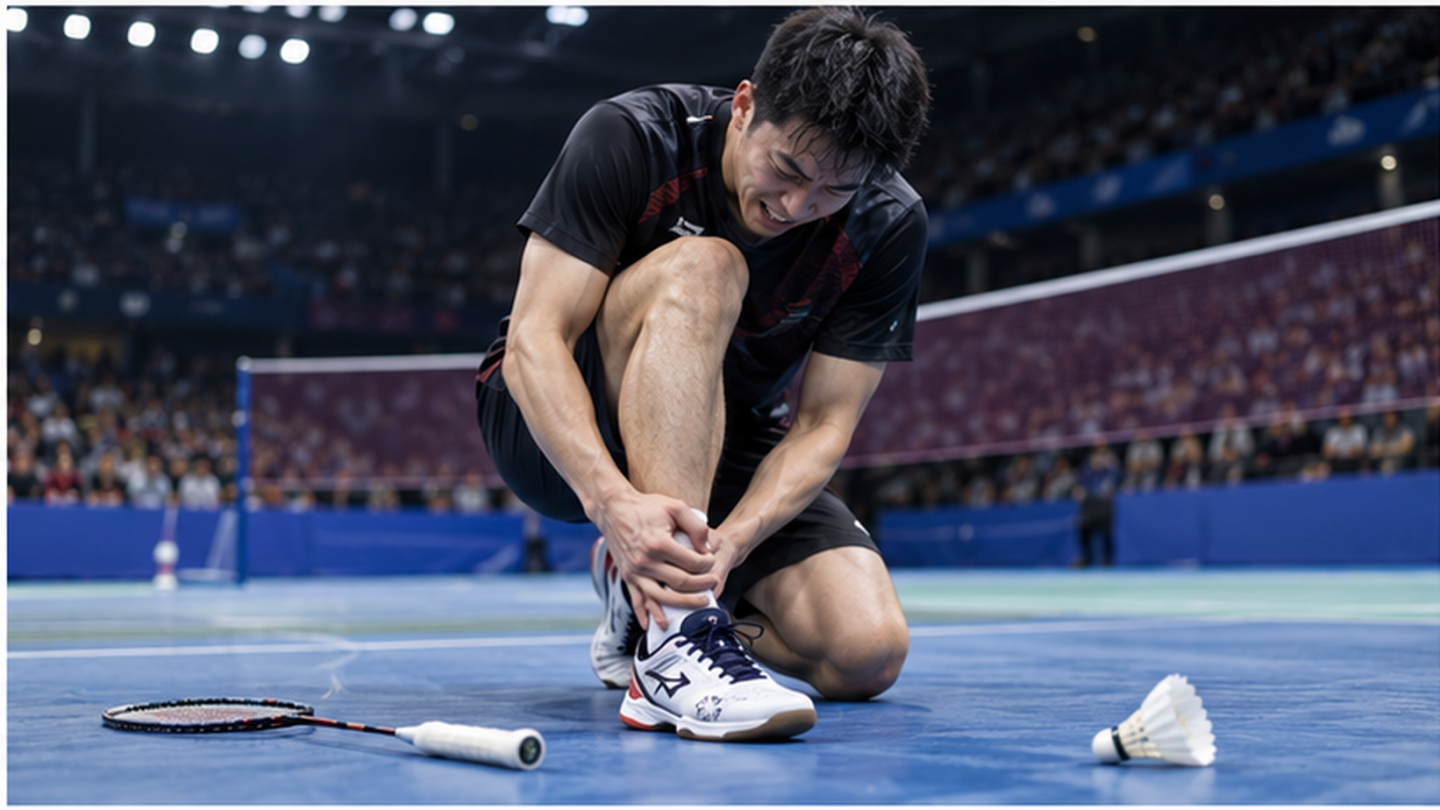
Shi Yuqi could miss the rest of 2026 because of an injury problem, a major setback for the Chinese national team and the closing weeks of the international badminton calendar. One of the best singles players in the world has already had spells this year in which he could not maintain a full competitive rhythm. Any decision on his return will have to rest on a long-term assessment, because an early comeback can turn a limited problem into an injury that disrupts preparation for the whole next season.
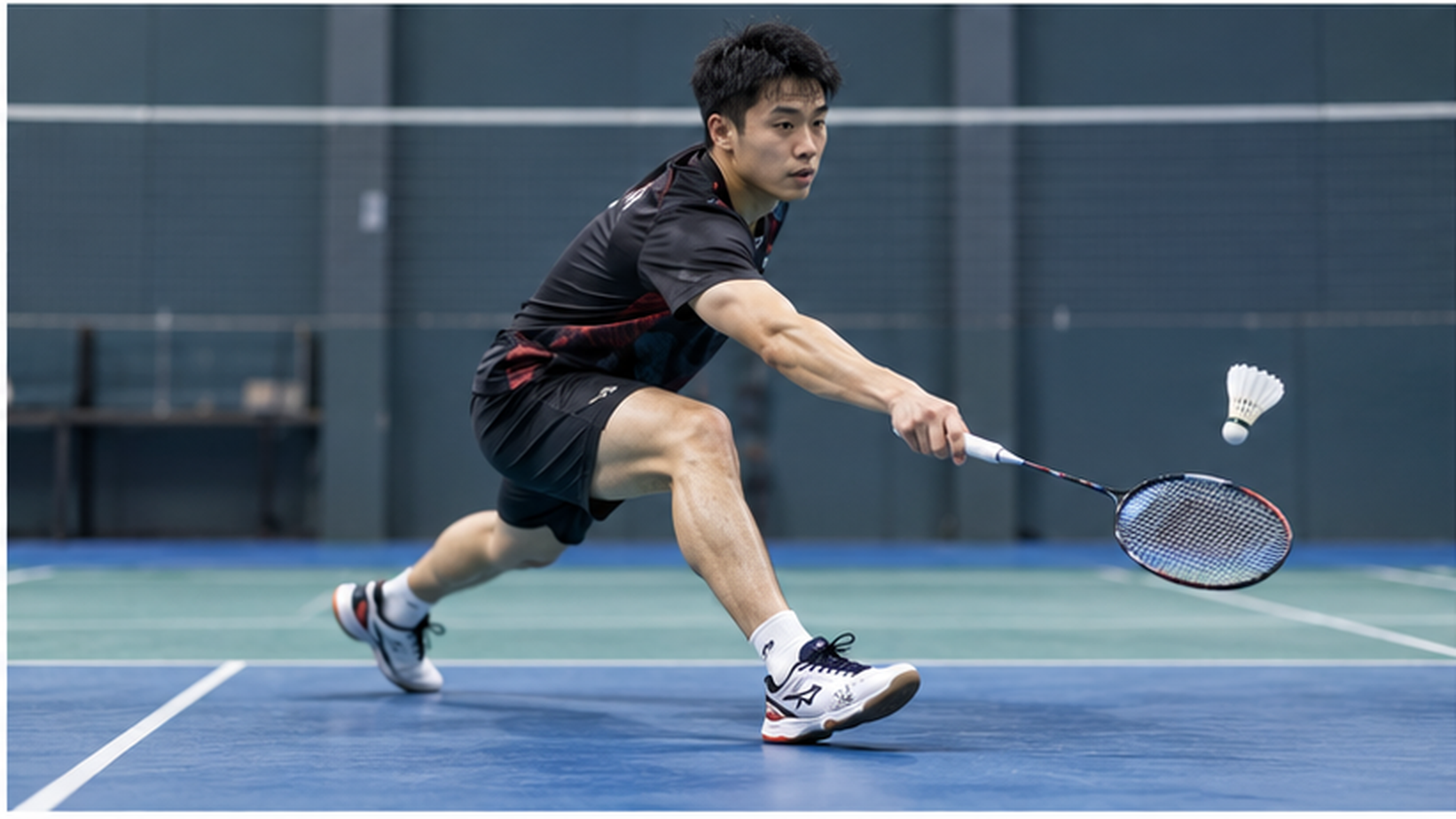
For a player of his profile, sudden lunges, changes of direction and landings after smashes are especially demanding. Elite badminton looks effortless only until you measure the speed of the first step and the number of explosive movements packed into a single match. Even a small loss of stability affects how quickly he reaches the shuttle, which shot he chooses and how confident he feels at the end of a rally. That is why the medical team assesses not only pain, but strength, mobility and the ability to repeat movements while fatigued.
China has to plan the final stretch without its top singles player
A possible absence of Shi changes how the Chinese coaching staff distributes responsibility. In team competitions the first singles player often sets the tone for the whole tie, while in individual tournaments his withdrawal reshapes the draw and the path of other favourites. China has a deep pool, but replacing a player who regularly beats the very best cannot be done by simply moving the next name up the rankings. Whoever takes on the role must also carry the extra pressure.
Li Shifeng and the other candidates will get more opportunities, but also harder assignments. Rivals will target their consistency in longer matches and try to exploit their lack of experience in the decisive moments of major events. For the Chinese team, it is useful to test several options during this period rather than placing all the responsibility on one player. A wider spread of playing time may increase competition over the longer term, even if it reduces certainty of results in the short run.
The absence also affects the world rankings. Missed tournaments mean lost chances to collect points and a less favourable seeding on his return, which could later bring a strong opponent early in the draw. Still, trying to protect a ranking position at the expense of health is rarely a sound choice. Full rehabilitation gives Shi a better chance to play the attacking badminton that defines him, rather than simply accumulating appearances without real competitiveness.
The comeback has to be gradual and measurable
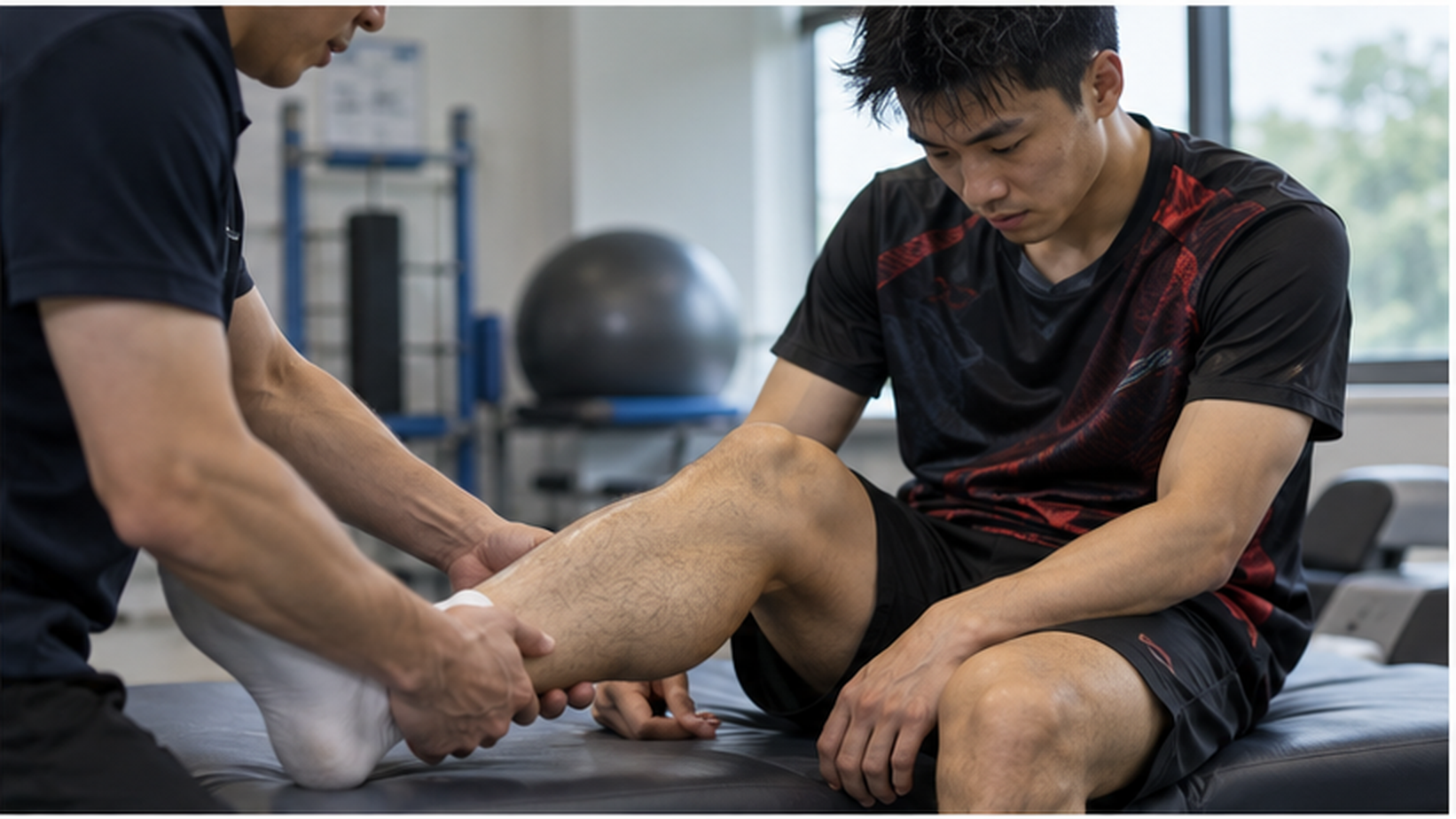
The recovery programme should move from controlling basic movement towards simulating a full match. Training without an opponent does not show how the body reacts to unpredictable changes of direction, so the final phase must include competitive intensity. Useful indicators will be the speed of the first step, jump height, the number of repeated sprints and how he feels the day after a heavy session. Only once all of these are stable does a tournament return make sporting sense.
Rivals will not wait. The closing events of the season can reshuffle the standings and the confidence of several players, particularly if the part of the draw that usually belonged to Shi opens up. That does not diminish the value of a future comeback, but it does raise the need for realistic expectations. The first tournament after a long break should serve to rebuild feel and rhythm, not to be treated as a mandatory assault on the title.
The most important news, then, will not be the entry date for the next tournament but confirmation that he can train without restrictions. Shi Yuqi remains one of the players who change the picture of the men’s singles, and badminton benefits when he is fully ready. If he misses the rest of the year, the loss is significant, but a sensible recovery can extend his peak period and return him to the fight for the biggest trophies. The coaching staff will have to align medical recovery with technical work, because a long layoff affects touch and judgement of distance. The first sparring sessions should be short, with controlled changes of direction, and only later should they include full games. This kind of progress may look slower, but it reduces the risk of the same problem returning as soon as tournament pressure begins.