
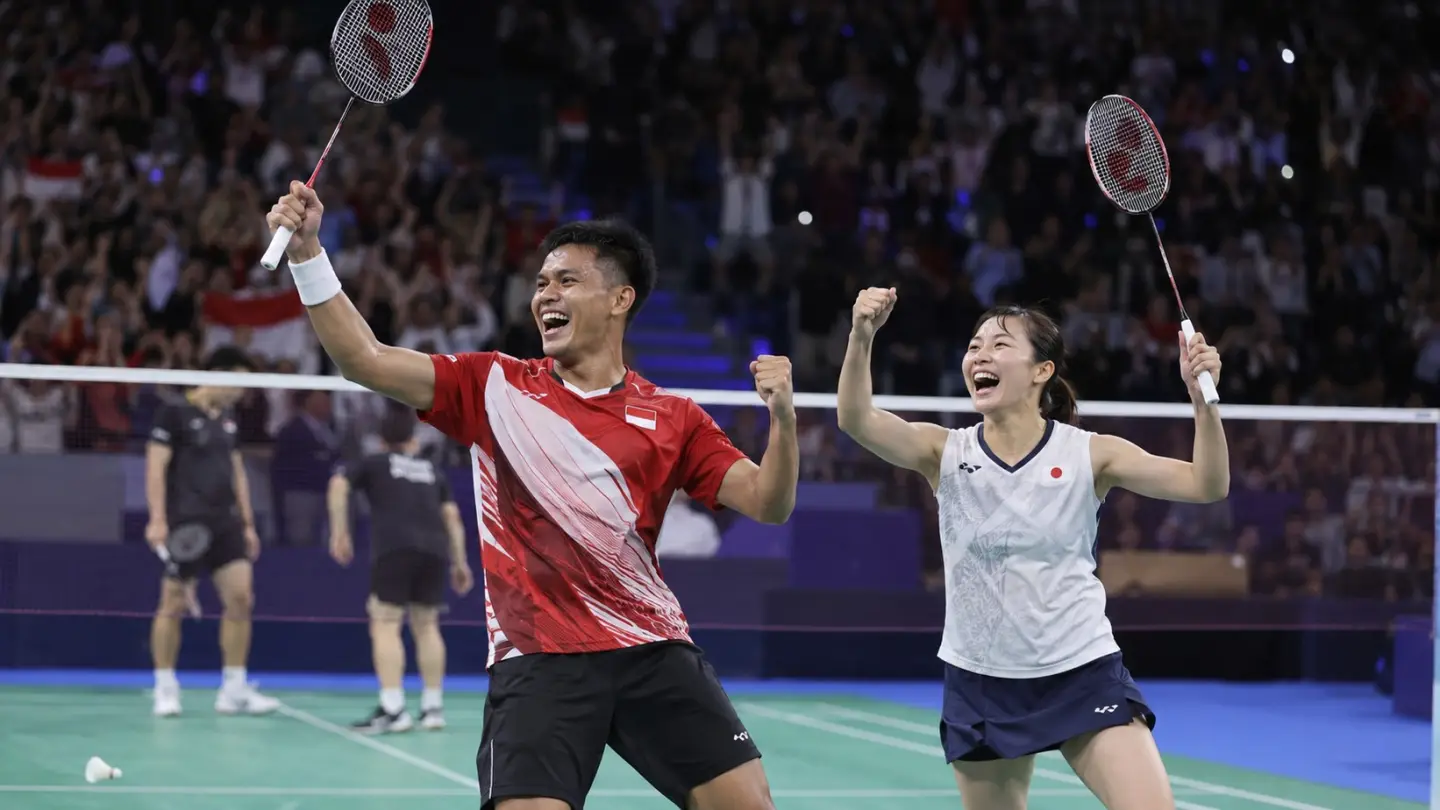
Andika Ramadijansjah and Nozomi Shimizu took the mixed doubles title at the North Harbour International, beating Lin Bing-Wei and Liao Zhui-Qi 21:10, 21:18 in the final. The top seeds finished the tournament without dropping a single game in the decisive match, and it is their first international title since partnering up. The result carries extra weight because the pair had been stopped in the final at the same venue the previous year.
The opening game showed a clear edge in control of the first shot. Ramadijansjah and Shimizu kept their serves low, closed off the middle and gave their opponents less room to attack early. The eleven-point lead came not only from powerful smashes but from a run of short rallies in which a better return immediately produced a favourable third shot. That pattern let them lead the final without wasting energy unnecessarily.
The final was decided by serve control and command of the centre
The second game was far more demanding, as Lin and Liao attacked the serve more quickly and switched direction towards the sidelines. The leading pair did not answer by speeding up every rally. Instead, Shimizu steadied play at the net while Ramadijansjah picked his moment to attack from the back of the court. The 21:18 scoreline confirms that they kept to their plan once the opposition stopped giving away easy points.
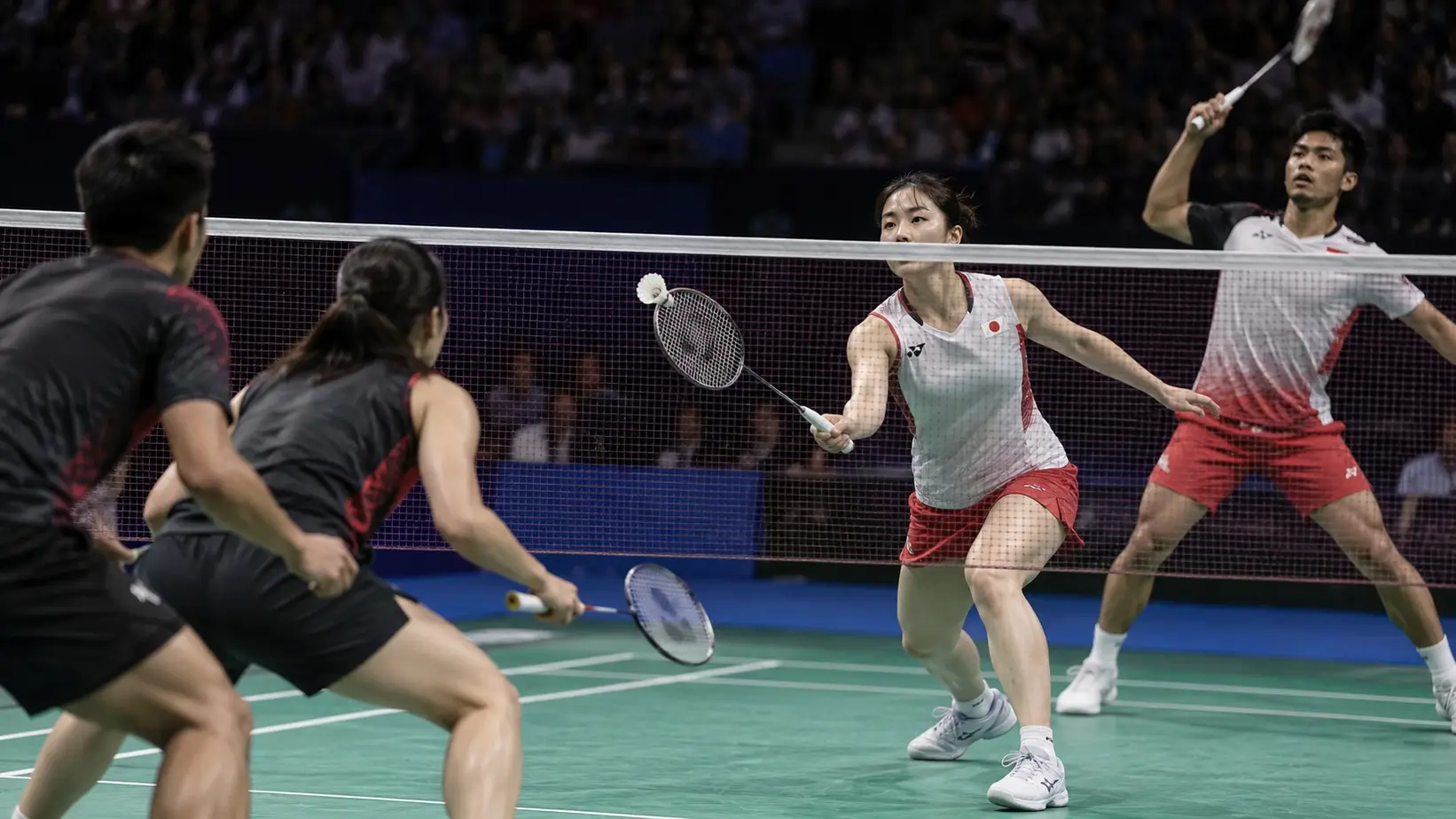
Mixed doubles demands precise rotation after every lift. If a player at the back is slow to cover the parallel, the opponent gets an easy finish; if a partner leaves the net too early, the pressure on the short reply disappears. The champions adjusted well to those changes in the final. Their advantage lay not in staying fixed in place but in returning quickly to the position best suited to the next shot.
The first title confirms progress since last year’s final
Shimizu also played the women’s doubles final on the same day, partnering Lauda Chelsea Grizelda. After winning the first game, they lost to their rivals, who turned the match around 17:21, 21:11, 21:16. The extra match added to the physical load, so the mixed doubles title also speaks to the quality of recovery between appearances on court. A short intake of fluids, a meal and bringing the pulse down have become part of tactical preparation when finals follow one another.
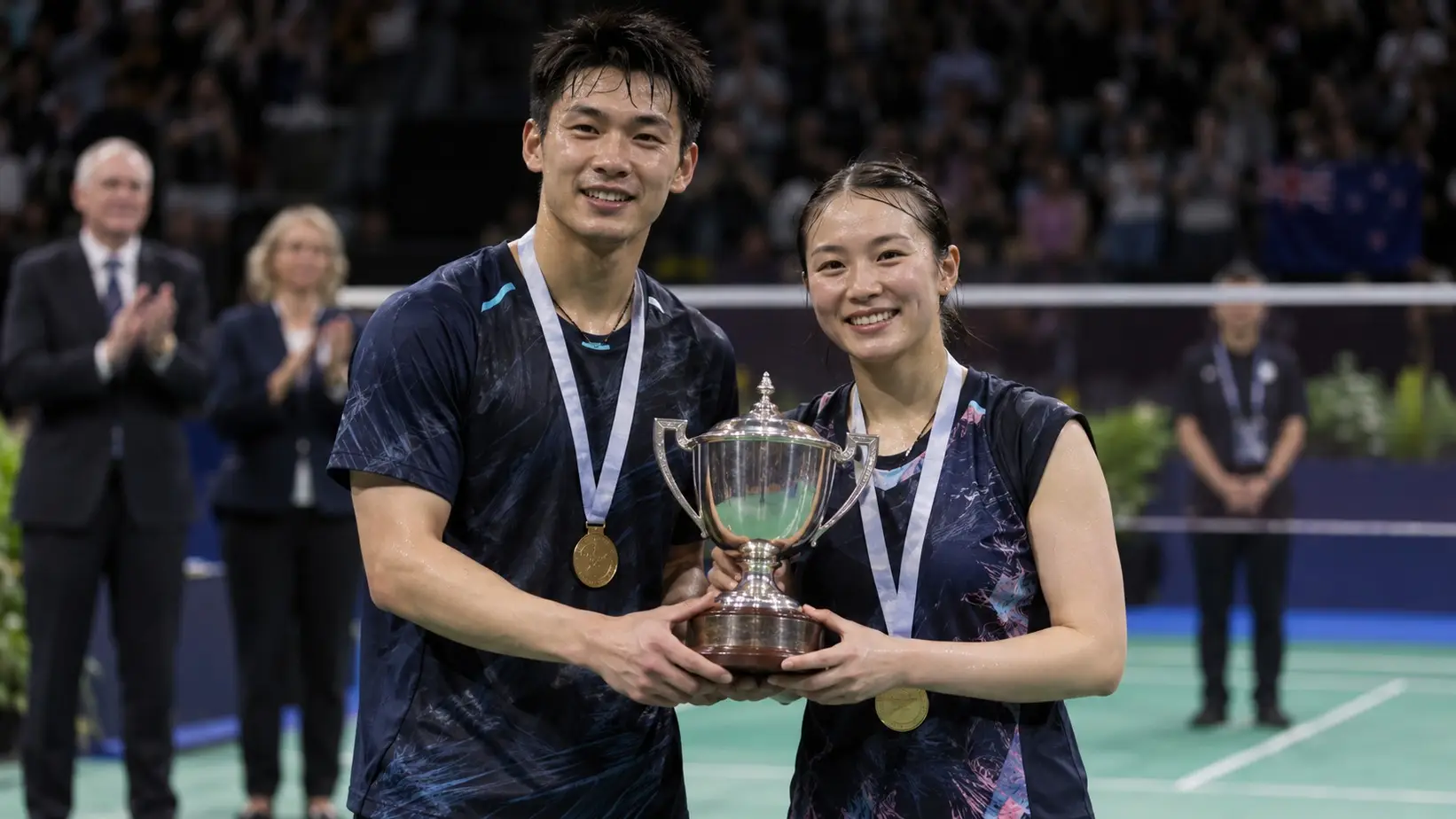
Last year’s runners-up gave Ramadijansjah and Shimizu clear data on where they lose control in the biggest match. This time they did not let nerves alter the length of their serves, nor allow a few lost rallies in the second game to turn into a run. That is measurable progress, since in doubles a single technical error often pulls both players out of position. Their response stayed simple and repeatable.
A first joint title does not automatically move them up among the strongest pairs, but it provides a foundation for appearances at higher-level tournaments. The next step is to keep the same quality of return against faster serves and stronger attacks from the back. Coaches will pay particular attention to the closing stages of tight games, where the choice of serve and the first rotation carry the most weight. North Harbour showed that this partnership is no longer just a contender for finals, but a pair capable of finishing the job.
Data from the final should cover points won on the return, success after the first three rallies and the number of situations in which the pair retained the attack after a lift. Those indicators measure their joint progress more clearly than the trophy itself. If Ramadijansjah and Shimizu repeat their control of the serve against different styles, the first title will become a reliable base for competing at a higher level.
The schedule of upcoming tournaments should be chosen so the pair meets stronger opponents while still having enough time for joint training. Frequent changes of partner slow the automation of movement, while too long a gap without matches hides weaknesses. A sensible balance of work and competition will help turn the New Zealand title into steady growth on the international rankings.