
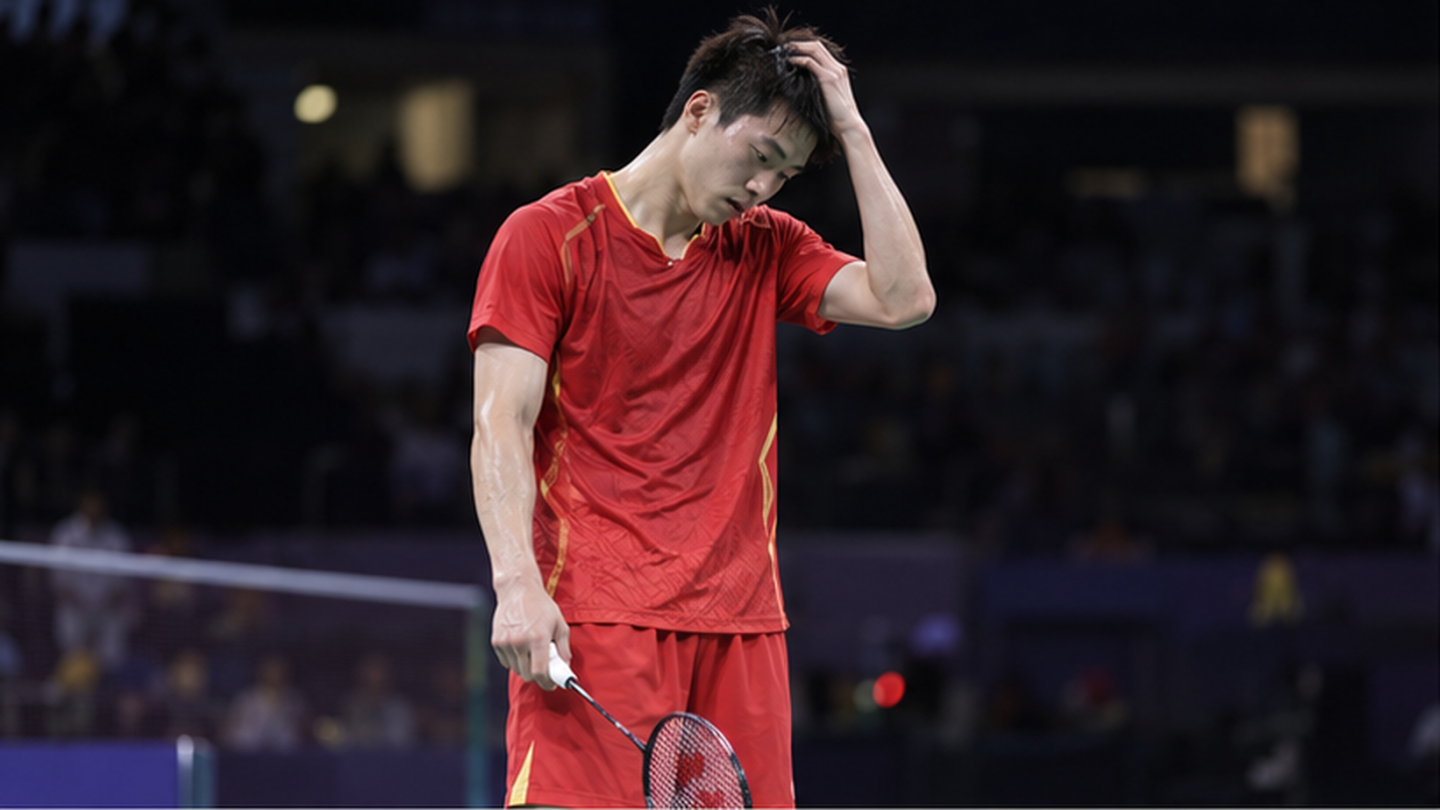
At the Asian Games, China has gone without a medal in men’s singles badminton for the first time in 52 years. The elimination of its last remaining players before the semi-finals ended a run that dated back to 1974 and stands as one of the biggest upsets of the tournament. The result is especially striking given that China has traditionally fielded a deep pool of players, a strong domestic system and a long record of winning medals across every discipline at the region’s biggest multi-sport events.
One tournament does not erase the quality of China’s programme, but it does show how much the competition has spread. Players from Thailand, Indonesia, Malaysia, Japan, India and other Asian nations are increasingly reaching the late rounds with the physical conditioning and tactical discipline needed to beat the favourites. In men’s singles, small differences in recovery speed, control at the net and patience during long rallies can reshape an entire draw. This time, China had no player who held up under that pressure.
The historic break did not come from a single match
The absence of a medal was the product of several early defeats, so the analysis cannot be reduced to one player’s mistake. The coaching staff will need to work out whether the problem lay in form, in preparation for specific opponents, or in how the workload was spread across team and individual events. The Asian Games have a crowded schedule, and players often move into singles straight after demanding team ties. Fatigue is not an excuse, but it is an important part of planning when the same athletes are used in several roles.
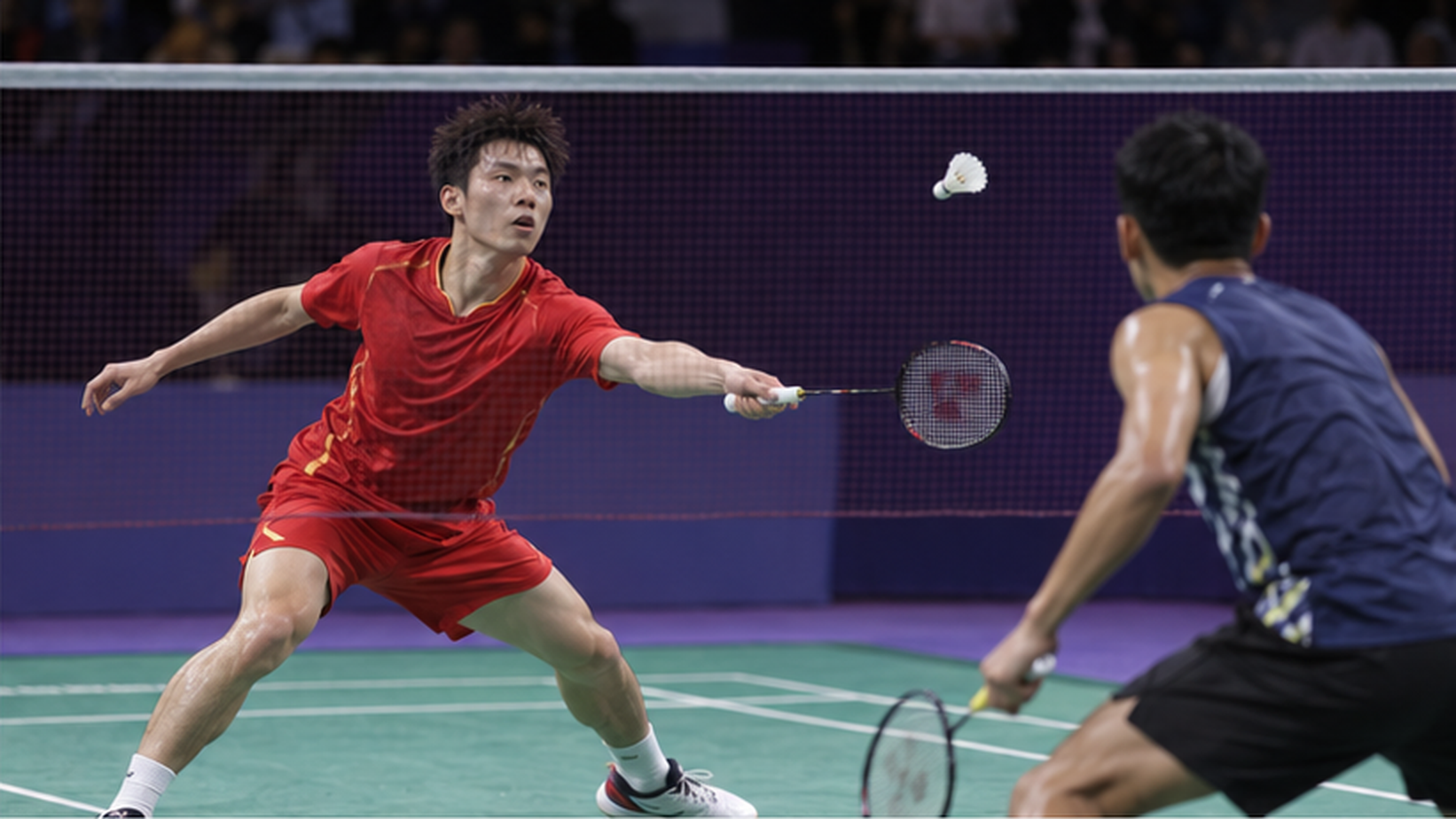
China’s opponents have also stopped treating matches against Chinese players as a chance simply to prolong rallies. More aggressive returns of serve, earlier attacks at the net and a readiness to change the tempo are shrinking the favourites’ advantage. China still has technical and physical quality, but this historic result is a warning that reputation alone no longer guarantees control of a match. Each new tournament demands fresh preparation, particularly against players who carry no weight of expectation.
What the result means for the rest of the tournament
For the Chinese team, attention now turns to the remaining disciplines, where it can still win a large number of medals. It is important that the disappointment in men’s singles does not spill over into the doubles and women’s events. For rivals, the open draw is a chance to reach the final without having to beat an opponent who for decades was almost a permanent presence in the medal fight. That raises the pressure on the new favourites, who now have to justify a position created by the upsets.
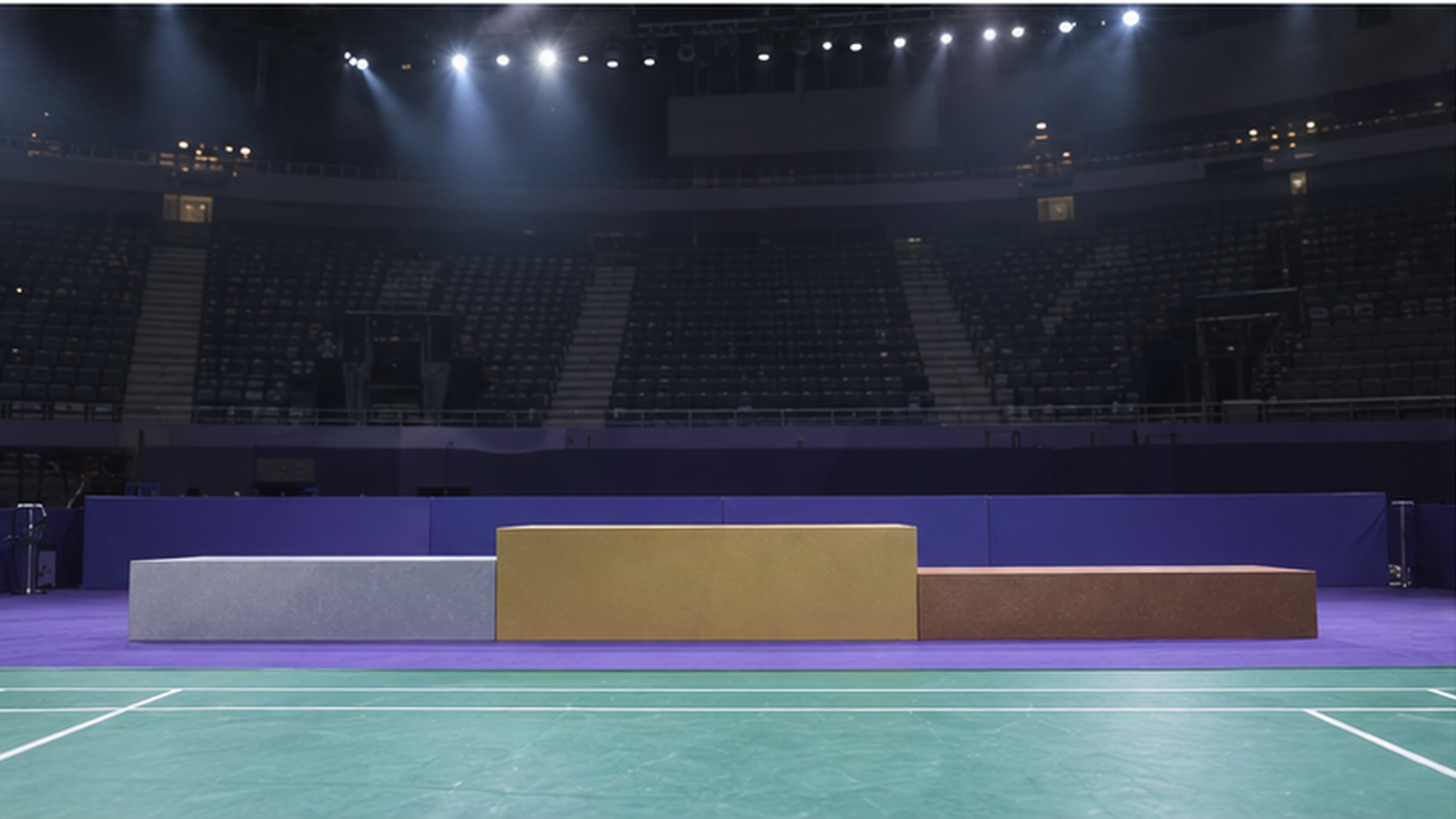
The historic statistic will only matter in full once the response of China’s system becomes clear. If younger players are given a clearer development path and the senior squad adjusts its preparation, the failure may remain an isolated event. If similar results repeat, people will speak of a more lasting shift in the balance of power. For now the conclusion is precise: China has gone without a men’s singles medal for the first time since 1974, and the Asian Games have shown that no tradition is enough on its own without current form.
After the tournament, China’s coaching staff will probably examine the quality of the first and third shots, because in men’s singles the initiative is often built right after the serve. If a player too often lifts a short shuttle into the middle of the court, the opponent gets an attack without risk. Defence after the first smash is equally important: the ability to return the shuttle deep and change direction allows a move from defence into an equal rally. These details give a more useful answer than the simple conclusion that the rivals were more motivated.
For the medallists, there is an opening to turn this success into a stable position on the world tour. The Asian Games bring considerable prestige, but the next BWF tournaments again demand travel, recovery and adjustment to different halls. A player who has pulled off an upset will no longer be underestimated. Opponents will study his patterns and look for weaknesses. So the real sign of a shift in the balance of power will not be the podium alone, but whether these new names can repeat their level over the coming months.