
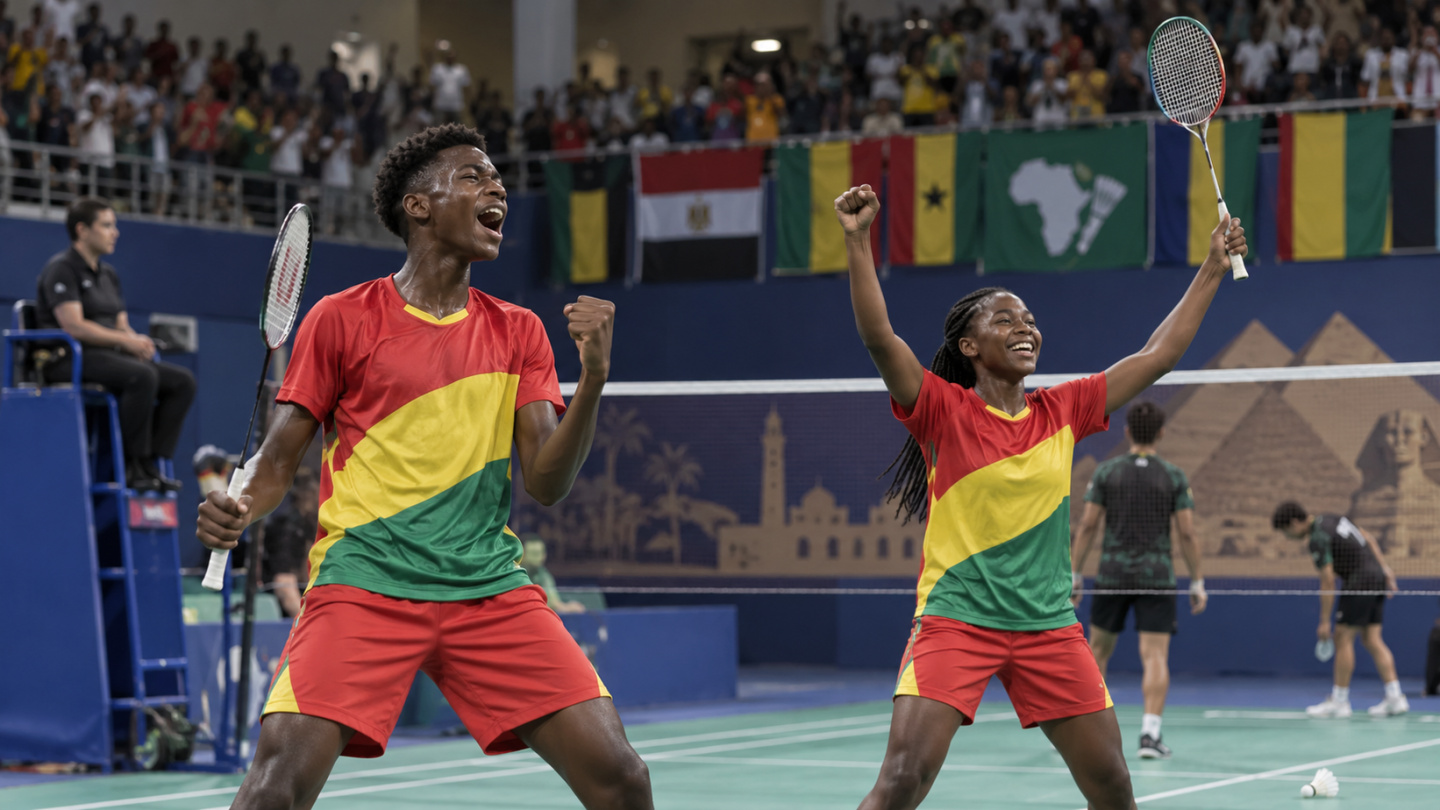
Ghana’s young badminton players have made a strong start to the singles stage of the Africa U19 Championships in Cairo, following a notable team performance at the event. Several of their matches were turned around after they lost a game or fell behind, so the results did not come from one-sided domination. A run of this kind carries particular weight at junior level, where a change of rhythm and pressure in the closing stages often decide more than an early gap in quality.
The Ghanaian squad had already drawn attention with a win over hosts Egypt in the team event. Moving into individual disciplines changes the responsibility: a player no longer has the safety of a teammate stepping in straight away to correct a defeat. Coaches therefore have to plan warm-ups, tactical talks and recovery around the particular schedule of each competitor, especially when the same players also take part in doubles.
Comebacks point to the maturity of a young side
The most important quality in those opening wins was the ability to change the plan without rushing in a panic. When an opponent controls the net, a young player can easily start attacking too early from a poor position. At the decisive moments, Ghana lengthened the rallies, returned the shuttle deeper and waited for a shorter reply. This reduced the number of points given away and shifted the physical and mental pressure onto the other side.
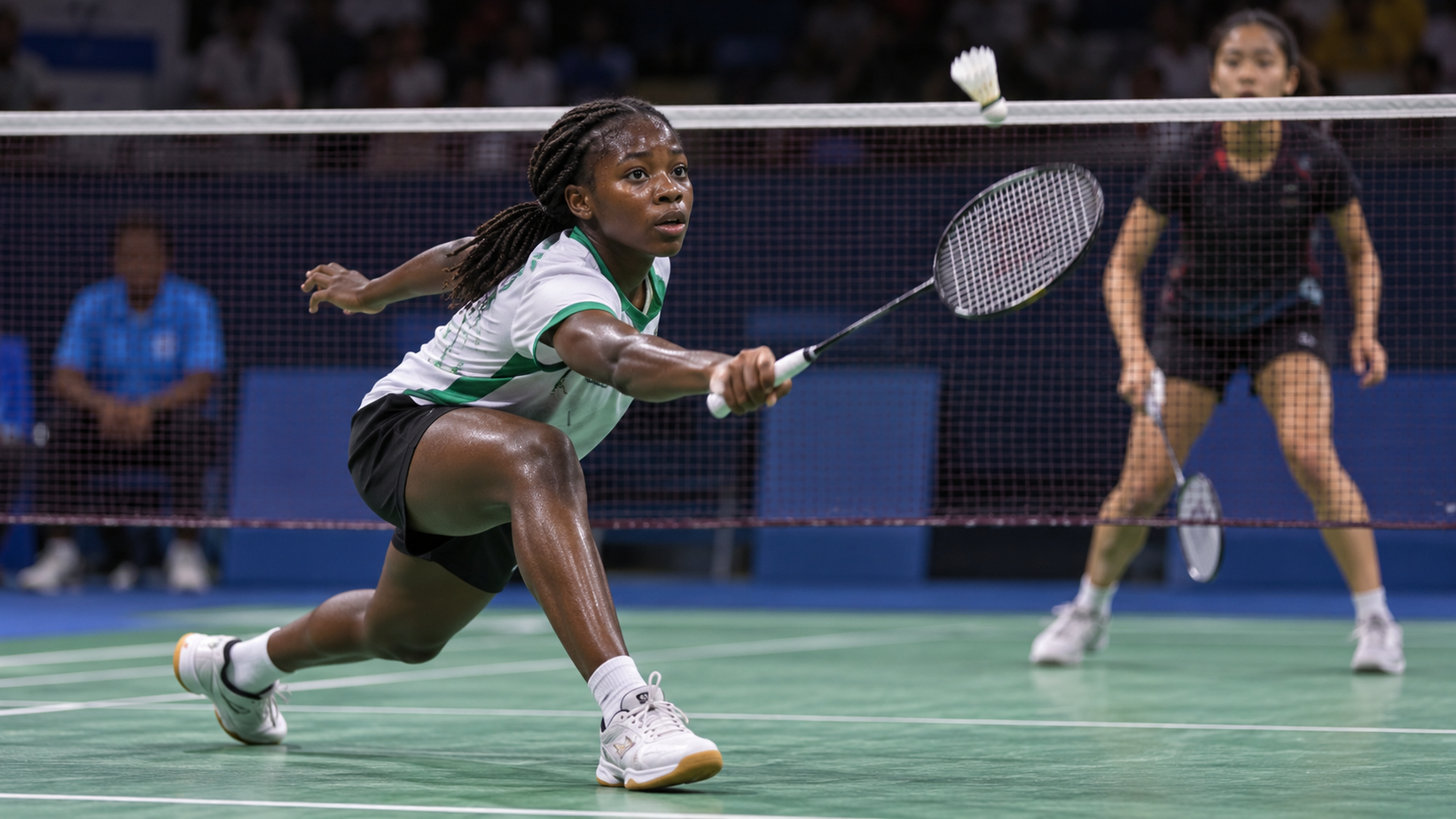
Still, a comeback should not be romanticised as a lasting model. Repeatedly losing the first game drains energy and leaves less room for error later in the tournament. The coaching staff needs to analyse the first four points of every match: the choice of serve, the quality of the return and the position after the first shot. A better start could save strength for the later rounds, where opponents have steadier defence and more accurate attacks.
The singles draw demands a different kind of recovery
In the singles draw, the gap between matches matters too. A short cool-down, fluids and a simple meal can be decisive when several disciplines are played on the same day. Junior competitors often want to go over every mistake straight away, but a lengthy debrief adds to mental fatigue. One or two clear corrections are worth more than rebuilding a whole technique in the middle of a championship.
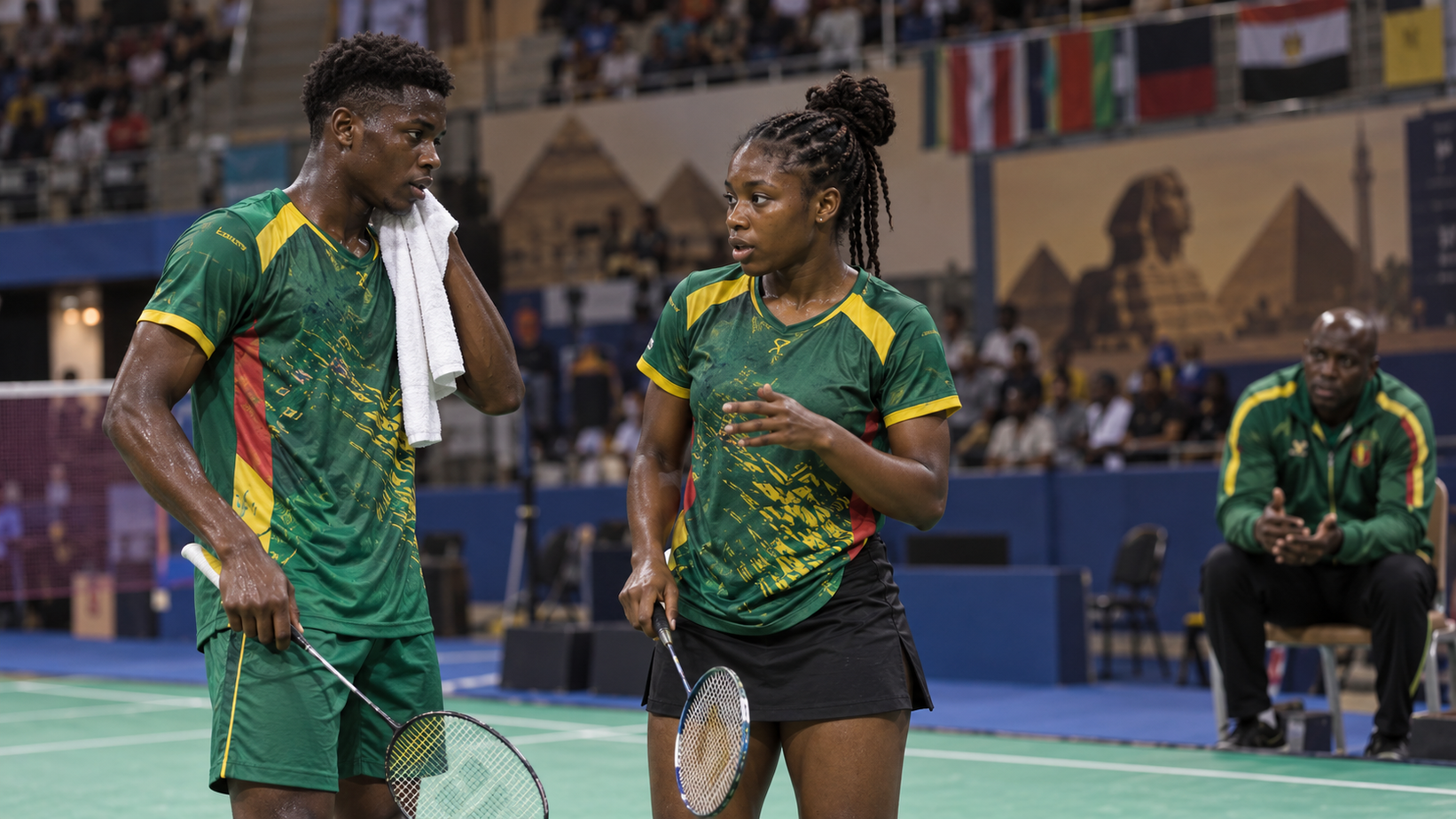
The results from Cairo give Ghana confirmation that its development programme can produce players capable of winning under pressure. The next step is consistency against different styles, particularly against rivals who attack the serve early and shorten the rallies. If the team tidies up the starts of its matches while keeping the composure it showed in its comebacks, this singles event could offer more than a good impression and open the way to the closing stages.
After the tournament, it would be useful for the coaching staff to prepare separate reports for singles and doubles. The same player may defend the back line well in singles but come late in rotation after the serve when playing in a pair. Such differences should not be reduced to a general impression of form. Footage of the first five rallies of each game can show where the initiative is most often lost, while the number of points won after long rallies measures physical conditioning. Ghana will only confirm real progress if it turns success in Cairo into regular appearances at stronger international events. That requires quality sparring partners, a travel plan and continuity of equipment. Comebacks build confidence, but development only speeds up once players learn to create an advantage from the first serve and hold on to it without losing focus.
The next international appearance will show whether this generation can carry that resilience from Cairo into matches against faster, more technically varied opponents.
The quality of the second game deserves close attention, since it shows whether a player can use what was learned in the first part of a match. Points won on the return, errors at the net and success after long rallies give a clear picture without guesswork. If the comebacks rest on a tactical change, they can be repeated. If they depend only on a fall in the opponent’s level, the result is less sustainable and calls for different preparation.