
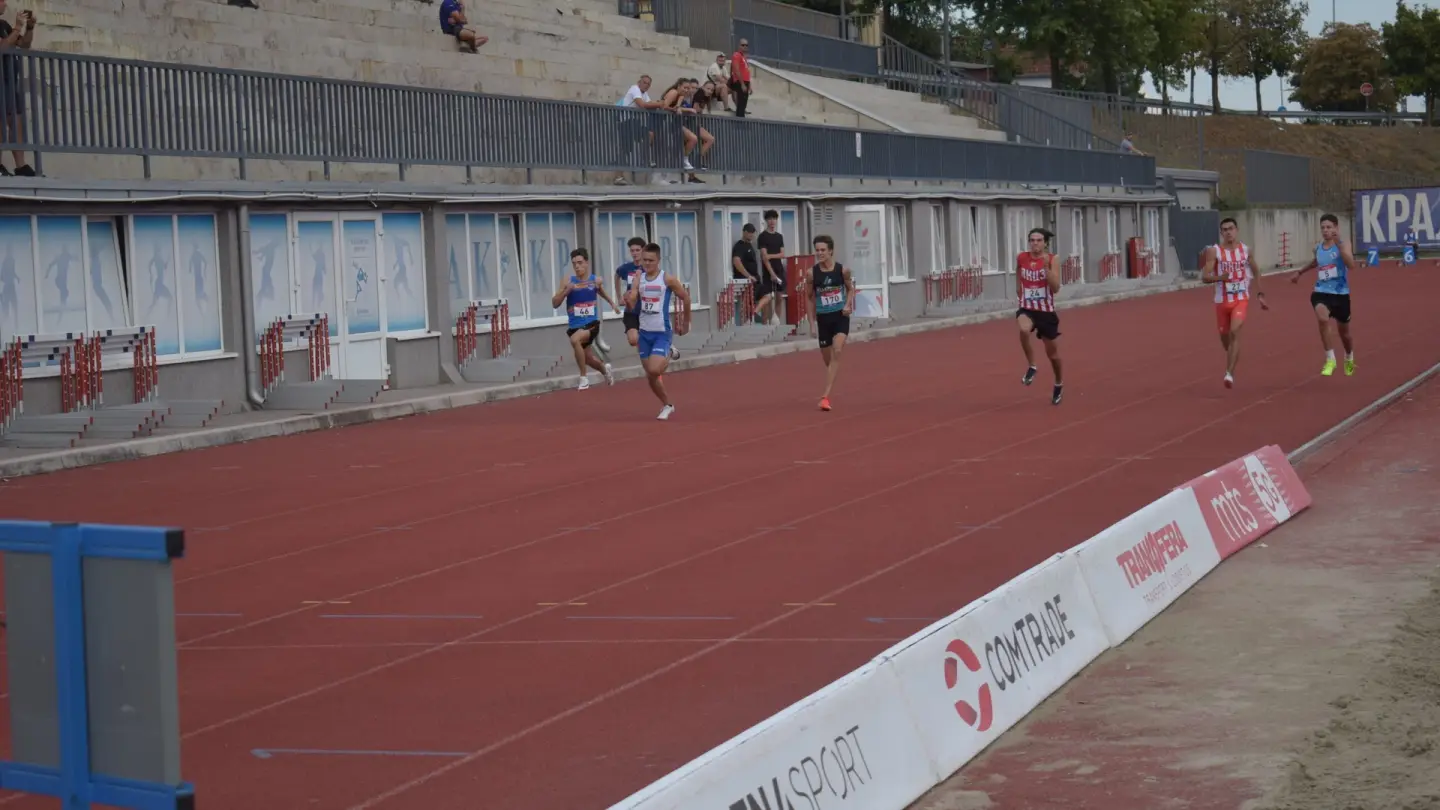
Athletics club Mladost from Zemun closed out the Serbian Cup for younger juniors in first place in both the men’s and women’s competitions. The two-day event in Kraljevo rewarded depth across the squad, because a team ranking is not put together by a single top performance. Atletikus was runner-up among the juniors, while Red Star Belgrade claimed second place in the junior women’s field.
A double win shows the breadth of the club’s work
Mladost did not win just one event or one part of the programme. The club gathered enough points across several disciplines to finish top in both categories. A result like that calls for sprinters, jumpers, throwers and middle-distance runners who regularly score. One outstanding athlete can take a title in their own event, but cannot win a team Cup alone.
For the younger juniors, the division of responsibility also matters. Some competitors were racing for the first time knowing that their placing directly affected the whole club. That changes how they prepare and how they finish. A fourth or fifth place can be extremely valuable when it brings points in an event where the team has no clear favourite. Mladost combined exactly those contributions into two first places.
The men’s order stayed in the hands of Zemun’s clubs
In the younger juniors’ category, second place went to Atletikus, also a club from Zemun. Vojvodina from Novi Sad finished third. That order suggests that local facilities and coaching in Zemun are currently producing more competitive groups. Rivalry between two clubs can raise training standards, provided the young athletes have enough sessions and quality competitions.
Vojvodina stayed among the top three teams, confirming the stability of its programme. A team placing measures not only the top end but also the number of events in which a club can field a ready competitor. In the coming season it will be interesting to see whether the gap narrows through strengthening weaker events, rather than only through even better results from the existing point scorers.
Red Star Belgrade and Vojvodina followed the winners
In the younger junior women’s competition, Mladost was first, Red Star Belgrade second and Vojvodina third. The three clubs have different bases and working methods, but they share the ability to fill most of the programme. The women’s order therefore offers a useful picture of how this age group is developing. A club with only one strong group will struggle to stay high over two days.
For coaches, it is important not to turn a result into premature specialisation. Younger junior women are still developing technique, strength and resilience to load. A short-term point should not matter more than healthy progress. The strongest team programme is one that keeps athletes in athletics after they move up to the senior category, when the demands of school and training increase.
| Event | First place | Second place | Third place |
|---|---|---|---|
| Younger juniors | Mladost Zemun | Atletikus | Vojvodina |
| Younger junior women | Mladost Zemun | Red Star Belgrade | Vojvodina |
Two competition days test more than speed
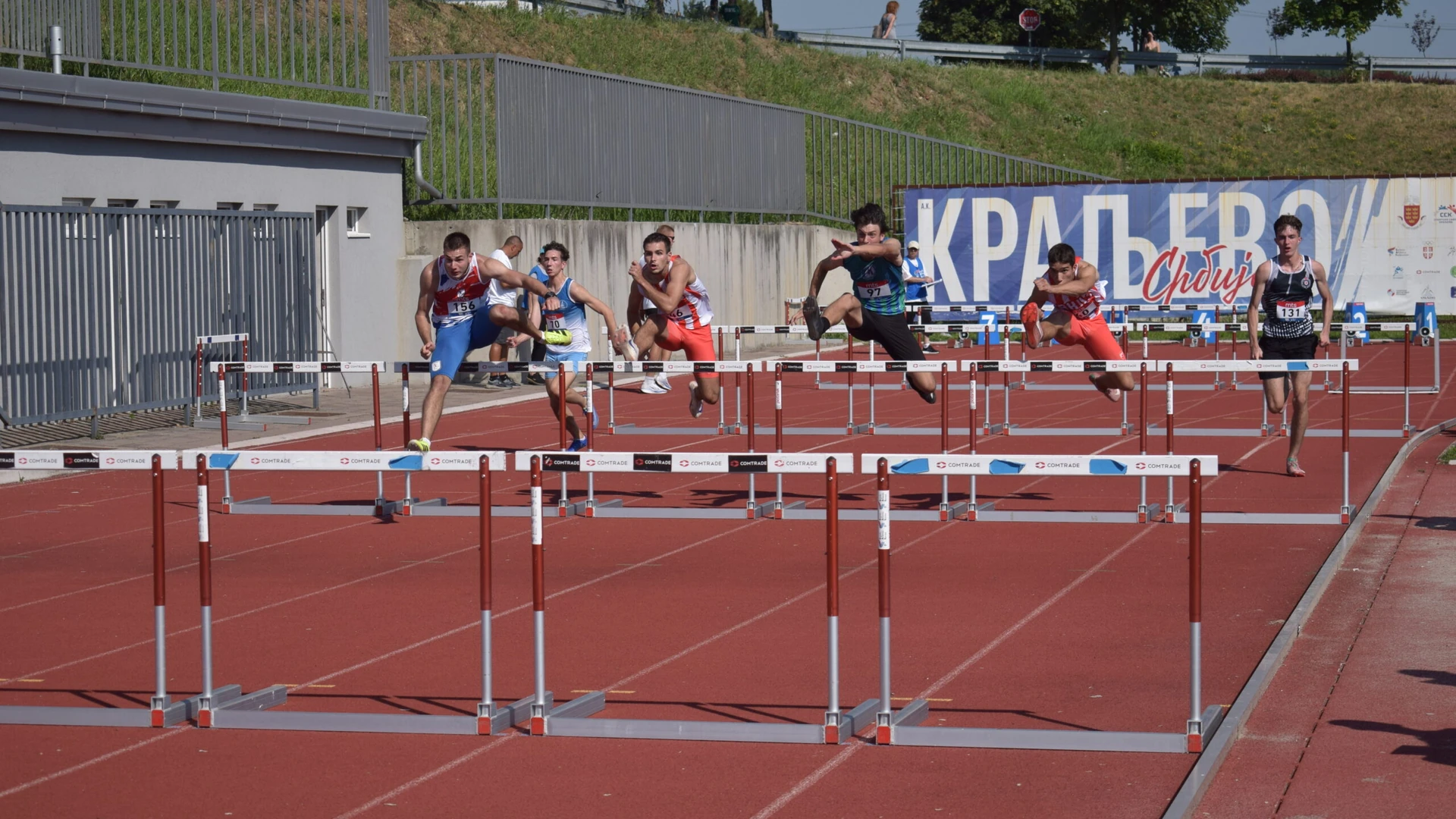
The Cup was held over two days, so clubs had to plan warm-ups, recovery and the possibility of one athlete competing in several events. Fatigue from the first day can change technique on the second, particularly in jumps and sprints. A good schedule therefore keeps an athlete fresh for the most important race while still ensuring the team does not go without points in the later part of the programme.
Kraljevo gave clubs from different parts of Serbia a shared stage. The young athletes were not competing only for personal bests. They could also see the standard set by their peers. That kind of comparison is useful when read carefully. Personal improvement and sound technique can be worth more than a placing that depends on the strength of one particular event.
Mladost now needs to follow the development of its best juniors
Mladost can celebrate a double title, but the next step is analysing the points. The club should see where its advantage was steady and where the result depended on a small number of athletes. Atletikus, Red Star Belgrade and Vojvodina face a similar task: finding the events in which one extra quality performance changes the team total the most.
The team Cup makes sense precisely because it rewards the everyday work of the whole athletics school. The winner gains more than confirmation that it has the fastest or strongest individual. It gains evidence that several coaches and groups are pulling in the same direction. Mladost from Zemun showed that breadth in both competitions in Kraljevo, and now it must carry it into the development of the next generation.
The club’s work will show in juniors moving up to seniors
The real quality of a junior programme shows several seasons later. The club should track how many point scorers stay in athletics, how they cope with a heavier load, and whether they progress without frequent injuries. A single team trophy matters, but the continuity of athletes gives a far more precise picture of work with young people.
Mladost now has a good starting point for that kind of analysis. Coaches can record the events where there are several promising successors and those where the club relies on one competitor. That helps plan the work and the formation of new groups. The aim is not only to defend the trophy, but to ensure the best juniors step up into senior competition ready.