
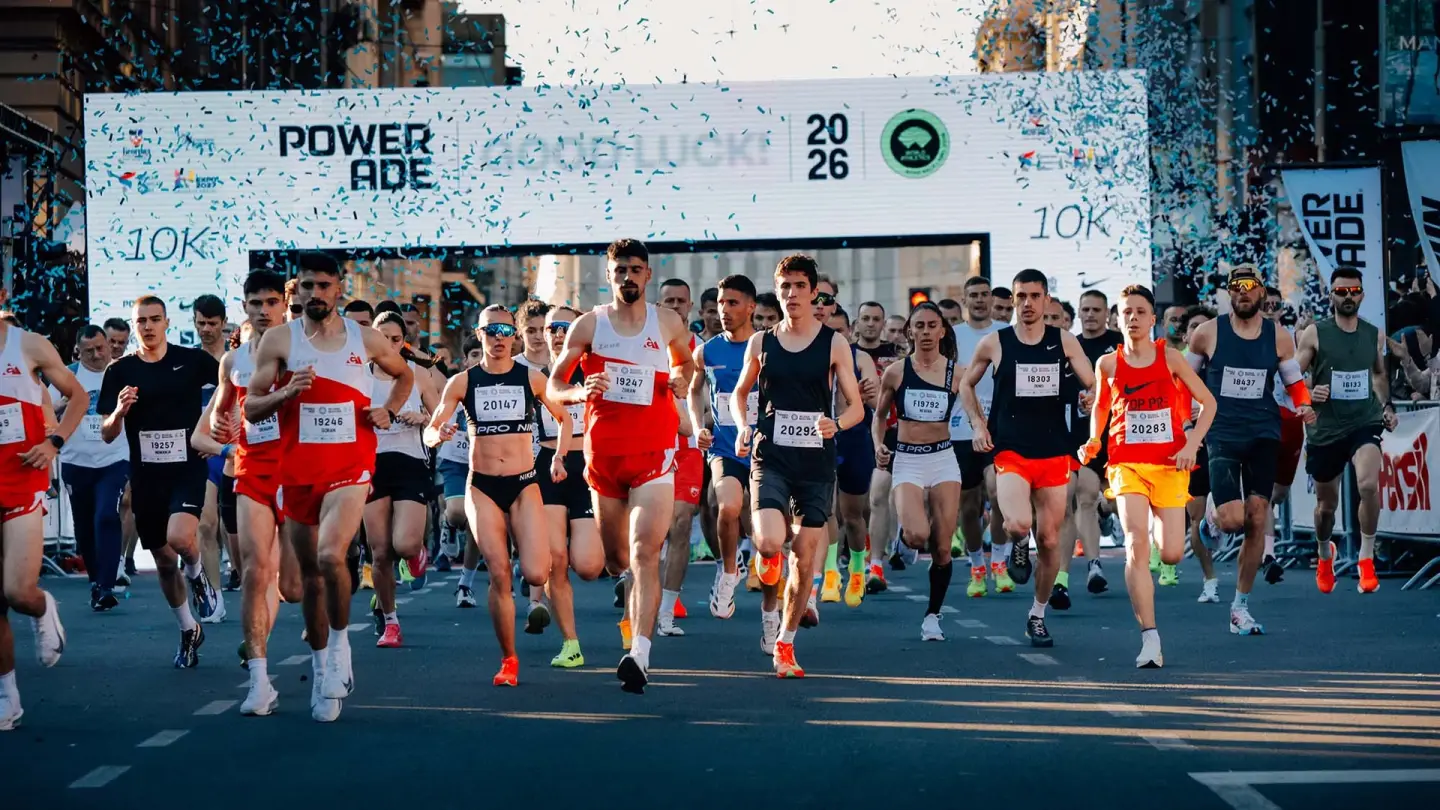
Dragan Tošić crossed the line first in the 7.5 km Azbuka race, clocking 32:32. Representing Invictus and OAK Beograd, he ended up thirty seconds clear of Vukadin Bojović, with Goran Đurić in third, another seventeen seconds adrift. The official results include 186 registered entrants, which means this victory reflects both the speed at the top and the mix of runners the event attracted.
Tošić built a lead that never depended on a sprint finish
A time of 32:32 over 7.5 kilometres works out to an average pace of roughly 4:20 per kilometre. The course profile determines how that average compares with a flat road race, but a half-minute gap to the runner in second makes it clear that the win was not settled by a last-second kick. Tošić had room to control the closing metres.
A gap like that usually comes from a series of small gains. A runner can be a few seconds quicker on a climb, steadier through a technical section and more precise when the pace changes. Once those gains add up, a rival enters the final stretch without any direct contact. The leader then has to hold the effort, but does not need to respond to every move from behind.
Bojović and Đurić stayed close enough to punish any slip
Vukadin Bojović finished in 33:02 and Goran Đurić in 33:19. The seventeen-second gap between second and third meant the battle for the podium was far from a formality. Tošić could not ease off too early, because one poor kilometre would quickly bring both men back into contention. Protecting a lead demands as much attention as building one.
A runner at the front cannot always judge the exact gap, especially on a winding course. So they rely on their own rhythm, split times and the sound of footsteps behind them. The safest approach is to keep form intact: relaxed shoulders, a steady stride and breathing that does not tip into panic. Tošić’s result shows he got through the finish without any major fade.
Aleksandra Kostadinović was the fastest woman
Aleksandra Kostadinović of AK Srem finished in 37:43 and took sixth place overall. Maja Lukić was second among the women in 38:55, and Andrijana Živanović third in 39:26. Their results give a fuller picture of the race than the men’s podium alone.
Kostadinović held more than a minute over Lukić, while the gap between the second and third women was 31 seconds. Different tactical battles were therefore playing out within the same race. The overall standings show where each entrant finished, while the category results show who was directly deciding the winner.
| Place | Competitor | Time |
|---|---|---|
| 1 | Dragan Tošić | 32:32 |
| 2 | Vukadin Bojović | 33:02 |
| 3 | Goran Đurić | 33:19 |
| Fastest woman | Aleksandra Kostadinović | 37:43 |
| Registered | Total | 186 |
Seven and a half kilometres demands discipline between speed and endurance
The distance is short enough that a cautious start is hard to make up, yet long enough for an early surge to punish runners in the second half. The strongest athletes have to find a sustainable effort quickly. If the first kilometre goes too hard, technique breaks down just where they should be attacking a rival.
Smart pacing means recognising changes in gradient and wind. The pace on the watch will not always stay constant, because the same physical effort on a climb naturally produces a slower kilometre. Trying to force the number to stay fixed wastes energy for no real gain. A good result comes from even effort, not from every split looking the same.
A large field changes how runners move in the early stages
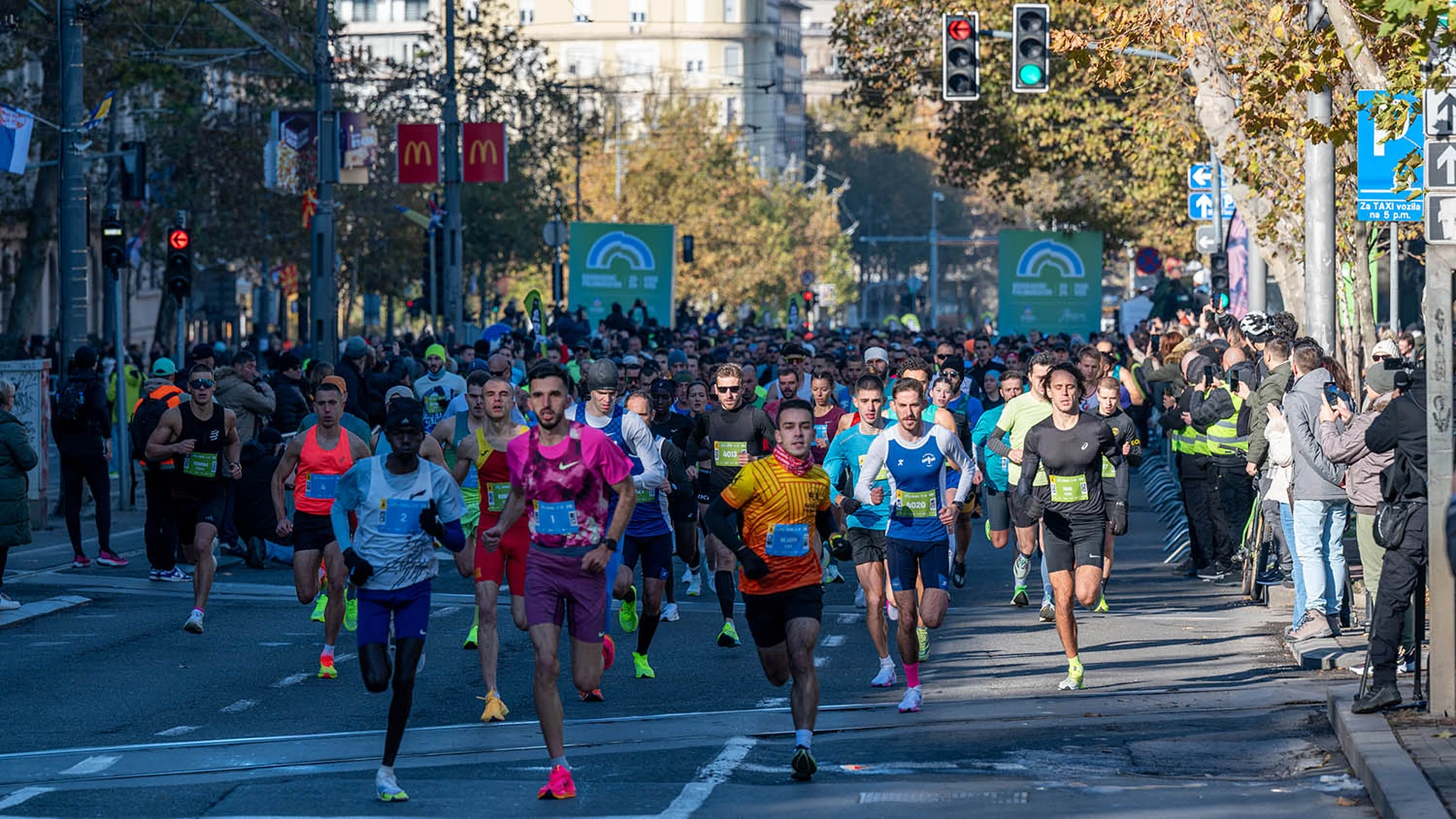
The list includes 186 competitors, and 172 recorded a finishing time. Crowding at the start can make line choice difficult, so the favourites have to find clear space early without cutting corners sharply. Runners in the middle and at the back have a different goal: holding their own rhythm rather than trying to follow a pace that does not suit their plan.
A mass race has value precisely because it puts the fight for victory and personal goals on the same course. For some the podium matters, for others simply completing the distance, and for others improving on their last outing. Official timing makes each of those goals measurable, without diminishing the sporting result at the top.
The official times give a clear reference for the next block of training
Tošić now has a precise result and a known margin over his nearest rivals. A coach can look at the splits to see where the lead was built and whether the finish left any reserve. A win does not mean the plan had no weak point; it means that on the day he was the strongest against both the competition and the conditions.
For the others, the same table offers a realistic target. Bojović knows the gap to the top is half a minute, and Đurić a further seventeen seconds. Rather than a general wish to go faster, they can break the difference into segments and identify where improvement is most within reach. Azbuka ended with a clear order, and its numbers can already serve as the starting point for the next training cycle.