
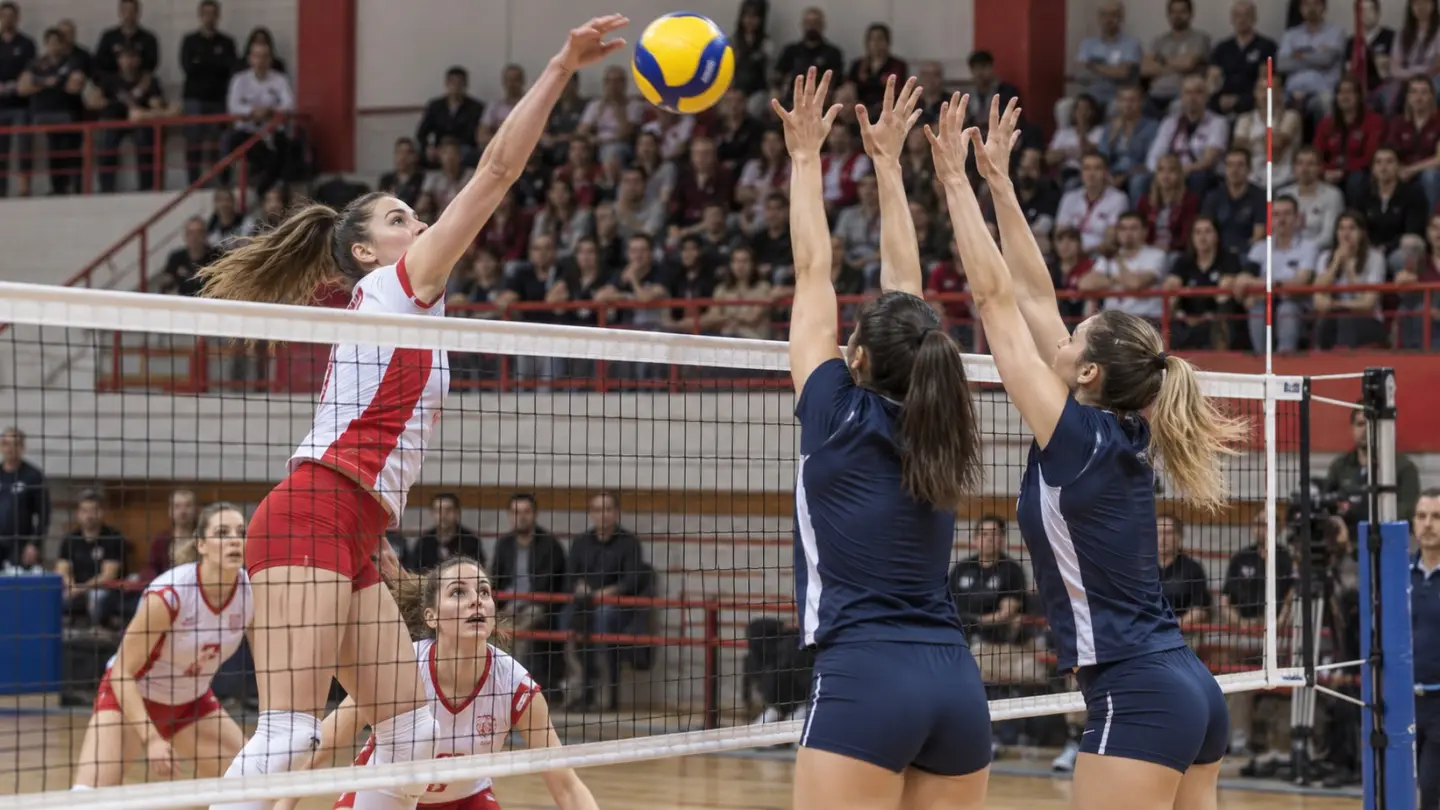
The Volleyball Federation of Serbia has set the round-of-16 pairings for the Serbian Cup for the 2026/27 season, and the men’s draw brings together Red Star and Partizan from Bač. Reigning champions Radnički from Kragujevac host Dubočica, while Vojvodina in Novi Sad face Jedinstvo from Stara Pazova. Every tie will be settled in one match, so home advantage and the quality of the opening set carry extra weight.
The men’s matches are scheduled for 27 and 28 October. Besides the three pairings already mentioned, Karađorđe from Topola welcome Novi Pazar, Takovo play Ribnica, Spartak meet Laki Start, Mladi radnik take on Niš, and VGSK face Partizan Coptech. The spread of venues across the country gives clubs from several regions a chance to push for the quarter-finals in front of their own supporters.
Red Star go into the clash with Partizan from Bač as the better-known name, but the cup does not reward league reputation. With no return leg, there is no time to fix a poor reception or a run of serving errors later on. The favourite must establish its block straight away and cut down the free points, while the visitors can take more risks with their serve and shorten the rallies.
The men’s draw sends Red Star and Partizan from Bač head to head
Vojvodina drew the home tie against Jedinstvo from Stara Pazova. The Novi Sad club confirmed the pairing and the date of the fixture on its website, but the draw alone does not guarantee an easy passage. Jedinstvo could slow the attack with a strong serve and organised defence, so the hosts will need more solutions on the wings and steady output from their middle blockers.
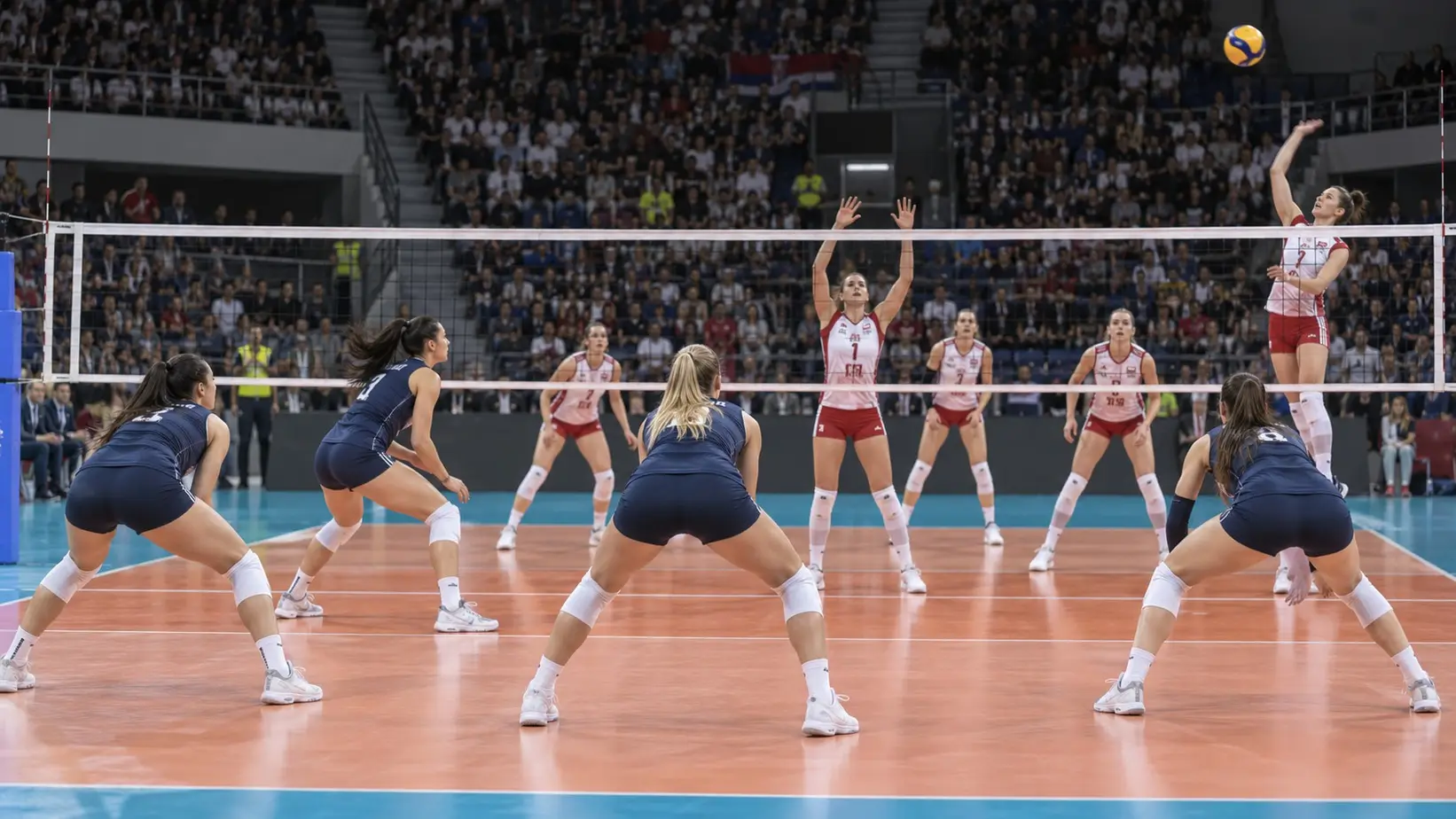
The women’s round of 16 comes earlier, on 13 and 14 October. TENT host Crno-bele 011, Jedinstvo from Stara Pazova play Beograd, Ub face Zlatibor, and Železničar meet Srem. Red Star host Spartak, while the remaining ties are Radnički Blasters against Napredak 037, Jedinstvo from Užice against Radnički from Kragujevac, and Partizan CBS against Novi Sad.
The fixture list in both competitions calls for careful management early in the season. Clubs are still building their routines, and the cup puts a match on the calendar where one bad day can end the pursuit of the trophy. Coaches therefore have to balance league commitments with preparation for a specific opponent, without overloading key players in the weeks before the elimination game.
A single match leaves little room for correction
The serve will be the simplest way for an underdog to disrupt the balance of power. A few precise strikes can pull the setter away from the net and make the attack predictable. Favourites will look for the answer in a secure reception and patience, because forcing every point out of a difficult ball often only adds to the tension in a short cup format.
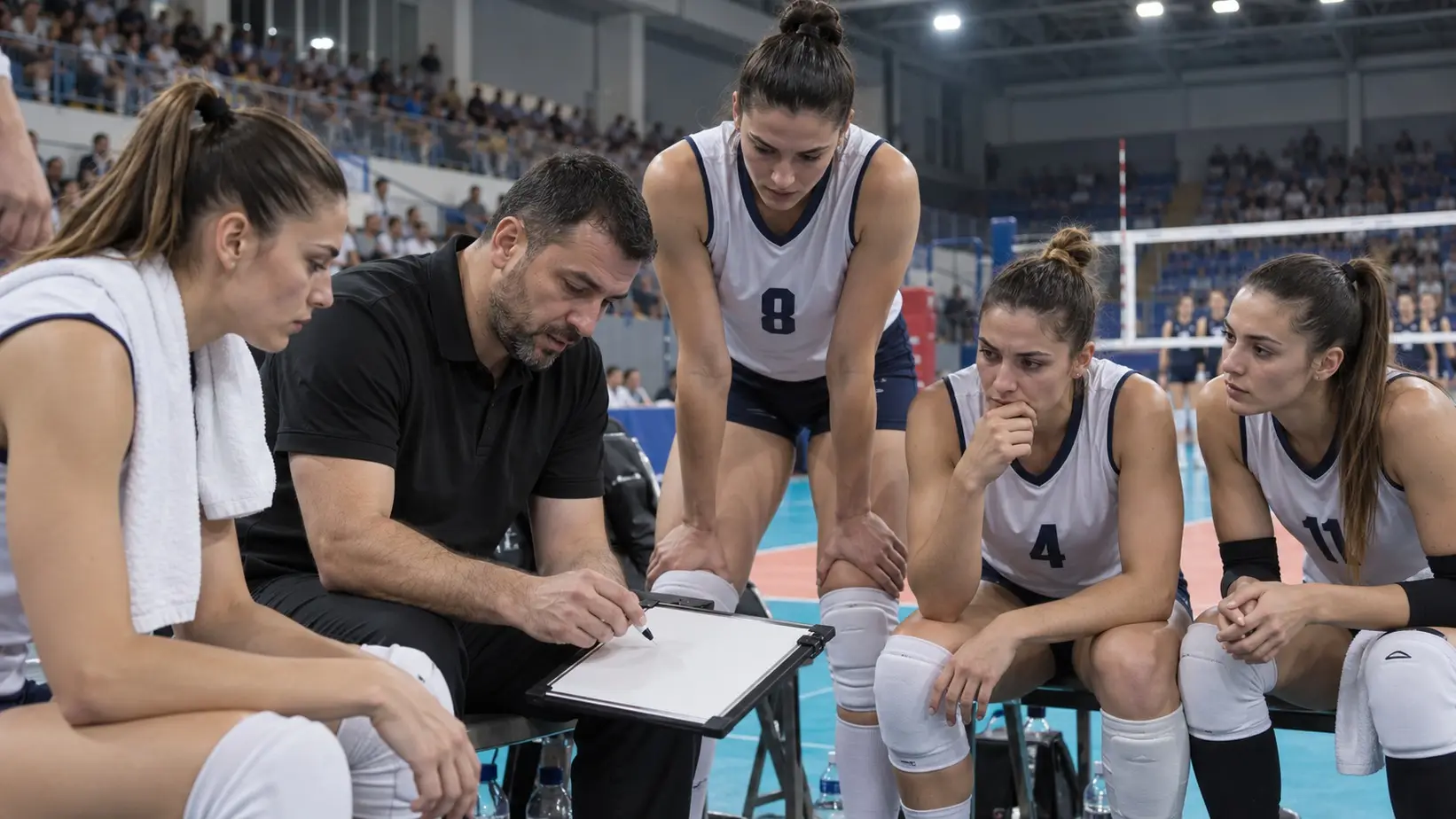
The draw has given every team a clear date and opponent, so the practical video preparation starts now. Most attention will go to the setters’ habits, the direction of serves on key points and the rotations where reception breaks down most often. A place in the quarter-finals will depend less on the number of familiar names than on the ability to carry out the plan from the first point and adjust as soon as the opponent changes rhythm.
A full assessment of this result will depend on the response in the next round. One match can reveal a good plan, but only repetition shows whether a team has a stable pattern. Coaches will pay particular attention to the start of the match, the quality of decisions after losing possession and the bench’s ability to keep the same intensity once the starters leave the court.
The statistics should be read alongside the flow of the match. The final score does not always show how often a team reached a quality finish or how often the opponent was forced into a difficult attempt. The footage will therefore matter for counting clean chances, lost balls under pressure and situations where good communication prevented a bigger threat.
Long-term value comes when the lesson from this match is carried over to a different opponent. The next rival may not offer the same space or the same rhythm, so the principles must be kept while the details change. A team that can adjust its pressure, width and tempo without losing basic discipline usually turns one strong result into a reliable run.