
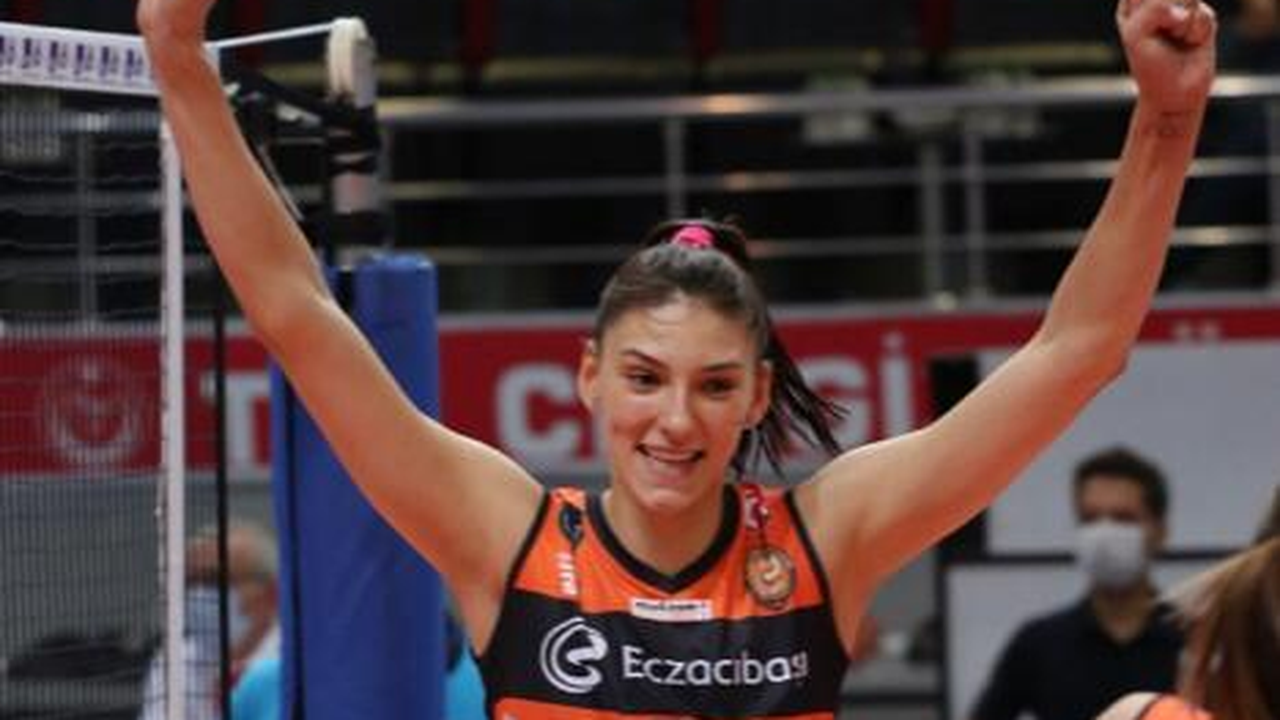
Leadership is easiest to admire when the wins are flowing, and hardest to measure when they are not. Tijana Boskovic is captaining Serbia through exactly that second kind of period, steering a team in transition through the 2026 Nations League, a competition that asks tough questions of a squad blending experienced hands with rising youngsters.
The captain at the centre
Boskovic wears the captain’s armband for Serbia, and her role this summer means far more than what the numbers on paper suggest. She is a steady reference point for a group described as a mix of experience and youth, the figure younger players look to when the rhythm of a match starts slipping away.
Leadership of that kind rarely shows up cleanly in a stat sheet. It lives in body language between rallies, in the calm passed along during a timeout, and in the standard a captain sets simply by how she competes. For a team introducing new faces to a demanding tournament, having a figure of Boskovic’s standing to lean on is its own form of stability.
The format of the Nations League only sharpens that need. Long travel stretches, a congested schedule and a parade of elite opponents test a squad’s composure as much as its talent. In that setting, a captain who has seen it all before becomes a buffer against the swings of momentum that can unsettle younger players.
A captain’s worth also grows when results turn stubborn. Anyone can lead a winning side; keeping a developing group together through a hard stretch is a tougher and more revealing test. It is precisely that version of the job that Boskovic is being asked to deliver during this Nations League campaign.
A campaign of fine margins
The competition has not been kind, but it has not been one-sided either. In Week 2, played in Pasig, Serbia fell twice. The United States of America beat them 3-1 on June 20, and Japan outlasted them 3-2 in a result that went the distance.

The match against Japan underlines the theme. A 3-2 defeat is about the most painful kind of loss there is, the sort of result where a side does almost everything required and still leaves empty-handed. Serbia were level with the match deep into it and did not quite close the deal, a pattern that stings precisely because the gap looks so small.
These were narrow defeats rather than heavy ones, and that difference shapes how the window should be read. A young side learning to compete at this level discovers, in matches like these, how thin the line is between pushing a strong opponent and beating one. The lesson is uncomfortable, but it is the right kind of lesson.
What the early form showed
The Pasig losses did not arrive in a vacuum, and the campaign’s early weeks offered a reminder of what this group can do. In the first week, Serbia beat Thailand 3-0, a clean win without dropping a set that set a confident tone before the schedule tightened.
That result matters as context. A team capable of a comfortable 3-0 is not short of quality; it is short, for now, of the consistency needed to repeat that level against the best. Read alongside the narrow defeats that followed, the win over Thailand frames Serbia as a side with a clear ceiling and a floor still under construction.
Rebuilding in real time
Stepping back from individual results, the bigger story is a team in transition. Serbia blend experienced players with younger ones, and the Nations League campaign is exactly where that rebuild gets put under load. The results are part of the process, not a verdict on it.
Fitting young players into the national team system takes time, repetition and exposure to high-pressure moments, the kind that only matches against the USA and Japan can provide. Every close defeat is also a stake in experience, one that pays off when the same players meet the same opponents with a little more steel.
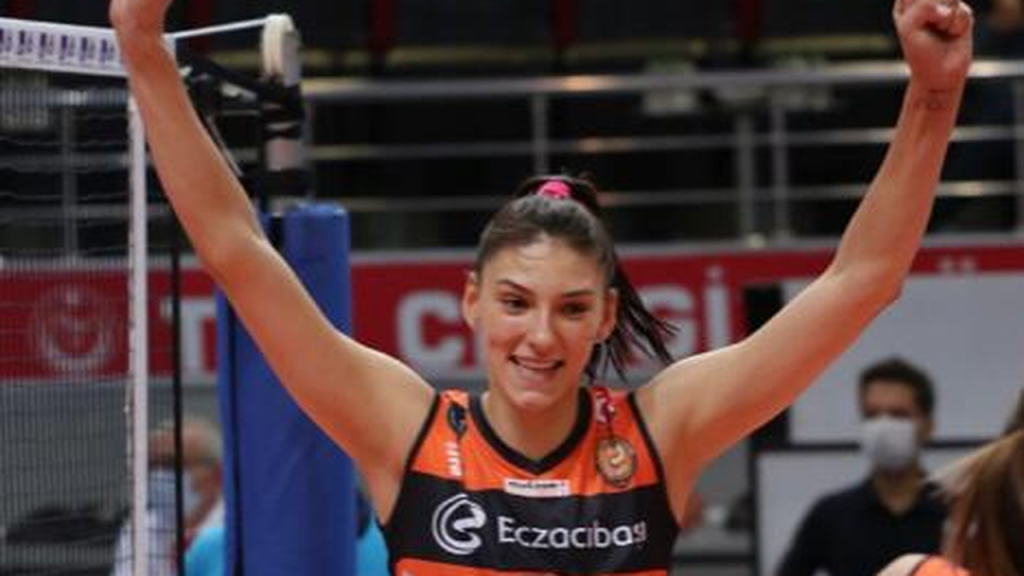
This is where Boskovic’s captaincy and the rebuild meet. A developing side needs a leader who can absorb the frustration of narrow defeats without letting it fracture the group, and a captain of her experience is built for that role. The summer is less about the current table and more about what this squad is becoming through it.
An honest reading of the campaign is patient rather than alarmed. Serbia have shown they can rattle a side and shown they can handle the best, but have not yet finished the job. Closing that last gap is the work ahead, and it is the kind of work for which a seasoned captain and a maturing squad are well placed.
Frequently asked questions
Who is the captain of the Serbia volleyball national team?
Tijana Boskovic is Serbia’s captain, leading a squad described as a blend of experience and youth. Her role at the 2026 Nations League centres on providing leadership and stability to the national team during a period of transition.
What were Serbia’s results in the Pasig window?
In Week 2, played in Pasig, the United States of America beat Serbia 3-1 on June 20, and Japan defeated Serbia 3-2 in a full five-set match. Earlier in the campaign, Serbia beat Thailand 3-0, a win without dropping a set in the first week.
How should this campaign be viewed?
It is best read as a rebuild in progress rather than a step backwards. Serbia are fitting younger players around an experienced core, and the narrow defeats are part of developing the consistency needed to compete with the top sides.
The thread running through all of it is leadership under pressure. Boskovic is captaining a Serbian side that can dismantle one opponent and then push a powerhouse to five sets, all while younger players find their place on the biggest stage. The wins have not come as often as Serbia would like in Pasig, but the foundation, led by the captain of one of the sport’s most respected figures, is being laid in the open.