
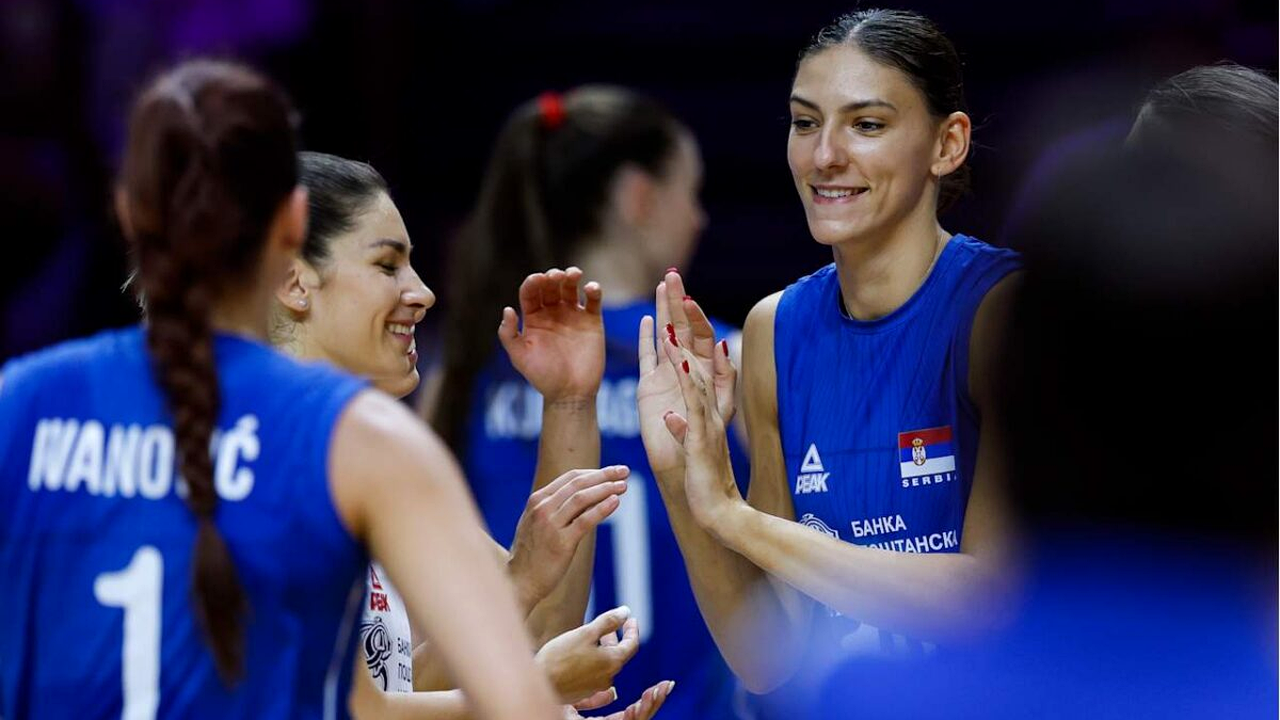
The Serbian women’s volleyball national team answered with a win over Germany, dropping no sets along the way. The result matters because the side looked calmer on serve, sharper at the block and more composed in long rallies.
The response mattered more than the scoreline
A 3:0 win can look straightforward on paper, but the key part was the response after a weaker match. Serbia had to show they could return quickly to the basics. Reception was steadier, the serve had a clearer purpose, and the attack stopped rushing every difficult ball.
A comeback like that counts in a week packed with matches. There is rarely time for big tactical overhauls. What is needed are small corrections that take effect straight away. Serbia found them against Germany, which is why the win feels firmer than the number of sets alone suggests.
The coaching staff should be pleased with the team’s tone. After the opening phase there was little tension, and the longer rallies were played with more patience. That is a good sign ahead of the rest of the competition.
The serve gave the block something to work with
Serbia’s serve did not have to be risky at every moment. It was important to push Germany away from their easiest first attack. When that happened, Serbia’s block had more time to read the setter and close the right space.
A better serve also helped the defence. Germany had fewer ideal attacks, so the Serbian players could stand more calmly and control the balls they dug up. The second attack was easier as a result.
The formula is simple but demands discipline. A serve with a clear intent and few gifts to the opponent can change an entire match. Serbia had enough of that balance here.
| Point | Takeaway |
|---|---|
| Result | Serbia beat Germany without dropping a set. |
| Best sign | The serve and block were calmer and more accurate. |
| Next step | The attack needs to stay varied. |
Nina Čajić gave the attack a clear anchor
Nina Čajić’s points were important because Serbia had a reliable option in the tougher moments. When a team needs stability, a player who can turn an average reception into pressure on the opponent is worth a great deal.
Still, her role should remain part of a wider picture. Serbia looked their best when the attack was not focused on just one side. Quicker balls, smarter shot selection and changes of zone kept Germany under greater pressure.
That is the next step. One player can win important points, but a varied attack makes Serbia harder to prepare for in the matches ahead.
The middle had to stay patient
The middle blockers had quiet but important work. They could not jump too early and leave gaps open. Germany tried to move the block by changing tempo, but as the match went on Serbia protected that part of the game better and better.

The block had more time when the serve kept Germany under pressure.
Patience in the middle also helped transition play. When the block slowed the attack, Serbia found it easier to turn defence into controlled attacking. Points like these are valuable because they do not depend solely on perfect reception.
If that patience holds, Serbia will get through spells of weaker reception more comfortably. Every international side goes through such rotations. That is why it matters that the middle does not rush, even after two difficult points.
The same patience helps the setter too. When the middle remains a threat, the opponent cannot simply wait for attacks from the outside, and the Serbian attack gains more options. It is a small but important safeguard against being read in a long match with many rotations. The defence after the block then gets a clearer position and protects the second attack more easily.
The next match must not erase the lesson
The win brings confidence, but it must not breed complacency. The main lesson is not that everything is settled. The main lesson is that simple volleyball gives Serbia a better foundation: a good serve, calm reception, a patient block and less panic after a lost point.
That foundation can be repeated in the next match. It does not guarantee a win, but it gives the team a clearer base. A side with a clear base copes with pressure more easily, because every player knows her first task.
So the win over Germany should serve as a guide. Serbia do not need to complicate their game. They should repeat the clean habits that made this response so convincing.
The useful part lay in ordinary things
The best sign for Serbia was not just the result. More valuable was the return of ordinary volleyball habits: a serve with intent, steadier reception and a block that does not move too early.
That calm matters even after a good result. The team must not forget that the win came from small, clean habits.
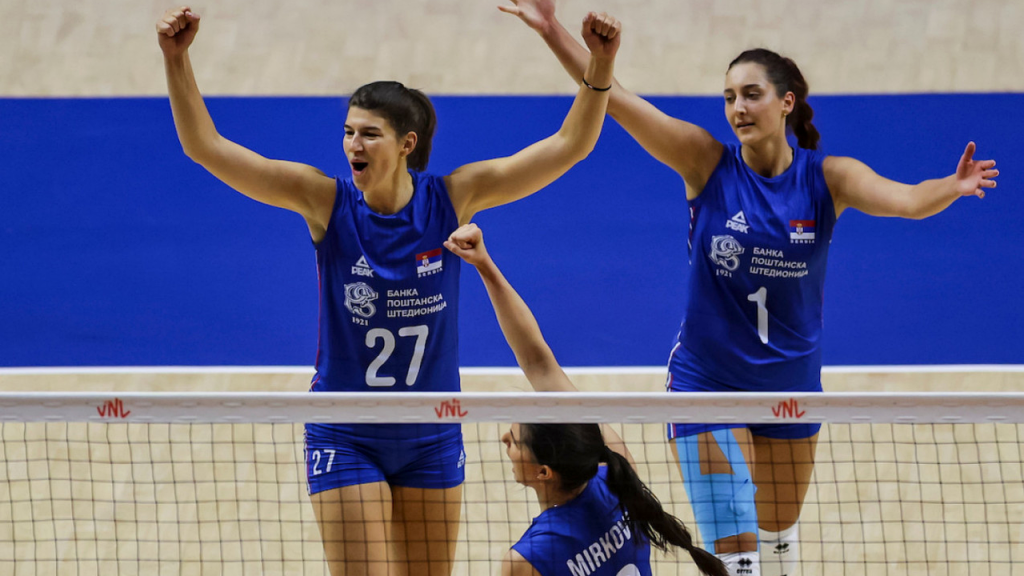
The result gives Serbia a practical platform for its next match.
The reset has to stay practical
The next step is not a longer team talk. Serbia needs to carry the same simple habits into its next match: a controlled serve, calm reception, and a block that waits long enough to read the setter.
Those details can travel into the next match. They do not depend on one player having a perfect day, and they give the setter more options even when the first ball is not ideal.
The serve does not have to be risky to be useful
Serbia does not need to chase an ace after every trip to the service line. It is enough for the ball to push Germany out of its easiest zone and give the block a clearer moment to read the play.
A serve like that also protects the attack after defence. When the opponent fails to get a clean first attack, Serbia can lift the ball more easily and return it with more order.
Bošković draws attention, but she cannot hide the team
Tijana Bošković’s return gives Serbia more weight, yet the win over Germany was not just a story about one name. Points from Nina Čajić, pressure from the serve and a steadier block worked together.
That is an important sign for the next match. The opponent will have to think about Bošković, but Serbia must keep more attacking options open. The side is more dangerous when a big name opens space for the system, not when the system disappears behind it.
The habits have to carry forward
The win over Germany is worth the most if Serbia repeats its ordinary habits. The serve needs a clear target zone, the first contact must stay usable, and the block has to wait for the right moment.
That kind of play does not depend on a single attacker alone. It gives the team a calmer base and more options in the next match.